
Monthly Archives: September 2026

Place Matters: Where You Live May Affect Brain Health

A study of nearly 3,000 brain MRI exams suggests that where people live may have a measurable influence on brain health. Researchers found that people living in highly socioeconomically disadvantaged neighbourhoods showed signs of poorer brain health, including older-appearing brains and lower total brain volume. The findings were published in Radiology, a journal of the Radiological Society of North America (RSNA).

“We’ve long suspected that your living environment affects your brain, but until now it’s not been proven at scale in clinical populations,” said Dr. John-Paul J. Yu, associate professor at the University of Wisconsin School of Medicine and Public Health. He said the study identified robust, measurable differences suggesting that living environments can affect the brain at the molecular and cellular level.

For the retrospective study, researchers examined whether living in the most socioeconomically disadvantaged neighbourhoods was associated with two measures of brain health: brain age gap and total brain volume. Brain age gap refers to the difference between a person’s actual age and the estimated age of their brain based on MRI. A brain that appears older than a person’s chronological age may indicate poorer brain health.

The researchers analysed MRI exams from 2,826 patients—1,094 men and 1,732 women—ranging in age from 18 to 96. The scans were collected during inpatient and outpatient clinical examinations at the University of Wisconsin Hospitals and Clinics and community partners between January and June 2024. Patients whose scans showed evidence of disease were excluded, and the analyses accounted for age and sex.

Researchers also assigned each patient an Area Deprivation Index (ADI) score based on their residential zip code. The ADI measures neighbourhood-level socioeconomic disadvantage using 17 indicators related to income, education, employment and housing. The study used information derived from the 2023 American Community Survey to assess the socioeconomic conditions of patients’ neighbourhoods.

The results showed that people living in the most disadvantaged neighbourhoods had a higher brain age gap and lower total brain volume than those living in less disadvantaged areas. “We found that residents in the most disadvantaged neighborhoods had an accelerated brain age compared with people living in less deprived areas,” Dr. Yu said. Elevated brain age has previously been associated with cardiovascular risk factors, psychiatric illness and cognitive impairment.

MRI analysis also showed that residents of the most disadvantaged neighbourhoods had greater volumes of white matter hyperintensities—areas that appear as bright spots on brain MRI and can reflect damage to small blood vessels. Dr. Yu described them as “the footprints of cardiovascular damage in the brain.” Greater white matter hyperintensity volume has been linked with increased risks of memory loss, cognitive difficulties and dementia.

The researchers said MRI-derived measures could potentially help identify how social and environmental conditions are reflected in brain health and may eventually contribute to clinical risk assessment. The findings also highlight the importance of considering neighbourhood conditions alongside individual health factors. According to Dr. Yu, socioeconomic disadvantage can reflect accumulated structural inequities that extend beyond individual behaviours, making neighbourhood-level information potentially valuable when designing health interventions, shaping public policy and identifying communities that may benefit from improved access to care.

More information: Ethan H. Willbrand et al, Evaluating the Effect of Neighborhood-level Disadvantage on Brain Health: An Imaging Epidemiology Study, Radiology. DOI: 10.1148/radiol.260693

Journal information: Radiology Provided by Radiological Society of North America
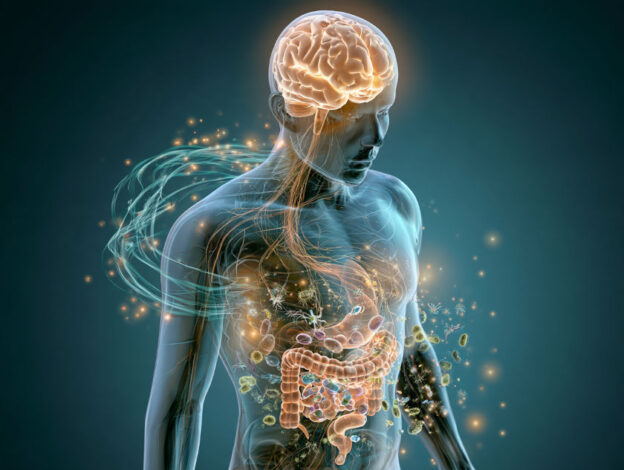
Gut Health Could Help Reveal Brain Ageing Long Before Symptoms Become Apparent

A new UCLA study has found a connection between how quickly the brain ages and bacteria and chemical byproducts in the gut, offering new clues about biological changes that may influence brain ageing long before noticeable symptoms appear.

Researchers have long used brain scans to estimate a person’s “brain age,” which can differ from their actual age. Previous studies have linked a brain that appears older than expected with poorer memory, thinking skills and mood. However, much of that research has focused on older adults or people with existing brain diseases, leaving questions about what these differences may mean in younger, generally healthy adults.

In a new study published in eBioMedicine, UCLA Health researchers analysed brain scans from nearly 1,500 adults across three separate groups. They examined how different regions of the brain communicate with one another while a person is at rest and used a computer model to estimate each participant’s brain age based on these communication patterns.

The researchers then compared each person’s estimated brain age with their chronological age to calculate what they called the Brain Aging Index (BAI). Across all three groups, participants whose brains appeared older than expected tended to perform worse on tests of working memory and executive function, including abilities related to focus, planning and organisation.

Participants with a higher BAI also reported more symptoms of depression. These associations consistently involved brain regions related to memory and self-referential thought, suggesting that signs of accelerated brain ageing may be connected with both cognitive performance and emotional well-being even before more obvious problems emerge.

In one of the study groups, researchers also analysed stool samples to explore possible connections between brain ageing and gut biology. A higher BAI was associated with specific gut bacteria and metabolic byproducts, including certain fat molecules, a cholesterol-related compound and lower levels of the hormone estetrol. The biological pathways identified were related to immune function, blood vessel health, communication between brain cells and cellular energy production.

“Brain ageing doesn’t suddenly begin when we get older, but the biological signals may be detectable decades earlier,” said senior author Dr. Arpana Church, co-director of the Goodman-Luskin Microbiome Center at UCLA Health. She said linking early brain changes with the gut microbiome and its metabolites could help researchers identify biological pathways associated with healthier or accelerated brain ageing.

Church said the findings could eventually help identify people at greater risk of cognitive or mood-related decline earlier in life. They also raise the possibility that gut health could become a target for future research into interventions aimed at supporting healthier brain ageing. More research will be needed to determine whether changing the gut microbiome can directly influence brain ageing, but the findings offer a promising direction for understanding prevention earlier in life.

More information: Kanhao Zhao et al, Brain-gut crosstalk associated with brain ageing in young and mid-life adults: a multicohort cross-sectional study, EBioMedicine. DOI: 10.1016/j.ebiom.2026.106468

Journal information: EBioMedicine Provided by University of California – Los Angeles Health Sciences

New Tool Could Help Cities Balance Economic Development and Public Health

Senior urban development decision-makers say there is currently little incentive to consider public health impacts when shaping towns and cities, according to a new study highlighting the potential of an innovative economic valuation tool to help address this gap.

Researchers say the Health Appraisal for Urban Systems (HAUS) tool could help local authorities and planning departments make healthier urban development decisions. The model links features of the urban environment to health outcomes and their associated economic costs, providing evidence that could help reduce the burden of conditions such as obesity, cancer, cardiovascular disease and respiratory illness.

The study, co-authored by researchers from the University of East London (UEL), University of Bath and University of Bristol, found that stakeholders across government, industry and civil society recognised HAUS as a potentially valuable way to support shared decision-making. By demonstrating the economic value of healthier environments, the tool could also create stronger incentives for organisations to work together to improve public health.

The connection between urban environments and health is well established. Housing quality, transport infrastructure, access to green space and neighbourhood walkability can all influence health and the risk of serious disease. However, using urban development as a preventative public health measure is complex because decisions involve multiple organisations with different responsibilities, priorities and budgets.

To explore how economic evidence might encourage more integrated decision-making, researchers conducted 167 qualitative interviews with key stakeholders across England’s urban development system. Participants were asked how HAUS could support collaboration and more informed decision-making across sectors. The tool was originally developed during an earlier research pilot and was further refined during the project in collaboration with the UK’s Ministry of Housing, Communities and Local Government.

HAUS estimates changes in disease occurrence and premature mortality associated with different urban development interventions and translates those health impacts into economic values. This allows decision-makers to consider health-related costs and benefits alongside other economic factors when assessing development options, helping demonstrate the longer-term value of investing in healthier housing, transport and neighbourhood environments.

Dr Andrew Barnfield, Senior Lecturer in Public Health at UEL and study co-author, said HAUS enables decision-makers to account for health costs associated with the urban environment, which is important for creating healthier and more equitable communities. Professor Sarah Ayres of the University of Bristol said the collaboration has produced methods that can, for the first time, quantify and value the potential health impacts of urban interventions for specific populations.

The researchers conclude that HAUS could provide important evidence to strengthen cross-sector collaboration and embed preventative public health considerations in urban development decisions. The tool has since been adopted in government appraisal guidance for local authorities. Dr Geoff Bates of the University of Bath said that demonstrating the economic benefits of preventative policies, including potential savings to the public purse, could help persuade policymakers to invest in healthier housing and urban environments and improve long-term health and wellbeing.

More information: Andrew Barnfield et al, How can critical actors be incentivised to take a systems approach to pursue preventative public health? Evidence & Policy. DOI: 10.1332/17442648Y2026D000000107

Journal information: Evidence & Policy Provided by University of East London

Healthy Checkout Initiative Cuts Soda Sales While Encouraging Healthier Snack Choices

A healthy checkout policy introduced in Berkeley, California, appears to be changing what shoppers buy. A new study found that the policy was linked to substantial declines in soda sales and reduced purchases of small-package candy in supermarkets, while also encouraging sales of healthier snacks. Researchers say, however, that strong enforcement is essential for achieving lasting public health benefits.

In March 2021, Berkeley became the first city in the world to prohibit sugary beverages and snacks from being displayed in checkout lanes at supermarkets, drug stores and mass-market retailers. Checkout areas have traditionally been prime locations for candy, chocolate and sugary drinks, encouraging impulse purchases as customers wait in line.

Researchers from Boston University School of Public Health and the University of California, Davis examined how Berkeley’s healthy checkout ordinance affected purchasing behaviour. Published in The Lancet Public Health, the study compared sales in Berkeley with those in Davis, Oakland and Sacramento before and after the ordinance was implemented in 2021 and became enforceable in January 2022.

The results varied by product and store type. Soda sales declined substantially following implementation and enforcement, while sales of small-package candy fell significantly in supermarkets after enforcement began. Total candy sales did not decline overall, but purchases of healthier, lower-sugar snacks such as small packages of nuts and seeds increased. Supermarkets, which showed the strongest compliance, experienced the greatest reductions in sugary product sales, while less-compliant drug stores saw little change.

“Through bright lighting, colorful packaging, and eye-level placement, checkout lanes are intentionally designed to draw shoppers’ attention to snacks and beverages with high added sugar,” said study co-lead author Dr. Justin White of Boston University. He said the findings suggest healthy checkout policies can reduce impulse purchases and encourage healthier choices, but active enforcement is necessary to produce meaningful and sustained changes.

The findings build on earlier research showing that candy and sugar-sweetened beverages were among the most common products displayed at checkouts. Previous assessments found that the amount of added sugar in checkout foods and beverages in Berkeley declined by 70 per cent during the first year after the ordinance was introduced. The latest study indicates that changes in product placement can also influence what consumers actually purchase.

Researchers analysed retail scanner data from 71 stores between March 2019 and December 2023, examining sales of candy, soda, nuts, seeds and bottled water. By analysing candy and soda according to package size, they could determine whether the ordinance reduced purchases of smaller items typically displayed at checkout. However, stores remained free to move sugary products elsewhere or promote them through seasonal displays.

The researchers argue that healthy checkout policies could have a greater impact when combined with broader measures. “No single policy alone can address the problems with our food system,” said senior author Dr. Jennifer Falbe of UC Davis. Expanding healthy-product placement rules and combining them with front-of-package nutrition labels, sugary-drink taxes and subsidies for healthier foods could further improve diet quality and help consumers make healthier choices.

More information: Justin White et al, Effects of a healthy checkout ordinance on the sale of soft drinks and confectionery in Berkeley, CA, USA: a quasi-experimental study, The Lancet Public Health. DOI: 10.1016/S2468-2667(26)00169-6

Journal information: The Lancet Public Health Provided by Boston University School of Public Health

ADHD May Be Linked to a Greater Risk of Gastrointestinal Disorders

Researchers at the University of Warwick have analysed data from more than 1.9 million people across 23 studies and found that ADHD is associated with an almost 50% increase in overall gastrointestinal symptoms compared with people without ADHD. The association was even stronger for some conditions, including nearly twice the odds of constipation, a 58% increase in irritable bowel syndrome (IBS), and more than four times the odds of encopresis, or loss of bowel control.

An estimated 5% of children and 3–4% of adults worldwide have ADHD, with reported diagnosis rates rising sharply over the past 40 years. Gut problems are already well documented in autism spectrum disorder, and growing evidence points to a “gut-brain axis” linking digestive health with neurodevelopmental conditions. However, the extent of gastrointestinal symptoms among people with ADHD has remained unclear.

The study, published in the Journal of Attention Disorders, is the first systematic review to focus specifically on gastrointestinal symptoms in people with ADHD. It combined evidence from studies conducted around the world, including the United States, Sweden, Germany and South Korea, and included participants ranging in age from two to 65.

“Almost every gut symptom we looked at — constipation, IBS, even indigestion — appeared to be associated with ADHD,” said co-lead author Sarah Blake, a medical student at Warwick Medical School. “These symptoms can have a real impact on daily life, but they could easily be overlooked if the focus is on ADHD itself.”

The reasons behind the association remain uncertain. Researchers suggest that ADHD-related traits, including impulsivity and irregular eating patterns, could contribute to digestive symptoms. Some ADHD medications can also cause gastrointestinal side effects such as constipation, potentially accounting for part of the observed relationship.

Biological mechanisms may also play a role. Previous research has linked ADHD with differences in gut bacteria, which could potentially influence communication between the digestive system and the brain through pathways including the vagus nerve, a major communication route between the gut and brain.

The researchers say healthcare professionals caring for people with ADHD should be alert to gastrointestinal symptoms and consider asking about them during consultations. People experiencing more complex or persistent symptoms may benefit from additional support from specialists such as dietitians or gastroenterologists, particularly when digestive problems are affecting everyday life and well-being.

However, the researchers emphasise that the findings demonstrate an association and do not prove that ADHD causes gastrointestinal problems. “We can’t yet say ADHD causes these gut problems, or exactly what is driving the link, but the pattern is striking enough to warrant attention,” said Dr Saran Shantikumar, Associate Clinical Professor at Warwick Medical School. “Clinicians caring for people with ADHD may want to consider asking about gastrointestinal symptoms, particularly if they may be affecting quality of life.”

More information: Sarah Blake et al, The Association Between Attention-Deficit Hyperactivity Disorder and Gastrointestinal Symptoms: A Systematic Review and Meta-Analysis, Journal of Attention Disorders. DOI: 10.1177/10870547261469626

Journal information: Journal of Attention Disorders Provided by University of Warwick

More Sleep, Less Movement: Remote Work Adds 45 Minutes of Sedentary Time

Many office workers now spend at least part of their working week at home, but relatively little is known about how remote work changes the way people spend their time throughout the day. The WORKDAY study at the University of Turku in Finland examined how sleep, sedentary behaviour and physical activity differ between remote and office workdays among hybrid workers.

Researchers found that people slept an average of 15 minutes longer on remote workdays than on days spent in the office. However, they also spent about 45 minutes longer sitting or lying down. At the same time, standing, light physical activity and moderate-to-vigorous physical activity all decreased when people worked from home.

“The increase in sedentary behaviour during remote workdays was mostly caused by spending less time standing. One possible explanation is that, unlike in offices generally, standing workstations are not always available in a home setting,” says Dr Kristin Suorsa from the University of Turku.

The study also found that some of the walking and cycling that occurred on office days was replaced by sitting, lying down and sleeping on remote workdays. According to Suorsa, the lack of a commute is likely an important reason. Travelling to and from work can involve walking or cycling, even when these activities make up only part of the journey.

While the extra sleep associated with working from home may be beneficial, researchers point to the importance of avoiding long periods of inactivity. Prolonged sedentary behaviour has been associated with health concerns including musculoskeletal problems and an increased risk of cardiovascular disease. Breaking up long periods of sitting may therefore be particularly important for people working remotely.

Researchers recommend varying working positions throughout the day and regularly getting up and moving around. Remote workers can also use breaks for activities they enjoy, take longer active breaks when working from home and incorporate more physical activity into their leisure time. This may help replace some of the movement that would normally occur during commuting and office-based work.

Workplaces can also play a role. Researchers suggest that employees and their work communities discuss expectations and practices around taking breaks while working remotely. Encouraging workers to move regularly and providing guidance on creating a more active home-working environment could help reduce sedentary time without eliminating the flexibility offered by remote work.

The WORKDAY study examines how the growth of remote work following the COVID-19 pandemic has influenced physical activity and sedentary behaviour during workdays. The study involved 99 hybrid workers who wore an accelerometer on their thigh during both office and remote workdays. By detecting posture and movement, the devices allowed researchers to measure sleep, sedentary time and different levels of physical activity throughout the day.

More information: Kristin Suorsa et al, How composition of device-measured 24-h movement behaviors differs between office and remote workdays among hybrid workers? International Journal of Behavioral Nutrition and Physical Activity. DOI: 10.1186/s12966-026-01959-0

Journal information: International Journal of Behavioral Nutrition and Physical Activity Provided by University of Turku

Sustainable Agriculture Program Boosts Well-Being and Business Opportunities for Refugees and Immigrants

A sustainable farming programme is helping resettled refugees and immigrants improve their mental and physical well-being while developing the skills needed to run their own agricultural businesses, according to new research from the University of Kansas. The findings suggest that working outdoors, building social connections and having greater control over their work can provide participants with a stronger sense of independence, purpose and belonging.

New Roots is a four-year training programme in Kansas City, Missouri, that helps resettled refugees, immigrants and English-language learner farmers develop sustainable agriculture-based businesses. Participants lease a quarter-acre plot at the programme’s 7.5-acre farm, where they gain hands-on experience in sustainable farming and entrepreneurship.

University of Kansas researchers Joonmo Kang and Cheryl Holmes began studying New Roots after visiting the farm in 2022. The research team attended meetings and events, built relationships with staff, trainees and volunteers, and conducted focus groups and interviews to understand participants’ experiences better. The study was conducted in collaboration with New Roots organisers Benjamin Carpenter of Cultivate KC and Kristin Selby of Catholic Charities of Northeast Kansas.

Farmers frequently described benefits to both their mental and physical health. Many also held full-time jobs in warehouses, meatpacking plants or service industries, where they reported limited flexibility, repetitive work and few opportunities to interact with colleagues. By contrast, farming gave them greater freedom to set their own hours, connect with others and experience a stronger sense of value in their work.

“That sense of flexibility and agency meant so much to them,” Kang said. Although participants might earn more from their regular employment, many continued farming because of the independence and camaraderie it provided. New Roots also gave participants an opportunity to build something of their own as entrepreneurs. As one farmer told the researchers, “You are your own boss.”

Participants receive training in climate-resilient growing, pest management and equipment use, as well as business planning, taxes and record keeping. They also learn how to market and sell produce through farmers’ markets, Community Supported Agriculture programmes and wholesale channels. Many had previous farming experience before arriving in the United States. Still, New Roots helps them adapt their knowledge to American business practices, laws and tax requirements while providing English-language classes during the non-growing season.

The researchers also found that social connection was an important part of the programme. Farmers, staff and their families formed relationships through everyday activities, shared meals and work on the farm. Participants also enjoyed meeting customers at farmers’ markets, where selling produce became an opportunity to share culturally significant foods, recipes and agricultural knowledge with the broader Kansas City community. Kang described these exchanges as a form of “reciprocity” rather than simply commercial transactions.

Published in the Journal of Community Practice, the study also demonstrates the value of community-based participatory research. Kang said the researchers deliberately spent years listening, building trust and gathering community input before concluding. In much the same way that New Roots creates belonging through farming, the research process sought to build relationships through shared work, mutual learning and collaboration while producing findings that could benefit both the organisation and the communities it serves.

More information: Joonmo Kang et al, Empowering Communities Through Sustainable Urban Agriculture: A Case Study of Farmer Training Program for Resettled Refugees, Journal of Community Practice. DOI: 10.1080/10705422.2026.2708030

Journal information: Journal of Community Practice Provided by University of Kansas

Eating Disorders Disproportionately Affect Teens from Disadvantaged Backgrounds

Teenagers from lower-income and less highly educated households may be more likely to experience eating disorders and disordered eating, according to a new study co-led by UCL researchers. The findings challenge the long-standing stereotype that eating disorders primarily affect young people from affluent, well-educated families.

Published in the International Journal of Eating Disorders, the study was conducted with researchers at Copenhagen University Hospital. Researchers reviewed data from 51 studies involving 26,174 adolescents in Western countries across North America, Europe and Australia, examining links between socioeconomic circumstances and eating disorder symptoms.

The review found that teenagers from lower-income and lower-education households were more likely to show signs of disordered eating. Senior author Dr Nora Trompeter of the UCL Great Ormond Street Institute of Child Health said eating disorders are often stereotyped as a problem associated with affluence, but the evidence shows a different picture. She said prevention and treatment efforts need to reach families experiencing financial and social disadvantage.

Researchers examined diagnosed eating disorders, including anorexia, bulimia and binge eating disorders, as well as early warning signs of disordered eating. These included behaviours such as restricting food or fasting, along with poor body image and pressure to become thinner. The broader approach allowed researchers to consider symptoms that may appear before a formal diagnosis.

Family income showed the strongest and most consistent association with disordered eating. About two-thirds of the studies found that teenagers from lower-income families were more likely to experience eating disorder symptoms, while none found the opposite pattern. Parental education was also associated with risk: teenagers whose parents had higher levels of education were generally less likely to report symptoms.

For example, teenagers whose parents had not attended university were about 25% more likely to report eating disorder symptoms than those whose parents had a university-level education. However, other socioeconomic measures — including neighbourhood deprivation, parents’ occupations, financial difficulties and receipt of government benefits — produced more mixed and inconsistent findings.

The researchers warn that stereotypes about who develops eating disorders could contribute to young people from disadvantaged backgrounds being overlooked, under-screened or not recognised as being at risk. They are calling on clinicians, healthcare professionals and school counsellors to broaden their understanding of who may be affected. Challenging outdated assumptions, Trompeter said, could reduce missed diagnoses and help young people receive appropriate support and treatment earlier.

The researchers noted several limitations. Most of the studies involved predominantly White adolescents from Western countries, limiting how widely the findings can be generalised. Studies also measured socioeconomic status in different ways, making firm comparisons difficult. The research was supported by grants from UK Research and Innovation and the Novo Nordisk Foundation.

More information: Lea Steinstad et al, Research Update: A Systematic Review of the Relationship Between Eating Disorder Symptoms and Parental Socioeconomic Status (SES) Among Adolescents, International Journal of Eating Disorders. DOI: 10.1002/eat.70178

Journal information: International Journal of Eating Disorders Provided by University College London

People Struggle to Tell Fake Doctor Reviews From Real Ones, SFU Study Finds

Fake clinician reviews are often perceived as more trustworthy and helpful than genuine ones, according to a Simon Fraser University study. Researchers found that fraudulent reviews can appear more credible because they often contain richer personal health details than real patients are comfortable sharing publicly.

The findings highlight a gap between the information people want when choosing a healthcare provider and what genuine patients are willing to disclose online. “Patients naturally want detailed information when they’re choosing a healthcare provider. A real patient might simply say a doctor was helpful, while a fake review tells a detailed story about symptoms, diagnosis and treatment,” says Aishwarya Deep Shukla, associate professor at the Beedie School of Business and lead author of the study.

“People are drawn to stories. Unfortunately, these deceptive reviews have the kind of information real patients don’t usually share publicly and can influence decisions about who people trust with their care,” Shukla says. The study, published in Internet Research, examined 35,000 clinician reviews collected in India between 2015 and 2017, covering specialties ranging from family medicine to dentistry and dermatology.

Researchers verified 8,313 fake reviews posted by healthcare providers and associated clinic staff, some of whom impersonated patients. They took advantage of a security flaw in an online platform that invited patients to leave reviews after appointments. The researchers then analysed a representative random sample of 5,000 reviews to compare the characteristics of fraudulent and genuine posts.

The analysis found that fake reviews tended to be longer and included more information about symptoms, diagnoses, medications and treatments. They also received more “helpful” votes and scored higher on a measure of perceived trustworthiness than genuine reviews. Shukla says the tactics identified in the research remain relevant today and may be amplified by advances in generative artificial intelligence (AI).

“When I look at reviews now, I see the same patterns of length and detail. The double-edged sword of AI is that it’s helping real people write more complete and useful reviews, but it’s also helping bad actors produce detailed fake reviews at scale,” Shukla says. This makes it increasingly important for online platforms and patients to consider how reviews are created and verified rather than assuming that greater detail means greater authenticity.

Shukla recommends stronger safeguards, including appointment-linked review systems, authenticated anonymous reviews and improved moderation. He also suggests redesigning review formats so patients can provide meaningful information without revealing sensitive personal details. Longer-term solutions could include verified review systems managed by healthcare organisations or public agencies that confirm a patient relationship while preserving anonymity.

Fake reviews may be particularly common in areas where providers compete for patients or clients, including private dentistry, psychology, counselling and physiotherapy services. Shukla advises people to look for consistent themes across many reviews rather than relying on one or two detailed stories, and to be cautious of reviews containing unusually specific medical information. Providers with few or no reviews should not automatically be dismissed, as many satisfied patients never post reviews. Online ratings should also be considered alongside professional credentials, personal recommendations and direct interactions with a clinic.

More information: Aishwarya Deep Shukla et al, The illusion of trust and the paradox of disclosure: how fake physician reviews exploit privacy concerns, Internet Research. DOI: 10.1108/INTR-01-2024-0042

Journal information: Internet Research Provided by Simon Fraser University

Is Your Smartwatch Really That Smart?

Smartwatches can provide useful insights into health and physical activity, but many of the numbers they display are estimates rather than direct measurements of the body. A new study from the University of Michigan found that the reliability of smartwatch metrics varies considerably, highlighting the need for users to understand what their devices can — and cannot — accurately measure.

Millions of people use smartwatches to monitor sleep, steps, heart rate, exercise and other aspects of their health. As wearable technology has become more sophisticated, however, the information presented to users has also become increasingly complex. Some measurements closely reflect signals detected by a watch’s sensors, while others are calculated using algorithms and assumptions.

Adam Lepley, an assistant professor at the University of Michigan School of Kinesiology, and his research team developed a framework to help people better understand what smartwatches actually measure, what they estimate and how their data should be interpreted. Their findings, published in the journal Sensors, emphasise that smartwatch metrics should not all be treated in the same way.

“The most important takeaway is that not all smartwatch metrics should be interpreted the same way,” Lepley said. Some outputs are relatively close to what a sensor detects, while many others are estimates produced by combining sensor signals with proprietary algorithms, information about the user and other assumptions. As a result, users should be cautious about treating every number displayed on a smartwatch as an exact measurement.

Smartwatches gather information using several types of sensors. Optical sensors shine light into the wrist to detect changes in blood flow, while motion sensors monitor movement. GPS and other technologies can provide information about location, speed and additional signals. Algorithms then process these raw signals and transform them into familiar measures displayed on the watch or its accompanying app.

According to the researchers, smartwatch data are generally most useful for monitoring changes in the same person over time rather than providing precise, laboratory-quality measurements. For example, a consistent change in resting heart rate, sleep patterns or physical activity over several days or weeks may be more informative than a single unusual reading. Lepley said wearable devices are therefore often better suited to identifying trends than producing exact measurements.

Some smartwatch measurements also appear to be more dependable than others. Resting and steady-state heart rate, step counts and outdoor pace tend to be relatively reliable. More complicated estimates — including calories burned, sleep stages, body composition, hydration and recovery — should be interpreted with greater caution because they depend more heavily on algorithms and indirect calculations. Accuracy may also be influenced by movement, watch fit, temperature, sweat, skin tone, tattoos and body composition.

Another complication is that results from different smartwatch brands may not be directly comparable because manufacturers use different sensors, algorithms and definitions to calculate their metrics. For the study, the researchers conducted a narrative review using topic-focused searches of PubMed, SPORTDiscus and Google Scholar through June 2026. They also examined reference lists, technical and regulatory documents, and professional guidance. The findings suggest that smartwatches can be valuable tools for understanding personal health trends, but their numbers are best viewed as useful indicators rather than unquestionable measurements.

More information: Adam Lepley et al, Consumer Smartwatch Technology in Health and Performance Research: Validity, Limitations, and Real-World Applications, Sensors. DOI: 10.3390/s26144486

Journal information: Sensors Provided by University of Michigan

New Research Reveals Greater Biological Diversity Behind Healthy Ageing

Molecular changes associated with ageing vary far more between individuals than previously thought, meaning two healthy people of the same age can experience very different biological ageing journeys. A new study led by researchers at King’s College London provides the most comprehensive molecular analysis of ageing to date. It shows that a single biological pathway does not govern ageing.

Published in Science, the study demonstrates that genetic factors and environmental influences continuously interact throughout a person’s lifespan, shaping how their biology changes over time. Researchers observed how multiple genetic variants influence ageing and found striking differences between individuals, including variations involving CXCL9, a gene linked to cardiac ageing.

The researchers also found that levels of the tumour suppressor gene Tumour Protein P53 (TP53) declined in some individuals as they aged, potentially affecting their risk of cancer. Such molecular changes may reflect different environmental exposures or reveal an underlying genetic predisposition to disease. Identifying these patterns could eventually help pinpoint people at higher risk and allow healthcare interventions to begin earlier.

Environmental factors also appeared to influence individual ageing trajectories. The researchers identified correlations between changing blood levels of PFAS, often known as “forever chemicals”, and evolving molecular profiles. The findings suggest that environmental exposures can leave measurable biological signatures over time and that public health measures aimed at reducing environmental risks could potentially have effects at the molecular level.

Molecular ageing involves the gradual accumulation of cellular damage and chemical changes affecting important molecules such as DNA, proteins and lipids. Over time, these processes can contribute to declining tissue function, increased physical vulnerability and greater risk of age-related conditions, including cancer, cardiometabolic diseases and neurodegenerative disorders. Understanding these molecular processes could therefore be important for preventing age-related diseases and promoting healthier longevity.

“Rather than there being a single molecular roadmap of ageing, our study shows that people follow distinct biological journeys,” said Dr Julia El-Sayed Moustafa, a Research Fellow at King’s College London and first author of the study. She explained that even two healthy people of the same age can be ageing in surprisingly different ways at the molecular level, opening possibilities for more personalised approaches to predicting disease risk and maintaining health.

Over eight years, researchers repeatedly measured blood RNA levels, the activity of around 16,000 genes and hundreds of metabolites in 335 participants from TwinsUK. This created one of the most detailed long-term multi-omic studies of healthy ageing conducted to date. The researchers discovered that participants sometimes experienced markedly different, and even opposite, molecular changes as they grew older.

Ageing patterns also differed across the immune system, with changes varying between innate immune cells, which provide the body’s rapid first line of defence, and adaptive immune cells, which develop immune memory over time. Professor Kerrin Small, Professor in Genomics at King’s College London, said the findings show that molecular ageing is dynamic and influenced by the environment. Understanding these individual trajectories could ultimately help distinguish healthy ageing from the earliest stages of disease and provide a roadmap towards more precise, personalised healthcare.

More information: Julia El-Sayed Moustafa et al, Longitudinal dynamics of gene expression and metabolomics in an aging population cohort, Science. DOI: 10.1126/science.aed6452

Journal information: Science Provided by King’s College London

AI Scribes May Struggle to Reflect Patients’ Experiences Accurately

Artificial intelligence tools used to take clinical notes could change the nature of interactions between patients and healthcare professionals. They may miss important information about patients’ experiences, according to a new review.

Known as ambient AI scribes, these tools combine speech-to-text technology with AI to capture and summarise conversations during medical consultations. While they can reduce clinicians’ administrative workload, researchers warn that their growing use could have unintended consequences for patient care and clinical skills. Around 40 per cent of GPs in the UK have reported using ambient scribes.

Researchers from the University of Edinburgh reviewed 27 articles from scientific and medical literature to examine the adoption of ambient AI scribes and the implications of expanding their use. They found that although the technology can effectively capture what patients say, it may overlook other important elements of a consultation, including facial expressions, gestures and emotional states.

AI-generated summaries also tend to prioritise clinical information, potentially leaving out patients’ personal stories and experiences of illness. Researchers warn that this could result in clinical records that do not fully reflect the patient’s perspective. Patients may also be less willing to disclose sensitive information, including experiences involving substance use, domestic abuse or mental health difficulties, when they know their conversations are being recorded and processed by AI.

The review also highlights potential effects on clinicians. Manual note-taking is not simply an administrative task but can play an important role in clinical reasoning and reflection. Relying on AI scribes could encourage “cognitive offloading”, in which some of the mental effort involved in processing and recording information is transferred to technology.

Cognitive offloading can offer benefits, giving clinicians more time to engage meaningfully with patients and concentrate on complex aspects of care. However, researchers say it could also affect memory and the development of clinical skills. Some clinicians have reported not recognising AI-generated notes as their own or having difficulty remembering patients when seeing them at subsequent appointments.

The researchers say AI scribe systems should be designed to preserve patients’ voices rather than allowing automated clinical summaries to overwrite their experiences. More research is also needed into the medium- and long-term effects of these technologies in specific healthcare environments, particularly when AI systems developed in one country are introduced into healthcare systems with different practices and structures. The findings were published in BMJ Digital Health and AI.

Dr Lucas Seuren, GAIL Fellow and Research Fellow at the University of Edinburgh’s Centre for Biomedicine, Self and Society, said clinicians are understandably enthusiastic about technologies that could reduce paperwork, but patient experiences have received insufficient attention. He warned that there is a risk of patients’ stories being lost when consultations are processed by AI, potentially creating additional disadvantages for people who are already marginalised within health and social care services.

More information: Lucas Seuren et al, Beyond productivity: a NASSS-informed review of implementation risks and research priorities for ambient AI scribes in healthcare, BMJ Digital Health & AI. DOI: 10.1136/bmjdh-2026-000091

Journal information: BMJ Digital Health & AI Provided by University of Edinburgh