Monday, 10 Aug 2026
  • My Feed
  • My Saves
  • History
  • Blog
Living Well Study
  • Blog
  • Ageing Well
  • Brain Health
  • Healthy Diets
  • Physical Wellness
  • Wellness
  • 🔥
  • Wellness
  • older adults
  • Living Well
  • Brain Health
  • dementia
  • public health
  • Ageing Well
  • Health and Medicine
  • alzheimer disease
  • physical exercise
Font ResizerAa
Living Well StudyLiving Well Study
  • My Saves
  • My Feed
  • History
Search
  • Pages
    • Home
    • Search Page
  • Personalized
    • Blog
    • My Feed
    • My Saves
    • History
  • Categories
    • Ageing Well
    • Brain Health
    • Healthy Diets
    • Mental Wellness
    • Physical Wellness
    • Wellness
Have an existing account? Sign In
Follow US
© 2022 Foxiz News Network. Ruby Design Company. All Rights Reserved.
Living Well Study > Blog > Health and Medicine > Can Eating Less Protein Promote Healthy Ageing?
Health and Medicine

Can Eating Less Protein Promote Healthy Ageing?

support
Share
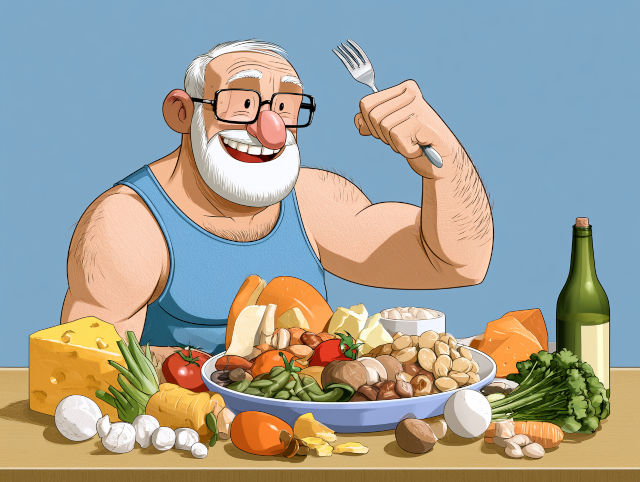
older adult, eating lots of protein
SHARE

Protein-fortified foods are now common, appearing in products ranging from breakfast cereals and coffee to protein water. Yet a new review published on July 31 in Cell Press Blue suggests that consuming less protein may, for many people, offer greater health benefits and even help extend lifespan. Reviewing more than 350 studies on protein restriction and ageing, researchers found consistent evidence that lower protein intake may slow biological ageing by improving metabolism, altering how cells respond to nutrients, reducing cellular damage, and preserving healthy cell function.

“It’s absolutely crystal clear that there are benefits of protein to muscle growth and exercise response of active individuals,” says Dudley Lamming, the review’s corresponding author from the University of Wisconsin–Madison. “But because most people are relatively sedentary, many people are likely consuming more protein than they actually need, which probably has negative health consequences.” While calorie restriction has long been shown to extend lifespan and reduce age-related diseases in many species, maintaining a low-calorie diet is difficult. Protein restriction, however, may provide many of the same benefits without reducing total calorie intake.

Evidence from animal studies has shown that reducing protein intake can extend lifespan in flies and rodents, even when calorie consumption remains unchanged. Human clinical trials have also found that protein-restricted diets can reduce body weight, lower fat mass, and improve fasting blood sugar, despite participants often consuming more calories overall. Together, these findings suggest that the quality and quantity of protein consumed may influence health independently of total energy intake.

At the same time, research has demonstrated that higher protein intake, particularly when combined with regular exercise, can promote weight loss and help preserve muscle mass in older adults. These findings contributed to updated U.S. dietary recommendations encouraging adults to consume 1.2–1.6 grams of protein per kilogram of body weight each day—substantially higher than previous guidelines. Against this backdrop of increasing protein consumption, the researchers sought to understand better how protein restriction influences healthy ageing.

The review identifies several biological mechanisms that may explain these benefits. A key factor is fibroblast growth factor 21 (FGF21), a hormone that increases when protein intake is low. Higher FGF21 levels are associated with greater energy expenditure, improved blood sugar regulation, and reduced inflammation. In animal studies, elevated FGF21 has been linked to longer lifespan, with stronger effects observed in male mice. The review also highlights specific amino acids—including methionine, isoleucine, and valine—that may accelerate ageing-related processes when consumed in excess by stimulating pathways associated with obesity, inflammation, and chronic disease.

The authors emphasise that protein requirements should be individualised. Although athletes, pregnant women, and some older adults often benefit from higher protein intake, protein-fortified foods may provide little advantage for the average sedentary adult and could even have unintended health consequences. Lamming suggests that regular physical activity may protect athletes from the metabolic effects of a high-protein diet by directing protein towards muscle growth. “We probably need to personalise protein recommendations based not just on age, but also on how physically active people are,” he says.

More information: Bailey A. Knopf et al, The hallmarks of protein and amino acid restriction in aging and longevity, Cell Press Blue. DOI: 10.1016/j.cpblue.2026.100079

Journal information: Cell Press Blue Provided by Cell Press

TAGGED:life expectancyproteins
Share This Article
Email Copy Link Print
Previous Article Why Keeping a Doctor Is Becoming Harder
Next Article The Way Children Talk May Predict Future Mental Health Challenges
Leave a Comment

Leave a Reply Cancel reply

Your email address will not be published. Required fields are marked *

Recent Posts

  • Obesity and Ageing May Share Common Biological Pathways
  • Unsafe Living Environments Elevate Fall Risk for Seniors
  • Optimizing Blood Pressure Control: A New Strategy
  • Study Highlights How Social Inequality Hinders Physical Activity
  • Beyond Connection: The Mental Health Impact of Smartphones on Older Adults

Tags

adolescents adverse effects ageing populations aging populations air pollution alzheimer disease amyloids anxiety artificial intelligence atopic dermatitis behavioral psychology biomarkers blood pressure body mass index brain cancer cancer research cardiology cardiovascular disease cardiovascular disorders caregivers children climate change clinical research cognition cognitive development cognitive disorders cognitive function cognitive neuroscience COVID-19 dementia depression diabetes diets discovery research disease control disease intervention disease prevention diseases and disorders environmental health epidemiology foods food science gender studies geriatrics gerontology gut microbiota health and medicine health care health care costs health care delivery heart disease heart failure home care human brain human health hypertension inflammation insomnia life expectancy life sciences longitudinal studies memory disorders menopause mental health metabolic disorders metabolism mortality rates neurodegenerative diseases neurological disorders neurology neuroscience nursing homes nutrients nutrition obesity older adults parkinsons disease physical exercise population studies preventive medicine psychiatric disorders psychological science psychological stress public health research impact risk assessment risk factors risk reduction skin sleep sleep apnea sleep disorders social interaction social research social sciences socioeconomics tobacco type 2 diabetes weight loss
August 2026
S M T W T F S
 1
2345678
9101112131415
16171819202122
23242526272829
3031  
« Jul    

This website is for information purpose only and is in no way intended to replace the advice, professional medical care, diagnosis or treatment of a doctor, therapist, dietician or nutritionist.

About | Contact | Cookie Policy | Digital Millennium Copyright Act Notice | Disclaimer | Privacy Policy | Terms of Service

You Might Also Like

Wellness

Numerous older adults who are provided with home care do not receive palliative care before passing away

By support
Health and Medicine

Blood-Based Test Could Guide More Precise Breast Cancer Therapy for Older Women

By support
Health and Medicine

For Mind and Body: Community Gathering Places Linked to Better Cognitive Health

By support
Health and Medicine

Study Suggests Cruise Ship Air Pollution May Worsen Viral Illness

By support
Living Well Study
Categories
  • Ageing Well
  • Brain Health
  • Healthy Diets
  • Mental Wellness
  • Physical Wellness
  • Wellness
LivingWellStudy
  • About
  • Contact
  • Cookie Policy
  • Digital Millennium Copyright Act Notice
  • Disclaimer
  • Privacy Policy
  • Terms of Service
Welcome Back!

Sign in to your account

Username or Email Address
Password

Lost your password?