Sunday, 16 Aug 2026
  • My Feed
  • My Saves
  • History
  • Blog
Living Well Study
  • Blog
  • Ageing Well
  • Brain Health
  • Healthy Diets
  • Physical Wellness
  • Wellness
  • 🔥
  • Wellness
  • older adults
  • Living Well
  • Brain Health
  • dementia
  • public health
  • Ageing Well
  • Health and Medicine
  • ageing populations
  • alzheimer disease
Font ResizerAa
Living Well StudyLiving Well Study
  • My Saves
  • My Feed
  • History
Search
  • Pages
    • Home
    • Search Page
  • Personalized
    • Blog
    • My Feed
    • My Saves
    • History
  • Categories
    • Ageing Well
    • Brain Health
    • Healthy Diets
    • Mental Wellness
    • Physical Wellness
    • Wellness
Have an existing account? Sign In
Follow US
© 2022 Foxiz News Network. Ruby Design Company. All Rights Reserved.
Living Well Study > Blog > Healthy Food > Cranberry Extracts Enhance Microbiota Health and Combat Cardiometabolic Diseases
Healthy Food

Cranberry Extracts Enhance Microbiota Health and Combat Cardiometabolic Diseases

support
Share
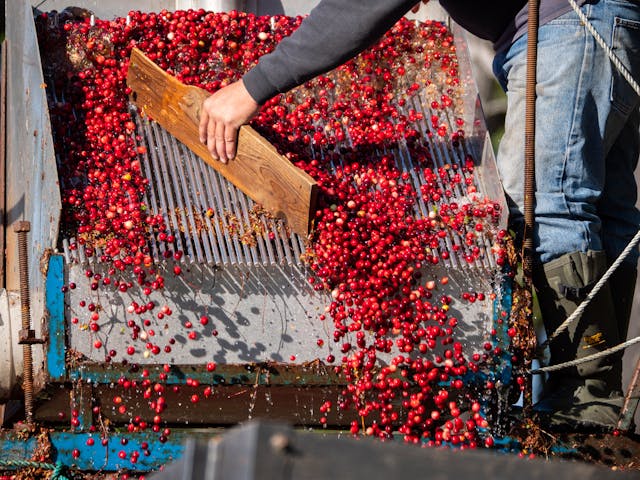
A Person Harvesting Cranberry Fruits. Photo by Mike Knibbs: https://www.pexels.com/photo/a-person-harvesting-cranberry-fruits-10098093/
SHARE

Cranberry extracts have shown promising effects in improving intestinal microbiota and preventing chronic diseases such as diabetes and cardiovascular diseases, according to a study by Université Laval and the Institute of Nutrition and Functional Foods (INAF). Led by Yves Desjardins, professor at the Faculty of Agriculture and Food Sciences, the research highlighted significant benefits observed after just four days of cranberry extract consumption.

Known for their high polyphenol content, particularly tannins, cranberries are also rich in oligosaccharides, tiny fibres believed to contribute to their bioactivity. The study demonstrated that these compounds in cranberry extract could stimulate the genus Bifidobacterium, which is known to reduce the risk of metabolic diseases. Jacob Lessard-Lord, a postdoctoral fellow at INAF, noted that cranberry extract effectively boosted these beneficial bacteria even at a dosage nearly 20 times lower than typical dietary fibre intake.

Furthermore, cranberry extracts enhanced the presence of Akkermansia muciniphila, a bacterium crucial for intestinal mucosa health. This enhancement is significant as it helps reduce inflammation and strengthens the intestinal barrier, which protects against the harmful effects of a Western diet. Yves Desjardins explained that a compromised intestinal barrier allows harmful substances like lipopolysaccharides (LPS) from gut bacteria to enter the body, leading to chronic inflammation and metabolic diseases like diabetes and cardiovascular diseases.

The study involved approximately forty participants from INAF who consumed a cranberry supplement twice daily, equivalent to 60 grams of fresh cranberries. Plasma, urine, and stool samples collected before and after the four-day trial indicated positive effects on the participants’ microbiota and inflammatory markers. The initial success in human trials followed promising results in the SHIME in vitro system, which models various regions of the intestine.

Looking ahead, the research team aims to investigate the long-term effects of cranberry extracts and explore individual variations in microbiota response. Jacob Lessard-Lord expressed optimism about the immediate benefits observed and looks forward to further understanding how different microbiota signatures interact with cranberry extracts.

Incorporating cranberry extracts into a balanced diet has the potential to modify inflammatory pathways and improve the prognosis of chronic diseases. By stimulating beneficial bacteria like Akkermansia muciniphila and Bifidobacterium, cranberry extracts promote a healthier gut microbiota environment. Thus, they offer a promising avenue for enhancing intestinal barrier function and mitigating the risks associated with metabolic diseases. Future research will shed light on personalised responses to these extracts, paving the way for targeted dietary disease prevention and management interventions.

More information: Jacob Lessard-Lord et al, Short term supplementation with cranberry extract modulates gut microbiota in human and displays a bifidogenic effect, npj Biofilms and Microbiomes. DOI: 10.1038/s41522-024-00493-w

Journal information: npj Biofilms and Microbiomes Provided by Laval University

TAGGED:cranberrydiabetesdisease preventionhuman gut microbiotainflammationnutritionoligosaccharidespolyphenols
Share This Article
Email Copy Link Print
Previous Article Financial Instability’s Impact on Cognitive Health Among Black Americans
Next Article Chronic hypertension prevalence doubled during pregnancy in the U.S. from 2007 to 2021
Leave a Comment

Leave a Reply Cancel reply

Your email address will not be published. Required fields are marked *

Recent Posts

  • Socioeconomic Disadvantage Is Associated with Greater Physical Decline with Age
  • Early Life Adversity Leaves a Lasting Molecular Mark Across the Body
  • Growing Up Gets Easier With Time, New Research Suggests
  • Most Patients with Early Alzheimer’s Disease Seeking Anti-Amyloid Antibody Therapy Fall Short of Brain Health Guidelines
  • Strength in Motion: Muscles May Hold the Key to Protecting the Parkinson’s Brain

Tags

adolescents adverse effects ageing populations aging populations air pollution alzheimer disease amyloids anxiety artificial intelligence atopic dermatitis behavioral psychology biomarkers blood pressure body mass index brain cancer cancer research cardiology cardiovascular disease cardiovascular disorders caregivers children climate change clinical research cognition cognitive development cognitive disorders cognitive function cognitive neuroscience COVID-19 dementia depression diabetes diets discovery research disease control disease intervention disease prevention diseases and disorders environmental health epidemiology foods food science gender studies geriatrics gerontology gut microbiota health and medicine health care health care costs health care delivery heart disease heart failure home care human brain human health hypertension inflammation insomnia life expectancy life sciences longitudinal studies memory disorders menopause mental health metabolic disorders metabolism mortality rates neurodegenerative diseases neurological disorders neurology neuroscience nursing homes nutrients nutrition obesity older adults parkinsons disease physical exercise population studies preventive medicine psychiatric disorders psychological science psychological stress public health research impact risk assessment risk factors risk reduction skin sleep sleep apnea sleep disorders social interaction social research social sciences socioeconomics tobacco type 2 diabetes weight loss
August 2026
S M T W T F S
 1
2345678
9101112131415
16171819202122
23242526272829
3031  
« Jul    

This website is for information purpose only and is in no way intended to replace the advice, professional medical care, diagnosis or treatment of a doctor, therapist, dietician or nutritionist.

About | Contact | Cookie Policy | Digital Millennium Copyright Act Notice | Disclaimer | Privacy Policy | Terms of Service

You Might Also Like

Healthy Food

A Delicious and Nutritious Fruit Snack Choice for Health

By support
Brain Health

Maintaining a Healthy Lifestyle Could Mitigate Brain Ageing Linked to Diabetes

By support
Healthy Food

Ageing may be slowed by a key chemical found in dark chocolate

By support
Wellness

The Outbreak Worsened Depression Among Elderly Diabetics

By support
Living Well Study
Categories
  • Ageing Well
  • Brain Health
  • Healthy Diets
  • Mental Wellness
  • Physical Wellness
  • Wellness
LivingWellStudy
  • About
  • Contact
  • Cookie Policy
  • Digital Millennium Copyright Act Notice
  • Disclaimer
  • Privacy Policy
  • Terms of Service
Welcome Back!

Sign in to your account

Username or Email Address
Password

Lost your password?