Thursday, 2 Jul 2026
  • My Feed
  • My Saves
  • History
  • Blog
Living Well Study
  • Blog
  • Ageing Well
  • Brain Health
  • Healthy Diets
  • Physical Wellness
  • Wellness
  • 🔥
  • Wellness
  • older adults
  • Living Well
  • Brain Health
  • dementia
  • public health
  • Ageing Well
  • alzheimer disease
  • physical exercise
  • mental health
Font ResizerAa
Living Well StudyLiving Well Study
  • My Saves
  • My Feed
  • History
Search
  • Pages
    • Home
    • Search Page
  • Personalized
    • Blog
    • My Feed
    • My Saves
    • History
  • Categories
    • Ageing Well
    • Brain Health
    • Healthy Diets
    • Mental Wellness
    • Physical Wellness
    • Wellness
Have an existing account? Sign In
Follow US
© 2022 Foxiz News Network. Ruby Design Company. All Rights Reserved.
Living Well Study > Blog > Science > A genetic blind spot: how ‘junk’ DNA might hold Alzheimer’s clues
Science

A genetic blind spot: how ‘junk’ DNA might hold Alzheimer’s clues

support
Share
astrocytes
SHARE

When most people think about DNA, they tend to picture genes that determine physical traits, influence behaviour, and keep the body’s cells and organs functioning properly. This familiar image is useful, but it captures only a small slice of what our genetic material actually does. The reality is that genes themselves make up only a minor fraction of the human genome.

In fact, only about 2% of our DNA encodes the roughly 20,000 genes that code for proteins. The remaining 98% belongs to the non-coding genome, long dismissed as “junk” DNA. Scientists now know that much of this DNA is anything but useless, as it contains regulatory elements that act like switches, controlling when genes are activated and how strongly they are expressed.

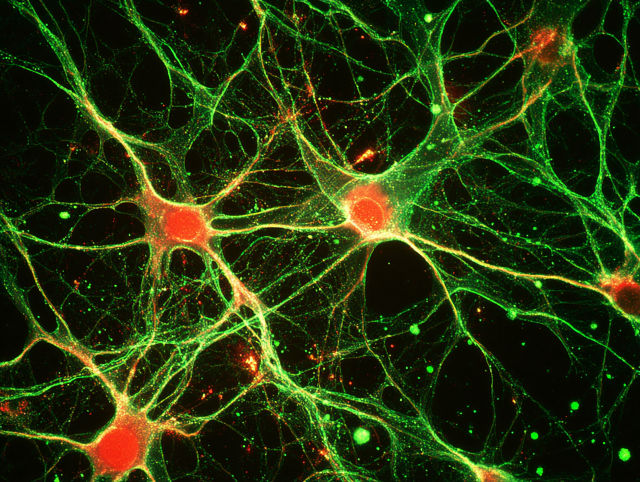
Researchers from UNSW Sydney have recently identified important DNA switches that regulate astrocytes, specialised brain cells that support neurons and help maintain normal brain function. Astrocytes are increasingly recognised as playing a key role in Alzheimer’s disease, making them an essential target for understanding how genetic regulation contributes to neurodegeneration.

In a study published in Nature Neuroscience, scientists from UNSW’s School of Biotechnology and Biomolecular Sciences examined nearly 1,000 potential switches, known as enhancers, in human astrocytes grown in the laboratory. Enhancers are challenging to study because they can be located far from the genes they regulate, sometimes hundreds of thousands of DNA base pairs apart. To overcome this challenge, the team combined CRISPR interference, which allows sections of DNA to be switched off without cutting them, with single-cell RNA sequencing to measure changes in gene expression.

This approach enabled the researchers to test the function of almost 1,000 enhancers simultaneously. By turning off each candidate enhancer and observing whether gene activity changed, they identified around 150 that functioned as genuine switches. Strikingly, many of these enhancers controlled genes already linked to Alzheimer’s disease, sharply narrowing the regions of the genome that scientists need to examine when searching for genetic risk factors.

Although the findings do not immediately translate into treatments, they provide a crucial foundation for future work. The results offer a detailed map of gene regulation in astrocytes, helping researchers interpret genetic changes found outside of genes themselves. The dataset can also be used to train artificial intelligence tools to predict enhancer function, potentially accelerating future research. In the longer term, the cell-type specificity of enhancers raises the possibility of precisely controlling gene activity in astrocytes, opening new directions for understanding and eventually treating Alzheimer’s disease.

More information: Nicole F. O. Green et al, CRISPRi screening in cultured human astrocytes uncovers distal enhancers controlling genes dysregulated in Alzheimer’s disease, Nature Neuroscience. DOI: 10.1038/s41593-025-02154-3

Journal information: Nature Neuroscience Provided by University of New South Wales

TAGGED:alzheimer diseasegeneticsnoncoding DNAprecision medicine
Share This Article
Email Copy Link Print
Previous Article Living with food and financial insecurity may age the heart faster than recognised clinical risk factors
Next Article How a brain care score can predict stroke risk across racial groups, study finds
Leave a Comment

Leave a Reply Cancel reply

Your email address will not be published. Required fields are marked *

Recent Posts

  • The Key to a Fulfilling Retirement: Staying Social
  • Adopting a Healthy Lifestyle Linked to Slower Biological Ageing in Older Men
  • Innovative Wound Treatment Could Improve Healing and Recovery
  • Bringing Toxoplasmosis Into Focus: A Global Call for Recognition
  • Unravelling the Link Between Brain Iron Accumulation and Neurodegeneration

Tags

adolescents adverse effects ageing populations aging populations air pollution alzheimer disease amyloids anxiety artificial intelligence atopic dermatitis behavioral psychology biomarkers blood pressure body mass index brain cancer cancer research cardiology cardiovascular disease cardiovascular disorders caregivers children climate change effects clinical research cognition cognitive development cognitive disorders cognitive function cognitive neuroscience cohort studies COVID-19 dementia depression diabetes diets discovery research disease control disease intervention disease prevention diseases and disorders environmental health epidemiology foods food science gender studies geriatrics gerontology gut microbiota health and medicine health care health care costs health care delivery heart disease heart failure home care human brain human health hypertension inflammation insomnia life expectancy life sciences longitudinal studies memory disorders menopause mental health metabolic disorders metabolism mortality rates neurodegenerative diseases neurological disorders neurology neuroscience nursing homes nutrients nutrition obesity older adults parkinsons disease physical exercise population studies preventive medicine psychiatric disorders psychological science psychological stress public health research impact risk assessment risk factors risk reduction skin sleep sleep apnea sleep disorders social interaction social research socioeconomics tobacco type 2 diabetes weight loss
July 2026
S M T W T F S
 1234
567891011
12131415161718
19202122232425
262728293031  
« Jun    

This website is for information purpose only and is in no way intended to replace the advice, professional medical care, diagnosis or treatment of a doctor, therapist, dietician or nutritionist.

About | Contact | Cookie Policy | Digital Millennium Copyright Act Notice | Disclaimer | Privacy Policy | Terms of Service

You Might Also Like

Science

Science Reveals Why Full Doesn’t Mean Finished When It Comes to Food

By support
Brain Health

USC research shows early Alzheimer’s brain markers vary across diverse populations

By support
Science

Little worms, mighty memories: decoding the brain’s secrets

By support
Brain Health

Study Reveals Accelerated Ageing of Specific Brain Cells Linked to Alzheimer’s Disease

By support
Living Well Study
Categories
  • Ageing Well
  • Brain Health
  • Healthy Diets
  • Mental Wellness
  • Physical Wellness
  • Wellness
LivingWellStudy
  • About
  • Contact
  • Cookie Policy
  • Digital Millennium Copyright Act Notice
  • Disclaimer
  • Privacy Policy
  • Terms of Service
Welcome Back!

Sign in to your account

Username or Email Address
Password

Lost your password?