Thursday, 2 Jul 2026
  • My Feed
  • My Saves
  • History
  • Blog
Living Well Study
  • Blog
  • Ageing Well
  • Brain Health
  • Healthy Diets
  • Physical Wellness
  • Wellness
  • 🔥
  • Wellness
  • older adults
  • Living Well
  • Brain Health
  • dementia
  • public health
  • Ageing Well
  • alzheimer disease
  • physical exercise
  • mental health
Font ResizerAa
Living Well StudyLiving Well Study
  • My Saves
  • My Feed
  • History
Search
  • Pages
    • Home
    • Search Page
  • Personalized
    • Blog
    • My Feed
    • My Saves
    • History
  • Categories
    • Ageing Well
    • Brain Health
    • Healthy Diets
    • Mental Wellness
    • Physical Wellness
    • Wellness
Have an existing account? Sign In
Follow US
© 2022 Foxiz News Network. Ruby Design Company. All Rights Reserved.
Living Well Study > Blog > Public Health > Efforts to cut cannabis-impaired driving overlook older adults, new study suggests
Public Health

Efforts to cut cannabis-impaired driving overlook older adults, new study suggests

support
Share
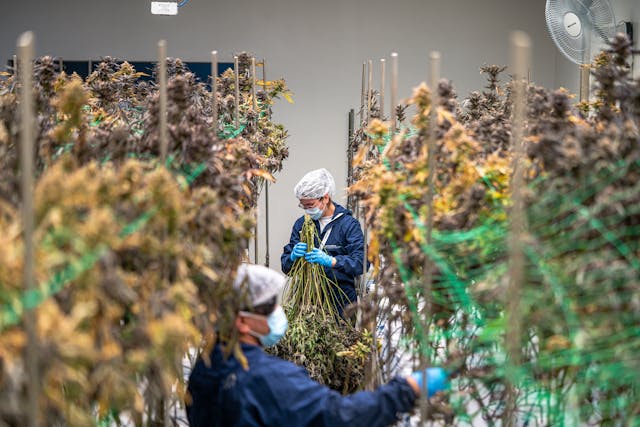
Photo by Diego Barros: https://www.pexels.com/photo/cannabis-cultivation-workers-trimming-hemp-plants-33856594/
SHARE

As cannabis-related traffic crashes continue to rise, new research suggests that prevention campaigns may be overlooking a vital group: older adults. Public messaging about cannabis-impaired driving has primarily focused on younger people. Yet, the study shows that a significant number of adults aged over 50 also drive soon after using cannabis, at a time when impairment from THC is still likely. The findings challenge the widespread perception that “driving while high” is primarily a youth problem and call for broader, age-inclusive road safety strategies.

The study found that around 20% of cannabis users aged 50 and over reported driving within two hours of using the drug at least once in the past year. This window is particularly risky, as THC can impair reaction time, attention and judgement, all of which are essential for safe driving. Older adults may underestimate these effects, especially if they consider themselves experienced drivers or believe cannabis to be less impairing than alcohol. However, the research makes clear that age and driving experience do not eliminate the cognitive and motor impacts of THC.

The research was conducted by a team at the University of Michigan, led by addiction psychologist Erin E. Bonar. The findings were published in the journal Drug and Alcohol Dependence and are based on data from the National Poll on Healthy Aging. While earlier analyses highlighted cannabis use among older adults, this latest paper takes a deeper look at how often and why people over 50 may be driving after using cannabis.

Specific patterns emerged that help identify higher-risk groups. Adults over 50 who used cannabis daily or nearly daily were about three times more likely to report driving after use than those who used it rarely. Those who used cannabis for mental health or mood-related reasons were roughly twice as likely to drive after using it. The study also found a gender difference, with men over 50 more likely than women in the same age group to report post-use driving. These findings suggest that targeted messaging could be particularly valuable for frequent users and those using cannabis to manage mental health concerns.

At the same time, the researchers stress that the issue extends beyond a small subset of users. Just over one-fifth of adults aged 50 and above reported using cannabis in the past year, with usage more common among those aged 50 to 64 than among those over 65. Patterns of use varied widely, ranging from daily use to once or twice a year. Notably, there were no significant differences in post-cannabis driving based on age group, income, race, or whether recreational cannabis was legal in the person’s state, reinforcing the case for broad-based public health messaging.

The study also highlights the need for age-specific guidance that reflects the realities of ageing. Older adults are more likely to experience slower reaction times, take prescription medications and be exposed to stronger cannabis products than those available earlier in their lives. The researchers suggest that health care providers and public health agencies should encourage practical strategies, such as using cannabis only at times when driving is unlikely, planning alternative transport, and discussing evidence-based treatments for conditions like sleep or mental health problems. Taken together, the findings underline that reducing cannabis-impaired driving requires attention not just to young people, but to drivers of all ages.

More information: Erin E. Bonar et al, Driving after cannabis consumption among US adults ages 50 years and older: A short communication, Drug and Alcohol Dependence. DOI: 10.1016/j.drugalcdep.2025.112985

Journal information: Drug and Alcohol Dependence Provided by Michigan Medicine – University of Michigan

TAGGED:cannabisdrug abuseolder adultssubstance abuse
Share This Article
Email Copy Link Print
Previous Article Scientific Laboratory Study Detects No Changes in Stress Levels or Brain Activity Following 5G Exposure
Next Article Research highlights limits of lecture-based learning for older adults
Leave a Comment

Leave a Reply Cancel reply

Your email address will not be published. Required fields are marked *

Recent Posts

  • The Key to a Fulfilling Retirement: Staying Social
  • Adopting a Healthy Lifestyle Linked to Slower Biological Ageing in Older Men
  • Innovative Wound Treatment Could Improve Healing and Recovery
  • Bringing Toxoplasmosis Into Focus: A Global Call for Recognition
  • Unravelling the Link Between Brain Iron Accumulation and Neurodegeneration

Tags

adolescents adverse effects ageing populations aging populations air pollution alzheimer disease amyloids anxiety artificial intelligence atopic dermatitis behavioral psychology biomarkers blood pressure body mass index brain cancer cancer research cardiology cardiovascular disease cardiovascular disorders caregivers children climate change effects clinical research cognition cognitive development cognitive disorders cognitive function cognitive neuroscience cohort studies COVID-19 dementia depression diabetes diets discovery research disease control disease intervention disease prevention diseases and disorders environmental health epidemiology foods food science gender studies geriatrics gerontology gut microbiota health and medicine health care health care costs health care delivery heart disease heart failure home care human brain human health hypertension inflammation insomnia life expectancy life sciences longitudinal studies memory disorders menopause mental health metabolic disorders metabolism mortality rates neurodegenerative diseases neurological disorders neurology neuroscience nursing homes nutrients nutrition obesity older adults parkinsons disease physical exercise population studies preventive medicine psychiatric disorders psychological science psychological stress public health research impact risk assessment risk factors risk reduction skin sleep sleep apnea sleep disorders social interaction social research socioeconomics tobacco type 2 diabetes weight loss
July 2026
S M T W T F S
 1234
567891011
12131415161718
19202122232425
262728293031  
« Jun    

This website is for information purpose only and is in no way intended to replace the advice, professional medical care, diagnosis or treatment of a doctor, therapist, dietician or nutritionist.

About | Contact | Cookie Policy | Digital Millennium Copyright Act Notice | Disclaimer | Privacy Policy | Terms of Service

You Might Also Like

Ageing Well

Reconsidering the Care of Patients Admitted for Social Reasons

By support
Technology

Innovative Ageing Marker Detects Risk of Muscle Loss Before It Starts

By support
Public Health

Cumulative Exposure to Wildfire Smoke May Gradually Elevate Heart Failure Risk

By support
Public Health

Resilience in a Pandemic: How Japan’s Older Adults Adapted to COVID-19 Healthcare Challenges

By support
Living Well Study
Categories
  • Ageing Well
  • Brain Health
  • Healthy Diets
  • Mental Wellness
  • Physical Wellness
  • Wellness
LivingWellStudy
  • About
  • Contact
  • Cookie Policy
  • Digital Millennium Copyright Act Notice
  • Disclaimer
  • Privacy Policy
  • Terms of Service
Welcome Back!

Sign in to your account

Username or Email Address
Password

Lost your password?