Sunday, 16 Aug 2026
  • My Feed
  • My Saves
  • History
  • Blog
Living Well Study
  • Blog
  • Ageing Well
  • Brain Health
  • Healthy Diets
  • Physical Wellness
  • Wellness
  • 🔥
  • Wellness
  • older adults
  • Living Well
  • Brain Health
  • dementia
  • public health
  • Ageing Well
  • Health and Medicine
  • ageing populations
  • alzheimer disease
Font ResizerAa
Living Well StudyLiving Well Study
  • My Saves
  • My Feed
  • History
Search
  • Pages
    • Home
    • Search Page
  • Personalized
    • Blog
    • My Feed
    • My Saves
    • History
  • Categories
    • Ageing Well
    • Brain Health
    • Healthy Diets
    • Mental Wellness
    • Physical Wellness
    • Wellness
Have an existing account? Sign In
Follow US
© 2022 Foxiz News Network. Ruby Design Company. All Rights Reserved.
Living Well Study > Blog > Science > Gene Responsible for Familial Vision Loss Found
Science

Gene Responsible for Familial Vision Loss Found

support
Share
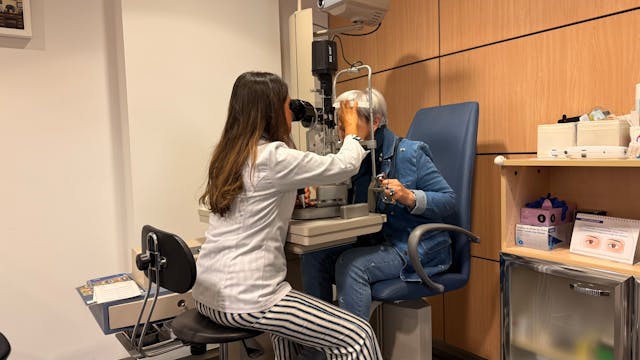
Photo by José Antonio Otegui Auzmendi : https://www.pexels.com/photo/optometrist-examining-patient-with-slit-lamp-32209715/
SHARE

A team of scientists from the Medical University of Vienna and the Medical University of Graz has uncovered a new genetic cause of hereditary optic atrophy. This degenerative disease leads to gradual vision loss. Their findings, recently published in Genetics in Medicine, offer new opportunities for diagnosis and research into the underlying biological processes responsible for the condition. This discovery represents a significant step forward in understanding why some families are affected by inherited vision loss.

The research began with the study of a large Austrian family in which seven members across three generations suffered from optic atrophy. Genome-wide sequencing revealed a previously unknown mutation in the PPIB gene, which encodes an enzyme that helps proteins fold correctly and removes defective ones. In cells from affected individuals, this mutation was found to disrupt mitochondrial function—the “power plants” of cells that provide the energy needed for healthy vision.

Further analysis of existing genetic databases led the team to identify 12 additional individuals from 8 unrelated families who shared the same PPIB mutation, confirming its link to the disease. According to study leader Professor Wolfgang M. Schmidt of MedUni Vienna, the discovery establishes PPIB as a new optic atrophy gene. His colleague, Dr Thomas P. Georgi of MedUni Graz, highlighted that this finding allows for more precise genetic diagnoses and better support for affected families, helping clinicians offer more accurate advice and care.

Optic atrophy damages the optic nerve, which transmits signals from the retina to the brain. It causes a gradual loss of visual clarity, reduced colour perception, and central blind spots. Although around twenty genetic forms of optic atrophy are currently known—most related to mitochondrial dysfunction—about 60 per cent of patients still lack a confirmed genetic explanation. Identifying PPIB helps fill this gap, giving researchers a new clue to explore and patients a more accurate understanding of their condition.

Beyond its relevance to optic atrophy, the discovery of the PPIB mutation could shed light on other diseases linked to mitochondrial damage and protein misfolding. As genome sequencing becomes increasingly available, testing for PPIB variants may soon become part of standard genetic screenings for unexplained vision loss. This breakthrough, therefore, not only advances scientific knowledge but also holds real promise for improving diagnosis, care, and future treatment of inherited eye diseases.

More information: Thomas P. Georgi et al, A recurrent missense variant in the PPIB gene encoding peptidylprolyl isomerase B underlies adult-onset autosomal
dominant optic atrophy, Genetics in Medicine. DOI: 10.1016/j.gim.2025.101595

Journal information: Genetics in Medicine Provided by Medical University of Vienna

TAGGED:eye diseasesgenetic disorders
Share This Article
Email Copy Link Print
Previous Article New guidelines reveal a sharp rise in the number of American adults classified as obese
Next Article Alterations in brain structure may reveal early indicators of dementia
Leave a Comment

Leave a Reply Cancel reply

Your email address will not be published. Required fields are marked *

Recent Posts

  • Socioeconomic Disadvantage Is Associated with Greater Physical Decline with Age
  • Early Life Adversity Leaves a Lasting Molecular Mark Across the Body
  • Growing Up Gets Easier With Time, New Research Suggests
  • Most Patients with Early Alzheimer’s Disease Seeking Anti-Amyloid Antibody Therapy Fall Short of Brain Health Guidelines
  • Strength in Motion: Muscles May Hold the Key to Protecting the Parkinson’s Brain

Tags

adolescents adverse effects ageing populations aging populations air pollution alzheimer disease amyloids anxiety artificial intelligence atopic dermatitis behavioral psychology biomarkers blood pressure body mass index brain cancer cancer research cardiology cardiovascular disease cardiovascular disorders caregivers children climate change clinical research cognition cognitive development cognitive disorders cognitive function cognitive neuroscience COVID-19 dementia depression diabetes diets discovery research disease control disease intervention disease prevention diseases and disorders environmental health epidemiology foods food science gender studies geriatrics gerontology gut microbiota health and medicine health care health care costs health care delivery heart disease heart failure home care human brain human health hypertension inflammation insomnia life expectancy life sciences longitudinal studies memory disorders menopause mental health metabolic disorders metabolism mortality rates neurodegenerative diseases neurological disorders neurology neuroscience nursing homes nutrients nutrition obesity older adults parkinsons disease physical exercise population studies preventive medicine psychiatric disorders psychological science psychological stress public health research impact risk assessment risk factors risk reduction skin sleep sleep apnea sleep disorders social interaction social research social sciences socioeconomics tobacco type 2 diabetes weight loss
August 2026
S M T W T F S
 1
2345678
9101112131415
16171819202122
23242526272829
3031  
« Jul    

This website is for information purpose only and is in no way intended to replace the advice, professional medical care, diagnosis or treatment of a doctor, therapist, dietician or nutritionist.

About | Contact | Cookie Policy | Digital Millennium Copyright Act Notice | Disclaimer | Privacy Policy | Terms of Service

You Might Also Like

Science

What Processes Does the Brain Use to Make Decisions?

By support
Science

How Do Our Brains Function During Planning?

By support
Science

New evidence connects brain immune cells to Alzheimer’s plaque growth

By support
Science

New Psychological Research Reveals How Our Brains Segment the Day into Distinct Chapters

By support
Living Well Study
Categories
  • Ageing Well
  • Brain Health
  • Healthy Diets
  • Mental Wellness
  • Physical Wellness
  • Wellness
LivingWellStudy
  • About
  • Contact
  • Cookie Policy
  • Digital Millennium Copyright Act Notice
  • Disclaimer
  • Privacy Policy
  • Terms of Service
Welcome Back!

Sign in to your account

Username or Email Address
Password

Lost your password?