Sunday, 16 Aug 2026
  • My Feed
  • My Saves
  • History
  • Blog
Living Well Study
  • Blog
  • Ageing Well
  • Brain Health
  • Healthy Diets
  • Physical Wellness
  • Wellness
  • 🔥
  • Wellness
  • older adults
  • Living Well
  • Brain Health
  • dementia
  • public health
  • Ageing Well
  • Health and Medicine
  • ageing populations
  • alzheimer disease
Font ResizerAa
Living Well StudyLiving Well Study
  • My Saves
  • My Feed
  • History
Search
  • Pages
    • Home
    • Search Page
  • Personalized
    • Blog
    • My Feed
    • My Saves
    • History
  • Categories
    • Ageing Well
    • Brain Health
    • Healthy Diets
    • Mental Wellness
    • Physical Wellness
    • Wellness
Have an existing account? Sign In
Follow US
© 2022 Foxiz News Network. Ruby Design Company. All Rights Reserved.
Living Well Study > Blog > Science > Genes help explain why ageing brings frailty for some
Science

Genes help explain why ageing brings frailty for some

support
Share
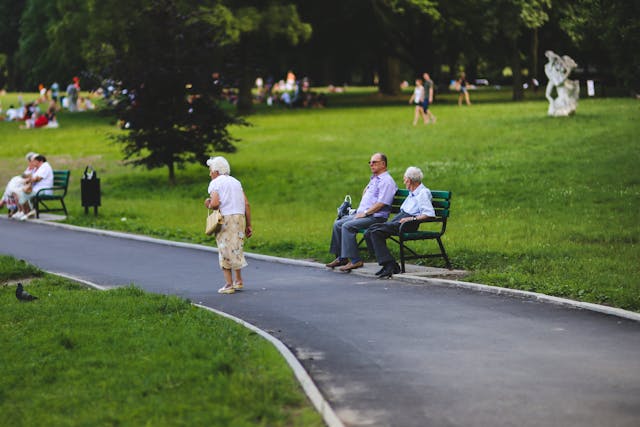
Photo by Karolina Grabowska: https://www.pexels.com/photo/seniors-in-the-park-6054/
SHARE

A new study has uncovered genetic variants connected to brain activity, immune response, and metabolism that play a role in the development of frailty among older adults. Published in Nature Aging by researchers at Karolinska Institutet, the findings offer fresh biological insight into how frailty arises and why it affects people differently.

Frailty is a condition in which the body gradually loses resilience, leaving individuals more susceptible to infections, falls, and other physical stresses. It is a major risk factor for hospitalisation and premature death, making it crucial to understand why some people develop it earlier than others.

Drawing on genetic data from nearly one million individuals in Finland and the United Kingdom, the research team carried out one of the most extensive genetic analyses of frailty to date. By examining DNA profiles alongside health information, they identified hundreds of genetic markers that increase the likelihood of becoming frail with age.

“Our findings demonstrate that frailty does not stem from a single cause. Instead, it reflects the combined influence of many genes affecting the brain, metabolism, and immune system. Several of these genes are entirely new discoveries,” explains Juulia Jylhävä, associate professor at Karolinska Institutet’s Department of Medical Epidemiology and Biostatistics and senior author of the study.

The study also shows that an individual’s genetic predisposition to frailty can be quantified, creating the possibility of predicting who may be at higher risk of illness or requiring care in later life. This knowledge could transform approaches to prevention and treatment.

“In the future, it may be possible to pinpoint those at risk as early as middle age, when preventive measures can still make a difference. This opens up promising opportunities to protect health and independence in older age,” Jylhävä concludes.

More information: Juulia Jylhävä et al, Large-scale genome-wide analyses with proteomics integration reveal novel loci and biological insights into frailty, Nature Aging. DOI: 10.1038/s43587-025-00925-y

Journal information: Nature Aging Provided by Karolinska Institutet

TAGGED:geriatricsolder adults
Share This Article
Email Copy Link Print
Previous Article Breakthrough tool aids seniors in lowering reliance on unnecessary drugs
Next Article For older adults: the psychological benefits of staying inquisitive
Leave a Comment

Leave a Reply Cancel reply

Your email address will not be published. Required fields are marked *

Recent Posts

  • Socioeconomic Disadvantage Is Associated with Greater Physical Decline with Age
  • Early Life Adversity Leaves a Lasting Molecular Mark Across the Body
  • Growing Up Gets Easier With Time, New Research Suggests
  • Most Patients with Early Alzheimer’s Disease Seeking Anti-Amyloid Antibody Therapy Fall Short of Brain Health Guidelines
  • Strength in Motion: Muscles May Hold the Key to Protecting the Parkinson’s Brain

Tags

adolescents adverse effects ageing populations aging populations air pollution alzheimer disease amyloids anxiety artificial intelligence atopic dermatitis behavioral psychology biomarkers blood pressure body mass index brain cancer cancer research cardiology cardiovascular disease cardiovascular disorders caregivers children climate change clinical research cognition cognitive development cognitive disorders cognitive function cognitive neuroscience COVID-19 dementia depression diabetes diets discovery research disease control disease intervention disease prevention diseases and disorders environmental health epidemiology foods food science gender studies geriatrics gerontology gut microbiota health and medicine health care health care costs health care delivery heart disease heart failure home care human brain human health hypertension inflammation insomnia life expectancy life sciences longitudinal studies memory disorders menopause mental health metabolic disorders metabolism mortality rates neurodegenerative diseases neurological disorders neurology neuroscience nursing homes nutrients nutrition obesity older adults parkinsons disease physical exercise population studies preventive medicine psychiatric disorders psychological science psychological stress public health research impact risk assessment risk factors risk reduction skin sleep sleep apnea sleep disorders social interaction social research social sciences socioeconomics tobacco type 2 diabetes weight loss
August 2026
S M T W T F S
 1
2345678
9101112131415
16171819202122
23242526272829
3031  
« Jul    

This website is for information purpose only and is in no way intended to replace the advice, professional medical care, diagnosis or treatment of a doctor, therapist, dietician or nutritionist.

About | Contact | Cookie Policy | Digital Millennium Copyright Act Notice | Disclaimer | Privacy Policy | Terms of Service

You Might Also Like

Ageing Well

Don’t treat us as fragile infants’: Can programmes of intergenerational mentorship diminish ageism in medicine?

By support
Healthy Diets

Do Canada’s dietary recommendations offer sufficient advice for older adults?

By support
Living Well

Sustaining life and wellbeing in old age: the vital role of social support

By support
Science

Study reveals inherited connection between early cognitive ability and longer parental lifespan

By support
Living Well Study
Categories
  • Ageing Well
  • Brain Health
  • Healthy Diets
  • Mental Wellness
  • Physical Wellness
  • Wellness
LivingWellStudy
  • About
  • Contact
  • Cookie Policy
  • Digital Millennium Copyright Act Notice
  • Disclaimer
  • Privacy Policy
  • Terms of Service
Welcome Back!

Sign in to your account

Username or Email Address
Password

Lost your password?