Thursday, 2 Jul 2026
  • My Feed
  • My Saves
  • History
  • Blog
Living Well Study
  • Blog
  • Ageing Well
  • Brain Health
  • Healthy Diets
  • Physical Wellness
  • Wellness
  • 🔥
  • Wellness
  • older adults
  • Living Well
  • Brain Health
  • dementia
  • public health
  • Ageing Well
  • alzheimer disease
  • physical exercise
  • mental health
Font ResizerAa
Living Well StudyLiving Well Study
  • My Saves
  • My Feed
  • History
Search
  • Pages
    • Home
    • Search Page
  • Personalized
    • Blog
    • My Feed
    • My Saves
    • History
  • Categories
    • Ageing Well
    • Brain Health
    • Healthy Diets
    • Mental Wellness
    • Physical Wellness
    • Wellness
Have an existing account? Sign In
Follow US
© 2022 Foxiz News Network. Ruby Design Company. All Rights Reserved.
Living Well Study > Blog > Wellness > Integrating Food Taxes and Subsidies to Promote Healthier Grocery Choices Among Low-Income Families
Wellness

Integrating Food Taxes and Subsidies to Promote Healthier Grocery Choices Among Low-Income Families

support
Share
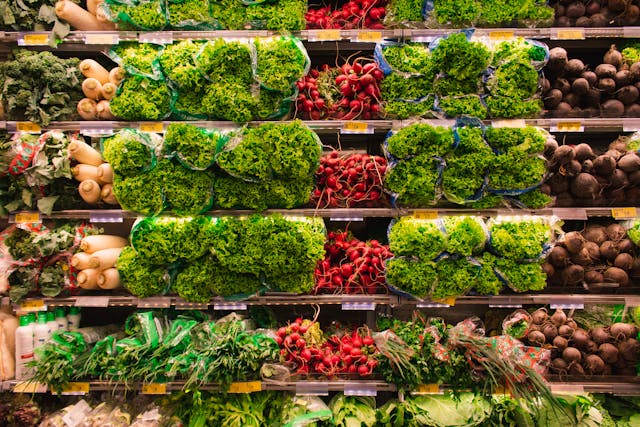
Assorted Vegetable Lot. Photo by Matheus Cenali: https://www.pexels.com/photo/assorted-vegetable-lot-2733918/
SHARE

The study conducted by researchers at the University of North Carolina at Chapel Hill investigated the potential effects of a combined tax-subsidy policy on the buying habits of low-income households, particularly concerning their nutritional quality, without raising overall costs. By modelling the impact of national-level taxes on sugary and ultra-processed foods and using the generated revenue to fund subsidies for healthier, minimally processed food items, the study aimed to assess how such policies could influence consumer behaviour. The findings suggested that implementing targeted taxes on unhealthy food and drink options, alongside subsidies for healthier choices, would likely lead to a significant improvement in the nutritional quality of purchases made by low-income households.

This policy model not only promotes healthier eating habits but also does so in a cost-effective manner. It effectively encourages healthier eating habits without compromising consumer satisfaction or financial burden. The approach has proven to be cost-effective in various contexts, including reducing sugary drink consumption and associated chronic diseases. Internationally, many countries and regions have already seen positive outcomes from imposing health-centric sugary drink taxes, though few have reinvested the revenues into subsidising healthy food purchases.

In the U.S., similar studies have shown that providing extra financial benefits to food assistance beneficiaries for the purchase of fruits and vegetables significantly boosts the consumption of these healthier food items. The results from this new study underscore the potential of a hybrid policy approach, combining tax and subsidy elements, to enhance the accessibility of nutritious food choices for low-income families. This could include beans, legumes, unprocessed meats, and low- or no-sugar drinks.

Authors Shu Wen Ng, PhD, and Pourya Valizadeh, PhD, emphasise that this method promotes better dietary patterns among the economically disadvantaged and advances nutritional equity. They suggest that such fiscal measures focus more on modifying food pricing structures to make healthy options more affordable than merely generating government revenue. This approach sends a cohesive message to consumers and the food industry about the national commitment to improving diet quality and nutrition security in the United States.

More information: Pourya Valizadeh et al, Promoting Healthier Purchases: Ultraprocessed Food Taxes and Minimally Processed Foods Subsidies for the Low Income, American Journal of Preventive Medicine. DOI: 10.1016/j.amepre.2024.02.019

Journal information: American Journal of Preventive Medicine Provided by University of North Carolina at Chapel Hill

TAGGED:food policynutritionpublic health
Share This Article
Email Copy Link Print
Previous Article Research reveals that numerous young individuals from affluent areas in NYC skipped ahead in the COVID-19 vaccination line
Next Article Marital Status Significantly Linked to Improved Health and Well-being Among Ageing Men
Leave a Comment

Leave a Reply Cancel reply

Your email address will not be published. Required fields are marked *

Recent Posts

  • The Key to a Fulfilling Retirement: Staying Social
  • Adopting a Healthy Lifestyle Linked to Slower Biological Ageing in Older Men
  • Innovative Wound Treatment Could Improve Healing and Recovery
  • Bringing Toxoplasmosis Into Focus: A Global Call for Recognition
  • Unravelling the Link Between Brain Iron Accumulation and Neurodegeneration

Tags

adolescents adverse effects ageing populations aging populations air pollution alzheimer disease amyloids anxiety artificial intelligence atopic dermatitis behavioral psychology biomarkers blood pressure body mass index brain cancer cancer research cardiology cardiovascular disease cardiovascular disorders caregivers children climate change effects clinical research cognition cognitive development cognitive disorders cognitive function cognitive neuroscience cohort studies COVID-19 dementia depression diabetes diets discovery research disease control disease intervention disease prevention diseases and disorders environmental health epidemiology foods food science gender studies geriatrics gerontology gut microbiota health and medicine health care health care costs health care delivery heart disease heart failure home care human brain human health hypertension inflammation insomnia life expectancy life sciences longitudinal studies memory disorders menopause mental health metabolic disorders metabolism mortality rates neurodegenerative diseases neurological disorders neurology neuroscience nursing homes nutrients nutrition obesity older adults parkinsons disease physical exercise population studies preventive medicine psychiatric disorders psychological science psychological stress public health research impact risk assessment risk factors risk reduction skin sleep sleep apnea sleep disorders social interaction social research socioeconomics tobacco type 2 diabetes weight loss
July 2026
S M T W T F S
 1234
567891011
12131415161718
19202122232425
262728293031  
« Jun    

This website is for information purpose only and is in no way intended to replace the advice, professional medical care, diagnosis or treatment of a doctor, therapist, dietician or nutritionist.

About | Contact | Cookie Policy | Digital Millennium Copyright Act Notice | Disclaimer | Privacy Policy | Terms of Service

You Might Also Like

Wellness

Research reveals that numerous young individuals from affluent areas in NYC skipped ahead in the COVID-19 vaccination line

By support
Wellness

Engage, disconnect, and contribute: guidance for recovery from substance abuse and enhancing mental well-being

By support
Wellness

Elevated blood sugar levels impair outcomes in patients with ischemic stroke

By support
Wellness

Potential Benefits of Novel Weight Loss Medication on Blood Pressure in Adults with Obesity

By support
Living Well Study
Categories
  • Ageing Well
  • Brain Health
  • Healthy Diets
  • Mental Wellness
  • Physical Wellness
  • Wellness
LivingWellStudy
  • About
  • Contact
  • Cookie Policy
  • Digital Millennium Copyright Act Notice
  • Disclaimer
  • Privacy Policy
  • Terms of Service
Welcome Back!

Sign in to your account

Username or Email Address
Password

Lost your password?