Thursday, 2 Jul 2026
  • My Feed
  • My Saves
  • History
  • Blog
Living Well Study
  • Blog
  • Ageing Well
  • Brain Health
  • Healthy Diets
  • Physical Wellness
  • Wellness
  • 🔥
  • Wellness
  • older adults
  • Living Well
  • Brain Health
  • dementia
  • public health
  • Ageing Well
  • alzheimer disease
  • physical exercise
  • mental health
Font ResizerAa
Living Well StudyLiving Well Study
  • My Saves
  • My Feed
  • History
Search
  • Pages
    • Home
    • Search Page
  • Personalized
    • Blog
    • My Feed
    • My Saves
    • History
  • Categories
    • Ageing Well
    • Brain Health
    • Healthy Diets
    • Mental Wellness
    • Physical Wellness
    • Wellness
Have an existing account? Sign In
Follow US
© 2022 Foxiz News Network. Ruby Design Company. All Rights Reserved.
Living Well Study > Blog > Mental Wellness > It’s not just you: Young people appear and feel older when under stress
Mental Wellness

It’s not just you: Young people appear and feel older when under stress

support
Share
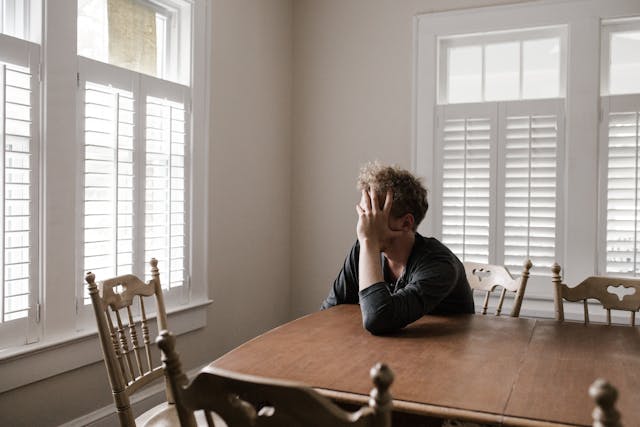
Photo of Man Leaning on Wooden Table. Photo by Andrew Neel: https://www.pexels.com/photo/photo-of-man-leaning-on-wooden-table-3132388/
SHARE

A recent study has discovered that younger adults tend to look and feel older when they experience stress, particularly when they perceive they have less control over their lives.

“Shevaun Neupert, a professor of psychology at North Carolina State University and the corresponding author of the study, highlights the considerable amount of research indicating that stress causes older adults to feel their age or even older than they are,” says Neupert. “The existing literature suggests that feeling older than one’s actual age among seniors is linked with various adverse health outcomes. However, there needs to be more research focusing on this effect among younger adults – individuals in their teens, 20s, and 30s. Gaining a better understanding of how this phenomenon affects people across different age groups could aid in creating interventions to safeguard both mental and physical health.

Neupert also points out that this research comes at a critical time, as there appears to be a rise in the stress levels experienced by younger adults today, compared to the stress levels endured by previous generations at the same age.”

This study gathered data from 107 younger adults aged between 18 and 36 years, with the average participant being around 20 years old. Participants completed a baseline survey and detailed daily surveys over eight consecutive days. These daily surveys aimed to measure the participants’ daily stress levels, their perceived control over their lives on that day, and how old they felt and looked each day.

Neupert explains, “A significant observation from the study was that participants felt and appeared older on days when they reported higher than usual levels of stress, but this effect was only noted on days when they also felt they had less control over their daily lives than usual. It’s crucial to note that the measurements of both stress and control were relative.”

That means that participants reporting lower-than-usual stress levels still exhibited the ageing effect if their stress was higher than they typically reported. Similarly, those who felt they maintained significant control over their lives still showed the effect if they reported less power than usual.

“This finding broadens our understanding by showing that the aging effect of stress isn’t exclusive to older individuals; young people are affected too,” Neupert remarks. “This is particularly significant given the knowledge that chronic stress can lead to negative health outcomes and that people generally report higher levels of stress as they transition from young adulthood into midlife. Given that young people are currently experiencing unprecedented levels of stress for their age, and this stress influences their perceived age, it’s crucial for us to closely monitor the indicators used to evaluate the physical and mental health impacts of stress in this generation.”

More information: Sofia E. Lee et al, The effect of control beliefs on the relationship between daily stressors and subjective age in younger adults, Mental Health Science. DOI: 10.1002/mhs2.56

Journal information: Mental Health Science Provided by North Carolina State University

TAGGED:adverse effectschronic stressdevelopmental psychologymental healthpsychological sciencepsychological stressstressors
Share This Article
Email Copy Link Print
Previous Article Selenium as an indicator of metabolic syndrome in middle-aged women
Next Article Factors contributing to the increased risk of frailty in old age vary between men and women
Leave a Comment

Leave a Reply Cancel reply

Your email address will not be published. Required fields are marked *

Recent Posts

  • The Key to a Fulfilling Retirement: Staying Social
  • Adopting a Healthy Lifestyle Linked to Slower Biological Ageing in Older Men
  • Innovative Wound Treatment Could Improve Healing and Recovery
  • Bringing Toxoplasmosis Into Focus: A Global Call for Recognition
  • Unravelling the Link Between Brain Iron Accumulation and Neurodegeneration

Tags

adolescents adverse effects ageing populations aging populations air pollution alzheimer disease amyloids anxiety artificial intelligence atopic dermatitis behavioral psychology biomarkers blood pressure body mass index brain cancer cancer research cardiology cardiovascular disease cardiovascular disorders caregivers children climate change effects clinical research cognition cognitive development cognitive disorders cognitive function cognitive neuroscience cohort studies COVID-19 dementia depression diabetes diets discovery research disease control disease intervention disease prevention diseases and disorders environmental health epidemiology foods food science gender studies geriatrics gerontology gut microbiota health and medicine health care health care costs health care delivery heart disease heart failure home care human brain human health hypertension inflammation insomnia life expectancy life sciences longitudinal studies memory disorders menopause mental health metabolic disorders metabolism mortality rates neurodegenerative diseases neurological disorders neurology neuroscience nursing homes nutrients nutrition obesity older adults parkinsons disease physical exercise population studies preventive medicine psychiatric disorders psychological science psychological stress public health research impact risk assessment risk factors risk reduction skin sleep sleep apnea sleep disorders social interaction social research socioeconomics tobacco type 2 diabetes weight loss
July 2026
S M T W T F S
 1234
567891011
12131415161718
19202122232425
262728293031  
« Jun    

This website is for information purpose only and is in no way intended to replace the advice, professional medical care, diagnosis or treatment of a doctor, therapist, dietician or nutritionist.

About | Contact | Cookie Policy | Digital Millennium Copyright Act Notice | Disclaimer | Privacy Policy | Terms of Service

You Might Also Like

Mental Wellness

Supporting Alzheimer’s care providers

By support
Mental Wellness

Theatre Helps Alleviate Emotional Symptoms in Individuals with Parkinson’s Disease

By support
Ageing Well

Financial Woes Predominant: Older Adults Rank Health Costs as Principal Concern, Survey Reveals

By support
Wellness

Stalking linked to increased risk of heart disease and stroke in women

By support
Living Well Study
Categories
  • Ageing Well
  • Brain Health
  • Healthy Diets
  • Mental Wellness
  • Physical Wellness
  • Wellness
LivingWellStudy
  • About
  • Contact
  • Cookie Policy
  • Digital Millennium Copyright Act Notice
  • Disclaimer
  • Privacy Policy
  • Terms of Service
Welcome Back!

Sign in to your account

Username or Email Address
Password

Lost your password?