High blood pressure could be managed more effectively by pairing higher potassium intake with lower sodium consumption, according to a new report published in the American Journal of Clinical Nutrition. While reducing sodium has long been the cornerstone of public health recommendations for preventing and managing hypertension, the authors argue that greater benefits can be achieved by addressing both minerals together. Hypertension affects more than 1.28 billion adults worldwide and remains one of the leading risk factors for heart disease and stroke, underscoring the need for more effective dietary strategies.
The peer-reviewed report, supported by the IAFNS Sodium in Food and Health Implications Committee, reviews the scientific evidence behind current sodium and potassium intake recommendations, evaluates strategies for reducing sodium while increasing potassium, and discusses implementation challenges and future research priorities. The authors conclude that public health policies should move beyond focusing exclusively on sodium reduction and instead encourage a balanced approach that also promotes adequate potassium intake.
“It’s time to view dietary interventions holistically because food components interact and physiology is integrative across systems,” said Naomi Fukagawa, M.D., Ph.D., professor of medicine emerita at the Robert Larner, M.D. College of Medicine at the University of Vermont and the report’s first author. “Growing evidence shows that increasing dietary potassium as well as reducing sodium intake work together to better manage hypertension.” According to the authors, this emerging evidence supports a shift in how dietary recommendations for blood pressure control are developed and communicated.
The report highlights that excessive sodium intake and inadequate potassium consumption are two of the most important modifiable contributors to elevated blood pressure. Although sodium consumption continues to exceed recommended levels in many countries, potassium intake remains well below optimal levels in both developed and developing nations. Increasing potassium intake can help counterbalance some of sodium’s effects on blood pressure, making the combination of higher potassium and lower sodium more effective than focusing on sodium reduction alone.
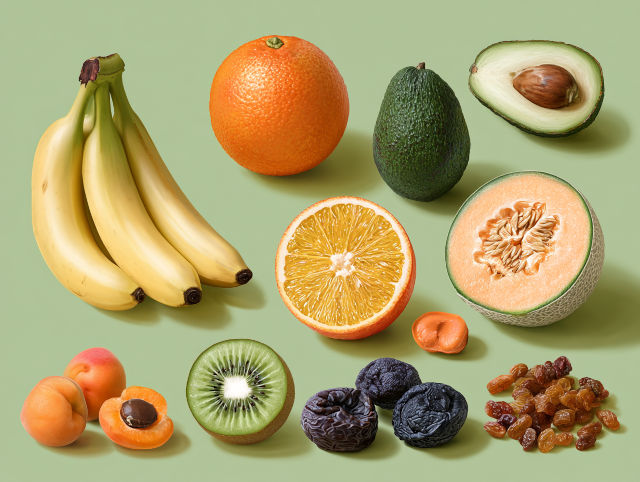
Potassium is naturally abundant in fruits, vegetables, legumes, and dairy products, making dietary improvements an achievable strategy for many people. The authors also note that potassium salts can be used as partial substitutes for sodium in processed foods. However, manufacturers must carefully balance sodium and potassium because excessive potassium salts can produce an undesirable metallic taste, creating practical challenges for food reformulation.
The authors conclude that reducing sodium remains a fundamental strategy for preventing and managing hypertension, but current evidence supports expanding this approach to place equal emphasis on increasing potassium intake. By considering sodium and potassium together rather than separately, healthcare professionals, policymakers, and the food industry may be better positioned to improve blood pressure control and reduce the global burden of cardiovascular disease through more comprehensive dietary recommendations.
More information: Naomi Fukagawa et al, Rethinking the impact of dietary sodium and potassium on blood pressure to advance public health, American Journal of Clinical Nutrition. DOI: 10.1016/j.ajcnut.2026.101396
Journal information: American Journal of Clinical Nutrition Provided by University of Vermont