Monday, 18 May 2026
  • My Feed
  • My Saves
  • History
  • Blog
Living Well Study
  • Blog
  • Ageing Well
  • Brain Health
  • Healthy Diets
  • Physical Wellness
  • Wellness
  • 🔥
  • Wellness
  • older adults
  • Living Well
  • Brain Health
  • dementia
  • public health
  • Ageing Well
  • alzheimer disease
  • physical exercise
  • mental health
Font ResizerAa
Living Well StudyLiving Well Study
  • My Saves
  • My Feed
  • History
Search
  • Pages
    • Home
    • Search Page
  • Personalized
    • Blog
    • My Feed
    • My Saves
    • History
  • Categories
    • Ageing Well
    • Brain Health
    • Healthy Diets
    • Mental Wellness
    • Physical Wellness
    • Wellness
Have an existing account? Sign In
Follow US
© 2022 Foxiz News Network. Ruby Design Company. All Rights Reserved.
Living Well Study > Blog > Healthy Diets > Rapid Impact on Immune System: Transitioning to Vegan or Ketogenic Diets
Healthy Diets

Rapid Impact on Immune System: Transitioning to Vegan or Ketogenic Diets

support
Share
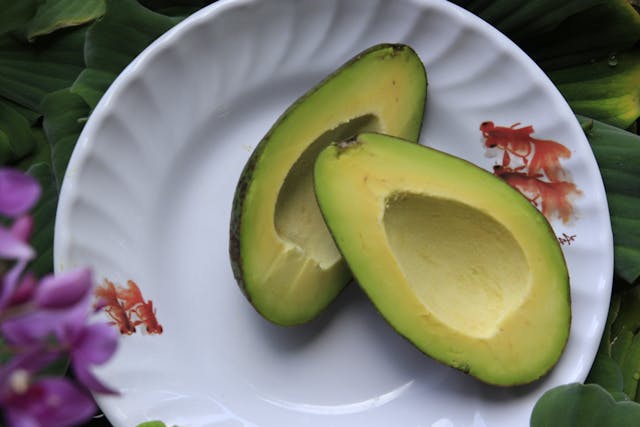
Sliced Avocado Fruits on Round White Ceramic Plate. Photo by Anne: https://www.pexels.com/photo/sliced-avocado-fruits-on-round-white-ceramic-plate-997390/
SHARE

Researchers at the National Institutes of Health have identified rapid and distinct changes in the immune systems of individuals who transitioned to either a vegan or ketogenic (keto) diet. Conducted at the NIH Clinical Center’s Metabolic Clinical Research Unit, the study closely monitored biological responses in participants as they sequentially adopted vegan and keto diets for two-week periods. The findings revealed that the vegan diet stimulated responses associated with innate immunity—our body’s initial non-specific defence against pathogens—while the keto diet triggered responses linked to adaptive immunity, which develops specificity through exposure and vaccination.

In addition to immune responses, the study observed significant metabolic changes and shifts in the participants’ gut microbiomes, the communities of bacteria residing in the digestive tract. These findings underscore the potential impacts of dietary choices on health outcomes, particularly in conditions such as cancer and inflammatory diseases. However, further research is essential to determine whether these observed changes are beneficial or detrimental in the context of nutritional interventions.

Scientific understanding of how diets influence the human immune system and microbiome remains limited, particularly regarding therapeutic nutritional interventions to improve health outcomes. Comparisons between diets are scarce, with the keto diet characterized by low carbohydrate intake and high fat content. In contrast, the vegan diet excludes animal products and is typically high in fibre and low in fat.

The study, conducted by researchers from the NIH’s National Institute of Allergy and Infectious Diseases (NIAID) and National Institute of Diabetes and Digestive and Kidney Diseases (NIDDK), involved 20 diverse participants in terms of ethnicity, race, gender, body mass index (BMI), and age. Each participant consumed ad libitum quantities of one diet (vegan or keto) for two weeks, followed by another for two weeks in a random order. Throughout the study, comprehensive analyses of blood, urine, and stool samples were conducted to assess biochemical, cellular, metabolic, and immune responses and microbiome changes.

Both diets induced notable changes across all participants. The vegan diet prominently affected pathways associated with innate immunity, particularly antiviral responses. Conversely, the keto diet triggered significant increases in biochemical and cellular processes linked to adaptive immunity, including pathways involving T and B cells. Furthermore, the keto diet influenced a broader range of proteins in the blood plasma and tissues compared to the vegan diet. It also impacted amino acid metabolism differently, reflecting this dietary approach’s higher protein content characteristic.

Beyond immune responses, both diets caused shifts in the participants’ gut microbiomes, altering the abundance of bacterial species associated with each diet type. The vegan diet notably influenced pathways related to red blood cells and heme metabolism, possibly due to its higher iron content. These findings highlight the interconnectedness of diet with metabolic and immune pathways, illustrating how dietary changes can impact multiple physiological systems in a relatively short period.

The study’s findings emphasize the rapid and interconnected nature of the body’s response to dietary interventions. Despite the diversity among participants, consistent and significant changes were observed across various physiological pathways. This underscores the potential for tailored dietary interventions to empower individuals to influence disease prevention and complement existing treatments for conditions such as cancer and neurodegenerative disorders.

In conclusion, while the study provides valuable insights into how vegan and keto diets affect immune responses, metabolism, and microbiomes, it also highlights the ongoing need for further research. Understanding the precise mechanisms underlying dietary impacts on health is a collective endeavour that can pave the way for more targeted nutritional strategies to improve overall well-being and manage chronic diseases effectively.

More information: Verena M. Link et al, Differential peripheral immune signatures elicited by vegan versus ketogenic diets in humans, Nature Medicine. DOI: 10.1038/s41591-023-02761-2

Journal information: Nature Medicine Provided by National Institutes of Health / National Institute of Allergy and Infectious Diseases

TAGGED:clinical researchdietsdiscovery researchketovegan
Share This Article
Email Copy Link Print
Previous Article Chilling ‘blood oranges’ could enhance their health benefits – an added perk for consumers
Next Article Vitamin B12’s role in cellular reprogramming and tissue regeneration
Leave a Comment

Leave a Reply Cancel reply

Your email address will not be published. Required fields are marked *

Recent Posts

  • Spending Time Outdoors Linked to Higher Life Satisfaction
  • Exercise Could Play a Key Role in Helping People Stop Smoking
  • The Tiny Cellular Framework Behind Brain Development
  • ‘Forever Chemicals’ Found in Nearly Entire US Study Population, Researchers Report
  • Healthy Hearts May Still Face the Risk of Alzheimer’s Disease

Tags

adolescents adverse effects ageing populations aging populations air pollution alzheimer disease amyloids anxiety artificial intelligence atopic dermatitis behavioral psychology biomarkers blood pressure body mass index brain cancer cancer research cardiology cardiovascular disease cardiovascular disorders caregivers children climate change effects clinical research coffee cognition cognitive development cognitive disorders cognitive function cognitive neuroscience cohort studies COVID-19 dementia depression diabetes diets discovery research disease control disease intervention disease prevention diseases and disorders environmental health epidemiology foods food science gender studies geriatrics gerontology gut microbiota health and medicine health care health care costs health care delivery heart disease heart failure home care human brain human health hypertension inflammation insomnia life expectancy life sciences longitudinal studies memory disorders menopause mental health metabolic disorders metabolism mortality rates neurodegenerative diseases neurological disorders neurology neuroscience nursing homes nutrients nutrition obesity older adults parkinsons disease physical exercise population studies preventive medicine psychiatric disorders psychological science psychological stress public health research impact risk assessment risk factors risk reduction skin sleep sleep apnea sleep disorders social interaction social research socioeconomics type 2 diabetes weight loss
May 2026
S M T W T F S
 12
3456789
10111213141516
17181920212223
24252627282930
31  
« Apr    

This website is for information purpose only and is in no way intended to replace the advice, professional medical care, diagnosis or treatment of a doctor, therapist, dietician or nutritionist.

About | Contact | Cookie Policy | Digital Millennium Copyright Act Notice | Disclaimer | Privacy Policy | Terms of Service

You Might Also Like

Healthy Food

A Delicious and Nutritious Fruit Snack Choice for Health

By support
Healthy Diets

Effects of a Ketogenic Diet on Healthspan and Memory Enhancement in Elderly Mice

By support
Living Well

Time-restricted Feeding Combined with High-Intensity Exercise Could Enhance Health Benefits

By support
Healthy Diets

Consuming More Fruits and Vegetables to Decrease Dietary Acidity Reduces Blood Pressure and Enhances Cardiac and Renal Health in Hypertensive Patients

By support
Living Well Study
Categories
  • Ageing Well
  • Brain Health
  • Healthy Diets
  • Mental Wellness
  • Physical Wellness
  • Wellness
LivingWellStudy
  • About
  • Contact
  • Cookie Policy
  • Digital Millennium Copyright Act Notice
  • Disclaimer
  • Privacy Policy
  • Terms of Service
Welcome Back!

Sign in to your account

Username or Email Address
Password

Lost your password?