Monday, 17 Aug 2026
  • My Feed
  • My Saves
  • History
  • Blog
Living Well Study
  • Blog
  • Ageing Well
  • Brain Health
  • Healthy Diets
  • Physical Wellness
  • Wellness
  • 🔥
  • Wellness
  • older adults
  • Living Well
  • Brain Health
  • dementia
  • public health
  • Ageing Well
  • Health and Medicine
  • ageing populations
  • alzheimer disease
Font ResizerAa
Living Well StudyLiving Well Study
  • My Saves
  • My Feed
  • History
Search
  • Pages
    • Home
    • Search Page
  • Personalized
    • Blog
    • My Feed
    • My Saves
    • History
  • Categories
    • Ageing Well
    • Brain Health
    • Healthy Diets
    • Mental Wellness
    • Physical Wellness
    • Wellness
Have an existing account? Sign In
Follow US
© 2022 Foxiz News Network. Ruby Design Company. All Rights Reserved.
Living Well Study > Blog > Healthy Food > Chilling ‘blood oranges’ could enhance their health benefits – an added perk for consumers
Healthy Food

Chilling ‘blood oranges’ could enhance their health benefits – an added perk for consumers

support
Share
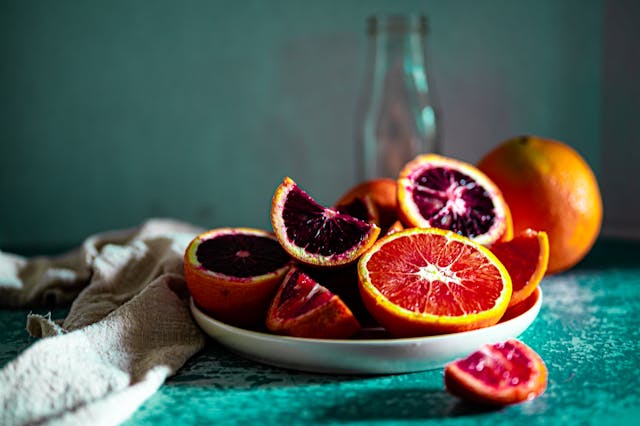
Close-Up Shot of Sliced Blood Oranges on a Plate. Photo by eat kubba: https://www.pexels.com/photo/close-up-shot-of-sliced-blood-oranges-on-a-plate-7167835/
SHARE

Recent research from the University of Florida highlights the potential health benefits of blood oranges, which are rich in anthocyanins and other phytochemicals known for their anti-inflammatory and antioxidant properties. A study led by Ali Sarkhosh, UF/IFAS associate professor of horticultural sciences, and his post-doctoral associate Fariborz Habibi explores how storing blood oranges at cooler temperatures could enhance their nutritional profile and market appeal.

The study suggests maintaining temperatures between 40 to 53 degrees Fahrenheit boosts anthocyanins, phenolic content, and antioxidants in blood oranges. Lowering temperatures to 43 to 46 degrees Fahrenheit preserves fruit firmness, minimises weight loss, and retains sugar content. These findings indicate a potential for improved fruit quality and prolonged shelf life, offering a promising opportunity for the Florida citrus industry.

Despite these benefits, Sarkhosh and Habibi caution that further research is needed to determine the viability of blood oranges as a profitable crop for Florida citrus growers. While blood oranges typically command higher prices than common varieties like navel or Valencia oranges, the study underscores the need to evaluate whether farmers could significantly enhance per-acre income by incorporating them into their crop selection and adopting specialised storage practices.

The Mediterranean climate, conducive to blood orange cultivation, particularly in Italy and Spain, contrasts with Florida’s subtropical conditions. In the United States, blood oranges are primarily grown in California, with limited commercial cultivation in Florida. Anthocyanin development, crucial for the characteristic deep red flesh of blood oranges, requires exposure to specific cold temperatures, typically between 46 and 59 degrees Fahrenheit, for a minimum duration of 20 days – conditions not commonly met in Florida.

While the study offers promising insights into enhancing blood orange quality through controlled storage, its practical application and economic feasibility for Florida growers remain subjects of ongoing investigation. Sarkhosh emphasises that while consumers can encourage internal colour development in fruit stored at home, supermarket offerings should ideally meet quality standards for immediate consumption.

This research underscores the potential health benefits and market advantages of blood oranges, contingent upon further exploration of storage techniques and economic viability within Florida’s citrus industry.

More information: Fariborz Habibi et al, Postharvest storage temperature strategies affect anthocyanin levels, total phenolic content, antioxidant activity, chemical attributes of juice, and physical qualities of blood orange fruit, Food Chemistry Advances. DOI: 10.1016/j.focha.2024.100722

Journal information: Food Chemistry Advances Provided by University of Florida

TAGGED:agricultureanthocyaninsblood orangefood chemistryfood science
Share This Article
Email Copy Link Print
Previous Article Revolutionising Cancer Treatment: Harnessing Targeted Nutrients for Therapeutic Success
Next Article Rapid Impact on Immune System: Transitioning to Vegan or Ketogenic Diets
Leave a Comment

Leave a Reply Cancel reply

Your email address will not be published. Required fields are marked *

Recent Posts

  • Socioeconomic Disadvantage Is Associated with Greater Physical Decline with Age
  • Early Life Adversity Leaves a Lasting Molecular Mark Across the Body
  • Growing Up Gets Easier With Time, New Research Suggests
  • Most Patients with Early Alzheimer’s Disease Seeking Anti-Amyloid Antibody Therapy Fall Short of Brain Health Guidelines
  • Strength in Motion: Muscles May Hold the Key to Protecting the Parkinson’s Brain

Tags

adolescents adverse effects ageing populations aging populations air pollution alzheimer disease amyloids anxiety artificial intelligence atopic dermatitis behavioral psychology biomarkers blood pressure body mass index brain cancer cancer research cardiology cardiovascular disease cardiovascular disorders caregivers children climate change clinical research cognition cognitive development cognitive disorders cognitive function cognitive neuroscience COVID-19 dementia depression diabetes diets discovery research disease control disease intervention disease prevention diseases and disorders environmental health epidemiology foods food science gender studies geriatrics gerontology gut microbiota health and medicine health care health care costs health care delivery heart disease heart failure home care human brain human health hypertension inflammation insomnia life expectancy life sciences longitudinal studies memory disorders menopause mental health metabolic disorders metabolism mortality rates neurodegenerative diseases neurological disorders neurology neuroscience nursing homes nutrients nutrition obesity older adults parkinsons disease physical exercise population studies preventive medicine psychiatric disorders psychological science psychological stress public health research impact risk assessment risk factors risk reduction skin sleep sleep apnea sleep disorders social interaction social research social sciences socioeconomics tobacco type 2 diabetes weight loss
August 2026
S M T W T F S
 1
2345678
9101112131415
16171819202122
23242526272829
3031  
« Jul    

This website is for information purpose only and is in no way intended to replace the advice, professional medical care, diagnosis or treatment of a doctor, therapist, dietician or nutritionist.

About | Contact | Cookie Policy | Digital Millennium Copyright Act Notice | Disclaimer | Privacy Policy | Terms of Service

You Might Also Like

Healthy Food

Boosting Legume Consumption While Cutting Down on Red Meat Safely Maintains Bone Health and Protein Levels

By support
Healthy Food

Consuming Entire Small Fish May Extend Lifespan, According to Japanese Research

By support
Healthy Food

Canadian Sea Buckthorn Berries: A Potential Antioxidant Superfood for Managing Diabetes and Obesity

By support
Healthy Food

Ageing may be slowed by a key chemical found in dark chocolate

By support
Living Well Study
Categories
  • Ageing Well
  • Brain Health
  • Healthy Diets
  • Mental Wellness
  • Physical Wellness
  • Wellness
LivingWellStudy
  • About
  • Contact
  • Cookie Policy
  • Digital Millennium Copyright Act Notice
  • Disclaimer
  • Privacy Policy
  • Terms of Service
Welcome Back!

Sign in to your account

Username or Email Address
Password

Lost your password?