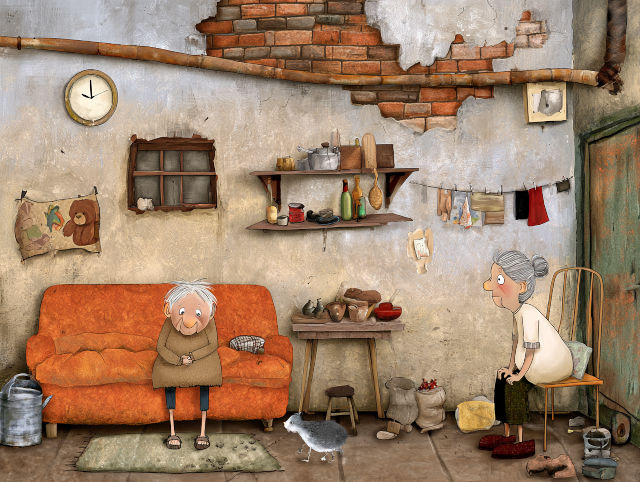
Older adults living in homes with electrical or plumbing problems, limited living space, or poor lighting are significantly more likely to experience falls, according to a new study published August 5, 2026, in PLOS One. The research, led by Javiera Cartagena-Farías of the London School of Economics and Political Science and colleagues, suggests that improving housing conditions could play an important role in preventing falls while reducing healthcare and social care costs.
Falls are one of the leading causes of injury, disability, and loss of independence among older adults. In England, about one in three people aged 65 and older experiences at least one fall each year, often resulting in fractures, hospitalizations, and increased demand for health and social care services. While previous research has focused on medical and lifestyle risk factors, the new study highlights the important contribution of the home environment to fall risk.
The researchers analyzed data from nearly 5,500 adults aged 65 and older who participated in waves 1–10 of the English Longitudinal Study of Ageing (ELSA), spanning 2002 to 2023. Participants reported both housing conditions and whether they had experienced falls. The researchers then examined how specific housing problems were associated with falls and estimated the economic burden linked to these hazards.
The findings showed that electrical or plumbing problems were associated with a 10.8% higher probability of experiencing a fall and were also linked to falls requiring healthcare. Insufficient living space increased the likelihood of falling by 3.3%, while poor lighting was associated with a 9.3% higher probability of falls that required healthcare services. Together, these housing-related risks were estimated to cost England approximately £1.2 billion each year, including £440 million in healthcare expenses and £778 million in formal care costs.
The researchers note that the study has some limitations. Both falls and housing conditions were self-reported, making the findings susceptible to recall bias. In addition, the economic estimates were based on previous research and modelling assumptions rather than direct cost measurements. Even so, the large, nationally representative dataset and long follow-up period provide strong evidence that inadequate housing contributes meaningfully to fall risk among older adults.
The authors conclude that improving housing conditions should be considered an essential component of comprehensive fall-prevention strategies. Addressing hazards such as faulty electrical or plumbing systems, cramped living spaces, and inadequate lighting could help reduce injuries, preserve independence, and lower healthcare expenditures. As the authors note, “Poor housing conditions significantly increase the risk of falls among older people. Associated costs could be avoided. Viewing housing improvements as part of an integrated falls-prevention strategy could yield significant benefits for individuals and for the sustainability of health and care systems.”
More information: Javiera Cartagena-Farías et al, When home is a dangerous place: the cost of falls among older people living in the community, PLOS One. DOI: 10.1371/journal.pone.0353755
Journal information: PLOS One Provided by PLOS