Monday, 10 Aug 2026
  • My Feed
  • My Saves
  • History
  • Blog
Living Well Study
  • Blog
  • Ageing Well
  • Brain Health
  • Healthy Diets
  • Physical Wellness
  • Wellness
  • 🔥
  • Wellness
  • older adults
  • Living Well
  • Brain Health
  • dementia
  • public health
  • Ageing Well
  • Health and Medicine
  • alzheimer disease
  • physical exercise
Font ResizerAa
Living Well StudyLiving Well Study
  • My Saves
  • My Feed
  • History
Search
  • Pages
    • Home
    • Search Page
  • Personalized
    • Blog
    • My Feed
    • My Saves
    • History
  • Categories
    • Ageing Well
    • Brain Health
    • Healthy Diets
    • Mental Wellness
    • Physical Wellness
    • Wellness
Have an existing account? Sign In
Follow US
© 2022 Foxiz News Network. Ruby Design Company. All Rights Reserved.
Living Well Study > Blog > Health and Medicine > Obesity and Ageing May Share Common Biological Pathways
Health and Medicine

Obesity and Ageing May Share Common Biological Pathways

support
Share
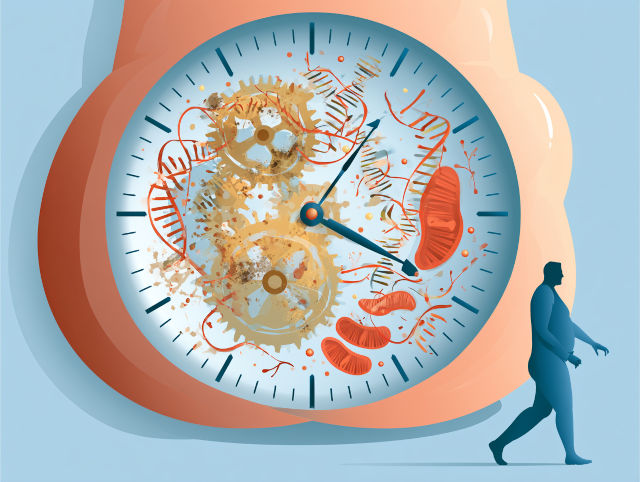
biological clock appear worn and damaged
SHARE

The global rise in obesity alongside rapid population aging has become a major public health concern. Increasing evidence suggests that excess body fat does more than raise the risk of chronic diseases—it may also accelerate the body’s biological aging process. A new review explores the close relationship between obesity and aging, highlighting the shared molecular mechanisms that connect the two and examining whether anti-obesity therapies could help slow aging and reduce the burden of age-related disease.

According to the review, aging is driven by a series of interconnected biological changes, including chronic inflammation, telomere shortening, mitochondrial dysfunction, genomic instability, impaired protein homeostasis, stem cell exhaustion, and disrupted nutrient sensing. Obesity appears to trigger many of these same processes, suggesting that it functions as an accelerator of biological aging rather than simply acting as an independent risk factor for disease.

One of the strongest biological links between obesity and aging is chronic low-grade inflammation. As fat tissue expands, it becomes infiltrated by immune cells that release inflammatory cytokines, creating persistent systemic inflammation. This inflammatory state contributes to insulin resistance, metabolic dysfunction, cardiovascular disease, and tissue damage, while closely resembling the process of “inflammaging”—the chronic, low-level inflammation that develops naturally with age.

Beyond inflammation, the review identifies several additional pathways through which obesity may hasten aging. These include telomere depletion, epigenetic alterations, mitochondrial dysfunction, stem cell exhaustion, genomic instability, protein homeostasis disruption, cellular senescence, and gut microbiome dysbiosis. Together, these interconnected mechanisms suggest that obesity affects many of the same biological systems that gradually decline during normal aging, reinforcing the concept that excess adiposity may speed up age-related deterioration.

The authors also review evidence that weight loss interventions may partially reverse some of these aging-related changes. Lifestyle strategies such as calorie restriction and regular exercise, as well as bariatric surgery, have been associated with improvements in metabolic health and reductions in biological markers linked to aging. These findings suggest that addressing obesity may not only reduce disease risk but also improve the biological processes that influence healthy aging.

The review further highlights the promise of modern anti-obesity medications, including liraglutide, semaglutide, tirzepatide, and orlistat. Beyond promoting weight loss, these therapies may reduce chronic inflammation, improve mitochondrial function, enhance telomerase activity, and limit oxidative stress—mechanisms that could help preserve cellular function and extend healthspan. While further research is needed to confirm their long-term effects on biological aging, the findings suggest that treating obesity may play an important role in promoting healthier aging and reducing the burden of age-related diseases.

More information: Rui Zhang et al, Obesity accelerates aging: Mechanisms and therapeutic implications, Genes & Diseases. DOI: 10.1016/j.gendis.2025.101980

Journal information: Genes & Diseases Provided by Compuscript Ltd

TAGGED:ageinganti-obesity therapiesbiological ageingchronic inflammationobesity
Share This Article
Email Copy Link Print
Previous Article Unsafe Living Environments Elevate Fall Risk for Seniors
Leave a Comment

Leave a Reply Cancel reply

Your email address will not be published. Required fields are marked *

Recent Posts

  • Obesity and Ageing May Share Common Biological Pathways
  • Unsafe Living Environments Elevate Fall Risk for Seniors
  • Optimizing Blood Pressure Control: A New Strategy
  • Study Highlights How Social Inequality Hinders Physical Activity
  • Beyond Connection: The Mental Health Impact of Smartphones on Older Adults

Tags

adolescents adverse effects ageing populations aging populations air pollution alzheimer disease amyloids anxiety artificial intelligence atopic dermatitis behavioral psychology biomarkers blood pressure body mass index brain cancer cancer research cardiology cardiovascular disease cardiovascular disorders caregivers children climate change clinical research cognition cognitive development cognitive disorders cognitive function cognitive neuroscience COVID-19 dementia depression diabetes diets discovery research disease control disease intervention disease prevention diseases and disorders environmental health epidemiology foods food science gender studies geriatrics gerontology gut microbiota health and medicine health care health care costs health care delivery heart disease heart failure home care human brain human health hypertension inflammation insomnia life expectancy life sciences longitudinal studies memory disorders menopause mental health metabolic disorders metabolism mortality rates neurodegenerative diseases neurological disorders neurology neuroscience nursing homes nutrients nutrition obesity older adults parkinsons disease physical exercise population studies preventive medicine psychiatric disorders psychological science psychological stress public health research impact risk assessment risk factors risk reduction skin sleep sleep apnea sleep disorders social interaction social research social sciences socioeconomics tobacco type 2 diabetes weight loss
August 2026
S M T W T F S
 1
2345678
9101112131415
16171819202122
23242526272829
3031  
« Jul    

This website is for information purpose only and is in no way intended to replace the advice, professional medical care, diagnosis or treatment of a doctor, therapist, dietician or nutritionist.

About | Contact | Cookie Policy | Digital Millennium Copyright Act Notice | Disclaimer | Privacy Policy | Terms of Service

You Might Also Like

Health and Medicine

The Tiny Cellular Framework Behind Brain Development

By support
Wellness

Study finds that the risk for dementia varies by ethnicity

By support
Living Well

Weight Loss Surgery Reduces Heart Risks and Mortality in Obese Patients with Sleep Apnea: Cleveland Clinic Study

By support
Living Well

Individuals with an Uncommon Longevity Mutation Might Also Enjoy Cardiovascular Protection

By support
Living Well Study
Categories
  • Ageing Well
  • Brain Health
  • Healthy Diets
  • Mental Wellness
  • Physical Wellness
  • Wellness
LivingWellStudy
  • About
  • Contact
  • Cookie Policy
  • Digital Millennium Copyright Act Notice
  • Disclaimer
  • Privacy Policy
  • Terms of Service
Welcome Back!

Sign in to your account

Username or Email Address
Password

Lost your password?