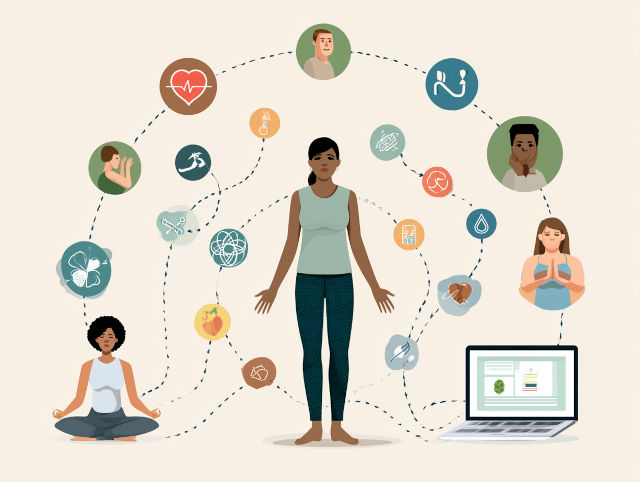
A digital wellness program combining guided movement, breathing and meditation exercises, coping-skills training and health education can reduce symptoms of anxiety and depression in adults living with chronic medical conditions, according to a new study published in PLOS Medicine. The research was led by Dr. Puneeta Tandon of the University of Alberta and colleagues.
More than half of adults with chronic physical conditions experience anxiety, depression or fatigue, which can significantly affect their quality of life. Yet access to effective support can be limited by mobility challenges, geography, cost and shortages of trained clinicians. Researchers say digital programs could provide a more accessible way to help people manage these common symptoms from home.
The researchers conducted a fully remote randomized controlled trial involving 825 adults across 13 countries. Participants had chronic medical conditions including primary biliary cholangitis (PBC), chronic digestive diseases, cirrhosis and heart failure. They were assigned to a waitlist control group, a self-directed digital program called eMPower, or the same program supplemented by weekly telephone check-ins from trained non-clinicians.
Over 12 weeks, eMPower provided participants with guided movement, breathing and meditation exercises, coping strategies and disease education. Participants who received the program with telephone support showed significantly greater improvements in anxiety and depression than those in the control group. They also reported better quality of life and reduced fatigue.
Exploratory analyses found that participants using the self-directed program also experienced significant improvements compared with the control group. Researchers found no significant difference between the self-directed and telephone-supported versions, although the study was not designed to determine whether the two approaches were equally effective. The finding suggests that digital programs may potentially reach more people without requiring individual support for every participant.
“Rather than developing separate digital programs for each condition, a single cross-condition approach with tailoring for disease-specific education is effective in addressing shared symptoms,” the researchers said. Tandon noted that while these strategies do not replace medication or professional mental health care when needed, they can provide people living with chronic illness with practical tools they can use at home.
The fully online design also helped researchers include people who might otherwise face difficulties participating in clinical research. The average participant was 56 years old, nearly one-quarter were over 65, and 84 per cent completed the 12-week follow-up. First author Emily Johnson said the online approach helped reach people experiencing severe fatigue or mobility limitations, those living far from specialist centres and those unable to accommodate additional appointments.
The researchers noted that the study primarily involved women with higher levels of education and followed participants for only 12 weeks, meaning its longer-term effects and applicability to broader populations remain uncertain. However, patient representatives welcomed the results. Gail Wright, President of the Canadian PBC Society, said the program produced meaningful improvements in fatigue and quality of life among people with PBC, highlighting the potential for evidence-based self-management programs to complement medical treatment for chronic conditions.
More information: Emily Johnson et al, Effect of a digital intervention on mental health symptoms in adults with chronic conditions: A three-arm randomized controlled trial, PLOS Medicine. DOI: 10.1371/journal.pmed.1005198
Journal information: PLOS Medicine Provided by PLOS