Sunday, 30 Aug 2026
  • My Feed
  • My Saves
  • History
  • Blog
Living Well Study
  • Blog
  • Ageing Well
  • Brain Health
  • Healthy Diets
  • Physical Wellness
  • Wellness
  • 🔥
  • Wellness
  • older adults
  • Living Well
  • Brain Health
  • dementia
  • public health
  • Ageing Well
  • Health and Medicine
  • ageing populations
  • alzheimer disease
Font ResizerAa
Living Well StudyLiving Well Study
  • My Saves
  • My Feed
  • History
Search
  • Pages
    • Home
    • Search Page
  • Personalized
    • Blog
    • My Feed
    • My Saves
    • History
  • Categories
    • Ageing Well
    • Brain Health
    • Healthy Diets
    • Mental Wellness
    • Physical Wellness
    • Wellness
Have an existing account? Sign In
Follow US
© 2022 Foxiz News Network. Ruby Design Company. All Rights Reserved.
Living Well Study > Blog > Public Health > Connecting People with Nature and Community May Reduce Loneliness
Public Health

Connecting People with Nature and Community May Reduce Loneliness

support
Share
nature-based social prescribing
SHARE

Nature-based social prescribing may help reduce loneliness among adults living in socioeconomically vulnerable urban areas, according to a trial conducted in Barcelona by the European RECETAS consortium. The study found that loneliness declined among participants who received nature-based social prescribing, with those experiencing greater loneliness and poorer emotional wellbeing at the outset gaining more from a facilitated group programme. The findings suggest that support may be more effective when tailored to individual needs.

Loneliness is increasingly recognised as a significant public health concern because of its effects on physical and mental wellbeing. In Spain, about 20% of the population reports experiencing loneliness, while an estimated 100,000 people in Barcelona are affected. Social prescribing aims to address social and emotional needs by connecting people with activities and resources in their communities. Nature-based social prescribing extends this approach by encouraging participation in activities in parks, gardens and other natural spaces.

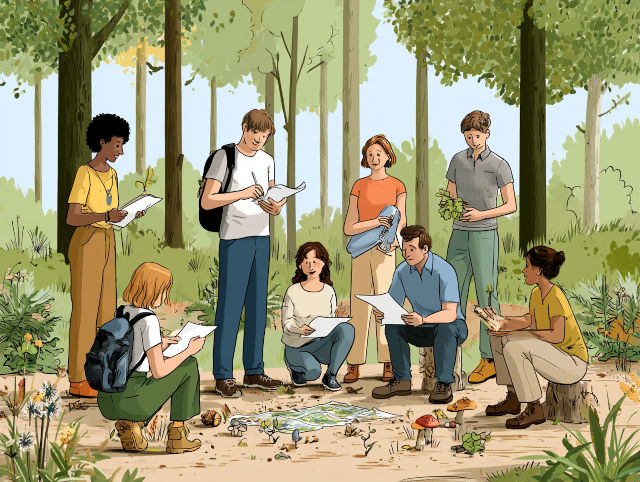
The EU-funded RECETAS project tested an intervention called Friends in Nature (FiN), which combines nature experiences with peer support and facilitated group activities. The programme aims to create opportunities for social connection while helping participants engage with their local natural environment and community.

Researchers recruited 320 adults experiencing loneliness from 12 socioeconomically vulnerable neighbourhoods in the Barcelona metropolitan area. Participants had a median age of about 63 years, and 80% were women. Half participated in FiN, attending two-hour weekly small-group sessions for nine weeks with trained facilitators. Activities included visits to parks, gardens, riverways, coastal areas and cultural heritage sites, alongside group discussions and peer support.

The other half received a 30-minute motivational interview and information about nature-based activities available in their neighbourhoods, which they could pursue independently. Across all participants, loneliness decreased by an average of 10.5% after three months and by 16.8% after one year. However, researchers found no significant difference in loneliness between the two groups after three months and no significant changes in health-related quality of life.

Further analysis showed that participants’ circumstances at the beginning of the study influenced how much they benefited from the different approaches. Those experiencing greater loneliness and poorer emotional wellbeing gained more from the facilitated FiN groups. Participants with lower levels of loneliness and better emotional wellbeing experienced comparable improvements from the lighter approach involving an interview and information about local activities.

The findings suggest that a single approach may not work equally well for everyone. People facing greater social and emotional difficulties may benefit from structured peer support, group activities and trained facilitators. In contrast, others may need only assistance identifying opportunities to connect with nature and their communities. The Barcelona findings also differed from a RECETAS trial in Helsinki involving frail older adults in assisted-living facilities, where FiN produced greater reductions in loneliness and improvements in several aspects of health-related quality of life.

Researchers noted that the Barcelona study included mostly women and had a median participant age of around 63, which may limit how broadly the results apply to younger adults and men. Nevertheless, the findings highlight the potential of nature-based social prescribing to strengthen social health in urban communities. By bringing people together through shared experiences in natural spaces, these programmes may help people develop relationships, participate more actively in their communities and strengthen feelings of belonging, purpose and connection.

More information: Laura Coll-Planas et al, Effectiveness of a nature-based social prescribing intervention on loneliness and health-related quality of life among vulnerable urban adults (RECETAS-BCN): an observer-blinded randomised controlled trial, The Lancet Regional Health – Europe. DOI: 10.1016/j.lanepe.2026.101821

Journal information: The Lancet Regional Health – Europe Provided by Barcelona Institute for Global Health (ISGlobal)

TAGGED:emotional wellbeinglonelinessmental wellbeingnature-based social prescribingsocial connectionsocial isolationsocial prescribing
Share This Article
Email Copy Link Print
Previous Article New Mothers May Need Time Before Feeling Ready to Care for Their Baby
Leave a Comment

Leave a Reply Cancel reply

Your email address will not be published. Required fields are marked *

Recent Posts

  • Connecting People with Nature and Community May Reduce Loneliness
  • New Mothers May Need Time Before Feeling Ready to Care for Their Baby
  • Longer Gaps Between Meals Linked to Faster Disease Accumulation in Older Adults
  • Digital Wellness Program Supports Better Mental Health for Adults with Chronic Conditions
  • Why We Remember Differently as We Get Older

Tags

adolescents adverse effects ageing populations aging populations air pollution alzheimer disease amyloids anxiety artificial intelligence atopic dermatitis behavioral psychology biomarkers blood pressure body mass index brain cancer cancer research cardiology cardiovascular disease cardiovascular disorders caregivers children climate change clinical research cognition cognitive development cognitive disorders cognitive function cognitive neuroscience COVID-19 dementia depression diabetes diets discovery research disease control disease intervention disease prevention diseases and disorders environmental health epidemiology foods food science gender studies geriatrics gerontology gut microbiota health and medicine health care health care costs health care delivery heart disease heart failure home care human brain human health hypertension inflammation insomnia life expectancy life sciences longitudinal studies memory memory disorders menopause mental health metabolic disorders metabolism mortality rates neurodegenerative diseases neurological disorders neurology neuroscience nursing homes nutrients nutrition obesity older adults parkinsons disease physical exercise population studies preventive medicine psychiatric disorders psychological science psychological stress public health research impact risk assessment risk factors risk reduction skin sleep sleep apnea sleep disorders social research social sciences socioeconomics tobacco type 2 diabetes weight loss
August 2026
S M T W T F S
 1
2345678
9101112131415
16171819202122
23242526272829
3031  
« Jul    

This website is for information purpose only and is in no way intended to replace the advice, professional medical care, diagnosis or treatment of a doctor, therapist, dietician or nutritionist.

About | Contact | Cookie Policy | Digital Millennium Copyright Act Notice | Disclaimer | Privacy Policy | Terms of Service

You Might Also Like

Public Health

Global Study Finds Longer Survival Among People Diagnosed with Dementia

By support
Public Health

Cumulative Exposure to Wildfire Smoke May Gradually Elevate Heart Failure Risk

By support
Public Health

Socioeconomic Disadvantage Is Associated with Greater Physical Decline with Age

By support
Mental Wellness

Phone-Based Psychological Support Proven Effective Against Loneliness and Depression, Major Study Finds

By support
Living Well Study
Categories
  • Ageing Well
  • Brain Health
  • Healthy Diets
  • Mental Wellness
  • Physical Wellness
  • Wellness
LivingWellStudy
  • About
  • Contact
  • Cookie Policy
  • Digital Millennium Copyright Act Notice
  • Disclaimer
  • Privacy Policy
  • Terms of Service
Welcome Back!

Sign in to your account

Username or Email Address
Password

Lost your password?