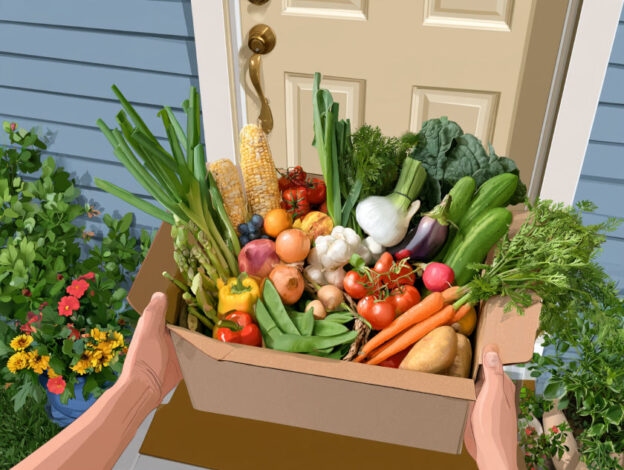
Getting fresh fruits and vegetables into the hands of older adults struggling with food insecurity may be as simple as bringing groceries straight to their doorsteps. A new study from the University at Buffalo found that home delivery dramatically increased participation in food prescription programmes, suggesting that convenience and accessibility could make a significant difference in helping vulnerable populations eat more healthily.
Food prescription programmes provide free fruits, vegetables and other nutritious foods to people who struggle to afford them. However, traditional programmes often rely on vouchers that recipients must redeem at designated markets. Previous research has shown that only 9% to 18% of recipients use these vouchers, raising concerns about how effectively such initiatives reach those who need them.
Published in Frontiers in Public Health, the study examined whether delivering fresh produce directly to participants’ homes could overcome these barriers. Researchers recruited 67 adults aged over 65 who had experienced food insecurity from primary care clinics at Erie County Medical Center in Buffalo, New York.
During the 12-week trial, participants were randomly assigned to three groups. One received weekly boxes of fresh produce delivered by local company FreshFix, with the option to customise their selections. Another received meal kits containing vegetables and ingredients for preparing three meals, while the third received vouchers redeemable at participating mobile food markets.
The results were striking. Participants receiving home deliveries achieved a redemption rate of 89.2%, compared with just 28.3% among those using market vouchers. For the delivery groups, redemption meant preparing and consuming the produce, demonstrating how removing practical obstacles could substantially increase programme participation.
According to Lucia A. Leone, associate professor of community health and health behaviour at the University at Buffalo and the study’s corresponding author, transportation difficulties and social stigma can discourage people from redeeming vouchers. Some participating markets operate through food pantries, where recipients may feel uncomfortable being seen seeking assistance.
Interestingly, providing meal kits did not increase produce consumption compared with delivering fresh vegetables alone. Researchers suggested that older participants were already familiar with preparing vegetables and did not necessarily need cooking guidance. However, the additional food provided through meal kits helped improve food security.
Participants also expressed strong satisfaction with the delivery services, giving both programmes ratings exceeding nine out of ten. Researchers highlighted the importance of personal connections, particularly the friendly and consistent service provided by FreshFix delivery driver Charles Humphrey. Such relationships, Leone explained, can strengthen trust and encourage continued participation.
The study suggests that making home delivery the default, while allowing participants to customise their orders, could help food prescription programmes reach more people. Although larger initiatives may face challenges offering personalised services, the findings highlight the potential of flexible, accessible food assistance to improve nutrition and reduce food insecurity among older adults.
More information: Lucia Leone et al, A randomized controlled study comparing three food prescription programs for older adults: program design, implementation, and utilization, Frontiers in Public Health. DOI: 10.3389/fpubh.2026.1855988
Journal information: Frontiers in Public Health Provided by University at Buffalo