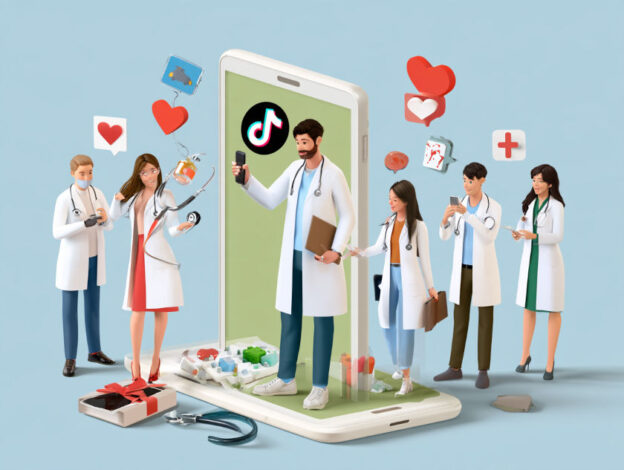
For many young adults, medical advice is increasingly coming not from a doctor’s office but from a smartphone screen. On TikTok, physicians sharing health tips, personal stories and product recommendations are attracting devoted followers who may trust them more than their own healthcare providers, according to new research from Virginia Commonwealth University (VCU).
The study, published in the Journal of Consumer Affairs, found that Generation Z followers often regard TikTok physicians as more approachable, trustworthy and genuinely concerned about their well-being than their personal doctors. Surprisingly, this confidence persists even when influencers promote commercial products or followers have never verified their medical qualifications.
“Young consumers are usually very literate when it comes to social media influencers and commercial intent. But when you have a physician on TikTok, that becomes something different,” said Suzanne Makarem, an associate professor of marketing at VCU’s School of Business and co-author of the study.
Researchers examined 330 TikTok videos from 11 prominent, licensed American physicians and interviewed 26 Gen Z users who regularly followed medical influencers. The findings revealed how social media can transform perceptions of medical authority, particularly among a generation that increasingly relies on digital platforms for health information.
Appearances played a surprisingly important role. Doctors wearing white coats, scrubs or stethoscopes appeared credible to followers, even when discussing everyday activities rather than medicine. Many participants admitted they had never checked whether the influencers were qualified physicians, assuming their professional clothing and surroundings were sufficient proof.
Personal glimpses into doctors’ lives also strengthened their appeal. Videos showing physicians exercising, preparing meals or using their own recommended products created an impression of authenticity. Even when followers recognised that influencers were earning money through endorsements, they often interpreted their activities as an effort to help others rather than pursue profits.
Positive comments from other viewers further reinforced that trust. Testimonials describing life-changing results made medical influencers appear especially effective and compassionate. Researchers found that followers frequently acted on recommendations, purchasing advertised products and adopting suggested health practices.
By contrast, some participants described their own doctors as difficult to access, expensive or uninterested in preventive care. They complained about appointment costs and confusing medical explanations, while viewing TikTok physicians as generous professionals offering understandable advice without demanding payment. Makarem calls this the “mere social media presence effect”, warning that online recommendations may carry greater influence than advice from a patient’s own doctor.
The findings highlight the need for stronger health literacy, particularly around verifying medical credentials and recognising commercial interests. Makarem also believes more qualified healthcare professionals should consider engaging with social media. Despite concerns about legal liability, platforms such as TikTok offer opportunities to reach younger audiences, communicate reliable health information and build trust beyond traditional medical settings.
More information: Suzanne Makarem et al, When Doctors Become Influencers: How Social Media Presence Disarms Persuasion Knowledge and Shapes Consumer Behaviors, Journal of Consumer Affairs. DOI: 10.1111/joca.70078
Journal information: Journal of Consumer Affairs Provided by Virginia Commonwealth University