Author Archives: support

Experts caution against the excessive medical treatment of menopause and advocate for a fresh perspective on how society perceives menopause and assists women during the ageing process

The Lancet has published a groundbreaking four-paper series proposing a holistic approach to menopause management that extends beyond mere medical interventions. This new strategy emphasizes empowering women through comprehensive education on symptoms and treatment options, empathetic clinical care, and necessary adjustments in the workplace. Professor Martha Hickey of the University of Melbourne and Royal Women’s Hospital highlights the need to dispel the notion that menopause invariably signals a downturn in physical and mental health. Instead, she advocates for a societal shift in perception, viewing menopause as a natural aspect of healthy ageing, encouraging a more positive and less fearful approach to this life stage.

Professor Hickey stresses the importance of personalizing menopause management and advocating for informed choices through unbiased, accurate information. That includes discussions on menopause hormone therapy (MHT) for managing symptoms like hot flushes and night sweats, alongside considering non-medical treatments such as cognitive behavioural therapy for psychological support.

The series also addresses the cultural silence around menopause, noting a burgeoning discourse in countries like the UK, the USA, and Australia. However, it cautions against media portrayals that focus excessively on the negative aspects of menopause, advocating instead for a balanced view that acknowledges the diversity of women’s experiences. Dr Lydia Brown from the University of Melbourne points out the absence of conclusive evidence linking menopause with deteriorated mental health, challenging prevalent misconceptions.

Healthcare professionals, researchers, and society at large are called upon to support women through menopause by providing validated information and discussing all available treatment options. That includes both MHT and non-hormonal therapies, with an emphasis on informed choice. The series critiques the commercial influence on menopause treatment information, advocating for accessible, evidence-based resources without commercial bias.

Moreover, the necessity of workplace support for menopausal women is highlighted, acknowledging the stress and challenges faced by women in the 45-54 age group. The series calls for research into women’s priorities concerning menopause and advocates for patient-focused agendas.

The Lancet series champions a paradigm shift in menopause management, advocating for a comprehensive, informed, and empathetic approach. It calls for societal, workplace, and healthcare sector reforms to support women in navigating menopause as a natural part of life. The series aims to empower women with knowledge, choice, and support throughout this transition.

More information: Martha Hickey et al, An empowerment model for managing menopause, The Lancet. DOI: 10.1016/S0140-6736(23)02799-X

Journal information: The Lancet

Optimal quality in non-profit residential care homes for the older adults

Research conducted by the University of Gothenburg has highlighted that Sweden’s top-performing long-term residential care homes for older adults, which are not managed by municipal authorities, are predominantly operated by non-profit organisations. The debate surrounding the privatisation of Swedish welfare, particularly about elderly care, has been ongoing for years. Presently, around 20 per cent of all residential care homes in Sweden are operated by entities other than municipal bodies. Recent studies show a notable variance in the quality of care these entities provide to the elderly population.

The study reveals that non-profit organisations deliver the highest quality of care in residential facilities. On the other hand, the quality of care is found to be lowest in homes managed by publicly listed companies and private equity firms. The residential care homes operated by private limited liability companies are occupying the middle ground in terms of care quality. Rasmus Broms, a political scientist, along with his colleagues Carl Dahlström and Marina Nistotskaya, explored the impact of operational models on the quality of care in non-municipal residential care homes across Sweden. Their research compared the performance across four types of operational models: non-profit organisations, private limited companies, publicly traded companies, and private equity firms. The parameters for their comparison included staff-to-resident ratios, nurse availability, staff educational qualifications, resident satisfaction, and the frequency of updates to the homes’ action plans. Their analysis covered 2,639 non-municipal nursing homes from 2012 to 2019.

The research’s findings indicate that non-profit entities, often driven by ideological motives, consistently offer the highest quality of care for the elderly in Sweden, primarily because they reinvest any financial surpluses back into their services rather than distributing profits.

“These homes showcase the highest ratios of staff to residents, a greater number of nurses, the most qualified caregiving staff in terms of educational background, and the highest levels of resident satisfaction,” the research notes.

Private companies were observed to offer superior care quality among the for-profit care providers. These homes stand out for their high staff-to-resident ratios and generally more educated staff, unlike those operated by publicly traded or private equity-owned companies.

Broms elaborates, “While our study did not delve deeply into municipally operated facilities, we found that the quality of municipal residential care homes typically falls between those operated by non-profits and private companies. Our analysis underscores that non-municipal entities are capable of providing high-quality welfare services, although the quality significantly varies. This variation is an important consideration for municipalities when outsourcing the operation of these homes.”

More information: Rasmus Broms, Carl Dahlström et al, Provider Ownership and Indicators of Service Quality: Evidence from Swedish Residential Care Homes, Journal of Public Administration Research and Theory. DOI: 10.1093/jopart/muad002

Journal information: Journal of Public Administration Research and Theory Provided by University of Gothenburg

Premature retirement affects the psychological well-being of blue-collar women more significantly than that of their white-collar colleagues

Retirement represents a significant life shift that profoundly influences an individual’s existence. For a portion of the population, it conjures images of a slower pace of life, relaxation, and the opportunity to savour life’s pleasures more fully. Conversely, for others, the cessation of a routine work schedule can usher in stress and uncertainties, particularly concerning financial stability and the ability to cover essential expenses and secure sufficient healthcare.

A groundbreaking study conducted by the Yale School of Public Health sheds light on the impact of retirement on mental health and the consequent need for inpatient mental health care among female workers in China. This study takes advantage of China’s unique retirement age policy and the comprehensive national available inpatient medical claims data.

This investigation focuses on the disparities between women employed in physically demanding blue-collar roles, such as those in factories and trades, and those in white-collar positions involving office management and similar tasks.

China’s retirement system is distinguished by its occupation-specific mandatory retirement age for women. Those in blue-collar professions must retire at 50, while their white-collar counterparts continue working until they are 55.

The study meticulously analyzed hospital records from periods immediately before and after these designated retirement ages. It found that among blue-collar workers, the incidence of hospital admissions for mental health issues, including anxiety, depression, and stress-related disorders, surged post-retirement at 50. This pattern was not observed in white-collar female workers who retired at 55.

Moreover, the research highlighted that after retirement, blue-collar female retirees were more likely to seek emergency room (ER) assistance for mental health emergencies, noting a 16.6% uptick in ER visits for severe mental health conditions. No analogous increase was observed among the retired white-collar demographic.

The study’s findings advocate for proactive support tailored to at-risk blue-collar women to facilitate a smoother transition from work to retirement by enhancing their mental preparedness. Tianyu Wang, a co-lead author of the study, and Xi Chen, an associate professor of public health at Yale and a senior author, suggest that the deterioration in mental health among blue-collar women post-retirement could be attributed to the psychological and financial impact of job loss, compounded by their generally lower incomes and lesser capacity to adapt to significant life alterations.

These observations underscore how China’s retirement policies affect female workers differently based on their job types. The researchers call for further studies to identify optimal retirement ages and explore more adaptable retirement plans, especially as the population ages.

Given China’s status as home to the world’s most significant and most rapidly expanding elderly population, the study points to increasing economic challenges within the pension and healthcare systems, as highlighted by Ruochen Sun, a co-lead author. The current job-based retirement age policy, rooted in the 1950s when life expectancy was much lower, now sees around 20 million new retirees yearly, contributing to the country’s economic and social pressures.

The study focuses on the health outcomes of early retirement among female workers, leaving male workers—who retire at 60—unexamined. It emphasizes the necessity of integrating mental health considerations into retirement planning. According to Jody L. Sindelar, a co-senior author, enhancing the wages and benefits for low-income, blue-collar female workers and aiding them in better preparing for retirement could mitigate some challenges China faces in caring for its ageing population.

Though the research is specific to China, its findings offer valuable insights for policymakers worldwide, particularly in nations grappling with similar demographic shifts and concerns over retirees’ financial and social well-being.

More information: Tianyu Wang, Ruochen Sun, Jody L. Sindelar, Xi Chen. Occupational differences in the effects of retirement on hospitalizations for mental illness among female workers: Evidence from administrative data in China, Economics & Human Biology. DOI: 10.1016/j.ehb.2024.101367

Journal information: Economics & Human Biology Provided by Yale University

Why scratching intensifies itching

It seems that the age-old wisdom imparted by mothers across the globe holds a scientific truth: Scratching an itch exacerbates the sensation. This intriguing revelation comes from research conducted by a team at the Washington University School of Medicine in St. Louis. Their studies have unearthed that scratching prompts the brain to release serotonin, a neurotransmitter that, paradoxically, heightens the feeling of itchiness.

This groundbreaking research, primarily conducted on mice and published in the prestigious journal Neuron, sheds light on a vicious cycle of itching and scratching that is believed to be similar in humans. It offers fresh insights that could pave the way for novel interventions, particularly for individuals plagued by chronic itching.

For many years, scientists have understood that scratching induces a slight pain that can momentarily divert attention from itching by prompting nerve cells in the spinal cord to transmit pain signals to the brain rather than itch signals. Zhou-Feng Chen, PhD, the study’s senior investigator and director of Washington University’s Center for the Study of Itch, elaborates on the issue. According to Chen, when the brain receives these pain signals, it produces serotonin to mitigate the pain. However, serotonin can inadvertently switch pathways, migrating from pain-sensing neurons to those influencing the intensity of the itch.

Serotonin’s role in pain management has been acknowledged for decades, but its connection to itching has only recently been established through this research. The study involved breeding a strain of mice lacking the ability to produce serotonin. When these genetically engineered mice were exposed to substances that induce itching, they exhibited significantly less scratching than their regular counterparts. Intriguingly, reintroducing serotonin to these modified mice restored their tendency to scratch in response to itch-inducing compounds.

Chen’s insights reveal that although itch and pain signals are transmitted through distinct but interrelated neural pathways, scratching’s temporary relief through minor pain can worsen itching due to the body’s response to pain signals.

Despite the temptation to target serotonin to mitigate itching, Chen cautions against this approach due to serotonin’s vital roles in various bodily functions, including growth, ageing, bone metabolism, and mood regulation. Blocking serotonin outright could have widespread adverse effects, given its importance in natural pain control and its use in treating depression through medications like Prozac, Zoloft, and Paxil.

Instead, the research suggests a more targeted strategy might be feasible, focusing on disrupting the interaction between serotonin and specific nerve cells in the spinal cord responsible for transmitting itch signals, known as GRPR neurons. The team identified the receptor through which serotonin activates these neurons, 5HT1A. By blocking this receptor, they significantly reduced scratching in mice.

Chen’s research unravels the complexities of the itch-pain cycle and reinforces the sage advice to avoid scratching. As the team delves deeper into understanding the molecular and cellular mechanisms underlying this cycle, the simple counsel to resist the urge to scratch gains scientific faith, echoing the wisdom passed down through generations.

More information: Zhou-Feng Chen et al, Descending Control of Itch Transmission by the Serotonergic System via 5-HT1A-Facilitated GRP-GRPR Signaling, Neuron. DOI: 10.1016/j.neuron.2014.10.003

Journal information: Neuron Provided by Washington University School of Medicine

Residing in verdant areas may enhance bone density and reduce the risk of osteoporosis

Research published in the Annals of Rheumatic Diseases has uncovered that residing near gardens, parks, and other green spaces may positively affect bone density, subsequently reducing the risk of osteoporosis. A noteworthy aspect of this discovery is the role of lower air pollution levels in these green areas in fostering better bone health, according to the researchers’ conclusions.

Osteoporosis is a condition that compromises bone strength, making them more susceptible to fractures. It is a condition that not only leads to chronic pain and reduced mobility but also significantly lowers the quality of life for those affected. With the world’s population ageing rapidly and lifestyle changes occurring, the prevalence of osteoporosis is expected to escalate, making it a pressing health concern globally. The condition arises due to genetic, hormonal, and environmental factors. Although the benefits of green spaces on overall health have been acknowledged, their specific impact on osteoporosis risk remains unclear, particularly concerning genetic susceptibility.

To delve deeper into this issue, an extensive analysis was conducted using data from the UK Biobank, encompassing 391,298 individuals with an average age of 56, just over half of whom were women. This data included detailed records on bone mineral density and factors that could influence these measurements, such as ethnicity, income, education, employment, residential area, alcohol intake, physical activity, smoking status, and diet. Additionally, the study assessed the participants’ genetic risk of osteoporosis through a polygenic risk score. It utilized the normalized difference vegetation index (NDVI), derived from satellite imagery, to quantify the greenery in their living areas. Estimates of exposure to air pollutants like nitrogen oxide (NO2) and particulate matter (PM2.5) were also made based on residential postcodes and data from the ESCAPE project, which examines the long-term health impacts of air pollution exposure in Europe.

Over an average follow-up period of 12 years, 9,307 new cases of osteoporosis were identified, predominantly among older individuals, females, smokers, and those who were retired, with lower education levels and economic disadvantages. However, a clear link was observed between the presence of green space and a reduction in new osteoporosis cases. For each increase in NDVI, indicating more green space, there was a noticeable increase in bone mineral density and a 5% decrease in the risk of developing osteoporosis. The study highlighted that lower levels of NO2 and PM2.5 were significant factors in this association, suggesting that the natural filtration provided by trees and plants might play a crucial role in reducing osteoporosis risk by purging pollutants from the air.

Moreover, being physically active, facilitated by living in greener areas, was associated with a diminished risk of developing osteoporosis. Despite the observational nature of this study, which precludes establishing a direct cause-and-effect relationship, and acknowledging limitations such as the potential inaccuracies in defining the exact amount of green space through NDVI and the generally healthy profile of the study participants, the researchers concluded that this is the first evidence indicating a beneficial link between residential greenness, higher bone density, and a lower risk of osteoporosis. These findings highlight the potential of green spaces in preventing osteoporosis and underscore the importance of urban greening in devising effective prevention strategies.

More information: Tingting Tan et al, Associations of residential greenness with bone mineral density and osteoporosis: the modifying effect of genetic susceptibility, Annals of the Rheumatic Diseases. DOI: 10.1136/ard-2023-224941

Journal information: Annals of the Rheumatic Diseases Provided by BMJ

Investigations reveal that tai chi excels over standard exercises in boosting seniors’ mobility and stability

Despite the recognised advantages of tai chi for enhancing functional mobility and balance in older adults, the breadth of these benefits has been obscured by the considerable variability in the methodologies and findings of existing research. However, a recent comprehensive review and meta-analysis of the literature confirms that tai chi offers significant improvements in these areas for relatively healthy older adults, surpassing the outcomes associated with traditional exercises.

This analysis delved into 12 studies involving 2,901 participants, uncovering evidence of tai chi’s efficacy. Notably, compared to standard exercise regimens, tai chi participants demonstrated superior performance in several key metrics:

– They completed a 50-foot walk an average of 1.84 seconds quicker.

– Their ability to maintain a one-leg stance was extended by 6 seconds with open eyes and by 1.65 seconds with closed eyes.

– Performance in the timed-up-and-go test, which assesses speed in standing, walking, and sitting, improved by 0.18 points.

– Significant advancements were observed in the functional reach test, with a standardised mean difference of 0.7, underscoring an enhanced capacity for reaching and conducting daily tasks.

Further insights from secondary analyses indicated that tai chi programs of relatively short duration (less than 20 weeks) and low total engagement time (up to 24 hours), particularly those centred on the Yang style, were incredibly influential in fostering better mobility and balance when compared to conventional exercises.

Brad Manor, PhD, the director of the Mobility and Falls Program at Hebrew SeniorLife’s Hinda and Arthur Marcus Institute for Aging Research, along with associate professor of medicine at Harvard Medical School and Beth Israel Deaconess Medical Center, and Junhong Zhou, PhD, assistant scientist II at the same institute and assistant professor of medicine at Harvard Medical School and Beth Israel Deaconess Medical Center, expressed their enthusiasm about the findings. They highlighted the compelling evidence from the review and meta-analysis for tai chi as a more effective method to enhance functional mobility and balance in relatively healthy older adults than traditional exercises.

Bao Dapeng, a professor at Beijing Sport University, emphasised the implications of this research for the design of future rehabilitative programs targeting balance and mobility improvement in older adults. He suggested that tai chi warrants serious consideration as a component of these initiatives.

The researchers associated with this study hail from prestigious institutions, including the Hebrew SeniorLife Hinda and Arthur Marcus Institute for Aging Research, Harvard Medical School, the School of Sports Medicine and Physical Therapy at Beijing Sport University, the Sports Coaching College at Beijing Sport University, the College of Physical Education and Health Science at Chongqing Normal University, and the China Institute of Sport and Health Science at Beijing Sport University, adding considerable weight to their conclusions.

More information: Brad Manor et al, The comparison between effects of Taichi and conventional exercise on functional mobility and balance in healthy older adults: a systematic literature review and meta-analysis, Frontiers. DOI: 10.3389/fpubh.2023.1281144

Journal information: Frontiers Provided by Hebrew SeniorLife and Hinda and Arthur Marcus Institute For Aging Research

According to the brain, not all itches are the same

Itch is a protective mechanism in animals, helping to ward off parasites that might introduce harmful pathogens into the body. For instance, when a mosquito lands on someone’s arm, the immediate reaction to its touch is to scratch the area to dislodge it. This type of itch, triggered by physical contact like that of a crawling insect, is referred to as “mechanical” itch. It contrasts with “chemical” itch, which can be caused by irritants such as mosquito saliva upon biting. Despite leading to the same scratching response, recent research conducted by scientists at the Salk Institute has uncovered that a specific brain pathway in mice is responsible for the sensation of mechanical itch. At the same time, another path is responsible for chemical itch sensations.

The study, published in Neuron on April 5, 2023, highlights that a select group of neurons transmit mechanical itch information from the spinal cord to the brain, pinpointing the neuropeptide signals involved in managing both itch types. Martyn Goulding, a co-corresponding author of the study and holder of the Frederick W. and Joanna J. Mitchell Chair, emphasized the significance of understanding how the brain encodes these two itch forms. He noted the potential for these insights to pave the way for new treatments for chronic itch conditions, such as eczema and psoriasis.

This breakthrough builds upon Goulding’s previous research that identified the spinal cord neurons responsible for mechanical, but not chemical, itch. Collaborating with co-corresponding author Sung Han, who discovered a brain region acting as an alert centre for various threats, the team focused on neurons linked to mechanical itch communication to this centre.

With genetic techniques alongside innovative wearable microscopes, the researchers could observe itch-induced neuron activity in mice. They discovered that turning off an inhibitory itch pathway could trigger a mechanical itch response. Observations of different responses in the brainstem to mechanical and chemical itches enabled the researchers to distinguish between the two itch pathways and identify critical molecules regulating them.

Han pointed out the interplay between these pathways in perpetuating chronic itch, suggesting a combined approach might offer new treatment solutions. The research team is now looking to explore where these pathways intersect in the brain and how the brain decides whether to respond to an itch. They are also interested in distinguishing between pain and itch signals at the spinal cord and brainstem levels.

With chronic itch becoming more prevalent with age, the team aims to delve deeper into the changes in neural circuits responsible for itch transmission as we age. Goulding expressed hope that their findings could contribute to developing effective treatments for chronic itch, a currently challenging to manage.

The study also involved contributions from Xiangyu Ren, Shijia Liu, Amandine Virlogeux, Sukjae J. Kang, Jeremy Brusch, and David Acton of Salk, alongside Yuanyuan Liu from the National Institutes of Health, and Susan M. Dymecki from Harvard Medical School.

More information: Xiangyu Ren et al, Identification of an essential spinoparabrachial pathway for mechanical itch, Neuron. DOI: 10.1016/j.neuron.2023.03.013

Journal information: Neuron Provided by Salk Institute

Numerous patients with type 2 diabetes are missing vital information that could potentially save their lives regarding their condition

Type 2 diabetes (T2D), a widespread chronic condition, stems from the body’s inadequate insulin production or utilization. This affliction touches the lives of hundreds of millions globally, making effective disease management essential to sidestep severe long-term repercussions such as heart disease or the necessity for limb amputation. Individuals afflicted with T2D must thoroughly understand how to manage their condition daily.

In Portugal, a group of researchers embarked on a study to ascertain the level of crucial knowledge among T2D patients, whether they were receiving insulin treatment or not. Their research, disseminated in the journal Frontiers in Public Health, aimed to diminish the knowledge disparity among diabetic patients concerning their illness, according to Prof Pedro Lopes Ferreira, the study’s lead author and the director of the University of Coimbra’s Center for Health Studies and Research. Prof Ferreira highlighted the study’s intent to enhance diabetic patients’ understanding of their condition.

The investigation revealed a wide disparity in patients’ knowledge about diabetes. Utilizing a specially designed test for individuals with type 1 or type 2 diabetes, the researchers evaluated knowledge across various domains, including nutrition, symptom recognition, and medication management. The study involved 1,200 people living with diabetes, nearly 40% of whom were undergoing insulin therapy. The remainder of the participants followed specific dietary plans, with some taking non-insulin oral diabetic medications or relying solely on nutritional adjustments.

Findings indicated a substantial portion of participants (71.3%) accurately answered questions related to nutrition, and a vast majority were aware of the benefits of physical activity. Furthermore, over three-quarters of the respondents knew the optimal method for blood sugar testing.

However, the study identified significant knowledge gaps in critical areas. For instance, only a tiny fraction of participants correctly identified foods to avoid for managing low blood sugar levels, and even fewer could correctly identify symptoms of ketoacidosis, a dangerous late-stage complication of T2D.

Prof Lopes Ferreira pointed to the behaviour of health professionals and the focus areas when educating patients as potential causes for this knowledge disparity. The study also found that medication use influenced T2D knowledge, with insulin users showing slightly better knowledge. Socio-demographic factors such as age, education level, living situation, and diet adherence also influenced the variability of disease understanding.

The research underscores the urgent need to improve T2D knowledge, particularly in blood sugar monitoring, to prevent dangerous fluctuations. The study advocates for addressing these knowledge gaps. Further research with a more extensive participant base could provide deeper insights into the socioeconomic and clinical factors influencing disease understanding. Prof Lopes Ferreira hopes the findings will inspire a shift in how health professionals communicate with patients, emphasizing patient education over solely biological indicators of disease management.

More information: Pedro L. Ferreira et al, Knowledge about type 2 diabetes: its impact for future management, Frontiers in Public Health. DOI: 10.3389/fpubh.2024.1328001

Journal information: Frontiers in Public Health Provided by Frontiers

Investigating the efficacy of a new pain relief device for managing endometriosis discomfort

Endometriosis is a persistent health issue in women, frequently manifesting through severe discomforts like menstrual cramps and pelvic pain. The condition substantially diminishes the quality of life and reproductive well-being of sufferers, with approximately a third of affected women continuing to endure pain and discomfort despite undergoing treatment. Although hormonal therapies and surgical interventions are routinely prescribed, they often fail to eliminate the symptoms. Therefore, effective pain management becomes essential to mitigate the condition’s significant impact on everyday activities and work productivity, with challenges remaining even post-treatment.

A novel study featured in the Reproductive Health journal on 26 January 2024 delves into the efficacy and safety of an innovative portable device designed for pain alleviation, the Angel Touch device (AT-04). Created by Peace of Mind Co., Ltd. in Japan, this device generates a combination of magnetic fields aimed at targeted pain relief. Prior animal studies suggest that AT-04 modulates nerve growth factors, diminishes inflammation, and stimulates the body’s innate analgesic processes. Leveraging this pre-existing research, Associate Professor Hiroshi Ishikawa and Professor Kaori Koga from the Graduate School of Medicine at Chiba University, alongside their team, are now exploring the device’s potential to alleviate pain associated with endometriosis through its distinctive use of alternating magnetic fields.

Dr. Ishikawa emphasized the study’s focus on AT-04 due to its nonintrusive nature, which makes it particularly suitable for premenopausal women since it does not interfere with ovulation. The device’s unique approach to pain management offers a novel alternative to traditional treatments, showcasing significant promise for effectively combatting pain tied to endometriosis.

Sanctioned by the Clinical Study Review Board, the research targets premenopausal women aged 18 and above suffering from moderate to severe pain due to endometriosis. Fifty participants will be split randomly to receive actual electromagnetic treatment via AT-04 or a placebo device during a “double-blind” phase lasting 16 weeks. Subsequently, all subjects will utilize the AT-04 for an additional four weeks. The team intends to evaluate pain level alterations employing a pain scale alongside other metrics such as pelvic discomfort, life quality of the participants, and safety considerations.

The study also assesses pain intensity using the Numeric Rating Scale (NRS) and examines the participants’ Health-Related Quality of Life (HRQoL) through the Endometriosis Health Profile-30 and EuroQol 5-Dimension scoring systems. These instruments are poised to offer insights into various HRQoL facets, including pain, emotional health, and social support.

Despite AT-04’s promising advantages, the research acknowledges several constraints necessitating further exploration. One challenge lies in isolating the device’s exclusive effect on endometriosis-related pain, as most subjects likely received prior treatment for their condition. Additionally, hormonal variations throughout the menstrual cycle may influence pain and HRQoL evaluations within the study timeframe. The pain alleviation efficacy of AT-04 differs among individuals experiencing moderate pain levels.

Nevertheless, Dr. Ishikawa remains hopeful regarding the study’s future contributions. He elaborates on the psychological burdens, such as depression, faced by women enduring persistent pain from endometriosis, which could further complicate fertility issues. By managing long-term pain with minimal adverse effects through AT-04, the device is anticipated to significantly improve the life quality of women suffering from endometriosis-related pain and potentially protect against future fertility decline.

In essence, AT-04 presents a beacon of hope for individuals grappling with relentless pain from endometriosis unmitigated by existing therapeutic options. This study highlights the medical community’s ongoing efforts to improve reproductive health and the overall well-being of women contending with this challenging condition.

More information: Hiroshi Ishikawa et al, Efficacy and safety of a novel pain management device, AT-04, for endometriosis-related pain: study protocol for a phase III randomized controlled trial, Reproductive Health. DOI: 10.1186/s12978-024-01739-8

Journal information: Reproductive Health Provided by Chiba University

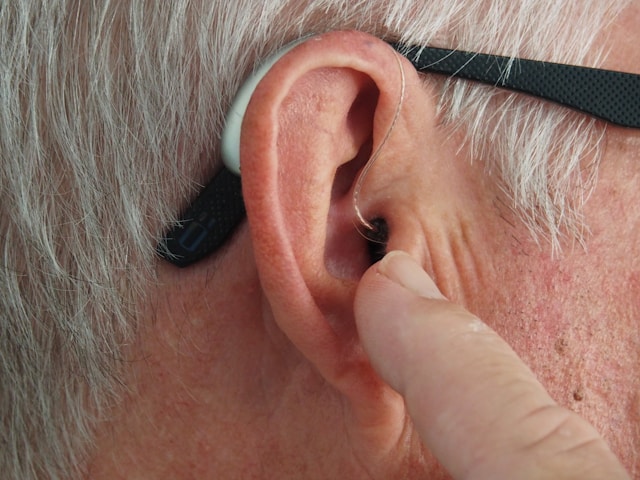
Employment and geographical factors influence hearing: Recent research charts variations in hearing impairment across US states and counties

A survey to chart the occurrence of bilateral hearing impairment across the United States at both the state and county levels has unveiled that the incidence of hearing loss is notably higher among men, non-Hispanic Whites, and individuals residing in rural locales. Bilateral hearing loss refers to the condition of impaired hearing in both ears.

States like West Virginia, Alaska, Wyoming, Oklahoma, and Arizona were identified as having the most significant rates of hearing impairment. In contrast, the District of Columbia, New Jersey, New York, Maryland, and Connecticut reported the lowest rates.

The study highlighted occupations associated with hearing loss, including, but not limited to, the mining sector, extending to roles within retail and dining establishments. Additionally, the research indicated a marked rise in hearing loss incidences from age 35.

In The Lancet Regional Health – Americas, the underlying research for the map’s creation presents an insightful glance into the prevalence of hearing loss across the nation.

The Sound Check study, spearheaded by the NORC team at the University of Chicago and sponsored by the Centers for Disease Control and Prevention, revealed that approximately 38 million Americans, equating to more than one in nine individuals, are affected by some degree of bilateral hearing impairment. This rate escalates to nearly one in seven amongst those aged 35 and above and drastically increases to about one in every 1.4 individuals for those aged 75 and older.

David Rein, a senior fellow at NORC at the University of Chicago and the study’s lead researcher, emphasized the significance of hearing loss as a pressing national issue. He pointed out that ageing is the foremost risk factor for hearing loss. Yet, the findings also suggest that one’s living environment is critical in influencing one’s hearing capabilities. Intriguingly, urban dwellers in densely populated and noisy cities exhibit a lower hearing loss prevalence than their rural counterparts.

Fortunately, the study also highlights the potential for preventing or mitigating noise-induced hearing loss through the use of protective measures. In instances where significant hearing impairment does occur, solutions like hearing aids and other interventions can significantly enhance individuals’ quality of life.

Highlighting the importance of hearing health, Donna Smiley, Ph.D., CCC-A, the chief staff officer for Audiology at the American Speech-Language-Hearing Association (ASHA), equates hearing to clear vision. She advocates for regular hearing screenings and protective measures against noise exposure.

The Sound Check study’s findings, offering detailed estimates of hearing loss by state and county, aim to guide targeted strategies for preventing, diagnosing, and treating hearing loss.

Karl White, director of the National Center for Hearing Assessment and Management at Utah State University, hopes that public health officials nationwide will heighten their advocacy for improved adult screening protocols akin to those for newborns and young children. This study, alongside its accompanying map, underscores the pressing need for attention to hearing loss and its preventability.

Rural residents face a heightened risk of hearing loss due to exposure to noise from outdoor labour involving heavy machinery and recreational activities involving all-terrain vehicles or firearms. Adopting consistent hearing protection measures can significantly reduce this risk, even among those engaging in recreational shooting.

Hearing loss affects communication abilities and has profound implications on emotional, social, and cognitive well-being. It can hinder speech and language development in children, elevate family stress, and lead to challenges in work and social settings among adults. For the elderly, it is linked with an increased risk of dementia, depression, falls, heart attacks, and premature death.

Despite its widespread prevalence, hearing loss in the U.S. remains untreated mainly due to various factors, including limited access to healthcare services, the absence of comprehensive insurance coverage for hearing aids, stigmatization around their use, and a general lack of awareness and understanding about hearing loss.

Amplification devices such as hearing aids and cochlear implants can mitigate the negative impacts of hearing loss; for those with mild to moderate hearing loss, over-the-counter hearing aids present a viable option. However, accessing hearing specialists and hearing aids remains challenging for many, particularly in rural or economically disadvantaged areas.

Noise exposure stands as the leading preventable cause of hearing loss. Exposure to loud sounds can lead to irreversible hearing damage at any age. Although most hearing loss results from prolonged exposure to loud noises, even a single unprotected exposure to a deafening sound, such as a gunshot, can result in hearing impairment. Nevertheless, noise-induced hearing loss is preventable by avoiding loud noises and using hearing protection.

The Sound Check project’s methodology involved estimating the national prevalence of bilateral hearing loss based on audiological assessments from the National Health and Nutrition Examination Survey (NHANES), with stratification by age, race and ethnicity, and gender. The researchers employed a statistical modelling technique known as small area estimation to infer hearing.

More information: David B. Rein et al, The prevalence of bilateral hearing loss in the United States in 2019: a small area estimation modelling approach for obtaining national, state, and county level estimates by demographic subgroup, The Lancet. DOI: 10.1016/j.lana.2023.100670

Journal information: The Lancet Provided by NORC at the University of Chicago

Research finds vulnerability to peer influence continues into adulthood

The concept of “peer pressure” traditionally conjures images of children or teenagers navigating extreme situations under the influence of their contemporaries. A researcher from the University of Texas at Dallas was curious to know whether adults are subject to similar pressures of social conformity in their day-to-day lives.

Dr. Kendra Seaman, an assistant professor of psychology within the School of Behavioral and Brain Sciences, and her team embarked on an investigative journey to explore the tug-of-war between self-discipline and the forces of peer pressure among individuals aged 18 and above.

Their findings, published on December 7 in the journal Psychology and Aging, emerge from a study involving 157 adults ranging from 18 to 80 years old. Participants were subjected to random surveys sent via text messages to capture their moments of self-control against spontaneous desires in the fabric of daily life.

The study illuminated that while the tendrils of peer pressure extend into early adulthood, individuals in their middle ages and beyond exhibit a more substantial capability to manage their desires.

Dr. Seaman, who also leads the Aging Well Lab at the Center for Vital Longevity at UT Dallas, shared insights into the evolving nature of susceptibility to peer pressure. Contrary to the prevailing thought that such susceptibility peaks during adolescence before fading away in early adulthood, the journey towards mastering self-control in the face of social conformity pressures in adulthood remains under-explored.

Although older adults generally demonstrate superior emotional regulation, signifying enhanced self-control and a diminished tendency towards conformity, they face unique challenges. New priorities and life situations complicate their ability to resist peer influences, especially when observing their contemporaries engaging in such behaviours.

The study prompted participants to reflect on recent cravings or desires and the context in which these arose, including whether they conflicted with personal goals or occurred in the company of others. This approach aimed to dissect the dynamics of desire, conflict, and yield to peer influence across different age groups.

Findings underscored a notable difference in how middle-aged and older adults manage their desires in social settings compared to their younger counterparts, indicating a developmental trajectory of self-control that spans adulthood.

Dr Seaman emphasized that the study sheds light on aspects of peer pressure beyond high-risk adolescent behaviours, focusing instead on everyday temptations like indulging in a glass of wine or engaging with social media. The methodology, centred on immediate memories rather than retrospective recollections, enhances the reliability of the data, offering a vivid snapshot of real-world self-control and social conformity.

This exploration into social conformity and self-control across adult life marks a pioneering step in understanding human behaviour. The research confirms the presence of peer pressure in young adulthood and, to a lesser extent, in middle age. It contributes to a nuanced comprehension of how resistance to social conformity evolves throughout the adult lifespan.

More information: Castrellon, J. J., Zald, D. H., Samanez-Larkin, G. R., & Seaman, K. L. Adult age-related differences in susceptibility to social conformity pressures in self-control over daily desires, Psychology and Aging. DOI: 10.1037/pag0000790

Journal information: Psychology and Aging Provided by The University of Texas at Dallas

Scientists identify the root cause of ‘brain fog’ associated with Long COVID

A collaboration between researchers at Trinity College Dublin and FutureNeuro has led to a groundbreaking revelation that sheds light on the phenomenon of brain fog and cognitive impairment observed in some Long COVID patients.

Following the outbreak of the novel coronavirus SARS-CoV-2 towards the end of 2019, a condition known as Long COVID emerged as a persistent consequence of the initial infection. Characterized by a wide range of up to 200 symptoms, Long COVID predominantly leaves patients battling ongoing fatigue, breathing difficulties, memory and concentration issues, along with muscle and joint pain. Although most of those affected by COVID-19 recover entirely, the persistence of these symptoms beyond 12 weeks after infection is classified as Long COVID.

Having evolved into a significant public health concern since the pandemic’s onset in 2020, Long COVID is believed to impact as much as 10% of individuals infected by the SARS-CoV-2 virus. Notably, almost half of the individuals experiencing Long COVID report enduring neurological symptoms such as cognitive decline, fatigue, and brain fog.

A study conducted by the team at Trinity and published in the esteemed journal Nature Neuroscience revealed a disruption in the blood vessels within the brains of Long COVID sufferers experiencing brain fog. This discovery of vascular “leakiness” provides a clear distinction between those with cognitive decline and those without, despite both groups suffering from Long COVID.

The research spearheaded by experts at Trinity’s Smurfit Institute of Genetics, School of Genetics and Microbiology, and School of Medicine has also introduced an innovative MRI scanning technique. This method reveals the impact of Long COVID on the intricate network of blood vessels within the brain.

Professor Matthew Campbell, a leading figure in Genetics at Trinity and Principal Investigator at FutureNeuro, emphasized the significance of these findings. He stated that identifying leaky brain blood vessels in combination with an overactive immune response as central to brain fog in Long COVID is a critical step forward. This understanding paves the way for developing specific treatments tailored to these conditions.

This research was initiated through a rapid response grant from Science Foundation Ireland (SFI) during the peak of the pandemic in 2020 and involved recruiting Long COVID patients as well as those hospitalized at St James’ Hospital.

Professor Colin Doherty, Professor of Neurology at Trinity and Principal Investigator at FutureNeuro, lauded the effort and expertise of medical staff and trainees in conducting this complex study under the pressures of a national crisis. He highlighted that these findings are set to revolutionize our approach to treating post-viral neurological conditions and underscore that the neurological manifestations of Long COVID can be objectively measured, revealing significant metabolic and vascular changes in the brain.

As we move forward from COVID-19, it has become increasingly clear that many neurological conditions, such as Multiple Sclerosis (MS), may be triggered by viral infections. However, establishing a direct link has historically been difficult.

Professor Campbell further noted that the Trinity team confirmed that every Long COVID patient had been previously diagnosed with a SARS-CoV-2 infection, thanks to Ireland’s stringent PCR-based diagnostic requirements. This revelation that viral infections leading to post-viral syndromes could cause blood vessel leakage in the brain represents a potentially revolutionary development currently under active investigation by the team.

Dr. Chris Greene, a Postdoctoral research fellow and the study’s first author, stated that these findings lay the groundwork for further research into the molecular processes behind post-viral fatigue and brain fog. He suggested that similar mechanisms likely operate across various viral infections, bringing us closer to understanding the causes of neurological dysfunction in affected patients.

More information: Chris Greene et al, Blood–brain barrier disruption and sustained systemic inflammation in individuals with long COVID-associated cognitive impairment, Nature Neuroscience. DOI: 10.1038/s41593-024-01576-9

Journal information: Nature Neuroscience Provided by Trinity College Dublin