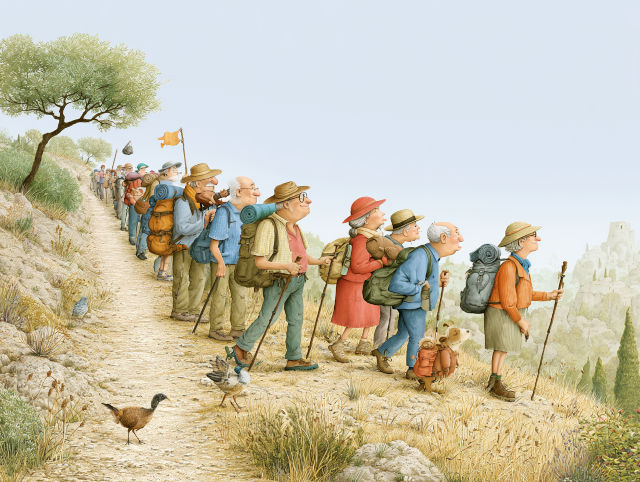
Nature-based group activities can help reduce loneliness, improve sleep and cognitive function, and strengthen feelings of connection to nature among older adults living in care homes. Activities centred on outdoor experiences and engagement with the natural environment promoted wellbeing and health through peer interaction and meaningful shared experiences.
“Participating in weekly group activities for just nine weeks was enough to reduce loneliness and improve sleep, memory, and participants’ sense of connection to nature,” says Kaisu Pitkälä, Director of the Department of General Practice and Primary Health Care at the University of Helsinki. “Our findings also underscore the importance of providing older adults in care homes with more opportunities to spend time outdoors and engage with nature.”
The researchers were encouraged by the positive outcomes, particularly because many participants were frail, living with multiple chronic conditions, and faced logistical challenges related to outdoor activities. Excursions often required accessible taxis, and all participants travelled in wheelchairs. According to Pitkälä, extending the duration of the intervention could have produced even greater benefits.
As part of the project, researchers trained 52 group facilitators working in Helsinki care homes, helping to expand and sustain nature-based practices in residential care settings.
“Frail older adults possess significant personal strengths and resources, and supporting these can improve their wellbeing and overall health,” Pitkälä explains. “More than half of care home residents experience loneliness, which poses risks to health and memory comparable to smoking or obesity. Loneliness is often invisible, which is why it is important to ask older adults directly about their experiences.”
The intervention was based on the Circle of Friends programme developed by the Finnish Association for the Welfare of Older People, which has involved more than 13,000 participants across over 100 municipalities. Notably, 65% of the groups continued independently after the formal programme ended.
Pitkälä describes the study as an important contribution to research on non-pharmacological approaches for frail older adults, particularly those with memory impairment living in 24-hour care settings. The study included 319 older adults living in care homes who experienced loneliness, with an average age of 83 years. Slightly more than half of the participants had memory disorders. Participants were randomly assigned either to take part in the nature-based group activities or to a comparison group.
More information: Kaisu Pitkälä et al, Effects of Nature-based Group Intervention on Cognition and Nature Connectedness Among Lonely Older Adults Living in Assisted Living Facilities—Secondary Analyses of an RCT, Journal of the American Medical Directors Association. DOI: 10.1016/j.jamda.2026.106203
Journal information: Journal of the American Medical Directors Association Provided by University of Helsinki