Daily Archives: 28 March 2024

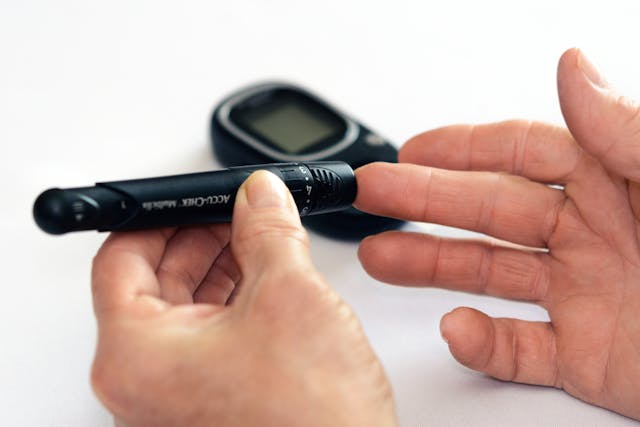
Numerous patients with type 2 diabetes are missing vital information that could potentially save their lives regarding their condition

Type 2 diabetes (T2D), a widespread chronic condition, stems from the body’s inadequate insulin production or utilization. This affliction touches the lives of hundreds of millions globally, making effective disease management essential to sidestep severe long-term repercussions such as heart disease or the necessity for limb amputation. Individuals afflicted with T2D must thoroughly understand how to manage their condition daily.

In Portugal, a group of researchers embarked on a study to ascertain the level of crucial knowledge among T2D patients, whether they were receiving insulin treatment or not. Their research, disseminated in the journal Frontiers in Public Health, aimed to diminish the knowledge disparity among diabetic patients concerning their illness, according to Prof Pedro Lopes Ferreira, the study’s lead author and the director of the University of Coimbra’s Center for Health Studies and Research. Prof Ferreira highlighted the study’s intent to enhance diabetic patients’ understanding of their condition.

The investigation revealed a wide disparity in patients’ knowledge about diabetes. Utilizing a specially designed test for individuals with type 1 or type 2 diabetes, the researchers evaluated knowledge across various domains, including nutrition, symptom recognition, and medication management. The study involved 1,200 people living with diabetes, nearly 40% of whom were undergoing insulin therapy. The remainder of the participants followed specific dietary plans, with some taking non-insulin oral diabetic medications or relying solely on nutritional adjustments.

Findings indicated a substantial portion of participants (71.3%) accurately answered questions related to nutrition, and a vast majority were aware of the benefits of physical activity. Furthermore, over three-quarters of the respondents knew the optimal method for blood sugar testing.

However, the study identified significant knowledge gaps in critical areas. For instance, only a tiny fraction of participants correctly identified foods to avoid for managing low blood sugar levels, and even fewer could correctly identify symptoms of ketoacidosis, a dangerous late-stage complication of T2D.

Prof Lopes Ferreira pointed to the behaviour of health professionals and the focus areas when educating patients as potential causes for this knowledge disparity. The study also found that medication use influenced T2D knowledge, with insulin users showing slightly better knowledge. Socio-demographic factors such as age, education level, living situation, and diet adherence also influenced the variability of disease understanding.

The research underscores the urgent need to improve T2D knowledge, particularly in blood sugar monitoring, to prevent dangerous fluctuations. The study advocates for addressing these knowledge gaps. Further research with a more extensive participant base could provide deeper insights into the socioeconomic and clinical factors influencing disease understanding. Prof Lopes Ferreira hopes the findings will inspire a shift in how health professionals communicate with patients, emphasizing patient education over solely biological indicators of disease management.

More information: Pedro L. Ferreira et al, Knowledge about type 2 diabetes: its impact for future management, Frontiers in Public Health. DOI: 10.3389/fpubh.2024.1328001

Journal information: Frontiers in Public Health Provided by Frontiers

Investigating the efficacy of a new pain relief device for managing endometriosis discomfort

Endometriosis is a persistent health issue in women, frequently manifesting through severe discomforts like menstrual cramps and pelvic pain. The condition substantially diminishes the quality of life and reproductive well-being of sufferers, with approximately a third of affected women continuing to endure pain and discomfort despite undergoing treatment. Although hormonal therapies and surgical interventions are routinely prescribed, they often fail to eliminate the symptoms. Therefore, effective pain management becomes essential to mitigate the condition’s significant impact on everyday activities and work productivity, with challenges remaining even post-treatment.

A novel study featured in the Reproductive Health journal on 26 January 2024 delves into the efficacy and safety of an innovative portable device designed for pain alleviation, the Angel Touch device (AT-04). Created by Peace of Mind Co., Ltd. in Japan, this device generates a combination of magnetic fields aimed at targeted pain relief. Prior animal studies suggest that AT-04 modulates nerve growth factors, diminishes inflammation, and stimulates the body’s innate analgesic processes. Leveraging this pre-existing research, Associate Professor Hiroshi Ishikawa and Professor Kaori Koga from the Graduate School of Medicine at Chiba University, alongside their team, are now exploring the device’s potential to alleviate pain associated with endometriosis through its distinctive use of alternating magnetic fields.

Dr. Ishikawa emphasized the study’s focus on AT-04 due to its nonintrusive nature, which makes it particularly suitable for premenopausal women since it does not interfere with ovulation. The device’s unique approach to pain management offers a novel alternative to traditional treatments, showcasing significant promise for effectively combatting pain tied to endometriosis.

Sanctioned by the Clinical Study Review Board, the research targets premenopausal women aged 18 and above suffering from moderate to severe pain due to endometriosis. Fifty participants will be split randomly to receive actual electromagnetic treatment via AT-04 or a placebo device during a “double-blind” phase lasting 16 weeks. Subsequently, all subjects will utilize the AT-04 for an additional four weeks. The team intends to evaluate pain level alterations employing a pain scale alongside other metrics such as pelvic discomfort, life quality of the participants, and safety considerations.

The study also assesses pain intensity using the Numeric Rating Scale (NRS) and examines the participants’ Health-Related Quality of Life (HRQoL) through the Endometriosis Health Profile-30 and EuroQol 5-Dimension scoring systems. These instruments are poised to offer insights into various HRQoL facets, including pain, emotional health, and social support.

Despite AT-04’s promising advantages, the research acknowledges several constraints necessitating further exploration. One challenge lies in isolating the device’s exclusive effect on endometriosis-related pain, as most subjects likely received prior treatment for their condition. Additionally, hormonal variations throughout the menstrual cycle may influence pain and HRQoL evaluations within the study timeframe. The pain alleviation efficacy of AT-04 differs among individuals experiencing moderate pain levels.

Nevertheless, Dr. Ishikawa remains hopeful regarding the study’s future contributions. He elaborates on the psychological burdens, such as depression, faced by women enduring persistent pain from endometriosis, which could further complicate fertility issues. By managing long-term pain with minimal adverse effects through AT-04, the device is anticipated to significantly improve the life quality of women suffering from endometriosis-related pain and potentially protect against future fertility decline.

In essence, AT-04 presents a beacon of hope for individuals grappling with relentless pain from endometriosis unmitigated by existing therapeutic options. This study highlights the medical community’s ongoing efforts to improve reproductive health and the overall well-being of women contending with this challenging condition.

More information: Hiroshi Ishikawa et al, Efficacy and safety of a novel pain management device, AT-04, for endometriosis-related pain: study protocol for a phase III randomized controlled trial, Reproductive Health. DOI: 10.1186/s12978-024-01739-8

Journal information: Reproductive Health Provided by Chiba University