Daily Archives: 23 March 2024

Can following a Mediterranean diet safeguard against memory decline and dementia?

A study suggests that adopting a Mediterranean diet, characterized by its high consumption of fish, vegetables, and olive oil, might offer protection against the accumulation of proteins and brain shrinkage, factors associated with Alzheimer’s disease.

This study focused on the abnormal proteins amyloid and tau. Amyloid proteins tend to form plaques, whereas tau proteins form tangles. Both types of proteins are commonly found in individuals diagnosed with Alzheimer’s disease but can also be present in the brains of older adults who do not show cognitive impairment.

The diet in question promotes a high intake of vegetables, fruits, legumes, cereals, fish, and monounsaturated fats like olive oil. At the same time, it recommends low consumption of saturated fats, dairy products, and meat.

Tommaso Ballarini, PhD, from the German Center for Neurodegenerative Diseases (DZNE) in Bonn, Germany, and the lead author of the study, explained that their findings indicate that a diet rich in unsaturated fats, fish, fruits, and vegetables and low in dairy and red meat may protect the brain from the accumulation of proteins implicated in memory loss and dementia. These conclusions contribute to the growing evidence supporting the impact of dietary habits on memory functions in later life.

The study assessed 512 participants, with 169 being cognitively normal and 343 at an elevated risk of developing Alzheimer’s disease. Participants’ adherence to the Mediterranean diet was evaluated through a questionnaire that queried their consumption of 148 food items in the preceding month. On a scale up to nine, higher scores were awarded to those frequently consuming foods typical of the Mediterranean diet, such as fish, vegetables, and fruit, and seldom eating non-typical foods, such as red meat.

Cognitive functions were tested using a comprehensive set of exams designed to monitor the progression of Alzheimer’s disease, covering various functions, including language, memory, and executive functioning. Brain scans were performed on all participants to measure their brain volume. Additionally, spinal fluid from 226 participants was analyzed for amyloid and tau protein biomarkers.

The research found a link between adherence to the Mediterranean diet and indicators of brain health, including brain volume, cognitive functions, and levels of tau and amyloid proteins in the spinal fluid. After adjusting for variables such as age, gender, and education level, it was observed that lower adherence to the Mediterranean diet correlated with signs of accelerated brain ageing, particularly in brain regions most affected by Alzheimer’s disease. Moreover, individuals with lower adherence to the diet exhibited higher levels of amyloid and tau pathology biomarkers and performed worse on memory tests.

Despite the promising findings, the study acknowledges a limitation in its reliance on self-reported dietary data, which may be subject to inaccuracies. Nevertheless, the research provides valuable insights into how nutritional habits, specifically the Mediterranean diet, might influence the risk of developing Alzheimer’s disease. It suggests that incorporating more elements of this diet could reduce one’s risk. Further investigation is required to understand how the Mediterranean diet benefits brain health.

More information: Tommaso Ballarini et al, Mediterranean Diet, Alzheimer Disease Biomarkers, and Brain Atrophy in Old Age, Neurology. DOI: 10.1212/WNL.0000000000012067

Journal information: Neurology Provided by American Academy of Neurology
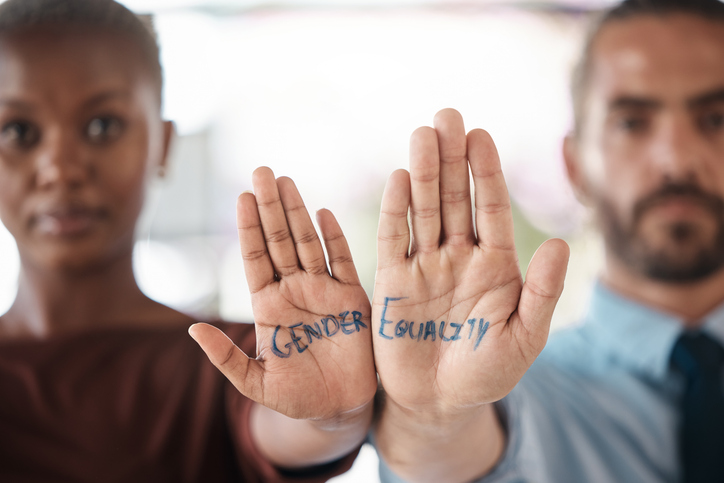
Enhanced gender equality benefits the longevity of both women and men

The inaugural international research examining the correlation between gender equality and life expectancy has revealed that an improvement in gender equality correlates with increased life spans for both genders. Nevertheless, when assessing variations across nations grouped by socioeconomic development and geographic closeness, it emerges that advancements in gender equality predominantly augment the health and longevity of women initially. However, as progress continues, men also experience longer life spans, gradually reducing the life expectancy gap between genders.

In collaboration with Imperial College London, Dr Cat Pinho-Gomes, an Honorary Research Fellow at The George Institute for Global Health in the UK, has highlighted the significance of the study’s findings ahead of International Women’s Day. She pointed out that tackling entrenched gender inequalities and empowering women could potentially enhance longevity for both sexes. Dr Pinho-Gomes emphasized the pervasive gender disparities worldwide in aspects crucial to longevity, such as employment and living conditions, exposure to pollution, healthcare access, education, income, and social support.

She further elaborated that as nations advance towards greater gender equality, allowing women more comprehensive participation in political, economic, and social spheres, the entire society benefits. This assertion comes at a time when global challenges, including the rising cost of living, the COVID-19 pandemic, climate crises, and widespread conflict and displacement, are impeding progress towards gender parity. Such hindrances threaten to reverse the strides made in socioeconomic development and improvements in living and working conditions, potentially curtailing the increases in life expectancy observed over recent decades.

To explore the association between gender equality and life expectancy (LE) for both women and men and to gauge the global gender gap in LE, the researchers employed a modified global gender gap index (mGGGI) inspired by the index created by the World Economic Forum (WEF), spanning 156 countries from 2010 to 2021. The WEF’s index assesses the state and progress of gender parity across four primary dimensions, excluding this study’s health dimension to avoid overlapping with the study’s focus on healthy life expectancy.

The findings revealed that among the dimensions analyzed, gender equality in education was most strongly linked to longer LE for both women and men. Dr Pinho-Gomes underscored the critical role of investment in education, especially in low- and middle-income countries where many girls still face barriers to education. She pointed out that even in high-income countries, where significant efforts have been made to reduce gender inequalities, further investments in gender equality could still enhance LE, particularly for men. The study also casts light on the less significant association between political gender equality and the LE gap, raising questions about the effectiveness of gender equality policies implemented by political systems worldwide.

Dr Pinho-Gomes addressed the challenges faced by women in the political arena, including discrimination and the difficulties of balancing personal, family, and political life, alongside securing party support and campaign funding. She noted that in 2021, every ten per cent increase in the AGI was linked to a 4.3-month increase in women’s LE and a 3.5-month increase in men’s LE, albeit with significant regional variations.

In conclusion, Dr Pinho-Gomes stressed the study’s vital implications for policymakers globally, particularly in the aftermath of the COVID-19 pandemic, which had a distinctly gendered impact across various life domains. She advocated for enhancing women’s representation in multiple sectors to foster wealthier and healthier societies for everyone, marking a significant message for International Women’s Day.

More information: Ana-Catarina Pinho-Gomes et al, Gender equality related to gender differences in life expectancy across the globe gender equality and life expectancy, PLOS Global Public Health. DOI: 10.1371/journal.pgph.0001214

Journal information: PLOS Global Public Health Provided by George Institute for Global Health

Isolation heightens the likelihood of declining health among older adults

Researchers from Amsterdam UMC and the University of Glasgow have identified a detrimental impact of loneliness on the physical health of older adults in our society. Emiel Hoogendijk, an epidemiologist at Amsterdam Public Health, analyzed over 130 studies, uncovering a direct correlation between loneliness and an escalation in physical frailty. This frailty consequently elevates the likelihood of adverse health outcomes such as depression, falls, and cognitive impairment. These findings were disclosed in a recent publication in The Lancet Healthy Longevity.

In light of the COVID-19 pandemic, there has been a growing focus on the potentially harmful effects of loneliness and social isolation on the health of older adults. The research sought to understand the extent of these effects, revealing that diminished social functioning, including loneliness, social isolation, and a lack of social support, is linked to physical decline in older adults, according to Hoogendijk.

The study, spearheaded by Peter Hanlon, a clinical research fellow at the University of Glasgow, and involving contributions from researchers in Amsterdam UMC, Canada, Australia, and Sweden, delved into the association between social functioning and physical frailty in older adults. Hanlon explained that frailty encompasses various forms of physical deterioration, such as weight loss, decreased walking speed, and diminished muscle strength, which can increase the risk of falls.

Previous studies have shown that frailty can lead to reduced social interaction. In some scenarios, physical vulnerability may also result in the loss of social contacts or increased loneliness, for instance, due to reduced mobility, as noted by Hoogendijk. This research demonstrates that the causality can be reversed, where diminished social interaction leads to frailty.

The detrimental health effects of poor social functioning are significant, with the US Surgeon General last year equating the harm of loneliness to smoking 15 cigarettes a day. Hoogendijk highlighted the increased risk of depression and various chronic diseases associated with loneliness or a lack of social contact. That can directly affect the immune system or indirectly impact health through an unhealthier lifestyle. Further research into these dynamics is planned.

Impairment in social and physical functioning often coexists, with physically vulnerable older individuals also experiencing a decline in social and mental functioning. As we care for older adults, it’s crucial to consider all these aspects, according to Hanlon. He emphasized that while loneliness is a complex issue, knowledge about effective interventions, such as activities to enhance social connections among older individuals, is progressively expanding.

More information: Peter Hanlon et al, The relationship between frailty and social vulnerability: a systematic review, The Lancet Healthy Longevity. DOI: 10.1016/S2666-7568(23)00263-5

Journal information: The Lancet Healthy Longevity Provided by Amsterdam University Medical Center