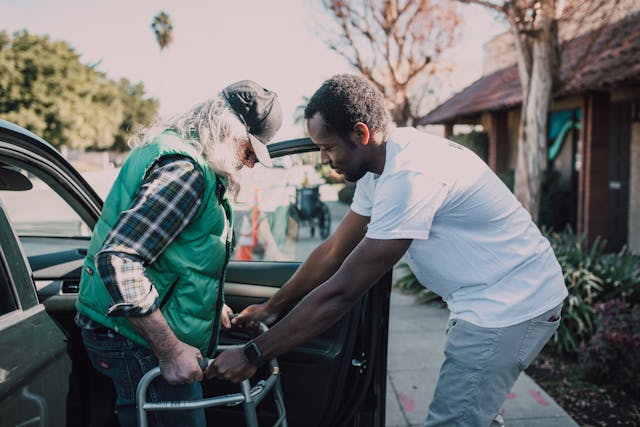
The COVID-19 pandemic has shed light on the vulnerabilities within nursing homes, prompting numerous families to reconsider the option of caring for their ageing relatives at home. A study by the University of California, San Francisco (UCSF) has highlighted a significant gap in the availability of essential self-care equipment for elderly Americans, which could otherwise facilitate their ability to live independently for a longer duration, thus delaying their transition into residential care facilities.
This study focused on three cost-effective and straightforward assistive devices: grab bars installed around the toilet and within the shower or tub area; seats for showers or tubs; and elevated toilet seats or adaptations to increase existing toilets. Researchers sampled around 2,600 seniors, representative of Medicare beneficiaries across the nation, from the National Health and Aging Trends study. These individuals were living at home yet faced mobility challenges, including significant difficulties with bathing, toileting, maintaining balance, and moving from sitting to standing.
A startling finding from the study was that 42 per cent of these seniors had an “unmet need” due to the absence of either bathroom aids or toilet adaptations. When extrapolated to the entire U.S. population, this group represents about 5 million Americans. The researchers described this situation as a “missed opportunity” to support these individuals in living more independently and safely. These findings were published in the Journal of the American Medical Association (JAMA) Internal Medicine on March 22, 2021.
Kenneth Lam, MD, the study’s lead author from the UCSF Division of Geriatrics, commented on these devices’ simplicity yet profound impact. Despite their mundane nature compared to high-tech medical treatments like engineered T-cells and stem cell therapies, these low-tech solutions can significantly reduce injuries, foster independence, uphold dignity, and enhance the quality of life for older adults with disabilities arising from complex, multifactorial reasons. Each device costs about $50, yet Medicare does not cover them.
Lam also reflected on the cultural perspective towards ageing, noting a general preference for reversing the ageing process rather than adapting to it. He argued that This mindset could exacerbate ageing challenges by resisting adjustments to accommodate an ageing body.
The study also revealed that younger seniors, mainly those aged 65 to 74, were more likely to have unmet needs than those 85 and older, with half of the younger group lacking the necessary equipment. This disparity could be partly attributed to the stigma associated with using such devices, which are often perceived as markers of vulnerability and old age. Interestingly, individuals who already owned a walker were more likely to have the other necessary equipment, possibly because they had already overcome the stigma associated with using assistive devices.
Another significant finding was the racial disparity in equipment availability, with nonwhite participants more likely to lack the necessary devices. This discrepancy points to broader access issues and possibly reflects the tendency of minority populations to rely more on familial caregiving rather than equipment.
The study also emphasised the importance of physicians inquiring about their patients’ home environments and recommending suitable assistive devices, a practice not commonly included in medical training. This oversight is critical as many emergency room admissions among older adults are due to accidents at home, such as falls on the way to the bathroom.
For seniors with cognitive impairments, such as probable or possible dementia, the study suggested additional home modifications that could enhance safety and ease caregiver burdens, including medication reminder pill boxes, electronic locks, and safety stoves. Other aids like music, activity blankets, and dolls could also help manage restless behaviours.
While these modifications and devices may not be sufficient to enable all seniors to remain at home, they represent valuable tools that could reduce the caregiving load and delay the need for nursing home care for many individuals. This study underscores the importance of addressing the practical needs of the elderly living at home and calls for systemic changes to support their independence and safety.
More information: Kenneth Lam et al, Unmet Need for Equipment to Help With Bathing and Toileting Among Older US Adults, JAMA Internal Medicine. DOI: 10.1001/jamainternmed.2021.0204
Journal information: JAMA Internal Medicine Provided by University of California, San Francisco