Daily Archives: 29 March 2024

Residing in verdant areas may enhance bone density and reduce the risk of osteoporosis

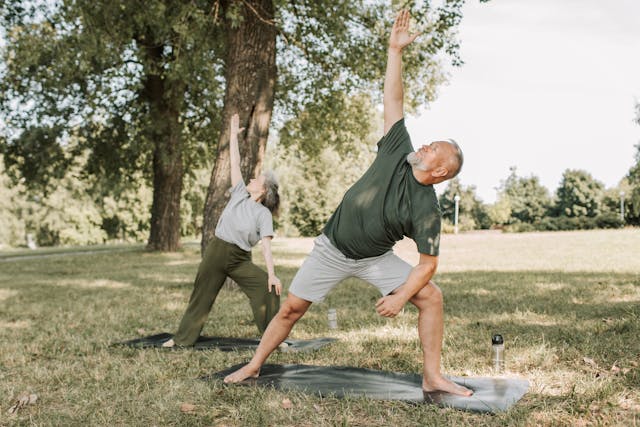
Research published in the Annals of Rheumatic Diseases has uncovered that residing near gardens, parks, and other green spaces may positively affect bone density, subsequently reducing the risk of osteoporosis. A noteworthy aspect of this discovery is the role of lower air pollution levels in these green areas in fostering better bone health, according to the researchers’ conclusions.

Osteoporosis is a condition that compromises bone strength, making them more susceptible to fractures. It is a condition that not only leads to chronic pain and reduced mobility but also significantly lowers the quality of life for those affected. With the world’s population ageing rapidly and lifestyle changes occurring, the prevalence of osteoporosis is expected to escalate, making it a pressing health concern globally. The condition arises due to genetic, hormonal, and environmental factors. Although the benefits of green spaces on overall health have been acknowledged, their specific impact on osteoporosis risk remains unclear, particularly concerning genetic susceptibility.

To delve deeper into this issue, an extensive analysis was conducted using data from the UK Biobank, encompassing 391,298 individuals with an average age of 56, just over half of whom were women. This data included detailed records on bone mineral density and factors that could influence these measurements, such as ethnicity, income, education, employment, residential area, alcohol intake, physical activity, smoking status, and diet. Additionally, the study assessed the participants’ genetic risk of osteoporosis through a polygenic risk score. It utilized the normalized difference vegetation index (NDVI), derived from satellite imagery, to quantify the greenery in their living areas. Estimates of exposure to air pollutants like nitrogen oxide (NO2) and particulate matter (PM2.5) were also made based on residential postcodes and data from the ESCAPE project, which examines the long-term health impacts of air pollution exposure in Europe.

Over an average follow-up period of 12 years, 9,307 new cases of osteoporosis were identified, predominantly among older individuals, females, smokers, and those who were retired, with lower education levels and economic disadvantages. However, a clear link was observed between the presence of green space and a reduction in new osteoporosis cases. For each increase in NDVI, indicating more green space, there was a noticeable increase in bone mineral density and a 5% decrease in the risk of developing osteoporosis. The study highlighted that lower levels of NO2 and PM2.5 were significant factors in this association, suggesting that the natural filtration provided by trees and plants might play a crucial role in reducing osteoporosis risk by purging pollutants from the air.

Moreover, being physically active, facilitated by living in greener areas, was associated with a diminished risk of developing osteoporosis. Despite the observational nature of this study, which precludes establishing a direct cause-and-effect relationship, and acknowledging limitations such as the potential inaccuracies in defining the exact amount of green space through NDVI and the generally healthy profile of the study participants, the researchers concluded that this is the first evidence indicating a beneficial link between residential greenness, higher bone density, and a lower risk of osteoporosis. These findings highlight the potential of green spaces in preventing osteoporosis and underscore the importance of urban greening in devising effective prevention strategies.

More information: Tingting Tan et al, Associations of residential greenness with bone mineral density and osteoporosis: the modifying effect of genetic susceptibility, Annals of the Rheumatic Diseases. DOI: 10.1136/ard-2023-224941

Journal information: Annals of the Rheumatic Diseases Provided by BMJ
Investigations reveal that tai chi excels over standard exercises in boosting seniors’ mobility and stability

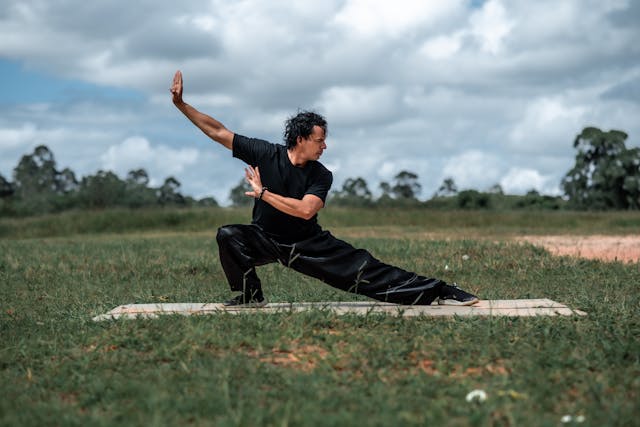
Despite the recognised advantages of tai chi for enhancing functional mobility and balance in older adults, the breadth of these benefits has been obscured by the considerable variability in the methodologies and findings of existing research. However, a recent comprehensive review and meta-analysis of the literature confirms that tai chi offers significant improvements in these areas for relatively healthy older adults, surpassing the outcomes associated with traditional exercises.

This analysis delved into 12 studies involving 2,901 participants, uncovering evidence of tai chi’s efficacy. Notably, compared to standard exercise regimens, tai chi participants demonstrated superior performance in several key metrics:

– They completed a 50-foot walk an average of 1.84 seconds quicker.

– Their ability to maintain a one-leg stance was extended by 6 seconds with open eyes and by 1.65 seconds with closed eyes.

– Performance in the timed-up-and-go test, which assesses speed in standing, walking, and sitting, improved by 0.18 points.

– Significant advancements were observed in the functional reach test, with a standardised mean difference of 0.7, underscoring an enhanced capacity for reaching and conducting daily tasks.

Further insights from secondary analyses indicated that tai chi programs of relatively short duration (less than 20 weeks) and low total engagement time (up to 24 hours), particularly those centred on the Yang style, were incredibly influential in fostering better mobility and balance when compared to conventional exercises.

Brad Manor, PhD, the director of the Mobility and Falls Program at Hebrew SeniorLife’s Hinda and Arthur Marcus Institute for Aging Research, along with associate professor of medicine at Harvard Medical School and Beth Israel Deaconess Medical Center, and Junhong Zhou, PhD, assistant scientist II at the same institute and assistant professor of medicine at Harvard Medical School and Beth Israel Deaconess Medical Center, expressed their enthusiasm about the findings. They highlighted the compelling evidence from the review and meta-analysis for tai chi as a more effective method to enhance functional mobility and balance in relatively healthy older adults than traditional exercises.

Bao Dapeng, a professor at Beijing Sport University, emphasised the implications of this research for the design of future rehabilitative programs targeting balance and mobility improvement in older adults. He suggested that tai chi warrants serious consideration as a component of these initiatives.

The researchers associated with this study hail from prestigious institutions, including the Hebrew SeniorLife Hinda and Arthur Marcus Institute for Aging Research, Harvard Medical School, the School of Sports Medicine and Physical Therapy at Beijing Sport University, the Sports Coaching College at Beijing Sport University, the College of Physical Education and Health Science at Chongqing Normal University, and the China Institute of Sport and Health Science at Beijing Sport University, adding considerable weight to their conclusions.

More information: Brad Manor et al, The comparison between effects of Taichi and conventional exercise on functional mobility and balance in healthy older adults: a systematic literature review and meta-analysis, Frontiers. DOI: 10.3389/fpubh.2023.1281144

Journal information: Frontiers Provided by Hebrew SeniorLife and Hinda and Arthur Marcus Institute For Aging Research

According to the brain, not all itches are the same

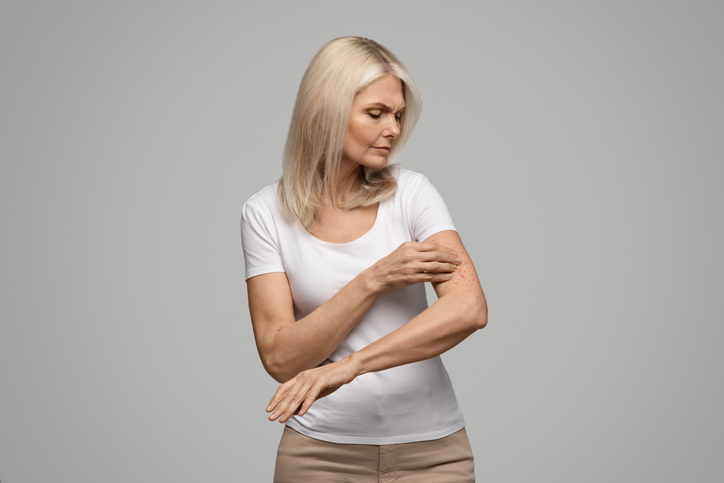
Itch is a protective mechanism in animals, helping to ward off parasites that might introduce harmful pathogens into the body. For instance, when a mosquito lands on someone’s arm, the immediate reaction to its touch is to scratch the area to dislodge it. This type of itch, triggered by physical contact like that of a crawling insect, is referred to as “mechanical” itch. It contrasts with “chemical” itch, which can be caused by irritants such as mosquito saliva upon biting. Despite leading to the same scratching response, recent research conducted by scientists at the Salk Institute has uncovered that a specific brain pathway in mice is responsible for the sensation of mechanical itch. At the same time, another path is responsible for chemical itch sensations.

The study, published in Neuron on April 5, 2023, highlights that a select group of neurons transmit mechanical itch information from the spinal cord to the brain, pinpointing the neuropeptide signals involved in managing both itch types. Martyn Goulding, a co-corresponding author of the study and holder of the Frederick W. and Joanna J. Mitchell Chair, emphasized the significance of understanding how the brain encodes these two itch forms. He noted the potential for these insights to pave the way for new treatments for chronic itch conditions, such as eczema and psoriasis.

This breakthrough builds upon Goulding’s previous research that identified the spinal cord neurons responsible for mechanical, but not chemical, itch. Collaborating with co-corresponding author Sung Han, who discovered a brain region acting as an alert centre for various threats, the team focused on neurons linked to mechanical itch communication to this centre.

With genetic techniques alongside innovative wearable microscopes, the researchers could observe itch-induced neuron activity in mice. They discovered that turning off an inhibitory itch pathway could trigger a mechanical itch response. Observations of different responses in the brainstem to mechanical and chemical itches enabled the researchers to distinguish between the two itch pathways and identify critical molecules regulating them.

Han pointed out the interplay between these pathways in perpetuating chronic itch, suggesting a combined approach might offer new treatment solutions. The research team is now looking to explore where these pathways intersect in the brain and how the brain decides whether to respond to an itch. They are also interested in distinguishing between pain and itch signals at the spinal cord and brainstem levels.

With chronic itch becoming more prevalent with age, the team aims to delve deeper into the changes in neural circuits responsible for itch transmission as we age. Goulding expressed hope that their findings could contribute to developing effective treatments for chronic itch, a currently challenging to manage.

The study also involved contributions from Xiangyu Ren, Shijia Liu, Amandine Virlogeux, Sukjae J. Kang, Jeremy Brusch, and David Acton of Salk, alongside Yuanyuan Liu from the National Institutes of Health, and Susan M. Dymecki from Harvard Medical School.

More information: Xiangyu Ren et al, Identification of an essential spinoparabrachial pathway for mechanical itch, Neuron. DOI: 10.1016/j.neuron.2023.03.013

Journal information: Neuron Provided by Salk Institute