Author Archives: support

US POINTER Trial Shows Structured Lifestyle Changes Can Slow Cognitive Decline

In US POINTER, participants were randomly assigned to one of two groups: a structured, higher-intensity lifestyle programme or a self-guided, lower-intensity approach. The structured intervention incorporated regular moderate- to high-intensity physical exercise, adherence to the MIND diet (a dietary pattern linked to brain health), cognitively stimulating activities and social engagement, and regular monitoring of cardiovascular health. The self-guided group received educational materials and general health advice, but without the same level of structure, intensity, or ongoing support.

The results showed that the structured intervention produced a statistically significant greater improvement in global cognition over two years compared with the self-guided programme. Specifically, the mean annual composite z-score for global cognition increased by 0.243 standard deviations per year in the structured group, compared with 0.213 in the self-guided group. While the absolute difference was modest, it was consistent and statistically significant, suggesting that higher-intensity, multidomain interventions can have a measurable impact on cognitive performance in at-risk older adults.

The findings support the growing evidence base for lifestyle-based, non-pharmacological strategies in dementia risk reduction. Although further research is required to determine the clinical significance and long-term effects of such interventions, the US POINTER trial reinforces the value of combining physical activity, healthy diet, cognitive challenge, social interaction, and cardiovascular health management in a structured format. These results also lend weight to the argument that prevention strategies should extend beyond single-target pharmacological approaches and incorporate comprehensive lifestyle changes to address the complex, multifactorial nature of cognitive decline in late life.

More information: Laura D. Baker et al, Structured vs Self-Guided Multidomain Lifestyle Interventions for Global Cognitive Function, JAMA. DOI: 10.1001/jama.2025.12923

Journal information: JAMA Provided by JAMA Network

Most UK Adults Falling Short on Plant-Based Diets, Study Reveals

A new study conducted by researchers at King’s College London has revealed that adults in the United Kingdom consume a median of only eight different plant-based foods per day, with some individuals eating as few as two. This figure includes not just fruits and vegetables but also herbs, spices, legumes, and oils derived from plants. While this number may seem modest, the researchers argue that increasing the variety—not merely the quantity—of plant-based foods in one’s diet could have significant implications for improving cardiometabolic health across the population.

The study, published in Clinical Nutrition, is the first of its kind in the UK to analyse the types and variety of plant foods consumed and how this diversity correlates with markers of cardiometabolic health, which include cholesterol levels, blood sugar control, and overall nutrient intake. Drawing on data from the UK National Diet and Nutrition Survey for 2016–2017, the researchers assessed the dietary habits of over 670 adults, the vast majority of whom followed omnivorous diets. Participants were grouped according to the daily diversity of plant-based foods they consumed, ranging from an average of 5.5 foods in the low-diversity group to 11 in the high-diversity category.

The findings suggest a strong relationship between dietary diversity and positive health indicators. For instance, individuals with more varied plant consumption exhibited higher levels of HDL cholesterol, the so-called “good” cholesterol known to reduce the risk of heart disease. Additionally, a higher variety of plant foods was associated with lower concentrations of HbA1c, a marker of long-term blood sugar regulation and an important indicator in the prevention and management of type 2 diabetes. These associations held even when adjusting for other factors such as age, body weight, and overall caloric intake.

Beyond biological markers, the study also found lifestyle differences among the groups. Those in the high-diversity group tended to lead healthier lives overall. Only 6% of these participants were smokers, compared with 30% in the low-diversity group. They also had more favourable blood lipid profiles. They were more likely to meet dietary fibre recommendations, although interestingly, they also consumed more total sugar, primarily from fruits and fruit juices. Despite concerns about sugar intake, the researchers noted that the fibre and antioxidants found in fruits might mitigate some of the adverse effects of natural sugars on blood glucose and metabolic health.

According to Dr Eirini Dimidi, Senior Lecturer in Nutritional Sciences at King’s College London and the study’s lead author, the results highlight a gap in current public health messaging. “UK dietary guidelines tend to emphasise the quantity of fruit and vegetables, such as the well-known ‘5-a-day’ message. Our research shows that the variety of plant-based foods consumed may be just as crucial as the quantity for achieving better health outcomes,” she said. Dr Dimidi added that even among the most diverse eaters in the study, key nutrient shortfalls remained, particularly in fibre and several micronutrients essential for immune function and maintaining healthy bones and tissues.

An analysis of food categories revealed that vegetables were the most significant contributors to plant diversity, accounting for just over 21% of the total. This was followed closely by plant-based fats and oils (18.8%) and fruit (17%). Foods with high nutritional value, such as nuts, seeds, and legumes, however, made a surprisingly minimal contribution to overall dietary variety. This highlights a missed opportunity, as these foods are rich in protein, healthy fats, and essential micronutrients that support a range of bodily functions.

In light of these findings, the researchers advocate for a broader and more inclusive understanding of plant-based eating. Dr Dimidi encourages people to incorporate lesser-used ingredients into everyday meals to enhance dietary diversity. Suggestions include adding a spoonful of mixed seeds or crushed nuts to morning porridge, experimenting with different herbs and spices to flavour meals, and varying the types of vegetables used in daily cooking. She points to seasonal produce like courgettes, broad beans, and broccoli in the summer months as easy and nutritious additions. Overall, the study suggests that promoting not only the consumption of plant foods but also their diversity could be a robust public health strategy to improve the nation’s diet quality and reduce the burden of cardiometabolic diseases.

More information: Eirini Dimidi et al, Characterising the diversity of plant-based food and beverage consumption in adults, and exploring associations with cardiometabolic health outcomes: A cross-sectional study, Clinical Nutrition. DOI: 10.1016/j.clnu.2025.07.011

Journal information: Clinical Nutrition Provided by King’s College London

Growing Public Support for Enhanced Protections for Older Adults

Support for Social Security remains high in the United States. As the population grows older, more Americans believe the government should step in to help families care for ageing adults. A new study led by Cornell University researchers shows that public attitudes toward ageing policies have shifted significantly over the past few decades. People are increasingly seeing elder care not just as a personal or family issue, but as a shared responsibility that deserves government support.

The researchers analysed data from the General Social Survey (GSS), a long-running, nationally representative poll. They found that between 1984 and 2022, support for increased spending on Social Security rose to nearly 58%, an increase of more than eight percentage points. Interestingly, the political divide on this issue has narrowed, with Democrats and Republicans now showing similar levels of support for Social Security spending.

Beyond Social Security, more Americans now believe the government should help older adults with daily tasks like grocery shopping, cleaning, and laundry. Around 50% of respondents support government assistance with these tasks, up from 38% in 2012. Lead researcher Adriana Reyes noted that this reflects a broad and growing agreement that more needs to be done to support older adults and their families.

While support for direct government provision of care services is still relatively low, it is growing. The share of Americans backing government-run services for older adults increased from 14% to 24% over the past decade. This trend suggests that as caregiving needs become more pressing, the public is slowly warming up to more comprehensive forms of government support.

Although Democrats and independents are more likely than Republicans to favour government-funded care services, overall support for policies that help older adults is rising across the political spectrum. With the ageing population continuing to grow, these changing attitudes may influence future decisions on how the government addresses elder care in the years ahead.

More information: Adriana Reyes et al, Attitudes Toward Government Supports for Older Adults in the U.S. (1984–2022), Journal of Aging & Social Policy. DOI: 10.1080/08959420.2025.2523128

Journal information: Journal of Aging & Social Policy Provided by Cornell University

New study suggests the Covid-19 pandemic may have accelerated brain ageing

A new study led by researchers at the University of Nottingham has revealed that the Covid-19 pandemic may have accelerated brain ageing in individuals, even among those who were never infected by the virus itself. Published in Nature Communications, this research highlights the profound neurological effects of the pandemic experience, suggesting that the collective stress, isolation, and upheaval during this period have left a measurable imprint on the brain. While previous research has mainly focused on the direct physiological consequences of Covid-19 infection, such as inflammation and cognitive impairment, this study shifts attention to the subtler and more widespread effects of merely living through the pandemic.

The team examined brain scans from nearly 1,000 healthy adults as part of the UK Biobank project, comparing those who were scanned both before and after the pandemic with those scanned only before the pandemic. Using machine learning techniques to estimate each participant’s “brain age” based on the structural characteristics of their brain, the researchers found that the brains of those scanned post-pandemic appeared significantly older than expected for their chronological age. This was not linked directly to infection with the virus in many cases, suggesting that the environmental and psychological impact of the pandemic itself may have driven this acceleration in brain ageing.

Interestingly, the effect was most prominent in older adults, men, and individuals from more socioeconomically disadvantaged backgrounds. This pattern mirrors other findings across the social sciences during the pandemic, where vulnerability to stress and negative outcomes has consistently been higher among certain groups. These results point to the idea that inequalities in access to healthcare, stable housing, and social support may not only influence physical health outcomes but may also extend to neurological resilience. The intersection of age, gender, and socioeconomic status may have left some individuals more neurologically exposed to the impact of prolonged stress and isolation.

While participants who had contracted Covid-19 between their two scans showed measurable reductions in cognitive performance—particularly in mental flexibility and processing speed—these deficits were not observed in uninfected individuals. This distinction suggests that the brain-ageing effect linked to the pandemic environment may not necessarily produce noticeable cognitive symptoms on its own. The structural changes in the brain might be subtle and, crucially, reversible. The authors of the study are optimistic about the brain’s ability to recover, particularly if mitigating strategies are employed to support mental and neurological health in the aftermath of collective trauma.

Dr Ali-Reza Mohammadi-Nejad, who led the study, expressed particular surprise at the finding that even non-infected individuals experienced marked increases in brain ageing rates. His comment—“It really shows how much the experience of the pandemic itself, everything from isolation to uncertainty, may have affected our brain health”—captures the central implication of the research: that the mental strain of enduring a global crisis has far-reaching biological consequences. This understanding reinforces the growing awareness that brain health is intricately tied to environmental context and lived experience, not just biological disease.

Senior author Professor Dorothee Auer and co-lead author Professor Stamatios Sotiropoulos both emphasised the unique opportunity the UK Biobank provided in allowing researchers to track neurological changes over time using high-resolution MRI data. The brain age model used in the study was developed from a pool of over 15,000 healthy individuals, ensuring that the estimates were reliable and free from the confounding effects of pre-existing illness. Their findings underscore how rare it is to have access to such well-timed longitudinal data—and how valuable such resources are in understanding the brain’s response to societal upheaval. Moreover, this evidence lays the groundwork for further research into whether these age-related changes persist or diminish over time.

Ultimately, this study serves as a sobering reminder that public health crises do not only affect people at the level of physical infection or mortality. The psychological and neurological toll of extended stress, disrupted routines, and social disconnection may quietly shape our brains in ways that are only beginning to be understood. However, the potential reversibility of these changes offers hope. With appropriate mental health support, social reconnection, and targeted cognitive interventions, the brain may be capable of recovering much of what was lost. As the world emerges from the shadow of the pandemic, the focus must now turn to healing not only the body but also the mind.

More information: Ali-Reza Mohammadi-Nejad et al, Accelerated brain ageing during the COVID-19 pandemic, Nature Communications. DOI: 10.1038/s41467-025-61033-4

Journal information: Nature Communications Provided by University of Nottingham

Innovative Ageing Marker Detects Risk of Muscle Loss Before It Starts

A new study published on 9 June 2025 in Aging (Aging-US), Volume 17, Issue 6, introduces an innovative tool that could transform how clinicians assess muscle health in older adults. Titled “Developing a quantitative estimate of muscle age acceleration by a novel phenotypic clock: cross-sectional study in healthy, middle-aged and older adults,” the paper presents research led by Lucia Ventura, Antonella Cano, and Marco Morrone, with corresponding author Professor Franca Deriu from the University of Sassari. This research proposes a method for predicting the biological age of muscles, offering a practical solution for identifying individuals at early risk of sarcopenia—a condition marked by age-related muscle loss and functional decline.

The researchers developed a metric called Muscle Age Acceleration (MAA), which reflects the difference between a person’s chronological age and the biological age of their muscles. This tool is particularly valuable because it relies on widely accessible and inexpensive measures such as handgrip strength, walking speed, and mobility tests—assessments already familiar in both clinical and community settings. The simplicity of the MAA approach makes it feasible to integrate into routine health screenings for older adults, allowing early detection of those at heightened risk before the onset of overt symptoms or physical limitations.

Involving 215 healthy individuals aged between 50 and 90 years, the study employed a cross-sectional design to evaluate muscle function and body composition. Through this data, the team found that approximately 25% of participants exhibited signs of accelerated muscle ageing. These individuals had a significantly greater probability of developing sarcopenia, despite showing no clinical signs of disease at the time of assessment. This finding underlines the often-silent nature of muscle decline, where damage accumulates subtly until it impairs everyday function, increasing vulnerability to falls, frailty, and loss of independence.

A particularly striking outcome of the study was the clear stratification of risk among different muscle ageing trajectories. Participants were categorised as accelerated, normal, or decelerated agers. Those in the accelerated group faced a 19% risk of sarcopenia, compared with 9% in the normal group and just 2% in the decelerated group—a statistically significant difference. Moreover, individuals with accelerated muscle ageing also exhibited subtle changes in blood-based biomarkers, particularly those associated with inflammation. This suggests that MAA is not only a functional indicator but may also reflect deeper biological processes that contribute to age-related decline.

The implications of this research are far-reaching. Sarcopenia is a growing concern as populations age, yet current clinical practices often miss early signs until meaningful muscle loss has already occurred. The introduction of a tool like MAA could enable health professionals to intervene earlier, tailoring preventive strategies such as strength training, physical therapy, and nutritional modifications to those most at risk. It may also serve as a foundation for future research into the biological mechanisms that underlie muscle ageing, especially regarding chronic inflammation and its role in degenerative processes.

In conclusion, this study represents a significant advancement in the assessment of muscle health in older adults. By quantifying muscle ageing in a precise, cost-effective, and non-invasive manner, the MAA tool has the potential to reshape preventive care in geriatric medicine. It moves beyond the limitations of chronological age as a marker of risk. It opens the door to more personalised interventions that can preserve mobility, reduce the burden of disability, and enhance quality of life as people grow older. If further validated, MAA could become a standard component of ageing assessments in both clinical and community settings worldwide.

More information: Lucia Ventura et al, Developing a quantitative estimate of muscle age acceleration by a novel phenotypic clock: cross-sectional study in healthy, middle-aged and older adults, Aging-US. DOI: 10.18632/aging.206269

Journal information: Aging-US Provided by Impact Journals LLC

Prolonged Exposure to Outdoor Air Pollution Associated with Higher Dementia Risk

A new large-scale analysis drawing from data on nearly 30 million people has reinforced the link between prolonged exposure to outdoor air pollution and an increased risk of developing dementia. Led by researchers from the Medical Research Council (MRC) Epidemiology Unit at the University of Cambridge, the study found consistent evidence that pollutants from traffic and industrial emissions, especially fine particles and gases, are associated with elevated dementia risk. The findings, published in The Lancet Planetary Health, underscore the growing recognition of environmental factors as important contributors to brain health and cognitive decline.

Dementia, including Alzheimer’s disease, currently affects more than 57 million people globally, and this number is projected to rise to over 150 million by 2050. While some high-income countries have reported slight declines in dementia prevalence, mainly due to improved healthcare and education, much of the world is expected to experience substantial increases in cases. The implications for healthcare systems, caregivers, and societies are profound, making prevention efforts an urgent priority.

To investigate whether air pollution could be one such modifiable risk factor, the researchers conducted a systematic review and meta-analysis of 51 studies, 34 of which were included in a pooled statistical analysis. These studies came from North America, Europe, Asia, and Australia, with most data representing populations in high-income nations. By aggregating the results, the researchers were able to clarify the relationship between pollution exposure and dementia, even in cases where individual studies had conflicting outcomes.

They found significant associations between dementia and three major pollutants: fine particulate matter (PM2.5), nitrogen dioxide (NO₂), and soot. PM2.5, produced by vehicle exhaust, power plants, and industrial activity, was linked to a 17% increase in dementia risk per 10 micrograms per cubic metre (μg/m³). NO₂, another pollutant commonly emitted from diesel engines and gas appliances, was linked to a 3% increase in risk per 10 μg/m³. Soot, a by-product of combustion processes, showed a 13% risk increase for every 1 μg/m³ in concentration.

The biological mechanisms behind these associations are believed to involve inflammation and oxidative stress, both of which are known contributors to neurodegeneration. Pollutants may reach the brain through direct inhalation pathways or by entering the bloodstream from the lungs, leading to widespread inflammation that affects multiple organs, including the brain. These processes are not only implicated in Alzheimer’s disease but also in vascular dementia, which is caused by reduced blood flow to the brain.

The study also highlighted key gaps in the existing literature. Most participants in the analysed studies were white and lived in high-income countries, even though low-income and marginalised communities tend to face greater exposure to pollution. Research has suggested that reducing pollution may provide even greater health benefits in these populations. The authors called for future studies to better reflect global and ethnic diversity to ensure a more equitable understanding and policymaking.

Lead researcher Dr Haneen Khreis stressed that reducing air pollution could offer broad benefits, not just for dementia prevention, but also for public health, social well-being, and climate. Co-author Clare Rogowski added that stricter regulations on emissions from transportation and industry are likely to be necessary. Both emphasised the urgency of coordinated action at regional, national, and global levels to reduce pollutant exposure and the long-term health burden it creates.

In closing, co-author Dr Christiaan Bredell argued that tackling dementia requires a comprehensive, interdisciplinary strategy. This includes not just advancements in medical research and healthcare, but also proactive changes in urban planning, environmental policy, and transportation infrastructure. The evidence presented in this study strengthens the case for treating air pollution as a key modifiable risk factor in the global fight against dementia.

More information: Clare Rogowski et al, Long-term air pollution exposure and incident dementia: a systematic review and meta-analysis, The Lancet Planetary Health. DOI: 10.1016/S2542-5196(25)00118-4

Journal information: The Lancet Planetary Health Provided by University of Cambridge

Beetroot juice helps lower blood pressure in the elderly by altering the oral microbiome

Beetroot juice may help reduce blood pressure in older adults by altering the composition of bacteria in the mouth, according to the most extensive study of its kind. Conducted by researchers at the University of Exeter and published in Free Radical Biology and Medicine, the study examined how nitrate-rich beetroot juice affects both blood pressure and the oral microbiome in different age groups. While previous research has shown that dietary nitrate can lower blood pressure, this new investigation provides fresh insights into how age-specific microbial changes in the mouth may influence the body’s ability to process dietary nitrate into nitric oxide, a molecule essential for healthy blood vessel function.

Nitrate, a compound naturally found in high quantities in leafy and root vegetables, is an essential precursor for nitric oxide production in the human body. Nitric oxide supports vascular health by helping to dilate blood vessels and regulate blood pressure. As people age, however, their bodies tend to produce less nitric oxide, and this decline is associated with higher rates of hypertension and cardiovascular disease. In this study, older adults who consumed concentrated beetroot juice twice daily for two weeks experienced a significant reduction in blood pressure. This effect was not observed in the younger participants, suggesting that age-related factors may mediate the impact of dietary nitrate on vascular function.

The study involved 75 healthy participants: 36 older adults in their 60s and 70s, and 39 younger adults under the age of 30. All were recruited through the NIHR Exeter Clinical Research Facility and took part in a double-blind crossover trial. Each participant consumed nitrate-rich beetroot juice for two weeks and, after a two-week “washout” period, drank a placebo juice with the nitrate removed. Before and after each intervention, saliva samples were collected and analysed using gene sequencing to map the bacterial species present in the oral cavity. The researchers found that the composition of the oral microbiome shifted significantly in both age groups, but the changes were more pronounced and beneficial in the older cohort.

Specifically, the older group experienced a reduction in the prevalence of Prevotella, a genus of bacteria that has been associated with inflammation and impaired nitrate conversion. Simultaneously, there was an increase in Neisseria, a group of bacteria known to aid in the conversion of nitrate into nitric oxide. These changes coincided with a drop in blood pressure only in the older adults, reinforcing the idea that modifications to the oral microbiome may be responsible for improving nitrate metabolism in this age group. The younger group, who started with lower baseline blood pressure and a presumably more favourable oral microbiome, did not show any significant changes in blood pressure during the trial.

Professor Anni Vanhatalo, the study’s lead author, explained that these findings underscore the importance of nitrate-rich diets, particularly for older adults who naturally produce less nitric oxide. “Older adults tend to have higher blood pressure and reduced nitric oxide availability, which are both risk factors for cardiovascular complications. Our findings suggest that increasing the intake of nitrate-rich vegetables may be a simple and effective way to support vascular health as we age,” she said. She also noted that beetroot is just one of many nitrate-rich vegetables, with others including spinach, rocket, fennel, celery and kale—offering a variety of dietary choices for those who may not enjoy the taste of beetroot.

Co-author Professor Andy Jones highlighted the broader implications of the research, noting that this study provides compelling evidence that diet can influence the microbiome in ways that have direct physiological effects. “What we’ve shown is that dietary nitrate not only supports blood pressure regulation but also reshapes the microbial community in the mouth, potentially reducing systemic inflammation,” he said. Dr Lee Beniston of the BBSRC, which funded the study, added that this work exemplifies how bioscience can illuminate the complex links between nutrition, microbiota, and healthy ageing. As the population continues to age, such research opens new avenues for non-pharmaceutical interventions to support cardiovascular health and overall wellbeing.

More information: Anni Vanhatalo et al, Ageing modifies the oral microbiome, nitric oxide bioavailability and vascular responses to dietary nitrate supplementation, Free Radical Biology and Medicine. DOI: 10.1016/j.freeradbiomed.2025.07.002

Journal information: Free Radical Biology and Medicine Provided by University of Exeter

Hearing Loss Diminishes Job and Income Opportunities for Young Americans

Hearing loss is the most common type of sensory impairment globally, affecting more individuals than vision loss or any other sensory disorder. Presently, an estimated 1.6 billion people worldwide live with some degree of hearing loss, and the World Health Organization projects that this number will climb to 2.5 billion by the year 2050. Hearing loss is not merely a medical or personal concern; it carries wide-ranging social and economic implications. People with hearing difficulties often face elevated stress and anxiety in both academic and workplace environments, which can lead to increased rates of absenteeism and reduced productivity. These individual struggles compound into a global economic burden, with unaddressed hearing loss estimated to cost the world economy as much as $1 trillion annually.

A new long-term observational study has added fresh urgency to these concerns by demonstrating that young adults in the United States with hearing difficulties are at a significant disadvantage in terms of education, employment, and income. The study, recently published in Frontiers in Otology, found that individuals with hearing loss are less likely to complete higher levels of education, are less often employed, and tend to earn less than their peers with excellent to fair hearing. These disadvantages are not evenly distributed across all demographic groups. According to the lead author, Dr Molly Jacobs, an associate professor at the University of Florida, Gainesville, the adverse effects of hearing loss are particularly pronounced among Black and Hispanic individuals, who often encounter additional systemic barriers to employment and advancement.

To investigate these disparities, the research team turned to the National Longitudinal Study of Adolescent to Adult Health (ADD Health), a large-scale study that has tracked a representative sample of Americans since the mid-1990s. The researchers focused on two critical waves of data collection—wave IV, when participants were between the ages of 24 and 32, and wave V, when they were aged 33 to 43. In total, the team analysed data from over 15,000 individuals in the younger group and nearly 12,000 in the older cohort. Participants were asked to rate their hearing without the use of hearing aids and to report any experience of tinnitus—ringing, buzzing, or roaring in the ears or head—over the previous year.

The study centred on the effects of having ‘poor’ or worse hearing, as well as the impact of experiencing tinnitus, on both employment status and income level. In conducting their analysis, the researchers controlled for a range of potentially confounding factors, including race, ethnicity, education, and general health status. Their findings indicated a significant association between hearing loss and diminished economic outcomes. In wave IV, 0.8% of respondents reported only hearing loss, 5.8% reported only tinnitus, and 0.5% reported both. These figures rose in wave V to 1.4%, 8.8%, and 1.4%, respectively. Across both cohorts, those with hearing impairments were less likely to report being in good health and had generally lower levels of educational attainment.

The economic impact of hearing loss was both measurable and substantial. Compared to those with normal hearing, individuals with hearing loss were found to have 12% lower odds of being in paid employment. However, when broken down by racial and ethnic group, the disparities became even more striking. Black and Hispanic participants with hearing difficulties were 98% and 99% less likely, respectively, to be in paid employment compared to their peers with normal hearing. Moreover, those experiencing hearing loss or both hearing loss and tinnitus were significantly less likely—by 33% and 19%, respectively—to fall into a higher income category. Interestingly, the study found no statistically significant association between tinnitus alone and educational or economic outcomes.

Dr Charles Ellis Jr, a co-author and department chair at the University of Florida, suggested that the mechanism underlying these disparities is relatively straightforward: hearing difficulties can severely limit an individual’s ability to communicate effectively, a skill that is crucial in most work environments. “Hearing problems may make it harder for people to communicate effectively at work, which can limit job opportunities and career growth,” Ellis noted. “These challenges can lead to lower wages, fewer promotions, and even unemployment, especially in jobs that rely heavily on listening and speaking. Over time, this can widen income gaps and reduce financial security.” His comments underscore how a sensory impairment, if left unaddressed, can cascade into long-term socio-economic disadvantage.

Although the study paints a troubling picture, it also highlights areas where targeted intervention could make a meaningful difference. Advances in hearing aid technology have made these devices smaller, more effective, and less obtrusive, but accessibility remains a significant hurdle. Many people, particularly those without comprehensive health insurance, cannot afford modern hearing aids or audiological services. Dr Jacobs stressed the need for systemic solutions, including early screening programmes, better access to affordable hearing care, and workplace accommodations such as assistive listening devices and flexible communication protocols. She also underscored the importance of addressing stigma: “Encouraging open conversations about hearing health and reducing stigma can also stimulate individuals to seek the help they need,” she said. “This can improve job prospects and help close income gaps for those affected.”

Ultimately, this study adds to a growing body of evidence that hearing loss is not merely a personal health issue but a critical public health and economic challenge. Left unaddressed, hearing impairment can restrict educational and occupational opportunities, widen existing inequalities, and reduce long-term financial security, especially among historically marginalised groups. In a world where clear communication is often key to success, ensuring equitable access to hearing care must become a priority for policymakers, educators, and employers alike. Suppose society is to mitigate the long-term effects of hearing loss. In that case, it must move swiftly to integrate hearing health into broader efforts aimed at promoting inclusion, opportunity, and economic stability.

More information: Molly Jacobs et al, Hearing loss and tinnitus: association with employment and income among young adults, Frontiers in Audiology and Otology. DOI: 10.3389/fauot.2025.1595281

Journal information: Frontiers in Audiology and Otology Provided by Frontiers

The Lancet Public Health: New Study Finds 7,000 Daily Steps May Lower Risk of Chronic Illness, Dementia, and Premature Death

A significant new study encompassing data from over 160,000 adults has found that walking roughly 7,000 steps each day is associated with a significantly lower risk of several primary health conditions. According to the findings, published in The Lancet Public Health, individuals who walked this amount daily saw a 47% reduction in the risk of all-cause mortality. Additional decreases were observed across a range of conditions: 25% for cardiovascular disease, 6% for cancer, 14% for type 2 diabetes, 38% for dementia, 22% for depression, and 28% for falls. In contrast to earlier research, which primarily concentrated on heart health or general mortality, this is the first study to offer a broad and systematic assessment of how step counts relate to multiple serious health outcomes.

The analysis also indicated that even relatively low levels of walking—around 4,000 steps per day—yield noticeable health benefits when compared to minimal activity levels of around 2,000 steps. Although in some instances, particularly with heart disease, the health advantages appeared to increase with higher step counts beyond 7,000, the benefits for most conditions plateaued after this point. These findings suggest that aiming for 7,000 steps per day may be a more practical and attainable target than the widely promoted, yet essentially arbitrary, goal of 10,000 steps. This is especially relevant for older adults or individuals who lead sedentary lifestyles and may find higher step goals daunting or unfeasible.

The study was based on a systematic review of 57 existing studies, with 31 of those meeting the criteria for inclusion in detailed meta-analyses. This makes it the most comprehensive evaluation to date of how daily step counts relate to a broad spectrum of health outcomes. Despite its scale and scope, the authors advise some caution in interpreting the results, particularly for outcomes such as cancer and dementia. In these cases, only a limited number of studies were available, leading to a lower degree of certainty in the conclusions. Furthermore, many of the studies reviewed did not adjust for potential confounders such as age, frailty, or underlying health status, which could influence the observed associations.

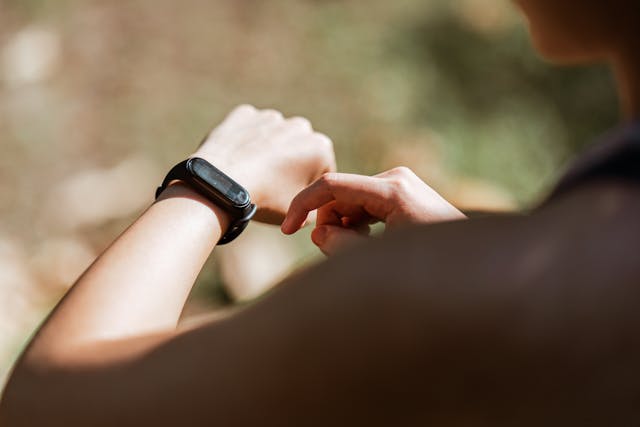
Nonetheless, the research team emphasises the potential value of daily step counts as a simple and accessible metric for physical activity that can be easily understood and tracked by the general public. Unlike other measures of fitness that may require specialised equipment or complex assessments, step counts can be monitored using smartphones or wearable devices, offering an intuitive gauge of one’s activity level. This simplicity, combined with the demonstrable health benefits observed, could make step counts a valuable tool for motivating individuals to increase their physical activity incrementally and sustainably.

The implications of these findings are far-reaching, particularly in the context of public health messaging. Current guidelines on physical activity often rely on time-based recommendations—such as 150 minutes of moderate-intensity exercise per week—which can be difficult for some people to interpret or integrate into daily routines. By contrast, a target like 7,000 steps per day offers a more tangible and relatable goal. Public health bodies may consider revising their physical activity recommendations to incorporate step counts as an alternative or complementary metric, thereby broadening the accessibility and appeal of exercise guidelines to a more diverse population.

This study also contributes to a growing body of evidence that modest lifestyle changes can lead to meaningful improvements in health. For many individuals, the idea of engaging in formal exercise routines or gym-based training can be off-putting, particularly if they are dealing with health limitations, low motivation, or time constraints. However, the simple act of walking—whether through commuting, running errands, or taking leisure strolls—presents a low-barrier entry point to better health. Framing walking as a legitimate and effective form of preventive medicine may help shift public perceptions about what counts as beneficial physical activity.

Ultimately, while further research is needed to refine our understanding of the relationship between step counts and specific health outcomes, particularly those with lower certainty, such as cancer or cognitive decline, this large-scale analysis provides compelling evidence that walking—even in moderate amounts—can offer a wide array of health benefits. As wearable technology continues to proliferate and as health systems look for scalable interventions to address rising rates of chronic disease and inactivity, daily step counts may serve as an effective and empowering strategy to enhance population health and promote longevity.

More information: Ding Ding et al, Daily steps and health outcomes in adults: a systematic review and dose-response meta-analysis, The Lancet Public Health. DOI: 10.1016/S2468-2667(25)00164-1

Journal information: The Lancet Public Health Provided by The Lancet

Stride into Digital Incentives

Walking is universally acknowledged as a simple yet powerful form of physical activity, offering extensive health benefits ranging from improved cardiovascular health to reduced risk of chronic diseases. Despite this, a significant proportion of individuals still struggle to achieve the daily step counts recommended by health authorities. In an increasingly digital world, mobile health (mHealth) applications have emerged as a potential solution to this problem. These apps, typically accessed via smartphones, can monitor users’ physical activity and deliver targeted health and wellness services. However, questions remain about their actual impact on daily walking behaviour, particularly when it comes to how their incentive structures influence user engagement and outcomes.

To address this gap, Dr Haruka Kato, a Junior Associate Professor at Osaka Metropolitan University, conducted a study examining the effects of incentive design on walking habits. The research focused on a locally developed mHealth application known as HealthSmart-Senboku, explicitly created for the residents and visitors of Senboku New Town in Japan. Unlike many mainstream health apps, HealthSmart-Senboku is unique in offering tangible, localised rewards in exchange for daily step counts. The app allows users to convert their physical activity into either shopping coupons redeemable at participating local shops or digital train tickets that can be used on the Senboku Line, operated by Nankai Railway.

The study revealed that the use of these digital incentives had a measurable positive impact on users’ walking behaviour. Over five months, individuals who opted to exchange their steps for digital train tickets increased their average daily step count by 626.2 steps, with a 95% confidence interval of 0.27 to 1252.2 steps per day. Meanwhile, users who chose to redeem their steps for shopping coupons saw an even greater boost in physical activity, averaging 715.2 additional steps per day compared to those who did not use the incentive system. These findings suggest that both types of rewards encouraged greater physical movement, though the shopping coupon appeared to be slightly more effective in promoting daily walking.

According to Dr Kato, these results point to the effectiveness of HealthSmart-Senboku’s incentive system in encouraging not only physical activity but also public transport usage. “These findings suggest that HealthSmart-Senboku’s ticket exchange incentives effectively promote active travel,” she explained. “The results highlight the potential of mHealth apps to encourage both physical activity and public transportation use toward Healthy New Towns through well-designed incentive systems.” This dual benefit is significant in urban planning contexts, where efforts to improve public health can align with broader goals around sustainability and reduced car dependency.

The implications of this research are significant for developers of digital health tools, local governments, and public health professionals. The success of HealthSmart-Senboku suggests that mHealth applications are more effective when their reward systems are grounded in local contexts and provide meaningful, practical benefits. Rather than relying solely on abstract goals or gamified points, offering real-world incentives—such as discounts at neighbourhood shops or free transport—can foster sustained engagement and promote behaviour change. This approach not only motivates individuals to walk more but also supports the local economy and encourages the use of greener travel options.

Dr Kato’s work illustrates the importance of designing mHealth interventions that are culturally and geographically attuned to the communities they serve. In Senboku New Town, the integration of physical activity tracking with digital reward systems has created a mutually beneficial cycle for individuals and the wider community. As interest grows globally in preventative healthcare and thoughtful city planning, the HealthSmart-Senboku model stands out as a compelling example of how digital innovation, when meaningfully aligned with local infrastructure and lifestyle, can contribute to healthier and more sustainable urban living. Future research may build on these findings by exploring similar incentive systems in different demographic and geographic contexts.

More information: Haruka Kato et al, Active travel effects of mHealth app that exchanges daily walking steps for digital train tickets: Quasi-experimental study using HealthSmart-Senboku, Journal of Transport & Health. DOI: 10.1016/j.jth.2025.102126

Journal information: Journal of Transport & Health Provided by Osaka Metropolitan University

Modest Increases in Walking Pace Linked to Significant Improvements in Endurance and Aerobic Fitness Among Older Adults

Frailty is a common condition in older adults that makes them more vulnerable to stress and increases the risk of problems like falling, becoming disabled, needing to go to the hospital, or even dying. It is usually described using five signs: losing weight without trying, moving more slowly, feeling weak, feeling tired all the time, and not being very physically active. Since most of these signs are linked to how active someone is, exercise is seen as a natural way to help older adults with frailty improve their mobility and overall well-being in daily life.

Walking is beneficial for older adults with frailty. It directly tackles three of the five main signs of frailty—slowness, low activity levels, and tiredness. Walking also supports the heart, lungs, blood circulation, and immune system. It can lower the risk of several health problems such as heart disease, stroke, memory loss, dementia, and sleep issues. For frail older adults, even simple daily activities like getting dressed or cooking can feel exhausting because their fitness levels are so low. Experts believe a certain level of fitness is needed to do these tasks comfortably, but many frail people don’t meet that level. Walking regularly can improve fitness and may even help reduce frailty. It’s also a practical form of exercise—it’s free, doesn’t need special equipment, and can be done in many places, making it suitable for older people with different abilities.

When planning any exercise, it’s helpful to think about how often it’s done, how long it lasts, and how hard it is. These three parts make up what’s called the “exercise dose.” Studies have shown that doing more or more strenuous exercise usually leads to better physical function. It’s easy to measure how often and how long someone exercises, but determining the intensity of the exercise can be tricky. Common ways to judge this, like checking your heart rate or asking how hard the exercise feels, aren’t always reliable for older adults. Some older people take medications that affect their heart rate, and many find it hard to tell how intense an activity is.

That’s where walking speed—or more specifically, walking cadence—comes in. Cadence means how many steps someone takes in a minute. It has become a popular way to measure how hard someone is working during a walk because it’s easy to track with devices like step counters or smartphones. Higher cadence usually means higher effort. Some studies suggest that older adults who walk at a quicker pace tend to maintain their mobility well as they age. However, most studies haven’t looked at how cadence changes during walking programmes for frail or almost frail older adults. It’s also not clear whether these adults can speed up their pace when asked to, or whether doing so helps improve their physical ability.

To better understand this, researchers looked back at information from a study that compared two walking programmes for older adults—one with higher-intensity walking and one with lower intensity. They wanted to see if the older adults in the study could increase their walking pace over time, and whether doing so helped them improve their mobility and function. Participants wore devices that tracked their steps during walks over four months. The first goal was to see if people in the higher-intensity group walked faster than those in the lower-intensity group. The researchers believed they would. The second goal was to find out if individuals who walked faster over time—regardless of their group—were more likely to see improvements in their physical ability.

This research helps show whether tracking walking pace is a valuable and straightforward way to guide exercise in older adults with frailty. If walking faster leads to better results, then this could be a practical tool for doctors, therapists, and caregivers. It could also help older adults safely improve their fitness and continue to do everyday activities on their own for longer. In the future, walking pace might be used as a guide to make sure walking routines are challenging enough to bring tangible benefits, without the need for complicated equipment or tests.

More information: Daniel S. Rubin et al, Walking cadence as a measure of activity intensity and impact on functional capacity for prefrail and frail older adults, PLOS One. DOI: 10.1007/s00394-023-03123-x

Journal information: PLOS One Provided by PLOS

Research reveals strong social infrastructure fosters healthier, more resilient communities

Despite the vast sums of money the United States invests in health care annually, the nation’s health outcomes have been steadily deteriorating. While public health scholars have long recognised that social determinants—such as where one lives, works, and goes to school—play a crucial role in shaping individual and community health, new research from the University of Kansas adds a compelling dimension to this understanding. The study finds that robust social infrastructure is closely linked to healthier populations, suggesting that how communities are socially organised may be just as critical to public well-being as clinical care.

The research draws upon a social determinants of health framework and introduces a multidimensional measure of social infrastructure, encompassing social, human, and cultural capital. Researchers found a consistent pattern: counties with stronger levels of these forms of capital also had markedly better health outcomes. Social capital was defined through indicators such as civic organisation density, human capital through education levels, and cultural capital through the presence and concentration of arts institutions. These elements, taken together, constitute what the authors term “social infrastructure”—the collective social resources that underpin community resilience and vitality.

Professor Dorothy Daley of the School of Public Affairs & Administration and the Environmental Studies Program at the University of Kansas, one of the co-authors of the study, explained that people often mistakenly equate health with access to health care alone. “That is actually just one small part of how healthy a person is,” Daley noted. “Where you live, where you work, where you go to school all shape your health, and we’re finding cultural capital can as well.” In this context, cultural capital refers to the presence of institutions and opportunities that promote artistic and creative engagement, which in turn facilitate social cohesion and individual well-being.

The study’s methodology involved compiling and analysing data from various public datasets. Health outcome metrics were sourced from the County Health Rankings and Roadmap project. At the same time, indicators of social, human, and cultural capital were aggregated to construct a composite index of social infrastructure. Lead author Alisa Moldavanova, now an associate professor at the University of Delaware, explained that although previous studies have linked arts participation with individual health benefits, this research expands the scope by investigating how community-level investments in social infrastructure affect population health more broadly. The study thus offers empirical evidence to support the notion that health policy should move beyond hospitals and clinics to encompass cultural and social assets.

Perhaps most strikingly, the research found that as levels of social, human, and cultural capital increased, the percentage of people reporting fair or poor health declined significantly. These types of capital are the product of sustained public and private investment over generations. As such, the authors argue that improving health outcomes requires a long-term commitment to nurturing these elements within communities. Public health, they contend, cannot be disentangled from the social and cultural fabric of daily life. This insight calls for a more integrated policy approach that includes the support of arts, education, and civic life as part of a broader strategy for health promotion.

In their article, published in The American Review of Public Administration, Moldavanova, Daley, and co-author John Pierce emphasise the policy implications of their findings. They argue that while physical infrastructure—such as roads, utilities, and health care facilities—remains essential, social infrastructure must be given equal priority. Especially in an era of constrained public budgets, policymakers should be cautious not to overlook the long-term benefits of investing in social and cultural institutions. “We should be mindful as policymakers of supporting cultural infrastructure,” said Moldavanova. “Even in communities without top-notch hospitals, the connection has positive effects. We shouldn’t be only looking at hospitals and physicians when thinking about health outcomes.” The study thus offers a timely reminder that building healthier communities requires not only medical resources but also the cultivation of environments where social and cultural life can flourish.

More information: Alisa Moldavanova et al, What Does it Take to Have a Healthy Community? Exploring the Role of Social Infrastructure in Shaping Public Health, The American Review of Public Administration. DOI: 10.1177/02750740251346805

Journal information: The American Review of Public Administration Provided by University of Kansas