Author Archives: support

Significant Traumatic Stress Detected in Caregivers of Adult Cancer Patients

Millions of family members and friends annually undertake the emotionally taxing role of caregivers for loved ones undergoing cancer treatment. A recent scoping review published in the Archives of Geriatrics and Gerontology Plus sheds light on the considerable mental health impacts these caregivers face. The findings indicate that a significant percentage, more than 15%, of these caregivers have post-traumatic stress disorder (PTSD). Elizaveta Klekovkina, the study’s lead author and a social worker at the Department of Supportive Care at Princess Margaret Cancer Centre, points out that caregivers are often neglected in psychosocial oncology care, leaving many without the necessary support to cope with their challenges.

The study meticulously analysed existing literature and identified several risk factors that increase the likelihood of PTSD among caregivers. These include pre-existing mental health conditions, inadequate social support, and the high burden of caregiving responsibilities. Additionally, patient-related factors like the severity of the disease, symptom burden, and perceived likelihood of death also contribute significantly to caregiver distress. Highlighting these risk factors is crucial for developing targeted interventions that can prevent and alleviate traumatic stress in caregivers, according to Klekovkina and co-author Maya Stern, both of whom are recent graduates from the Master of Social Work program at the University of Toronto’s Factor-Inwentash Faculty of Social Work.

One of the more alarming findings of the review is that caregivers of patients with particularly severe conditions, such as head and neck cancer or acute leukemia, experience distress at much higher rates, with up to 37% meeting the criteria for PTSD. The most commonly reported symptoms among these caregivers were intrusive thoughts and hypervigilance. Unlike other trauma types where avoidance is a typical response, caregivers cannot simply step away, as they remain deeply involved in the day-to-day care of their loved ones.

The scope of the review included 23 studies focused on the relationship between traumatic stress and caregivers of adult cancer patients. However, the review also pointed out significant limitations in the existing research, notably that most studies are cross-sectional with small sample sizes and lack racial and gender diversity. Carmine Malfitano, co-author and Director of research and education at the Centre for Psychology and Emotional Health, emphasised the surprising dearth of research on traumatic stress among caregivers, underscoring the urgent need for more robust studies to fill this gap in the literature and to develop proactive, evidence-based interventions that better integrate caregiver support in oncology care.

The researchers advocate for more proactive screening measures to identify and support caregivers at risk of PTSD. Esme Fuller-Thomson, the study’s senior author and Director of the Institute for Life Course & Aging at the University of Toronto, warns of the long-term impacts on the mental and physical health of caregivers if their traumatic stress is not addressed. She stresses the importance of ensuring caregivers receive early support, especially at critical moments such as diagnosis, recurrence, or during treatment transitions, to mitigate the high prevalence of PTSD and improve the overall support systems for caregivers of adult cancer patients.

More information: Elizaveta Klekovkina et al, Traumatic stress in caregivers of adult patients with cancer: A scoping review, Archives of Gerontology and Geriatrics Plus. DOI: 10.1016/j.aggp.2025.100141

Journal information: Archives of Gerontology and Geriatrics Plus Provided by University of Toronto

Ten Percent of Elderly South Asian Immigrants in Canada Suffer from Hypothyroidism

A recent study featured in the Archives of Gerontology and Geriatrics Plus revealed that 10% of South Asian immigrants over the age of 45 residing in Canada are affected by hypothyroidism. This statistic was determined after adjusting for various sociodemographic factors and health behaviours, showing that immigrants from South Asia are 77% more likely to develop hypothyroidism compared to their Canadian-born peers. Esme Fuller-Thomson, the study’s senior author and a Professor at the Factor-Inwentash Faculty of Social Work, as well as the Director of the Institute of Life Course and Aging at the University of Toronto, highlighted the significance of this finding. She noted that this is likely the first study to demonstrate such a marked increase in hypothyroidism risk among South Asian immigrants, stressing the importance of more proactive thyroid screening in this population.

The consequences of untreated hypothyroidism are severe, ranging from anemia and hypertension to high cholesterol and neurological issues. ZhiDi Deng, the study’s lead author and a medical student at the University of Alberta, suggested an intriguing area for future research. He pointed out that the disproportionately high rates of hypothyroidism among South Asian immigrants might be linked to endemic iodine deficiency in their countries of origin—a well-known cause of the condition. Unfortunately, the survey used in the study did not include data on participants’ iodine levels, which prevented further exploration of this hypothesis.

Dietary habits were also identified as significant factors associated with hypothyroidism. Karen M. Davison, a nutritional epidemiologist and co-author of the study, discussed the dietary connections uncovered by the research. She observed that individuals with lower fat intake or higher consumption of omega-3 fatty acids, fruits, vegetables, and pulses were significantly less likely to suffer from hypothyroidism. This suggests a potential avenue for non-pharmacological, nutrition-based interventions in managing or preventing the disease, though more research is needed to confirm these findings.

Age is another critical factor influencing the likelihood of developing hypothyroidism. Andie MacNeil, a PhD student at the University of Toronto and co-author, noted that individuals over 75 had double the prevalence of the condition compared to those aged between 45 and 55. She attributed this trend to autoimmune thyroiditis, a common cause of hypothyroidism among older adults, which may drive this increased prevalence.

The data for this study was sourced from the Canadian Longitudinal Study on Aging, which analyzed a sample of 26,036 Canadians between the ages of 45 and 85, of whom 1,953 individuals had hypothyroidism. The non-specific symptoms of hypothyroidism, such as fatigue, weight gain, and depression, make it difficult to diagnose without specific blood tests, especially in older adults. This highlights the need for heightened awareness and screening for thyroid conditions to prevent the adverse health effects associated with this disorder.

Esme Fuller-Thomson expressed optimism that these findings would promote increased screening for thyroid conditions among older adults, particularly those of South Asian descent. This proactive approach could help mitigate the severe health outcomes that arise from untreated hypothyroidism. The research sheds light on previously unrecognized risk factors and opens avenues for future studies to explore these risks further and potentially mitigate them.

More information: ZhiDi Deng et al, The relationship between immigrant status, cultural/racial background, and hypothyroidism among middle-aged and older Canadians: An analysis of Canadian Longitudinal Study on Aging data, Archives of Gerontology and Geriatrics Plus. DOI: 10.1016/j.aggp.2025.100129

Journal information: Archives of Gerontology and Geriatrics Plus Provided by University of Toronto
Combining Exercise and Healthy Eating Habits for Optimal Cardiovascular Health Protection

Researchers at the University of Jyväskylä’s Faculty of Sport and Health Sciences have unearthed critical insights linking physical activity levels, eating behaviours, and body fat distribution to the risk of metabolic inflammation in women, particularly post-menopause. Their findings underscore a significant increase in central body fat and a heightened risk of metabolic low-grade inflammation among women displaying disrupted eating behaviours and reduced physical activity. This inflammation is a precursor to cardiovascular diseases, which see a rise in prevalence following menopause.

The research delves into how body fat distribution evolves with the advancement of menopause and the decline of estrogen levels. Typically, fat stored around the hips and thighs migrates towards the midsection, morphing into harmful visceral fat. This shift not only predisposes women to low-grade inflammation but also increases their susceptibility to cardiovascular diseases significantly after menopause.

A focal point of the study was the interplay between health behaviours—specifically sleeping patterns, eating habits, and physical activity—and their collective impact on low-grade inflammation. The term ‘disordered eating behaviour’ used in the study describes scenarios where individuals may limit their food intake to control weight or body shape or possess a constrained understanding of acceptable foods and desirable body appearances.

Hannamari Lankila, a doctoral researcher, emphasized that the anticipated link between higher visceral fat and increased inflammation was confirmed. Visceral fat in the midsection secretes cytokines, which are inflammatory markers that elevate the risk of metabolic diseases. The study revealed that individuals exhibiting more disordered eating behaviours or lesser physical activity had a higher visceral fat accumulation, elevating their risk of inflammation.

The study further examined the combined effects of physical activity and eating behaviours. It found that increased physical activity correlates with reduced visceral fat, particularly in women who did not engage in disordered eating behaviours. However, the protective benefits of physical activity diminished when coupled with eating-related issues. Interestingly, sleep did not emerge as a significant factor in this relationship.

This investigation into the aggregated effects of health behaviours during menopause is pioneering, considering that women spend a substantial portion of their lives post-menopause, a period marked by an escalated risk of metabolic and cardiovascular conditions. The study not only highlighted the association between visceral fat and inflammation but also indicated that an integration of robust physical activity and flexible eating behaviours could more effectively mitigate the accrual of visceral fat.

Lankila pointed out that even post-menopause, it is feasible to curb the accumulation of harmful visceral fat and thus fend off the metabolic and cardiovascular diseases that might ensue. The study also incorporated assessments of sleep duration, perceived sleep quality, and physical activity through self-report questionnaires, alongside an evaluation of eating behaviours using the Eating Disorder Examination Questionnaire (EDE-Q), which includes 28 questions focusing on dietary restrictions and concerns about eating weight or body shape. Additional factors such as the participant’s age, income level, and use of menopausal hormone therapy were also considered. This comprehensive approach allows for a holistic understanding of the interdependencies between lifestyle factors and health outcomes in the critical post-menopausal phase.

More information: Hannamari Lankila et al, A mediating role of visceral adipose tissue on the association of health behaviours and metabolic inflammation in menopause: a population-based cross-sectional study, Scientific Reports. DOI: 10.1038/s41598-025-85134-8

Journal information: Scientific Reports Provided by University of Jyväskylä – Jyväskylän yliopisto

Research Suggests High Temperatures Could Accelerate Ageing in Elderly Individuals

A recent study by the USC Leonard Davis School of Gerontology indicates that increased exposure to extreme heat could accelerate the biological ageing process in older adults. This revelation raises significant concerns about the implications of climate change and heat waves on this demographic’s long-term health and molecular ageing.

Jennifer Ailshire, a senior author of the study and a professor of gerontology and sociology at the USC Leonard Davis School, stated that individuals residing in areas that frequently experience high temperatures tend to exhibit more excellent biological ageing compared to those in cooler regions. Biological age, which is determined by assessing the body’s functionality at molecular, cellular, and system levels, provides a more comprehensive measure of health than chronological age, which is calculated based on birthdate. Typically, a biological age surpassing one’s chronological age is linked to an increased risk of diseases and mortality.

Historically, extreme heat has been associated with adverse health outcomes, including a heightened mortality risk, but its direct connection to accelerated biological ageing has remained unclear until now. To explore this relationship, Ailshire and her co-author Eunyoung Choi, a postdoctoral scholar and alumna of USC Leonard Davis PhD in Gerontology, analysed the biological age of over 3,600 participants, aged 56 and above, from the Health and Retirement Study (HRS) in the United States. They looked into blood samples collected at various points over six years, examining epigenetic changes involving gene activity regulated by DNA methylation—a process that turns genes on or off.

The study utilised advanced mathematical models, known as epigenetic clocks, to assess methylation patterns and calculate biological ages at different times. These findings were then compared to the historical heat index and recorded heat days provided by the National Weather Service from 2010 to 2016. Notably, the analysis demonstrated a strong correlation between the number of extreme heat days in a neighbourhood and significant increases in biological age among the residents, even after adjusting for various socioeconomic, demographic, and lifestyle factors such as physical activity, alcohol consumption, and smoking habits.

Furthermore, Choi pointed out that individuals living in regions like Phoenix, Arizona, where temperatures frequently reach levels categorised as “Extreme Caution” or higher, experienced up to 14 months of additional biological ageing compared to those residing in areas with less than 10 heat days per year. This finding was consistent across three different epigenetic clocks used in the research, which analysed epigenetic ageing over a period ranging from one to six years.

The vulnerability of older adults to high heat is particularly concerning, and Ailshire emphasised the importance of considering both air temperature and relative humidity when assessing risk. Older individuals do not sweat as efficiently, reducing their body’s ability to cool through sweat evaporation.

The research team aims to identify other factors that may increase susceptibility to heat-related biological ageing and explore its connections to clinical outcomes. Meanwhile, the study’s results are poised to inform policymakers, architects, and urban planners about the necessity of incorporating heat mitigation and age-friendly design elements into the infrastructure updates of cities. This includes strategies such as designing shaded walkways, constructing bus stops, planting more trees, and expanding urban green spaces to protect the ageing population in increasingly warmer climates. These efforts are crucial as global climate and population age, making a clear case for enhanced strategies to address these intersecting challenges.

More information: Eunyoung Choi et al, Ambient outdoor heat and accelerated epigenetic aging among older adults in the US, Science Advances. DOI: 10.1126/sciadv.adr0616

Journal information: Science Advances Provided by University of Southern California

Effects of Smoking on the Effectiveness of Respiratory Rehabilitation and Correlation Analysis in Patients with Chronic Obstructive Pulmonary Disease: A Retrospective Analysis

In contrast to smokers, non-smokers exhibited substantial improvements in several respiratory parameters following rehabilitation, including forced expiratory volume in one second (FEV1), forced vital capacity (FVC), the FEV1/FVC ratio, maximal voluntary ventilation, and the diffusing capacity of the lung for carbon monoxide. In terms of physical endurance and oxygen utilisation, non-smokers showed marked advancements in the 6-minute walk distance and peak oxygen consumption after rehabilitation compared to their smoking counterparts.

Following rehabilitation, non-smokers achieved significantly higher scores on the St. George’s Respiratory Questionnaire, the Medical Research Council dyspnoea scale, and sleep quality assessments than smokers. It is well-established that smoking triggers chronic inflammation, oxidative stress, premature ageing, and immune dysfunction in the lungs, all of which contribute to the progressive damage to the airway epithelium, vascular endothelium, small airways, and alveoli—features characteristic of chronic obstructive pulmonary disease (COPD).

New findings underscore the cessation of smoking as a pivotal element in achieving optimal outcomes in pulmonary rehabilitation programmes. This cessation plays a crucial role in enhancing both physiological improvements and quality of life for patients suffering from respiratory ailments. The efficacy of respiratory rehabilitation is notably reduced in smokers with COPD, leading to lesser improvements in pulmonary function, exercise capacity, quality of life, and sleep patterns compared to non-smokers. Based on these findings, there is a compelling need for integrated smoking cessation support within pulmonary rehabilitation programmes to maximise therapeutic outcomes for patients with COPD.

More information: Mingzhen Li et al, The impact of smoking on respiratory rehabilitation efficacy and correlation analysis in patients with chronic obstructive pulmonary disease: a retrospective study, Journal of Thoracic Disease. DOI: 10.21037/jtd-24-1267

Journal information: Journal of Thoracic Disease Provided by National Center for Respiratory Medicine

Research unveils the role of the aging immune system in accelerating cancer development, potentially paving the way for novel preventive strategies

Researchers at the Icahn School of Medicine at Mount Sinai have embarked on a pivotal investigation addressing a critical yet often overlooked question in cancer research: Why does cancer risk intensify with age? Their findings highlight the role of the ageing immune system in promoting tumour growth, opening new areas for cancer prevention and treatment, particularly among older adults.

The study utilises preclinical models to explore how anakinra, a drug commonly used for inflammatory conditions such as rheumatoid arthritis, could be repositioned to disrupt the detrimental interactions between early lung cancer lesions and bone marrow. The researchers explain that this discovery is significant because as the immune system ages, it fosters inflammation that can accelerate cancer development.

Matthew D. Park, PhD, a sixth-year MD/PhD student at Icahn Mount Sinai and the study’s lead author, under the guidance of Miriam Merad, MD, PhD, notes that ageing immune systems trigger harmful inflammation that supports cancer growth by promoting the accumulation of pro-tumour macrophages. These immune cells suppress other immune cells that usually attack tumour cells, weakening the body’s ability to combat cancer.

Dr. Merad, who is the Dean for Translational Research and Therapeutic Innovation, Director of the Marc and Jennifer Lipschultz Precision Immunology Institute, and Chair of Immunology and Immunotherapy at Icahn Mount Sinai, discusses how their team found that by blocking specific inflammatory pathways—particularly those involving molecules called interleukin-1⍺ (IL-1⍺) and IL-1β—this damaging process could be reversed in mouse models. This suggests a potential new approach to cancer prevention in humans.

The communication between early lung cancer lesions and immune stem cells in the bone marrow via IL-1⍺/β illustrates how an ageing immune system contributes to cancer progression. In their study, the team visually differentiated tumour cells that express the receptor for IL-1⍺/β from those that do not, providing a clear, illustrative representation of the cellular interactions.

Cancer becomes increasingly prevalent with age, with incidence rates spiking sharply after the age of 60. Although various theories have been proposed, including the cumulative effects of environmental damage and genetic mutations, there has been little concrete data to explain why ageing is so closely linked to cancer progression. The team’s use of mouse models to investigate how ageing affects cancer progression shed light on this relationship. They found that cancers of the lung, pancreas, and colon grew more rapidly in older mice compared to younger ones.

The researchers simulated the effects of the immune system’s ageing by using bone marrow transplants from young or old mice. They discovered that an aged immune system accelerates cancer growth even in young mice. More strikingly, they found that rejuvenating the immune system significantly reduced cancer growth in older mice.

Dr Merad emphasises that this is the first robust evidence confirming that chronic inflammation from an ageing immune system predisposes individuals to cancer. This research not only advances the lab’s prominence in the field of immune ageing but also sets the stage for future investigations into its connections with cancer and other age-related conditions such as cardiovascular disease and infections. Dr Thomas Marron, co-senior author and Director of the Early Phase Trial Unit at Mount Sinai’s Tisch Cancer Institute reveals that based on these findings, early-phase clinical trials using anakinra in high-risk patients have commenced, aiming to test whether targeting the immune system can effectively prevent cancer progression. The ultimate goal is to develop preventive strategies that mitigate harmful inflammation in older adults, thus significantly reducing cancer incidence.

More information: Matthew D. Park et al, Hematopoietic aging promotes cancer by fueling IL-1⍺–driven emergency myelopoiesis, Science. DOI: 10.1126/science.adn0327

Journal information: Science Provided by The Mount Sinai Hospital / Mount Sinai School of Medicine

Even Minimal Moderate to Vigorous Exercise Significantly Lowers Dementia Risk

The recent study conducted by researchers at the Johns Hopkins Bloomberg School of Public Health highlights the significant impact that minimal physical activity can have on reducing the risk of dementia, particularly among older adults who are frail. According to the study, 35 minutes of moderate to vigorous exercise each week, compared to no exercise at all, can lower the risk of dementia by 41% over a four-year follow-up period. This finding is crucial for frail older adults, who are generally considered to be at a higher risk of adverse health outcomes.

The study further reveals a sliding scale of benefit; as physical activity increases, the risk of dementia correspondingly decreases. Specifically, participants engaging in 35 to 69.9 minutes of physical activity per week saw their risk decrease by 60%, those with 70 to 139.9 minutes per week had a 63% reduction and a notable 69% decrease in risk was observed in individuals who exercised for more than 140 minutes per week. These findings were derived from an analysis of nearly 90,000 adults in the UK; all tracked using smart-watch-type activity trackers that monitored their physical activity levels.

The results of this study, published on January 15 in the Journal of the American Medical Directors Association, are part of a broader narrative that underscores the importance of physical activity in the prevention of age-related diseases like dementia. Dementia, particularly Alzheimer’s disease, is one of the most common conditions in older age, affecting an estimated seven million people in the U.S. alone. It has been increasingly recognised that lifestyle changes, including better management of cholesterol, blood pressure, and blood sugar levels, alongside increased physical activity, can potentially mitigate the risk of developing dementia.

Dr Amal Wanigatunga, the study’s lead author and an assistant professor in the Bloomberg School’s Department of Epidemiology, emphasised the significance of their findings. He pointed out that even an incremental increase in physical activity—such as five minutes per day—could reduce dementia risk for older adults. This is particularly pertinent given the challenge many older adults face in meeting the high levels of exercise recommended by health guidelines, which typically advocate for at least 150 minutes of moderate-intensity exercise per week.

The study’s methodology involved extensive data analysis from the UK Biobank project, which tracked 89,667 adults, primarily in their 50s and older, using wrist-worn accelerometers. These devices monitored the participants’ physical activity over a week between February 2013 and December 2015, with health follow-ups continuing until November 2021. During the follow-up period, 735 participants were diagnosed with dementia. The analysis accounted for various factors, including age and pre-existing medical conditions, and it revealed a strong association between increased physical activity and decreased risk of dementia. This association held even when adjusting for individuals with varying degrees of frailty.

Interestingly, the study also considered the potential for reverse causation—whereby early, undiagnosed dementia could lead to decreased physical activity rather than the other way around. By excluding dementia diagnoses from the first two years of follow-up, the researchers confirmed that the association between higher activity levels and lower dementia risk remained robust.

Wanigatunga’s team suggests that these findings should encourage further research, particularly clinical trials, to explore low-dose exercise as a viable strategy for dementia prevention. This approach could significantly alter public health strategies, offering a more accessible and realistic method for increasing physical activity among the older population, which could have a profound impact on the prevalence of dementia and related disorders.

More information: Amal Wanigatunga et al, Moderate-to-Vigorous Physical Activity at any Dose Reduces All-Cause Dementia Risk Regardless of Frailty Status, Journal of the American Medical Directors Association. DOI: 10.1016/j.jamda.2024.105456

Journal information: Journal of the American Medical Directors Association Provided by Johns Hopkins Bloomberg School of Public Health

Novel Domestic Intervention May Decrease Emergency Hospital Visits Among the Elderly

A groundbreaking service designed to support older adults who are beginning to experience frailty has the potential to significantly reduce emergency hospital admissions by more than a third, offering considerable cost savings to the NHS. This finding comes from a study by University College London (UCL) researchers. The research, which was published in The Lancet Healthy Longevity, received funding from the National Institute for Health and Care Research (NIHR). The study investigated the efficacy and cost-effectiveness of a new service involving six personalised home visits by a support worker, who tailored each visit to meet the specific needs of the individual to help them stay well and independent.

The interventions provided during these visits included home exercise programs, nutritional advice to enhance energy levels, methods for improving mental well-being, and initiatives to increase social connections. These interventions were tested through a clinical trial involving 388 participants aged 65 and older, all assessed as having mild frailty, across three UK locations: London, Hertfordshire, and Yorkshire. Of these participants, 195 were randomly allocated to receive the new service, while the remaining 193 continued receiving their usual care without additional support.

Frailty among the elderly typically results in a diminished ability to recover from health issues, leading to an increased likelihood of disability, more frequent hospitalisations, and a greater need for care. The trial followed participants for a year to evaluate the impact of the service on their health and independence.

The results were significant. Those who received the new service experienced a 35% reduction in unplanned hospital admissions, translating into an average savings of £586 per person to the NHS over the year. Professor Kate Walters from UCL’s Department of Epidemiology & Health Care, the study’s lead author, highlighted the collaborative approach in developing the service, which involved experts, elderly individuals, and caregivers. The aim was to help people with mild frailty maintain independence and enjoy better health for extended periods.

Further benefits observed from the service included modest improvements in participants’ well-being, psychological distress, and frailty scores. However, the service did not significantly improve levels of independence in self-care tasks. Despite this, the overall findings support the current health policy focus on reducing hospital pressure through enhanced community and preventive care.

Andrew Farmer, Director of the NIHR Health Technology Assessment (HTA) Programme, praised the HomeHealth intervention for helping older adults with mild frailty stay independent, thus improving their quality of life and reducing hospital and care costs. He emphasised that focusing on key areas such as strength, nutrition, and social engagement helps reduce deterioration and the subsequent need for more intensive support. According to Farmer, high-quality research like this is crucial for advancing future health and care practices.

With the proper funding and support, the researchers believe the service could be rolled out to patients nationwide within two years. Professor Walters also noted the potential for significant financial benefits to the health service from investing in preventive measures, which could lead to savings in other areas of the system. The study was conducted in collaboration with Age UK, which was instrumental in delivering the service as part of the trial.

More information: Kate Walters et al, Clinical and cost-effectiveness of a home-based health promotion intervention for older people with mild frailty in England: a multicentre, parallel-group, randomised controlled trial, The Lancet Healthy Longevity. DOI: 10.1016/j.lanhl.2024.100670

Journal information: The Lancet Healthy Longevity Provided by University College London

Examining the Advantages and Risks of Intensive Blood Pressure Reduction in Elderly Populations with Diverse Traits

The Systolic Blood Pressure Intervention Trial (SPRINT) findings suggest that lower blood pressure targets can benefit community-dwelling older adults with hypertension by decreasing the risk of cardiovascular diseases and premature mortality. However, intensive efforts to lower blood pressure may also elevate the likelihood of acute kidney injury and episodes of critically low blood pressure. A recent study published in the Journal of the American Geriatrics Society has delved into the benefits and drawbacks of aggressive blood pressure reduction across different patient demographics.

The study discovered that almost all elderly participants in SPRINT derived a positive net benefit from aiming for a systolic blood pressure target below 120 mmHg rather than below 140 mmHg. This indicates that the advantages of this lower target surpassed the associated risks for nearly all individuals involved in the trial.

Moreover, the research highlighted that older adults in the community who are advanced, exhibit signs of frailty, or are on multiple prescription medications experienced more excellent overall benefits from a reduced systolic blood pressure goal. This was the case despite these groups facing higher treatment-related adverse effects.

The study authors concluded that the findings from SPRINT are applicable on an individual basis for noninstitutionalised, ambulatory, community-dwelling older adults who meet the SPRINT eligibility criteria. This individualised approach takes into account the risks and preferences specific to each person. The study emphasises that advanced age, frailty, and the use of multiple medications should not prevent healthcare providers from advocating for intensive blood pressure management strategies. This tailored approach helps in making informed decisions about managing blood pressure intensively without overlooking the potential risks involved.

More information: Mitra S. Jamshidian et al, Individualized Net Benefit of Intensive Blood Pressure Lowering Among Community-Dwelling Older Adults in SPRINT, Journal of the American Geriatrics Society. DOI: 10.1111/jgs.19395

Journal information: Journal of the American Geriatrics Society Provided by Wiley

Unravelling the Connection Between Colorectal Cancer Risk and Steatotic Liver Disease

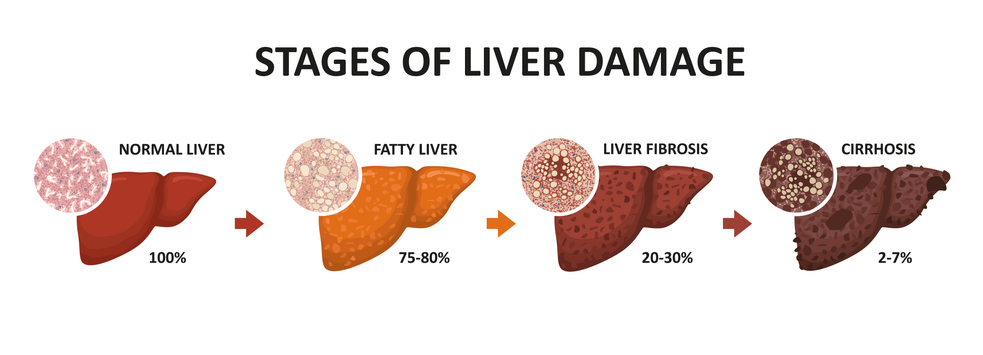
Alcoholic and non-alcoholic fatty liver disease, collectively known as NAFLD, are established risk factors for colorectal cancer (CRC). Over recent years, NAFLD has been recognised as a diverse disease closely associated with metabolic dysfunction, leading to its redefinition under the broad term ‘steatotic liver disease’ (SLD). However, the specific risks of CRC across the various SLD subtypes are poorly understood. Recent findings by a team of researchers from Japan have highlighted significant variations in CRC risk among these subgroups, particularly noting that individuals with alcoholic liver disease face the highest risk.

In the contemporary landscape of health, lifestyle-related disorders are increasingly prevalent, posing a significant public health challenge. Notably, non-alcoholic fatty liver disease affects a substantial portion of the global population. It is intricately linked to other severe conditions such as diabetes, obesity, and metabolic syndromes, which in turn increase the risk of further complications like liver cancer and cardiovascular diseases.

While it is known that alcohol consumption and obesity are key risk factors for CRC, one of the leading causes of cancer-related death, there is growing evidence to support the link between NAFLD and CRC. The reclassification of NAFLD under steatotic liver disease has brought about a more nuanced understanding of these links. SLD is now categorised based on alcohol consumption into three distinct groups: metabolic dysfunction-associated SLD (MASLD), MASLD with increased alcohol intake (MetALD), and alcohol-associated liver disease (ALD). This redefinition highlights the complexity and heterogeneity within liver diseases, prompting further investigation into how CRC risks vary among these groups.

Aiming to address this knowledge gap, a research team led by Dr Takefumi Kimura from the Division of Gastroenterology at Shinshu University School of Medicine, in collaboration with Dr Nobuharu Tamaki from Musashino Red Cross Hospital and Dr Shun-Ichi Wakabayashi from Shinshu University School of Medicine, carried out a comprehensive population-based study. Their research, published in Clinical Gastroenterology and Hepatology in January 2025, compared the CRC incidence and risk among patients with different subtypes of SLD against a control group without known liver diseases.

Dr. Kimura explains that the study’s aim was to identify and screen SLD patients at an elevated risk of CRC to facilitate early detection and improve outcomes. The study also stressed the importance of raising awareness among these patients about their increased risk and the benefits of regular screening. The study meticulously tracked CRC diagnoses among patients with SLD over a period of 4.5 years. The findings revealed that 0.19% of the patients were diagnosed with CRC within this timeframe.

Notably, the risk of developing CRC was significantly higher in patients with ALD (1.73 times greater), followed by those in the MetALD (1.36 times) and MASLD (1.28 times) subgroups. These findings underscore the importance of differentiated screening strategies and risk assessments for patients with SLD based on the newly established subcategories.

The variation in CRC risk among these subgroups could be attributed to their distinct pathological processes and interactions with other co-existing conditions. For instance, alcohol might contribute to CRC development through the generation of harmful metabolites, oxidative stress, and DNA damage. In contrast, MASLD/NAFLD is often associated with increased inflammation, metabolic imbalances, and insulin resistance, which could similarly elevate CRC risk. Dr. Kimura concludes by emphasising that the study’s robust dataset, which included data from approximately 6.38 million individuals, offers compelling evidence of the individual and combined effects of alcohol consumption and metabolic dysfunction on CRC risks. He advocates for enhanced and targeted screening programs, especially for patients in high-risk categories such as those with ALD and MetALD, to promote early detection of CRC and reduce CRC-related mortality. This research not only sheds light on the complex interactions between liver disease subtypes and colorectal cancer risk but also paves the way for more effective preventive strategies tailored to the specific needs of different patient groups.

More information: Takefumi Kimura et al, Colorectal Cancer Incidence in Steatotic Liver Disease (MASLD, MetALD, and ALD), Clinical Gastroenterology and Hepatology. DOI: 10.1016/j.cgh.2024.12.018

Journal information: Clinical Gastroenterology and Hepatology Provided by Shinshu University

Research Shows the Effect of Physical Exercise on Sleep Quality Among Elderly During the COVID-19 Pandemic

On 15 January 2025, the journal Aging (Aging-US) published a research paper in Volume 17, Issue 1, entitled “Association between physical activity practice and sleep quality of older people in social isolation during the COVID-19 pandemic and Health Guidelines and future studies for the post-COVID period: a systematic review.” This comprehensive study was conducted by Alexandro Andrade, Ana Cecília Rosatelli de Freitas Bastos, Anderson D’Oliveira, and Guilherme Torres Vilarino from the Santa Catarina State University (UDESC) in Brazil. It aimed to dissect the linkage between physical activity (PA) and sleep quality amidst the older adult population who were socially isolated during the COVID-19 pandemic.

The investigation highlighted how reduced physical activity levels during social isolation adversely affected sleep health, accentuating the necessity of regular physical movement within ageing communities. This review meticulously analysed data from nine studies that surveyed over 11,500 elderly individuals from diverse geographical locations, including China, Japan, Brazil, Scotland, Canada, Italy, and Spain. The analysis highlighted that in four of these studies, a decline in physical activity was correlated with diminished sleep quality. Conversely, one study reported that individuals who sustained their physical activity levels enjoyed better sleep patterns. In contrast, the remaining four studies did not demonstrate any significant relationship between physical activity and sleep quality.

Adequate quality sleep is indispensable for healthy ageing, considering that sleep disturbances are often associated with cognitive decline, depression, and diminished mental well-being. The unique challenges posed by the COVID-19 pandemic, such as escalated stress levels, heightened isolation, and increased anxiety, further deteriorated sleep health. The researchers advocated for active lifestyles, recommending activities like walking, stretching, and structured exercise routines to ameliorate sleep quality and enhance overall mental health during such critical times.

The study underscored the significance of physical activity as an easily accessible intervention to bolster sleep quality among older adults, especially during crises. It encouraged integrating regular exercise into daily routines as a preventative measure against sleep disorders and to foster overall well-being in ageing populations. The researchers noted, “Physical activity can be considered a safe and effective practice to improve sleep quality in older adults due to its well-documented benefits in the literature.”

As society progresses beyond the pandemic, the authors called for formulating and implementing public health policies that actively promote physical activity amongst the senior population. Health professionals and caregivers are urged to advocate for consistent physical activity as a preventive strategy against insomnia, poor sleep, and associated mental health issues while also highlighting the long-term consequences of physical inactivity. The importance of further research into the optimal types and intensities of physical activity that best improves sleep quality in older adults was also emphasised.

The paper recommended individual and group exercise and physical activity in the post-COVID scenario. Such measures aim to mitigate the adverse effects of social isolation and enhance the sleep quality of older adults. Future research is expected to delve into how various exercise routines can specifically impact sleep health, particularly for older adults recovering from COVID-19 or continuing to face ongoing sleep challenges.

More information: Alexandro Andrade et al, Association between physical activity practice and sleep quality of older people in social isolation during the COVID-19 pandemic and Health Guidelines and future studies for the post-COVID period: a systematic review, Aging-US. DOI: 10.18632/aging.206180

Journal information: Aging-US Provided by Impact Journals LLC

Emory Study Reveals Higher Heart Disease Rates in Black Women Linked to Childhood Trauma

Recent research from Emory University has revealed that childhood trauma may cause physiological alterations in the hearts of Black women, leading to more severe cardiovascular conditions. The study involved over 400 Black adults from Atlanta, aged between 30 and 70, and focused on examining the effects of early traumatic experiences on vascular health. The findings indicated that women who suffered from childhood trauma displayed significantly impaired vascular function, a key early indicator of heart disease. In contrast, their male counterparts did not exhibit such changes. Furthermore, the study highlighted a heightened susceptibility among women to the cumulative burden of stress, which triggers various physiological stress responses.

Telisa Spikes, RN, PhD, the lead researcher and a professor at the Nell Hodgson Woodruff School of Nursing at Emory University, emphasised the critical nature of heart disease, particularly among women. “Heart disease remains the foremost cause of death among women,” Spikes stated. She elaborated on the grave impacts of stress on cardiovascular health, noting that recent research efforts are beginning to uncover the tangible effects of stress, particularly stress stemming from social sources, on heart health. According to Spikes, these findings are crucial in understanding how stress ‘gets under the skin’ and detrimentally affects cardiovascular health, with Black women being particularly vulnerable.

The research was conducted at the Morehouse-Emory Cardiovascular Center for Health Equity and identified that childhood trauma in women could lead to arterial stiffness. In this serious condition, the arteries malfunction, increasing the risk of major cardiovascular events like strokes and heart attacks. This trauma also contributes to other severe conditions, such as high blood pressure and damage to small blood vessels, which can adversely affect organs like the kidneys and brain.

The methodology of the study involved a detailed questionnaire that helped assess participants’ trauma exposure across various domains, including general trauma and emotional, sexual, and physical abuse.
Despite similar exposure levels to traumatic events between genders, the study observed vascular dysfunction only in women. This suggests a gender-specific biological impact of trauma, with no significant vascular issues noted among the male participants. Furthermore, other demographic factors such as marital status, education, and income levels were comparable between men and women, with many participants earning less than $25,000 annually. Both groups also showed similar rates of blood pressure, glucose levels, triglycerides, diabetes, and hypertension.

The findings suggest that the different types and durations of trauma exposure between genders may influence how stress is experienced and processed. Notably, women are often more susceptible to chronic forms of trauma, such as sexual abuse, while men are more likely to report physical abuse. The study also highlighted a higher overall prevalence of childhood maltreatment in Black communities, compounded by adverse social stressors, potentially leading to an increased reliance on unhealthy coping strategies.

Spikes found it particularly revealing that both men and women in the study had low cardiovascular risk profiles. Yet, the impact of trauma was significantly more pronounced in women, suggesting a distinct correlation between traumatic experiences and cardiovascular health in Black women compared to men. This disparity could partly explain the higher prevalence and earlier onset of high blood pressure among Black women compared to women from other racial and ethnic backgrounds.

In conclusion, Spikes advocated incorporating trauma-informed assessments in clinical settings to predict better and mitigate cardiovascular risks. It is vital to recognise the different ways women and men process and appraise stressors, which in turn influences their neurobiological responses. Spikes also emphasised the intertwined nature of mental well-being and cardiovascular health, proposing that a psychosocial questionnaire could be a critical screening tool in clinical practice to assess the risk of cardiovascular disease more effectively. This approach highlights the need for a holistic understanding of patient histories to enhance health outcomes, particularly in vulnerable populations.

More information: Telisa Spikes et al, Effect of Early Life Trauma Exposure on Vascular Dysfunction in Black Men and Women, Journal of the American Heart Association. DOI: 10.1161/JAHA.124.036498

Journal information: Journal of the American Heart Association Provided by Emory Health Sciences