Author Archives: support

Research Reveals How Elevated Blood Sugar Heightens Thrombosis Risk

A study conducted at the Center for Research on Redox Processes in Biomedicine (Redoxoma) sheds light on how high blood sugar (hyperglycemia), a key symptom of diabetes, can contribute to thrombosis. Published in the Journal of Thrombosis and Haemostasis, the findings offer valuable insights that could inform the development of preventive strategies for cardiovascular diseases in individuals with diabetes.

According to Renato Simões Gaspar, the first author of the study, cardiovascular events like heart attacks and strokes, which are common causes of death in Brazil and other Latin American countries, are often precipitated by arterial thrombosis. Hyperglycemia, along with other risk factors such as dyslipidemia and hypertension, is mainly associated with an increased risk of cardiovascular diseases. “Hyperglycemia appears to be significantly linked to cardiovascular dysfunction,” said Gaspar.

The research was supported by FAPESP and carried out during Gaspar’s postdoctoral research under the leadership of Francisco Laurindo, the last author of the article. Laurindo, a professor at the University of São Paulo’s Medical School (FM-USP) and a member of Redoxoma, collaborated with Gaspar in this investigation. Redoxoma is a Research, Innovation, and Dissemination Center (RIDC) established by FAPESP at the Institute of Chemistry (IQ-USP). Gaspar is a faculty member at the State University of Campinas (UNICAMP).

The study focuses on the relationship between prolonged hyperglycemia, diabetic ketoacidosis, and an increased risk of thrombosis. These conditions cause endothelial dysfunction, disrupting the blood vessel lining, which plays a pivotal role in platelet adhesion and thrombus formation. This mechanism underpins the heightened susceptibility to thrombosis seen in individuals with diabetes.

The research specifically explored the role of peri/epicellular protein disulfide isomerase A1 (pecPDI) in regulating platelet-endothelium interactions in hyperglycemia. The study revealed that pecPDI, through adhesion-related proteins and changes to endothelial membrane biophysics, is critical in mediating thrombosis in diabetic conditions. “We discovered that a pathway for PDI in endothelial cells mediates thrombosis in diabetes when hyperglycemia is present, involving a specific molecular mechanism that we identified,” said Laurindo.

PDI, an enzyme located in the endoplasmic reticulum, facilitates the formation of disulfide bridges in nascent proteins, ensuring that they fold into their correct three-dimensional structure. PecPDI, a form of PDI found in the extracellular space, is secreted or bound to the cell surface in various cells, including platelets and endothelial cells. Previous studies have shown that pecPDI regulates thrombosis across different models.

To delve deeper into the interaction between platelets and endothelial cells under hyperglycemic conditions, the researchers developed a model using human umbilical vein endothelial cells cultured under different glucose concentrations. This model generated both normoglycemic and hyperglycemic cells, allowing the team to assess the impact of PDI on platelet adhesion using PDI or pecPDI inhibitors. The results were striking: platelets adhered almost three times more to hyperglycemic cells than to normoglycemic ones. However, inhibiting PDI reversed this effect, suggesting that pecPDI plays a critical role in platelet-endothelium interactions during hyperglycemia.

To further understand these findings, the researchers examined biophysical changes such as cytoskeleton remodelling in endothelial cells. They discovered that hyperglycemic cells exhibited more structured actin filament fibres than normoglycemic cells. Additionally, they measured hydrogen peroxide production, as reactive oxygen species are key mediators of cytoskeleton reorganisation and cell adhesion—hyperglycemic cells produced twice as much hydrogen peroxide as their normoglycemic counterparts.

The team also explored whether cytoskeleton reorganisation affected cell membrane stiffness, influencing platelet adhesion. Using atomic force microscopy, they confirmed that hyperglycemic cells were stiffer than normoglycemic ones. The microscope images revealed elongations in the cells, accompanied by extracellular vesicles that appeared to detach from the elongations. This prompted the researchers to investigate the secretome—the collection of proteins secreted by cells into the extracellular space—to determine if these vesicles contained proteins that promoted platelet adhesion.

The researchers identified 947 proteins in the secretome of hyperglycemic cells, of which eight were involved in cellular adhesion. Using RNA interference to silence gene expression for three of these proteins, they found that two proteins, SLC3A2 and LAMC1, played key roles in modulating platelet adhesion. SLC3A2 is a membrane protein, while LAMC1 is a subunit of laminin 1, a critical extracellular matrix component.

The study’s overall conclusion is that hyperglycemia triggers the secretion of specific proteins that promote platelet adhesion. Inhibition of PDI and pecPDI prevented endothelial cells from secreting these proteins, offering a potential target for therapeutic intervention to reduce thrombosis risk in diabetic patients.

This research underscores the complex interplay between hyperglycemia, endothelial dysfunction, and thrombosis. Identifying the molecular mechanisms involved opens up new avenues for preventing cardiovascular complications in individuals with diabetes, potentially leading to more effective treatments for reducing the burden of cardiovascular diseases in diabetic populations.

More information: Renato S. Gaspar et al, Endothelial protein disulfide isomerase A1 enhances membrane stiffness and platelet-endothelium interaction in hyperglycemia via SLC3A2 and LAMC1, Journal of Thrombosis and Haemostasis. DOI: 10.1016/j.jtha.2024.08.001

Journal information: Journal of Thrombosis and Haemostasis Provided by Fundação de Amparo à Pesquisa do Estado de São Paulo


Inconsistent Sleep Patterns Associated with Increased Risk of Serious Cardiovascular Incidents

An irregular sleep-wake cycle, even when fulfilling the recommended amount of sleep, is linked with an increased risk of major cardiovascular events, including heart attack and stroke. This association was revealed in a study published in the Journal of Epidemiology & Community Health, which delves deeper into the impact of sleep patterns on health, a relatively less explored area than sleep duration.

The research utilised data from 72,269 individuals aged between 40 and 79 who were participants in the UK Biobank study and had no prior history of significant cardiovascular events. These participants were monitored over a week with an activity tracker that recorded their sleep. This data helped calculate each individual’s Sleep Regularity Index (SRI) score. Based on the SRI scores, the participants were categorised into three groups: those with a score above 87 were deemed to have regular sleep patterns, scores below 72 indicated irregular sleepers and scores between these values were considered moderately irregular.

Over the following eight years, the study tracked incidents of cardiovascular mortality, heart attack, heart failure, and stroke using death registries and hospital records. This enabled researchers to correlate the risk of these cardiovascular events with the participants’ sleep patterns. After adjusting for several potential influencing factors such as age, lifestyle, diet, and mental health, the findings indicated that individuals with irregular sleeping patterns were 26% more likely to experience a major cardiovascular event compared to those with regular sleep patterns. Those with moderately irregular sleep patterns exhibited an 8% increased risk.

Further analysis highlighted a nearly linear relationship between lower SRI scores and higher risk of cardiovascular events, with a more significant decrease in risk noted at higher SRI scores. Interestingly, while 61% of regular sleepers met the recommended sleep duration of 7 to 9 hours for adults aged 18 to 64 and 7 to 8 hours for those over 65, only 48% of irregular sleepers achieved this. However, meeting the recommended sleep duration did not significantly mitigate the risk for irregular sleepers, though it did reduce the risk for moderately irregular sleepers.

It’s crucial to note that this observational study cannot definitively establish causality. The researchers acknowledged several limitations to their findings. For example, the sample size, although significant, may not perfectly reflect the broader UK population. Sleep patterns were assessed for one week, and the activity tracker could not differentiate between quiet wakefulness and actual sleep. Furthermore, considering only the most extended sleep period, the SRI algorithm did not account for napping.

Despite these limitations, the study’s results strongly suggest that irregular sleep significantly correlates with the risk of major adverse cardiovascular events in adults, regardless of meeting sleep duration recommendations. The findings underscore the importance of sleep regularity over mere duration in influencing cardiovascular health risks.
The researchers advocate for a greater focus on sleep regularity in public health guidelines and clinical practice, highlighting its potential role in cardiovascular health management. This shift in focus could lead to more effective strategies in preventing cardiovascular events, emphasising how long we sleep and how consistently we adhere to our sleep schedules.

More information: Jean-Philippe Chaput et al, Sleep regularity and major adverse cardiovascular events: a device-based prospective study in 72 269 UK adults, Journal of Epidemiology and Community Health. DOI: 10.1136/jech-2024-222795

Journal information: Journal of Epidemiology and Community Health Provided by BMJ Group

Assessing the Impact of Disease and Addressing Treatment Challenges in Primary Progressive Aphasia

Imagine the frustration of slowly losing the ability to express yourself, not due to a lapse in memory but because the words you wish to say stubbornly refuse to be spoken. This is the harsh reality faced by those afflicted with primary progressive aphasia (PPA), a relatively uncommon form of dementia that typically manifests in middle age and gradually deteriorates language abilities over time.

At the University of Chicago Medicine, a team of dedicated researchers is shedding light on the challenges encountered by individuals with PPA and are pioneering accessible treatment options. Their recent publications offer new insights into the substantial effect PPA has on quality of life and highlight the viability of telemedicine interventions on an international scale. This breakthrough might revolutionise care delivery and influence policy decisions.

PPA stands distinct in the spectrum of neurological disorders because it predominantly impairs language skills, unlike the more familiar Alzheimer’s dementia, which initially affects memory. Emily Rogalski, PhD, the Rosalind Franklin PhD Professor of Neurology at UChicago and a prominent figure in this research area, emphasises that PPA is often neglected in academic studies due to the difficulty in gathering large participant groups, which can obscure the true breadth of lived experiences.

Moreover, Rogalski points out the frequent oversight of PPA in clinical settings, particularly among individuals from lower socioeconomic backgrounds, leading to underdiagnosis and, consequently, a lack of appropriate care. This issue is compounded by the geographical and financial barriers many face when seeking specialised medical advice and treatment.

PPA’s early onset poses unique challenges. Rogalski notes, “Individuals with PPA are often still active in their careers and may be caring for young children at home.” This affects the patients and places a substantial burden on their families, affecting familial relationships and economic stability.

Rogalski and her team utilised the Health Utilities Index (HUI) to understand how PPA affects daily life. This well-established tool assesses various aspects of well-being, such as physical capabilities, emotional health, and cognitive functions. The findings confirmed the severe impact of PPA on health-related quality of life, correlating more significant language impairment with lower quality of life, particularly affecting hearing, sensation, cognition, and speech abilities.

Thomas Hopkins, PharmD, MS, the study’s lead author, explained that the research aimed not only to gather detailed data on the quality of life for those with PPA but also to enable direct comparisons with other diseases. This generic measurement tool is invaluable for policymakers and health resource allocators, ensuring comprehensive, comparative health metrics inform decisions.

This quality-of-life data is crucial for influencing decisions regarding research funding, insurance regulations, and disability coverage. It equips researchers, patients, and their families with the evidence needed to advocate for more substantial support and resources.

Concurrently, Rogalski and her colleagues have been exploring the potential of telemedicine in delivering speech-language therapy to PPA patients, a method that transcends geographic and economic barriers. Their study successfully enrolled 95 pairs of PPA patients and their primary caregivers from four countries, demonstrating the feasibility of using remote recruitment and video chat interventions.

This successful deployment of telemedicine facilitates equitable care and sets a potential model for future research and interventions across various dementia syndromes and conditions. Rogalski envisions this framework as adaptable for broader advocacy and intervention strategies.

Despite the lack of a cure for PPA, the role of care partners in these studies is pivotal. They provide essential perspectives on the everyday challenges and diverse needs that span family dynamics and various life situations, giving families a platform to voice their experiences.

Although challenges in diagnosing and treating PPA persist, and no curative therapy has been developed, these research advances offer hope and practical support to affected families. Rogalski passionately advocates for enhancing aspects of daily life that can be controlled, such as independence, emotional well-being, and confidence, while the search for pharmacological solutions continues. This approach provides hope and practical aid to those navigating the difficult journey of PPA, reinforcing the belief that improving quality of life in tangible ways is equally as crucial as pursuing a medical cure.

More information: Emily Rogalski et al, Communication Bridge-2 randomized controlled trial: Recruitment and baseline features, Alzheimer’s & Dementia. DOI: 10.1002/alz.14168

Journal information: Alzheimer’s & Dementia Provided by University of Chicago Medical Center

Scientists Discover that Disrupted Sleep Is a Key Symptom of the Most Prevalent Liver Disorder

Metabolic dysfunction-associated steatotic liver disease (MASLD), previously known as non-alcoholic fatty liver disease, is becoming increasingly common globally, exacerbated by rising obesity rates and sedentary lifestyles. MASLD is now the most prevalent liver disorder, affecting 30% of adults and 7% to 14% of children and adolescents. Projections suggest that by 2040, over 55% of adults may be affected. Individuals with MASLD are at a significantly increased risk of developing a range of serious health issues, including diabetes, hepatocellular carcinoma, other non-liver cancers, chronic kidney disease, sarcopenia (age-related muscle loss), and cardiovascular disease.

Previous research has pointed to disruptions in the circadian rhythm and sleep patterns as contributing factors in the onset of MASLD. The American Academy of Sleep Medicine, recognizing the need for more definitive evidence, has recommended the use of objective diagnostic methods over subjective tools like sleep questionnaires to establish the connection between sleep and circadian rhythm disorders and the development of MASLD and its more severe form, MASH (metabolic-associated steatohepatitis). MASH leads to liver inflammation and scarring due to excessive fat accumulation.

In a pioneering study, Dr Sofia Schaeffer, a postdoctoral researcher at the University of Basel and Basel’s University Center for Gastrointestinal and Liver Diseases, employed 24/7 actigraphy—a method that uses a wrist-worn sensor to track movement—to demonstrate distinct differences in the sleep-wake patterns of MASLD patients compared to healthy individuals. The findings, published in Frontiers in Network Physiology, revealed that MASLD patients experienced significantly more fragmented sleep due to frequent awakenings and increased wakefulness throughout the night.

From 2019 to 2021, Dr. Schaeffer and her team recruited 46 adults diagnosed with MASLD, MASH, or MASH with cirrhosis, 16 healthy volunteers, and eight patients with liver cirrhosis unrelated to MASH for comparison. Participants were outfitted with actigraphs that continuously monitored light exposure, physical activity, and body temperature. They were evaluated as outpatients at the start, midpoint, and end of a four-week follow-up period, during which they also maintained sleep diaries and completed sleep questionnaires.

The study found that while there were no significant differences in sleep duration or time spent in bed between MASLD patients and healthy individuals, MASLD patients woke up 55% more frequently and spent 113% more time awake after initially falling asleep. They also tended to sleep more during the day. Similar patterns were observed in patients with MASH and related conditions.

Subjectively, MASLD patients reported shorter, more disrupted sleep, often delayed in onset, with 32% noting sleep disturbances due to psychological stress—significantly higher than the 6% reported among healthy participants. Dr. Schaeffer concluded that sleep fragmentation appears to play a role in the pathogenesis of MASLD, though it remains unclear whether liver disease causes sleep disturbances or vice versa. The underlying mechanisms likely involve a combination of genetic, environmental, and immune response factors, all influenced by obesity and metabolic syndrome.

The study also included a single session on sleep hygiene to improve participants’ sleep patterns. Still, this intervention showed no significant impact on either actigraph-recorded or self-reported sleep quality and quantity. Dr Christine Bernsmeier, a professor at the University of Basel and the study’s senior author, suggests that future research should consider ongoing sleep counselling or interventions such as light therapy, combined with other lifestyle modifications, to enhance the sleep-wake cycles of individuals with MASLD. This comprehensive approach highlights the complex interplay between sleep, lifestyle factors, and liver health, underscoring the need for integrated treatment strategies to manage and mitigate the impacts of this increasingly prevalent liver disease.

More information: Sofia Schaeffer et al, Significant nocturnal wakefulness after sleep onset in metabolic dysfunction–associated steatotic liver disease, Frontiers in Network Physiology. DOI: 10.3389/fnetp.2024.1458665

Journal information: Frontiers in Network Physiology Provided by Frontiers

Solitude and Seclusion: Returning to Pre-Pandemic Figures Yet Remaining Elevated for Elderly Adults

Loneliness and isolation among older Americans have reverted mainly to pre-pandemic levels, indicating that over a third of individuals aged 50 to 80 still frequently experience these feelings, according to a recent national study. While the return to previous rates might initially seem optimistic, the fact remains that a significant portion of the elderly population continues to deal with feelings of loneliness and isolation. This issue is particularly pronounced among older adults facing substantial physical or mental health challenges, who report much higher levels of loneliness and isolation compared to their healthier counterparts.

The findings, which provide a deeper understanding of this issue, stem from six years of data collected by the National Poll on Healthy Aging. The research, led by the University of Michigan Institute for Healthcare Policy and Innovation and published in JAMA, highlights ongoing concerns. The poll, which began in 2018 and included the most recent data from earlier this year, surveys older adults across the United States about their experiences of loneliness—defined as the subjective feeling of being alone—and social isolation.

Recent data from 2024 show that 33% of older adults reported feeling lonely at least occasionally over the past year, mirroring the 34% reported in 2018. In contrast, loneliness peaked at 42% in the intervening years. Similarly, 29% of older adults reported feelings of social isolation in 2024, slightly higher than the 27% seen in 2018. The early stages of the COVID-19 pandemic saw this figure rise dramatically to 56%, though it has steadily decreased each year since.

Dr. Preeti Malani, the study’s lead author and a professor at the University of Michigan Medical School, notes that while returning to pre-pandemic levels may seem like progress, the baseline itself was problematic, particularly for specific groups of older adults who continue to suffer from very high rates of loneliness and social isolation. Dr Malani, who also served as a senior advisor to the poll, underscores the increased recognition of loneliness and isolation’s impact on health, especially as people age.

The study identifies groups with notably high rates of loneliness in 2024, including those who rate their mental health as fair or poor at 75%, an increase from 74% in 2018. Those rating their physical health as fair or poor also increased from 50% to 53%. Notably, those not working or receiving disability income (excluding retirees) saw a rise in loneliness from 38% to 52%. Similarly, high rates of social isolation were reported by the same groups, with those in poor mental health at 77%, up slightly from 79%, and those in poor physical health at 52%, up from 43%.

Jeffrey Kullgren, M.D., M.P.H., M.S., the poll’s director and an associate professor of internal medicine at the University of Michigan, emphasizes that clinicians should view loneliness and isolation as significant factors in the lives of their patients, especially those with serious health issues. Dr Kullgren advocates for screening for these conditions and connecting patients with community resources such as senior centres, Veterans’ groups, and volunteering opportunities. This approach addresses immediate social needs and contributes to the broader goal of enhancing the quality of life for older adults facing these challenges.

More information: Preeti N. Malani et al, Loneliness and Social Isolation Among US Older Adults, JAMA. DOI: 10.1001/jama.2024.23213

Journal information: JAMA Provided by Michigan Medicine – University of Michigan

Recent Study Suggests Daily Coffee Intake May Extend Healthy Lifespan by Up to Two Year

A newly published review paper, which appears in Ageing Research Reviews and has support from the Institute for Scientific Information on Coffee (ISIC), delves into the scientific connection between coffee and healthy ageing. The global demographic aged 65 and above is expanding rapidly, projected to increase from 10% in 2022 to 16% by 2050. This research emphasises how regular, moderate coffee consumption could play a crucial role for this segment of the population, contributing to a balanced and healthy lifestyle.

The European Food Safety Authority advises that up to 400mg of caffeine, equivalent to 3-5 cups of coffee daily, is a moderate and safe amount for adults. However, this intake should be halved to 200mg daily for pregnant or lactating women.

Coffee is one of the most extensively studied commodities globally, with over 50 studies identifying its potential to reduce all-cause mortality. This includes a discrete yet significant reduction in the risk of major health issues such as cardiovascular disease, cancer, respiratory diseases, cognitive decline, and frailty.

The review highlights that regular coffee drinking can extend a person’s healthy lifespan by an average of 1.8 years. This suggests a longer life and a healthier one. Interestingly, while some anti-ageing nutritional interventions may display a gender bias, the benefits of coffee consumption appear consistent across both men and women.

Further, the review explores coffee’s engagement in biological mechanisms associated with ageing, such as reducing genomic instability or cell mutations, which are key factors in ageing, and promoting normal cellular functions. It’s important to note that the research focused solely on human-based studies, ensuring a more accurate depiction of coffee’s impact on human health.

Historically, clinical guidelines for older adults have recommended reducing or avoiding coffee. However, this review calls for reconsidering these recommendations based on solid scientific evidence of coffee’s benefits in promoting healthy ageing.

Coffee’s health properties are due to its caffeine content and the presence of over 2,000 bioactive compounds. These include polyphenols, which offer antioxidant and anti-inflammatory benefits, potentially reducing neuroinflammation and improving insulin sensitivity.

While the beneficial effects of caffeine and its non-caffeine components in coffee are recognised, much remains to be understood about the precise mechanisms through which they influence health. The paper’s authors advocate for more comprehensive research into coffee’s health benefits.

Rodrigo Cunha, the lead author from the University of Coimbra, remarked on the significance of dietary interventions in a world where populations are ageing more rapidly than ever. He pointed out that traditional clinical advice often underestimates the role of coffee in healthy ageing. With substantial evidence suggesting that regular coffee consumption can mitigate the biological mechanisms that deteriorate with age, there is a clear need to revise existing dietary guidelines. Cunha stresses the importance of understanding how these interactions occur and identifying which individuals might benefit most from coffee’s effects.

More information: Cátia R. Lopes et al, Impact of coffee intake on human aging: Epidemiology and cellular mechanisms, Ageing Research Reviews. DOI: 10.1016/j.arr.2024.102581

Journal information: Ageing Research Reviews Provided by Kaizo

Homeownership in the US Associated with Increased Longevity

Dr Casey Breen, a Senior Postdoctoral Research Fellow at Oxford University’s Leverhulme Centre for Demographic Science and Department of Sociology, led a study recently published in Demography. This research investigated the correlation between homeownership and life expectancy in the United States, focusing on male Americans born in the early twentieth century. The findings indicated that homeownership contributed an additional 0.36 years to the life expectancy of Black males and 0.42 years for their White counterparts.

Dr. Breen remarked on the significance of these findings, noting, “My study demonstrates that homeownership significantly boosts life expectancy. These outcomes support the implementation of social policies aimed at broadening homeownership among Black Americans, which could potentially reduce the life expectancy disparities between Black and White males in the US.”

The research underscores the severe racial inequalities in mortality rates that persist in the US and points out the stark differences in homeownership rates between racial groups during the twentieth century. For example, during the 1940s, White Americans were nearly twice as likely to own a home as Black Americans. This disparity can be attributed to systemic historical challenges such as slavery and racial discrimination, which significantly hindered Black Americans’ ability to purchase homes. In 1940, fewer than 10% of Black Americans between 18 and 25 owned homes, and only 40% of those over 65 were homeowners.

To conduct this analysis, Dr. Breen utilised data from the 1920 and 1940 census records linked to social security mortality records. By employing a sibling-based identification strategy, the study effectively assessed the impact of homeownership on life expectancy among American males who owned homes between the ages of 24 and 35.

The research also explored other reasons homeownership might lead to longer life expectancies. Owning a home not only aids in wealth accumulation—often associated with better health outcomes—but also provides psychological benefits and fosters a sense of community, which are vital for well-being. Interestingly, the study noted that the property’s value had minimal influence on life expectancy, suggesting that the benefits of homeownership extend beyond financial aspects.

Furthermore, Dr. Breen highlighted another key finding: “There is a notable, statistically significant difference in life expectancy between Americans who own their homes and those who rent. Homeowners in early adulthood tend to live about six months longer at age 65 than those who rent.”

The study meticulously controlled factors such as educational attainment, race, income, marital status, and family background to understand better how homeownership impacted life expectancy in the US during the twentieth century. However, it is crucial to acknowledge that the study’s focus on specific demographics—gender, ethnicity, nationality, and historical context—means its findings may not be generalisable to other populations.

More information: Casey F. Breen et al, The Longevity Benefits of Homeownership: Evidence From Early Twentieth-Century U.S. Male Birth Cohorts, Demography. DOI: 10.1215/00703370-11680975

Journal information: Demography Provided by University of Oxford

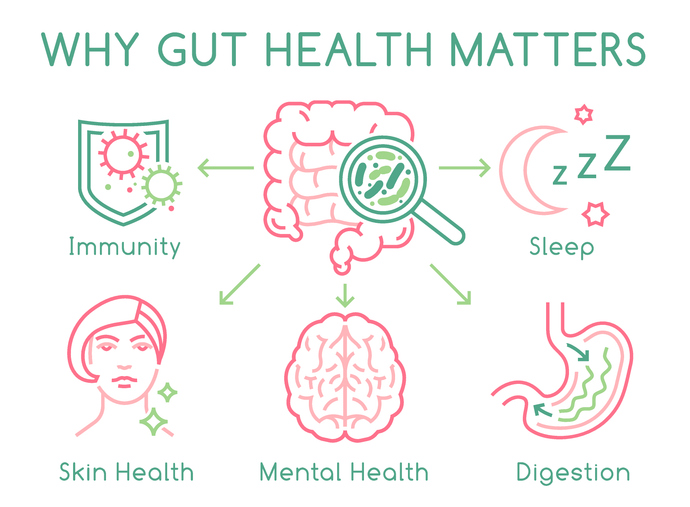
Texas A&M Study Reveals Gut Healing Could Mitigate Long-Term Effects of Stroke

Researchers at Texas A&M University have uncovered that improving gut health could be crucial in enhancing long-term recovery for stroke patients. This finding was detailed in a recent paper published by the Department of Neuroscience and Experimental Therapeutics at the Texas A&M College of Medicine. The study represents a growing body of research that explores an innovative treatment approach, capitalising on the connection between the brain and digestive system to mitigate cognitive impairments and other prolonged consequences of stroke or brain trauma.

In their experiments, the research team discovered that a medication effective at protecting the brain immediately post-stroke did not alleviate long-term cognitive impairments when administered solely to the brain. However, when this drug was applied to the gut, it significantly reduced these impairments. This insight led to a surprising revelation for Regents Professor and Department Head Dr Farida Sohrabji, who noted, “Just fixing the brain directly won’t do it. As a neuroscientist, that was kind of shocking to me,” further emphasising the necessity of gut repair for improving long-term brain function.

The significance of these findings is detailed in the November edition of the journal Brain, Behavior, and Immunity. The paper builds upon prior research conducted under the leadership of Dr. Sohrabji, with contributions from graduate student Yumna El-Hakim and associate research scientist Dr. Kathiresh Kumar Mani. This team is particularly interested in how the brain and gut reciprocally influence each other during and after a stroke. By harnessing this relationship, they aim to develop new therapeutic methods to prevent cognitive decline in stroke survivors and lower their risk of progressing to dementia or Alzheimer’s disease (AD). Their research is supported by a grant from the National Institutes of Health and additional funding from the WoodNext Foundation.

Dr Sohrabji pointed out that stroke is a significant cause of dementia and AD, noting, “While there are acute, immediate consequences of stroke, there are also these long-term consequences that affect the quality of life for the patient as well as the caregivers, so there’s a lot of interest in understanding how to improve long-term outcomes.”

The dynamics within the gut following a stroke are critical yet underappreciated. Dr. Sohrabji described how, within moments of a stroke, there is evident immediate damage, such as paralysis of the arm or slurred speech. However, the significant damage to the intestine’s key structures is less noticeable at first, as the brain signals to the gut that something is awry. “We’ve found that minutes after a stroke occurs, normal gut anatomy is completely disrupted,” Dr. Sohrabji explained.

This disruption includes the breakdown of cells that keep the gut contents sealed from the rest of the body. This allows harmful digestive bacteria to leak out and potentially reach the brain or, at least, provoke a significant inflammatory response from the body. This inflammation can exacerbate the brain’s injury from the stroke, leading to increased long-term cognitive impairment.

The 2024 study highlighted the impact of treating the gut directly with Insulin-like Growth Factor (IGF-1), significantly reducing inflammation and cognitive impairment post-stroke. The treatment appeared to repair the damaged gut structures, supporting the idea that a healthy gut is vital for effective stroke recovery.

Additionally, the team is investigating the potential of stem cell transplants to rapidly repair the gut following a stroke, a method proposed by Dr Mani that has proven effective in earlier studies. Usually, the gut produces a steady supply of stem cells for self-repair. Previous research has shown that these cells can be transplanted from a healthy donor to a recipient with a damaged gut to expedite recovery.

Dr. Sohrabji shared their encouraging findings, “We were fairly sure that (the stem cells) would repair the gut. What was not known, and what was a very pleasant surprise to us, was that in that process, it also improved stroke outcomes.” She elaborated that the treatment reduced brain tissue death and preserved cognitive function following a stroke.

The team at Texas A&M continues to push forward with their research. They hope that their ongoing studies will lead to the development of a stem cell-derived treatment that could be administered to stroke patients soon after the event, thus reducing the long-term risks for dementia and other severe outcomes. Their innovative approach highlights the increasingly recognised importance of the gut-brain axis in medical science, particularly in the context of brain injuries and recovery.

More information: Yumna El-Hakim et al, Peripheral, but not central, IGF-1 treatment attenuates stroke-induced cognitive impairment in middle-aged female Sprague Dawley rats: The gut as a therapeutic target, Brain Behavior and Immunity. DOI: 10.1016/j.bbi.2024.08.008

Journal information: Brain Behavior and Immunity Provided by Texas A&M University

People Suffering from Migraines Have Increased Risk of Depression Amidst Pandemic

A recent in-depth study by the University of Toronto has shed light on the severe mental health effects of the COVID-19 pandemic on older adults suffering from migraine.

The research utilised data from over 2,000 elderly individuals with migraine, part of the Canadian Longitudinal Study on Aging, to track changes in their depression status throughout the pandemic. The findings revealed that over 14% of these individuals encountered depression for the first time due to the pandemic. In contrast, around 50% of those with a previous history of depression saw a recurrence during this challenging period.

“Individuals with migraine are particularly susceptible to negative mental health outcomes like depression,” commented Esme Fuller-Thomson, the study’s lead researcher and a professor at the University of Toronto’s Factor-Inwentash Faculty of Social Work (FIFSW) as well as the director of the Institute for Life Course & Aging (ILCA). “The pandemic brought with it increased stressors including interruptions to medical treatments and healthcare services, compelling us to examine their impact on the mental well-being of migraine sufferers.”

The study identified specific risk factors for depression to understand better which subgroups of migraine sufferers were most at risk during the pandemic. One notable finding was that increased familial discord during the pandemic posed a significant risk, elevating the chances of developing depression by five times and tripling the risk of depression recurrence.

“Many families faced heightened tensions and disagreements during lockdown periods, which reduced access to vital stress relief resources such as outdoor physical activities and social interactions with friends. These factors significantly contributed to the mental health struggles observed during the pandemic,” explained Andie MacNeil, a PhD student at FIFSW and co-author of the study.

The research also highlighted other pandemic-related stressors linked to the onset of depression among older adults with migraine, such as difficulties in accessing healthcare services. “Before the pandemic, accessing comprehensive healthcare was already a significant challenge for those suffering from migraine,” stated Aneisha Taunque, another co-author and a research assistant at the Institute for Life Course and Aging. “The situation deteriorated during the pandemic, likely exacerbating the mental health issues within this group.”

Furthermore, the study found that increased caregiving responsibilities and related challenges approximately doubled the risk of developing depression. “Caregiving is particularly demanding for individuals dealing with severe pain like that caused by migraines, and many reported an increase in their caregiving duties during the pandemic,” mentioned Ying Jiang, a Senior Epidemiologist at the Public Health Agency of Canada and co-author of the study.

Sarah Leo, a recent MSW graduate from FIFSW, Dr. Grace Li, a former research associate at ILCA, and Margaret de Groh, a retired scientific manager at the Public Health Agency of Canada, contributed additional contributions to the study.

The researchers stressed the need for continued investigation into the depression rates among migraine sufferers. “It’s crucial to determine whether the spikes in depression rates were a temporary phenomenon driven by pandemic-related stressors, or if they represent a longer-term trend,” Fuller-Thomson concluded. “Understanding these patterns will enable us to develop targeted screening and interventions for individuals with migraine.”

More information: MacNeil A et al, The Mental Health Toll of the COVID-19 Pandemic on Older Adults with Migraine: A Prospective Analysis of Depression Using the Canadian Longitudinal Study on Aging, Journal of Pain Research. DOI: 10.2147/JPR.S469798

Journal information: Journal of Pain Research Provided by University of Toronto

Promising Natural Extracts Herald a New Era in Anti-Ageing Skin Care: Pioneering Advances in Dermatological Health

Cyanobacteria, often called blue-green algae, are ancient organisms that have thrived for billions of years across various environments due to their remarkable capacity for photosynthesis and self-sustenance. These attributes have rendered them a point of significant interest within the scientific community. A particular strain of cyanobacteria native to Japan, known as Aphanothece sacrum or Suizenji-nori, has garnered attention due to its bioactive properties and potential health benefits. Of special interest are the natural compounds, saclipins A and B, that this cyanobacterium produces under drought-stress conditions. These compounds are notable for blocking ultraviolet (UV) A and UV-B radiation, which suggests a potential role in skin protection.

In 2023, Professor Hakuto Kageyama, the Dean of the Graduate School of Environmental and Human Sciences at Meijo University in Japan, made a significant discovery about saclipins in the Aphanothece sacrum. His research illuminated the unique properties of sculpins, including their capacity to absorb UV radiation and their anti-ageing benefits, such as antioxidative and antiglycative activities. Professor Kageyama emphasized the versatility of saclipins, stating that these characteristics make them suitable for topical applications or as dietary supplements. Inspired by these findings, he was motivated to explore the potential uses of saclipins in skincare and cosmetics.

In a subsequent study conducted in 2024, Professor Kageyama collaborated with Yoshie Uchida and Masaki Honda from Meijo University and Rungaroon Waditee-Sirisattha from Chulalongkorn University in Thailand. Their research, published in ACS Agricultural Science & Technology on November 1, 2024, aimed to delve deeper into the anti-aging properties of saclipins. The team used dried and powdered Aphanothece sacrum to extract saclipins, testing them for their anti-aging efficacy. They assessed the chemical stability of saclipins under various light and heat conditions and evaluated their ability to scavenge singlet oxygen, a measure of antioxidant potential.

Professor Kageyama’s team explored how saclipins impact skin health by inhibiting elastase, a key enzyme in skin ageing, and by boosting the production of collagen and hyaluronic acid, which are vital for skin firmness and hydration. They also examined the inhibitory effects of saclipins on tyrosinase, an enzyme involved in melanin production and skin pigmentation. Their findings indicated that saclipins promote skin quality improvements by enhancing collagen and hyaluronic acid levels and possess skin-whitening properties by reducing melanin production.

The research included both purified saclipins A and B and extracts containing these compounds from dried Aphanothece sacrum. Notably, the extracts displayed similar, if not enhanced, activity compared to their purified counterparts, suggesting that they could be more cost-effective and easier to incorporate into skincare products. Professor Kageyama pointed out that this could facilitate cheaper production methods and simplify formulations, making saclipins an attractive component for the skincare industry.

Given the global concern over skin ageing and the burgeoning skincare market, the demand for Aphanothece sacrum and the discovery of its saclipins could stimulate large-scale cultivation, aiding in the conservation of this endangered species and revitalizing the aquaculture industry. In conclusion, Professor Kageyama highlighted the importance of these developments for the skincare market and conservation efforts, potentially preventing the extinction of this valuable cyanobacterium.

Thus, the research into saclipins illuminates the anti-ageing capabilities of Aphanothece sacrum and underscores its broader potential benefits, making it a promising candidate for future skincare innovations.

More information: Yoshie Uchida et al, Photo- and Thermo-Chemical Properties and Biological Activities of Saclipins, UV-Absorbing Compounds Derived from the Cyanobacterium Aphanothece sacrum, ACS Agricultural Science & Technology. DOI: 10.1021/acsagscitech.4c00571

Journal information: ACS Agricultural Science & Technology Provided by Meijo University

Cardiovascular Medications Could Lower Dementia Risk

Cardiovascular disease and dementia are significant public health issues that impose substantial burdens on healthcare systems and society alike. A recent study conducted by Karolinska Institutet in Sweden has revealed that the prolonged use of widely prescribed cardiovascular medications is linked to a decreased risk of developing dementia in later life.

Mozhu Ding, an assistant professor at the Institute of Environmental Medicine, Karolinska Institutet, and a leading study author, highlighted the study’s findings. “We observe a consistent association between the extended use—five years or more—of these medications and a lowered risk of dementia as individuals age,” Ding explained. This study utilised extensive data from Swedish national registers, incorporating about 88,000 individuals aged over 70 who were diagnosed with dementia between 2011 and 2016, alongside 880,000 control subjects. The analysis included data on cardiovascular drugs sourced from the Swedish Prescribed Drug Register.

The findings indicated that the long-term administration of medications such as antihypertensives, cholesterol-lowering agents, diuretics, and anticoagulants correlated with a 4 to 25 per cent reduction in dementia risk. Notably, the combined use of these drugs showed even more significant protective effects than their individual use. Alexandra Wennberg, another lead author and affiliated researcher at the Institute, commented on the study’s approach: “Unlike previous research, which often focused on specific drugs and targeted patient groups, our study adopts a more comprehensive perspective.”

However, the research also presented some contrasting results, particularly concerning antiplatelet drugs commonly used to prevent strokes and reduce clotting. These drugs were associated with an increased risk of dementia, potentially due to their role in promoting microbleeds within the brain, which are linked to cognitive decline.

This study is considered a crucial step towards developing new interventions for dementia, a condition currently without a cure. “Finding preventive strategies is vital since we do not yet have a cure for dementia,” Wennberg stressed. The researchers emphasised the need for further research, particularly randomised controlled clinical trials, to deepen understanding of the mechanisms underlying these observations. They also plan to explore how dietary and lifestyle factors and cardiovascular drug treatments influence dementia risk. This holistic approach could potentially unveil new preventive measures against dementia, enriching our strategies for managing these pervasive public health challenges.

More information: Mozhu Ding et al, Use of common cardiovascular disease drugs and risk of dementia: A case–control study in Swedish national register data, Alzheimer’s & Dementia. DOI: 10.1002/alz.14389

Journal information: Alzheimer’s & Dementia Provided by Karolinska Institutet

Earlier Detection of Diabetes Associated with Increased Dementia Risk

The study conducted by researchers at the NYU Rory Meyers College of Nursing, recently published in PLOS ONE, reveals that an earlier diagnosis of type 2 diabetes is associated with an increased risk of developing dementia, particularly among adults who are obese. This research underscores the potential cognitive repercussions of being diagnosed with type 2 diabetes at a younger age, and it highlights the necessity for preventive strategies against dementia that address both diabetes and obesity, according to Xiang Qi, assistant professor at NYU Meyers and the study’s lead author.

Type 2 diabetes has long been recognised as a risk factor for dementia, although the exact mechanisms linking the two conditions remain unclear. Researchers speculate that characteristics typical of diabetes, such as elevated blood sugar levels, insulin resistance, and chronic inflammation, might facilitate the development of dementia-related changes within the brain. The condition, traditionally seen in older adults, is now increasingly diagnosed in younger individuals, with statistics showing that one in five people with type 2 diabetes globally is under 40.

The research team delved into the relationship between the age at which diabetes is diagnosed and the subsequent risk of dementia by analysing data from 2002 to 2016 from the Health and Retirement Study conducted by the University of Michigan Institute for Social Research. The study comprised 1,213 U.S. adults over the age of 50 who had confirmed type 2 diabetes via blood tests and were free of dementia at the onset of the study. Over a follow-up period of up to 14 years, 216 participants (17.8%) developed dementia, as determined through follow-up telephone interviews.

Findings indicated that those diagnosed with type 2 diabetes at younger ages faced a significantly higher risk of developing dementia compared to those diagnosed after the age of 70. Specifically, adults diagnosed before 50 were 1.9 times more likely to develop dementia than those diagnosed at 70 or older. Similarly, those diagnosed between 50-59 and 60-69 had 1.72 and 1.7 times the risk, respectively. Moreover, linear trend tests conducted by the researchers revealed a graded relationship between the age at diabetes diagnosis and the risk of dementia, with each younger year of diagnosis correlating with a 1.9% increase in dementia risk.

Bei Wu, the Dean’s Professor in Global Health and vice dean for research at NYU Meyers and the study’s senior author, speculated that earlier diagnosis of diabetes might increase dementia risk due to more prevalent vascular complications, poorer blood sugar control, and increased insulin resistance, all known contributors to cognitive decline. Additionally, obesity seemed to exacerbate the relationship between diabetes and dementia, with those diagnosed before 50 who were also obese showing the highest dementia risk in the study.

This research offers new insights into the interconnectedness of diabetes onset, obesity, and dementia, which could help shape targeted interventions aimed at preventing dementia. It emphasises the importance of age in diabetes diagnosis and suggests that addressing obesity—through dietary changes, physical activity, or possibly medication—could play a critical role in preventing dementia in younger adults with diabetes. Wu’s closing remarks highlighted the study’s call to action for focusing on obesity as a modifiable factor in reducing dementia risk among younger populations with diabetes.

More information: Xiang Qi et al, Age at diagnosis of diabetes, obesity, and the risk of dementia among adult patients with type 2 diabetes, PLOS ONE. DOI: 10.1371/journal.pone.0310964

Journal information: PLOS ONE Provided by New York University