Author Archives: support

Phone-Based Psychological Support Proven Effective Against Loneliness and Depression, Major Study Finds

A major new study led by a team from the University of York, Hull York Medical School, and Tees, Esk and Wear Valleys NHS Foundation Trust has shown significant reductions in depression levels, surpassing those seen with antidepressants. Participants experienced a 21% decrease in emotional loneliness over three months, with sustained benefits even after the intervention ended. This underscores the lasting impact of the treatment and brings hope for the future.

The Behavioural Activation in Social Isolation trial (BASIL+ trial), initiated shortly after the outbreak of the 2020 pandemic, is the largest trial to address and measure loneliness precisely. Published in The Lancet (Healthy Longevity), the study marks a significant progression in the evidence base for preventing loneliness.

The trial targeted individuals over 65 with multiple long-term conditions who were at high risk of loneliness and depression due to COVID-19 shielding measures. Supported by a £2.6M grant from the National Institute for Health and Care Research (NIHR), it was the only mental health trial given priority by the NHS under its Urgent Public Health programme during the pandemic, involving hundreds of older adults across 26 UK sites.

As political and health leaders increasingly recognize the critical issue of loneliness, the World Health Organization has declared it a ‘Global Health concern’ and initiated an international commission to address it. The findings from the BASIL+ trial are expected to contribute significantly to this global effort. The trial’s impact is underscored by its scope and timing, occurring as the Jo Cox Commission highlights that 9 million people in the UK suffer from loneliness, prompting a governmental strategy to tackle the issue, including a ministerial appointment.

The study was co-led by Professor Simon Gilbody and Professor David Ekers, who noted the personal connection many team members had to the issue. They shared stories of their older relatives who faced isolation during the lockdown, which fueled their passion for this research. Their empathy and personal experiences informed the trial’s approach, which has been validated in this large-scale study. Professor Ekers expressed enthusiasm about the UK’s leadership in vaccine development and mental health advancements during the pandemic, enhancing understanding of effective interventions for loneliness based on lessons from this challenging period.

More information: Simon Gilbody et al, Behavioural activation to mitigate the psychological impacts of COVID-19 restrictions on older people in England and Wales (BASIL+): a pragmatic randomised controlled trial, The Lancet Healthy Longevity. DOI: 10.1016/S2666-7568(23)00238-6

Journal information: The Lancet Healthy Longevity Provided by University of York

Study Reveals Impact of Social Media on College Students’ Mental Health Amid Pandemic

The COVID-19 pandemic profoundly impacted the mental well-being of college students, significantly increasing conditions like anxiety and major depression among young adults aged 18-25 compared to pre-pandemic levels. This surge in mental health issues prompted researchers at the University of North Carolina at Chapel Hill to investigate a potential exacerbating factor: the use of social media. Recognizing the growing prevalence of social media among students, concerns have already been raised by the US Surgeon General regarding its potential risks to the mental health of young people.

Economist Jane Cooley Fruehwirth and her team tackled the complex questions surrounding social media’s role in these mental health trends. They collected longitudinal survey data from first-year students at a large public research university before and during the pandemic. This allowed them to observe changes in social media habits alongside other factors such as social isolation, anxiety and depression symptoms, and lifestyle habits, including sleep, exercise, and social interactions.

The findings of the study were quite revealing. While an initial increase in social media usage at the start of the pandemic did not significantly impact students’ mental health, a continued increase 18 months into the pandemic coincided with a negative shift in mental health outcomes. Students who increased their social media usage by an hour daily after 18 months were notably more prone to depression and anxiety. This correlation became more pronounced as students returned to campus life, suggesting that increased social media use may subtract from time spent on beneficial activities like exercise and exacerbate stress from peer interactions.

Interestingly, the adverse effects of increased social media use were most severe among socially isolated students. These students were not using social media to foster connections but engaging with it more harmfully. This observation led Fruehwirth to note that while some students use social media without detriment, others do not, and distinguishing between these behaviours was a vital focus of the study.

Fruehwirth emphasized the importance of resilience and social support in protecting students from social media’s negative consequences. She pointed out that the narrative isn’t that social media is inherently bad but that its impact can vary significantly among individuals based on their usage patterns and social contexts.

The research also highlighted the significant role that college environments can play in reducing feelings of isolation, with about one in five students feeling isolated on campus. This suggests that factors beyond social media contribute to student isolation, and universities could actively work to reduce this by enhancing physical and social spaces, fostering connections through clubs, and establishing peer support networks to build resilience among students. These measures could mitigate the negative impacts of social media and promote a healthier, more connected student community.

More information: Jane Cooley Fruehwirth et al, The effect of social media use on mental health of college students during the pandemic, Health Economics. DOI: 10.1002/hec.4871

Journal information: Health Economics Provided by University of North Carolina at Chapel Hill

Integrate Mindfulness and Physical Activity to Enhance Mental Well-being in 2024 – Research

An academic journal publication, “Mental Health and Physical Activity,” suggests that lifestyle changes combining physical activity and mindfulness significantly enhance mood and overall well-being. This research is among the first to demonstrate the synergistic benefits of integrating these practices, which are known to have psychological advantages. The findings reveal that mindfulness facilitates the initiation of exercise by helping individuals overcome common barriers, such as minor pain or discouragement, during challenging moments.

The study meticulously analyzed existing literature and found that mindfulness effectively reduces stress, anxiety, and worry, contributing to healthier, happier lives. These benefits were evident in individuals with and without existing health issues. Masha Remskar, a psychologist specializing in behaviour change, mindfulness, and exercise at the University of Bath, led the research. The Medito Foundation, a non-profit dedicated to promoting mindfulness, supported it.

In collaboration with the University of Bath, Medito has developed a mindfulness meditation app, providing a free alternative to paid services like Headspace and Calm. This initiative aims to enhance mental well-being and encourage physical activity. As part of their findings, the research team has launched the first of two mindfulness audio courses designed to help individuals establish and maintain exercise routines, with a second guide expected to be released in 2024.

Masha Remskar from the University’s Department of Health explains that exercising more can offer significant physical and mental health benefits, though beginning and maintaining such a routine can be daunting. Mindfulness, she emphasizes, enhances the psychological resilience needed for regular exercise, making the process more engaging and helping individuals appreciate its benefits. It promotes a lifestyle shift, encouraging a more accepting and less judgmental attitude towards oneself, which is a critical factor in forming healthy habits.

Steven Yorke, co-founder of Medito, underscores the importance of accessibility in mindfulness practices. He criticizes the common practice of monetizing mindfulness through paywalls and advocates for free access to mindfulness resources. This commitment aligns with Medito’s mission to make meditation available to everyone at no cost. By offering a wide range of free mindfulness meditations, Medito is broadening its reach and leading the way in mindfulness research.

Building on this foundation, the team is preparing to conduct a larger trial to evaluate the effectiveness and determine the optimal times for combining exercise with mindfulness. This next step will explore how this integrated approach can improve mental and physical health, continuing the innovative work at the intersection of physical activity and psychological well-being.

More information: Masha Remskar et al, Effects of combining physical activity with mindfulness on mental health and wellbeing: Systematic review of complex interventions, Mental Health and Physical Activity. DOI: 10.1016/j.mhpa.2023.100575

Journal information: Mental Health and Physical Activity Provided by University of Bath

Blood Analysis May Forecast Likelihood of Obstructive Sleep Apnea

Measuring the level of homocysteine, an amino acid in the blood, can provide predictive insights into an individual’s risk of developing obstructive sleep apnea, a disorder characterized by repeated interruptions in breathing during sleep due to the relaxation of throat muscles. Researchers at the Sleep Institute and the Federal University of São Paulo (UNIFESP) in Brazil, with the support of FAPESP, have determined that this simple blood test not only predicts the likelihood of the disorder but also assesses whether a patient with mild or moderate apnea is likely to progress to severe apnea. These findings were published in the European Archives of Oto-Rhino-Laryngology.

Monica Levy Andersen, a professor at UNIFESP and the study’s senior author, noted the uncertainty about whether apnea causes the rise in homocysteine levels or vice versa. She suggests that the relationship might be bidirectional and recommends including the homocysteine test in routine medical examinations for people over 40. This simple and cost-effective test, especially under Brazil’s public health system (SUS), could provide crucial data on this correlation.

Cardiologists have long been concerned with homocysteine due to its potential to cause cardiovascular problems. Elevated levels of this amino acid, known as hyperhomocysteinemia (more than 15 micromoles per litre), can lead to blood vessel damage and increase the risk of coronary diseases, thrombosis, and strokes. Vanessa Cavalcante-Silva, a postdoctoral researcher at UNIFESP and first author of the study, explains that a deficiency in B-complex vitamins—specifically B6, B9, and B12—can predispose individuals to high homocysteine levels. Therefore, dietary intake of these vitamins or supplementation could be a strategy to regulate these levels.

The data for this study was derived from the Epidemiological Study of Sleep (Episono), led by Sergio Tufik, a professor at UNIFESP, which has been examining the sleep quality and the effects of sleep disorders on the residents of São Paulo for over fifteen years. Preliminary findings from 2007 showed that a significant portion of the population experienced frequent snoring and sleep apnea. These conditions not only disrupt domestic peace but also impair memory, accelerate cellular ageing, and increase the risk of several severe health issues like hypertension, diabetes, and heart failure.

In their analysis, Andersen’s team used a sample of volunteers from the Episono project who underwent polysomnography tests to measure their apnea-hypopnea index (AHI), a diagnostic tool for sleep apnea severity based on the number of breathing disruptions per hour. Initially, they diagnosed varying degrees of apnea among participants and correlated these with different blood levels of homocysteine, revealing that higher homocysteine levels were associated with higher AHI scores.

A follow-up study conducted in 2015 aimed to investigate if homocysteine levels could predict the development of apnea in participants who initially did not have the condition. The results indicated a modest but existing risk: a slight increase in homocysteine levels correlated with a slightly higher risk of developing sleep apnea over the years. Andersen highlights the clinical relevance of this finding, suggesting that regular monitoring of homocysteine could provide valuable predictive information for managing and potentially mitigating the progression of sleep apnea. This novel approach underscores the potential of routine blood tests for risk assessment and guiding effective interventions in sleep medicine.

More information: Vanessa Cavalcante-Silva et al, Homocysteine as a predictor of apnea–hypopnea index in obstructive sleep apnea: a longitudinal epidemiological study (EPISONO), European Archives of Oto-Rhino-Laryngology. DOI: 10.1007/s00405-024-08614-z

Journal information: European Archives of Oto-Rhino-Laryngology Provided by Fundação de Amparo à Pesquisa do Estado de São Paulo

Senior Citizens Consider Reducing Medication, Research Advises Caution

Over 82% of Americans aged between 50 and 80 regularly take prescription medications, and a significant 80% of these individuals are open to discontinuing one or more of these drugs if their healthcare providers agree, according to a new study from the University of Michigan. The research, however, highlights the complexities involved in such decisions. The study’s authors advocate for health care professionals, including prescribers and pharmacists, to engage deeply with older adults to determine whether reducing medication—commonly referred to as “deprescribing”—is appropriate based on individual circumstances.

The research in the Journal of General Internal Medicine draws on data from the University of Michigan’s National Poll on Healthy Aging. This recent study expands on a report from April 2023, focusing mainly on individuals who use medication to manage cardiovascular diseases or diabetes. About 30% of these individuals expressed a strong interest in deprescribing, primarily because the medicines they use target asymptomatic conditions like high blood pressure, cholesterol, and blood sugar—critical factors in preventing severe health crises if unmanaged.

Despite these medications’ essential role in preventing future health problems, the lack of immediate benefits can lead patients to question their necessity. On the other hand, the study found that those suffering from conditions with immediate symptoms, such as arthritis, mental health issues, and respiratory disorders, were less inclined to stop their medications. This suggests a clear preference for continuing treatments that directly relieve distressing symptoms.

Sarah Vordenberg, Pharm.D., M.P.H., the study’s lead author and a clinical associate professor at the U-M College of Pharmacy, emphasizes the importance of comprehensive medication reviews. These reviews are critical as they assess all medications and supplements a person is taking, aiming to safely reduce dosages, costs, and frequency of intake. While Medicare covers such reviews for eligible enrollees, uptake is surprisingly low, as shown by data from a 2020 National Poll on Healthy Aging report.

The study further explores the specific conditions reported by poll respondents, revealing varying degrees of openness to deprescribing: 84% of those on prescription drugs have a cardiovascular condition, with 35% open to stopping at least one medication; 29% have diabetes, with 30% considering deprescribing; nearly half report having arthritis, but only 17% would consider stopping such medications; 22% have brain-related conditions affecting mental health or cognition, with 19% open to deprescribing; and 11% taking medication for lung diseases like asthma or chronic obstructive pulmonary disease, with a similar percentage open to stopping treatment.

Jeffrey Kullgren, M.D., M.P.H., M.S., an associate professor of internal medicine at Michigan Medicine and a researcher at the VA Ann Arbor Healthcare System, comments on the changing guidelines for the use of cardiovascular and diabetes medications and emphasizes the need for ongoing, tailored discussions between patients and providers. The rise of direct-to-consumer services, particularly for medicines like GLP-1 inhibitors, highlights the critical need for healthcare providers to be fully informed about all substances their patients use, regardless of the source. This approach ensures that treatment decisions best suit individual health needs and circumstances.

More information: Sarah E. Vordenberg et al, Interest in Medication Deprescribing Among US Adults Aged 50–80, Journal of General Internal Medicine. DOI: 10.1007/s11606-024-08945-x

Journal information: Journal of General Internal Medicine Provided by Michigan Medicine – University of Michigan

Evaluation of the Economic Effects of Alternative Healthcare Delivery Methods for Elderly Patients in Emergency Departments

Overcrowding and long waiting times in emergency departments (EDs) are pressing issues in Ireland and across the globe, negatively impacting healthcare outcomes and patient satisfaction. Addressing this, a novel study conducted by researchers at Trinity College Dublin and the University of Limerick has scrutinised the economic benefits of incorporating a specialised, dedicated team of health and social care professionals (HSCPs) into existing care frameworks for elderly patients. The findings, which reveal significant potential cost savings and enhancements in patient quality of life, were published on 25th June 2024 in the journal PLOS ONE.

The OPTI-MEND trial, led by Professor Dominic Trépel of Trinity College Dublin and Professor Rose Galvin of the University of Limerick and funded by the Health Research Board, was initiated in 2023. It introduced a dedicated ED team specialising in prompt assessment and intervention for patients aged 65 and over. The study of 353 older adults demonstrated that this team’s early interventions reduced the length of ED stays, minimised hospital readmission risk, and improved patient satisfaction overall.

This innovative service ensures that even patients with less severe conditions—those less likely to suffer from serious diseases or complications—receive comprehensive care from senior occupational therapists, physiotherapists, medical social workers, and ED care. The OPTI-MEND trial’s primary clinical findings suggested that many elderly patients could be safely discharged from the ED following early assessment and intervention by the HSCP team, avoiding costly inpatient hospital stays and motivating the hypothesis of significant economic benefits.

Subsequent analysis by the Trépel Lab at Trinity involved thoroughly scrutinising the trial data, assessing changes in quality of life and calculating both the direct costs of HSCP and the downstream costs to the Irish Health Service. The results indicated that integrating HSCP teams into standard ED care significantly enhances patient quality of life while potentially saving the national healthcare system approximately €2.4 billion. These savings are not just numbers but a beacon of hope for the future of Irish healthcare, primarily driven by the timely discharge of elderly patients from the ED. This suggests that if this model were adopted nationwide, it could allow patients to return to their homes sooner and more efficiently, ushering in a new era of healthcare efficiency and patient-centred care.

Professor Dominic Trépel highlighted the importance of including economic evaluations in clinical trials. These evaluations are not just numbers but powerful tools that aid in making informed decisions and managing limited healthcare budgets effectively. He underscored that a small investment in HSCP teams across Ireland’s 27 Emergency Departments could free up to €2.4 billion for other healthcare services while significantly improving health-related quality of life. Professor Rose Galvin echoed these sentiments, noting the surprising amount of funds that could be freed up by deploying HSCP teams, which significantly improve the health of older ED patients.

Building on these findings, Professors Trépel and Galvin are now collaborating on a new research program funded under the HRB Leaders Award to explore the value of home-based comprehensive geriatric assessments. Like the OPTI-MEND trial, this latest research aims to demonstrate the clinical and cost-effectiveness of service improvements, potentially shaping the future of Irish healthcare for generations to come.

More information: Dominic Trépel et al, The cost effectiveness of early assessment and intervention by a dedicated health and social care professional team for older adults in the emergency department compared to treatment-as-usual: Economic evaluation of the OPTI-MEND trial, PLoS ONE. DOI: 0.1371/journal.pone.0298162

Journal information: PLoS ONE Provided by Trinity College Dublin

Weight Reduction Affects Risk-Taking Behaviour in Obese Individuals

Individuals with severe obesity experience not only altered risk behaviours but also significant changes in their metabolism and psychological state. Historically, it was believed that individuals with severe obesity are more impulsive and have a greater inclination towards risk-taking. Researchers from the DZD partner, the German Institute of Human Nutrition Potsdam-Rehbrücke (DIfE), have delved into whether substantial weight loss can lessen these metabolic and psychological disturbances and enhance decision-making abilities. Their comprehensive study and findings have been documented in the journal Clinical Nutrition.

Many factors influence behaviour, including personality and internal physiological signals such as glucose metabolism and emotional state. Studies indicate that in obese individuals, these internal signals are disrupted; impaired glucose metabolism and mood disturbances fail to provide reliable bases for decision-making. In an attempt to investigate whether these conditions are reversible, Beatrix Keweloh, a doctoral candidate in the Department of Neuroscience of Decision and Nutrition, and her team initiated an intervention study. They recruited 62 participants with severe obesity, ranging in age from 18 to 75 years, and subjected them to a rigorous 10-week diet that restricted their daily caloric intake to 800 kilocalories. The study meticulously measured participants’ weight, body fat, mood through questionnaires, and risk-taking tendencies via a computer-based test before and after the diet regimen.

The intervention led to significant health improvements, as evidenced by substantial reductions in body mass index (BMI) and HbA1c levels, the latter serving as a critical marker for glucose metabolism. Alongside these metabolic enhancements, there was a marked improvement in participants’ moods. The study intriguingly revealed a shift towards more risk-averse behaviour, underscoring a strong correlation between BMI and risk behaviour in obesity. Beatrix Keweloh noted, “Our findings underscore that post-weight loss, the metabolic factor HbA1c becomes the dominant predictor of risk-taking behaviours.”

The study’s implications are profound, indicating that mood exerts less influence over decision-making after weight loss, with metabolic signals taking precedence. This shift suggests that weight loss improves physical health parameters and restores the functional integrity of glucose metabolism as a critical decision-making signal. Beatrix Keweloh summarised the outcomes, highlighting the dual benefits of weight loss on glucose metabolism and mood, ultimately restoring the reliability of physiological signals in supporting decision-making processes.

More information: Beatrix Keweloh et al, Weight loss impacts risky decisions in obesity, Clinical Nutrition. DOI: 10.1016/j.clnu.2024.04.002

Journal information: Clinical Nutrition Provided by Deutsches Zentrum für Diabetesforschung DZD

Short Nature Exposures of Just 10 Minutes Can Benefit Adults with Mental Health Issues

A newly published meta-analysis in the esteemed journal *Ecopsychology* rigorously examines the influence of nature exposure on various aspects of health—including social, mental, and physical well-being—explicitly focusing on adults diagnosed with mental illnesses. The study, compellingly titled “Nature Exposure, Even as Little as 10 Minutes, Is Likely to Yield Short-Term Benefits for Adults with Mental Illness: A Meta-Analysis,” not only reveals considerable, moderate effect sizes across the board for all included studies but also highlights notably significant, albeit smaller, effect sizes in studies incorporating control groups. For those interested in delving deeper into the findings, the full article is available online—click here to access it.

The backdrop of this analysis is rooted in a growing body of research that underscores the beneficial impacts of interacting with natural environments on mental health. Spearheading this meta-analysis, Joanna Bettmann, PhD, an esteemed faculty member at the University of Utah College of Social Work, and her coauthor’s team embarked on a comprehensive review of the existing literature. They aimed to synthesize and evaluate how nature exposure affects adults managing mental health conditions.

Through their rigorous evaluation, the researchers identified a clear and positive correlation between time spent in natural settings and improvements in mental health among adults with mental illnesses. The findings pointed to significant enhancements in various dimensions of mental health, including emotional affect, anxiety levels, cognitive functioning, depression severity, overall mood stability, and the general quality of life.

These improvements are not merely statistical but represent a tangible uplift in the day-to-day experiences of individuals grappling with mental health challenges. The evidence strongly supports the integration of nature-based interventions in the therapeutic processes aimed at this demographic. According to the study, even brief interactions with nature will likely instigate noticeable benefits, making it a highly accessible and low-cost intervention.

Reflecting on the implications of these findings, the researchers concluded, “The findings from the present study strongly support the use of nature exposure as a viable intervention to improve health and well-being for adults with mental illness.” This endorsement not only validates nature’s therapeutic potential but also encourages further incorporation of these practices in mental health treatment strategies.

Expounding on the significance of these results, Peter H. Kahn, Jr., PhD, Editor-in-Chief of the journal and a professor at both the Department of Psychology and the School of Environmental and Forest Sciences at the University of Washington, Seattle, emphasized the practical applications of the study. “This meta-analysis underscores the immense value of incorporating natural environments into therapeutic practices for adults with mental health conditions,” he stated. Kahn further noted, “The results are timely, solidly evidence-based, and highly actionable, offering concrete guidelines for mental health professionals seeking to enhance therapeutic outcomes.”

These scholarly insights underscore an essential shift towards embracing ecological elements in psychological health practices, highlighting nature’s role as a backdrop for recreational activities and as a vital component in the therapeutic arsenal against mental illness. The conclusions drawn from this meta-analysis not only pave the way for new treatment modalities but also reinforce the necessity of preserving and integrating natural environments in urban planning and development to support public health initiatives, particularly those aimed at mental health recovery.

More information: Joanna E. Bettmann et al, Nature Exposure, Even as Little as 10 Minutes, is Likely to Yield Short-Term Benefits for Adults with Mental Illness: A Meta Analysis, Ecopsychology. DOI: 10.1089/eco.2023.0063

Journal information: Ecopsychology Provided by Mary Ann Liebert, Inc. / Genetic Engineering & Biotechnology News

A Prolonged Ketogenic Diet Leads to the Accumulation of Senescent Cells in Healthy Tissues, Reveals a Study by UT Health San Antonio

A pioneering study by The University of Texas Health Science Center at San Antonio (UT Health San Antonio) reveals that sustained adherence to a ketogenic diet could accumulate senescent or prematurely aged cells in healthy tissues, notably impacting heart and kidney functions. Conversely, the study suggests that adopting an intermittent approach to the ketogenic diet, incorporating regular breaks, mitigates these pro-inflammatory cellular effects.

This research highlights that while ketogenic diets can offer health benefits, they are most effective when interspersed with planned intervals of dietary relaxation.

David Gius, MD, PhD, assistant dean of research and professor at the Department of Radiation Oncology in the Joe R. and Teresa Lozano Long School of Medicine at UT Health San Antonio, and associate cancer director for translational research at the institution’s Mays Cancer Center, who is the lead author of the study, emphasized the significance of these findings. “Considering that 13 million Americans follow a ketogenic diet, our research underscores the necessity of periodic breaks from the diet to avoid potential long-term health issues,” he stated.

The study, “Ketogenic diet induces p53-dependent cellular senescence in multiple organs,” was published on May 17 in Science Advances. Collaborators include researchers from the Department of Radiation Oncology and Mays Cancer Center, the Sam and Ann Barshop Institute for Longevity and Aging Studies, the Center for Precision Medicine, the School of Nursing, and the Division of Nephrology in the Department of Medicine at UT Health San Antonio, and the Houston Methodist Cancer Center and Houston Methodist Research Institute.

Despite its popularity, a ketogenic diet, which is high in fats and low in carbohydrates, leading to ketone production by the liver, can also trigger pro-inflammatory responses. The new findings demonstrate that mice of various ages on two distinct ketogenic diets showed signs of cellular senescence in critical organs such as the heart and kidneys. However, these adverse effects were either reversed with senolytics—molecules that can eliminate senescent cells—or avoided through the strategic use of intermittent dieting.

Gius added, “As cellular senescence contributes to the pathology of various organ diseases, our findings are crucial for understanding how to use a ketogenic diet effectively. Like with other nutritional strategies, it’s essential to periodically pause the ketogenic regimen.”

More information: Sung-Jen Wei et al, Ketogenic diet induces p53-dependent cellular senescence in multiple organs, Science Advances. DOI: 10.1126/sciadv.ado1463

Journal information: Science Advances Provided by University of Texas Health San Antonio

Enhancing Senior Independence: Customized Support for Wearable Technology

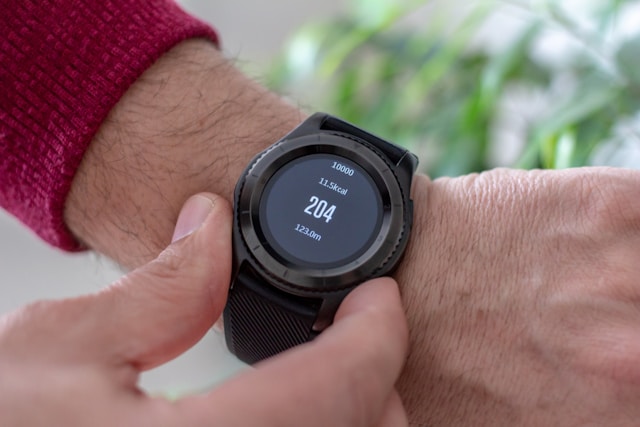
A recent study published in the Journal of Medical Internet Research by JMIR Publications has unveiled that community-dwelling older adults are more inclined to persist in using wearable monitoring devices (WMDs), such as trackers, pedometers, and smartwatches when supported by healthcare professionals or their peers.

The research, conducted by a team from The Hong Kong Polytechnic University under the leadership of Dr Arkers Kwan Ching Wong, analysed data from three randomised controlled trials involving over 150 older adults. The findings revealed that interventions that heightened monitoring awareness and incorporated collaborative goal-setting and feedback mechanisms, notably the SystemCHANGE approach, significantly boosted adherence to WMDs.

Wearable monitoring devices, with their potential to provide crucial health insights, are a significant tool in the care of older adults. However, their sustained use poses challenges, especially for older adults who might struggle with technological intricacies or fail to perceive their benefits. This study emphasises the critical role of personalised support in helping older adults navigate these hurdles and integrate WMDs into their daily lives, thereby optimising the health advantages these devices offer.

Dr. Wong highlighted the essential role of healthcare professionals in promoting the adoption of wearable technologies among older adults. He pointed out that by collaborating with healthcare professionals to establish precise, achievable goals regarding the use of wearables, older adults are more likely to realise the long-term benefits of these technologies. The study suggests that future research should focus on creating and evaluating interventions that prioritise awareness and collaborative goal-setting, offering hope for further improving adherence rates among this demographic.

More information: Colette Sze Wing Chan et al, Effects of Peer- or Professional-Led Support in Enhancing Adherence to Wearable Monitoring Devices Among Community-Dwelling Older Adults: Systematic Review of Randomized Controlled Trials, Journal of Medical Internet Research. DOI: 10.2196/53607

Journal information: Journal of Medical Internet Research Provided by JMIR Publications

Research Reveals Older Adults with Sleep Apnea Face Increased Hospitalization Risk

A forthcoming study at the SLEEP 2024 annual meeting establishes a link between sleep apnea and a heightened likelihood of healthcare usage, including hospital admissions among older adults.

The findings illustrate that individuals aged 50 and above who suffer from sleep apnea are 21% more likely to utilise any health service in the future compared to those without the condition. In particular, after adjusting for various influencing factors such as demographics, body mass index, existing health conditions, and depressive symptoms, these individuals demonstrated a 21% increased probability of hospitalisation.

Lead author Christopher Kaufmann, who holds a doctorate in public mental health and is an assistant professor in the Department of Health Outcomes and Biomedical Informatics at the University of Florida College of Medicine in Gainesville, asserts that older adults with sleep apnea are significantly more inclined to seek health services in the future than those who do not have the condition. This association persists even after accounting for other variables that might elevate the risk of health service consumption.

According to the American Academy of Sleep Medicine, close to 30 million adults in the U.S. are affected by obstructive sleep apnea, a chronic condition characterised by the recurrent collapse of the upper airway during sleep. If left untreated, moderate to severe sleep apnea can lead to serious health issues such as hypertension, coronary artery disease, atrial fibrillation, stroke, and Type 2 diabetes.

The research team analysed data from 20,115 participants from the 2016 and 2018 Health and Retirement Study, which represents a national cohort of middle-aged and older adults in the U.S. These participants were questioned about their sleep disorders, including sleep apnea, in 2016 and their subsequent health service usage in 2018. Nearly 12% of these participants reported a diagnosis of sleep apnea from a doctor.

Kaufmann stressed the importance of early detection and management of sleep apnea in older adults to diminish its extensive impact on healthcare usage. He noted that effectively addressing sleep apnea enhances individual health outcomes and relieves the pressure on healthcare systems, leading to more efficient and effective healthcare delivery.

More information: Christopher Kaufmann et al, 1083 Association Between Sleep Apnea and Health Service Utilization: Results from the Health and Retirement Study, Sleep. DOI: 10.1093/sleep/zsae067.01083

Journal information: Sleep Provided by American Academy of Sleep Medicine

Scientists release inaugural computational analysis of colonic motility to enhance understanding of ulcerative colitis

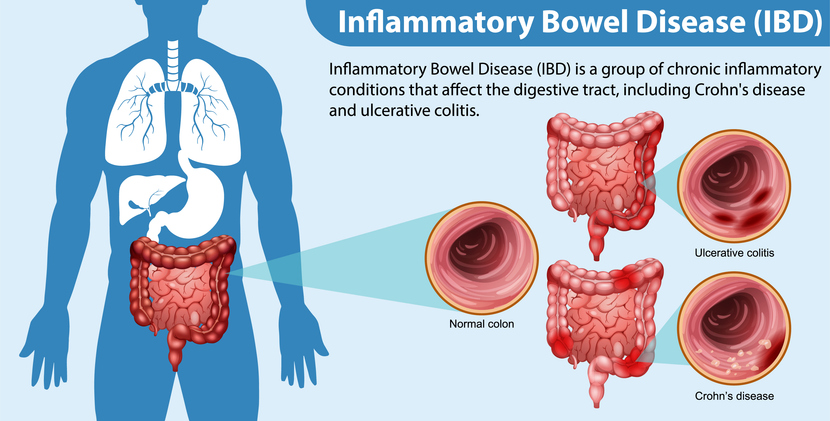
Ulcerative colitis (UC) is a type of inflammatory bowel disease (IBD) that causes inflammation and ulcers (sores) in the digestive tract. This condition predominantly affects the innermost layer of the large intestine, encompassing both the colon and rectum. In Ireland alone, at least 40,000 individuals live with IBD, contributing to a global tally of over 5 million. This widespread prevalence underscores the importance of research to understand better and manage this debilitating condition.

In a groundbreaking study published in Computers in Biology and Medicine, a collaborative effort between CÚRAM researchers at the University of Galway and their counterparts at the University of Birmingham has resulted in a pioneering computational model. This model simulates the distribution of shear stress in the colon, considering variations in mucus thickness. The colon, an essential digestive system component, employs rhythmic contractions to propel waste. These contractions generate mechanical forces that impact the mucus layer lining the colon, which serves as a critical barrier, isolating the body’s internal environment from countless gut microbes.

The novel computational model developed by the research team leverages actual data on colonic movements, mucus properties, and tissue characteristics to recreate this dynamic internal environment. The findings from this study suggest that the mucus layer functions as a lubricant, enhancing faecal velocity and facilitating the passage of waste through the colon. However, this lubricating effect is reduced in UC patients due to a thinner mucus layer, which may lead to constipation. This insight provides a clearer understanding of how UC symptoms develop and offers potential targets for therapeutic intervention.

The study underscores the mucus layer’s protective role, safeguarding the cellular layer responsible for colonic processes against mechanical stress. Led by Dr Yury Rochev from the School of Physics at the University of Galway, the team explored how shear stress differed across various functional zones within the colon. These variations could play a role in regulating cell migration, differentiation, and immune responses. A compromised protective mucus layer, as seen in UC, could lead to increased inflammation and tissue damage. Dr Rochev highlighted the significance of their findings, stating, “Our model shows that mucus significantly enhances faecal flow and eases the movement of waste in the colon, a mechanism that is less effective in ulcerative colitis due to mucus thinning, potentially leading to constipation.”

Moreover, the model sheds light on the mucus’s protective function, shielding the delicate cellular layer that manages essential colonic processes from mechanical forces generated during bowel movements. Dr Rochev further noted, “Our investigations into the mechanical stress distribution across the cellular layer reveal variations that could influence cellular behaviour, which, when disrupted, as in UC, may contribute to inflammation and tissue damage.” The research team is not solely relying on computational simulations; they are also developing an experimental model using “organ-on-a-chip” technology to validate their computational predictions.

Ibrahim Erbay, another researcher on the team, elaborated on their experimental approach: “We are employing intestinal organoids to replicate the thin cellular layer of the colonic surface. By circulating fluid within the organ-on-a-chip platform, we simulate the mechanical forces that are naturally present in the colon.” By integrating computational modelling with rigorous experimental validation, the researchers aim to achieve a detailed understanding of how mechanical forces affect biological processes in both health and disease. This comprehensive approach is expected to enhance our knowledge of gut health and lead to the development of novel, targeted treatments for inflammatory bowel diseases and other digestive disorders. Erbay added, “This research not only deepens our understanding of basic colonic functions at the cellular level but also provides a valuable tool for developing new therapeutic strategies. With our ability to model various drug delivery systems, we can optimise treatments, potentially improving outcomes for conditions affecting the gut.”

More information: I.H. Erbay et al, Computational insights into colonic motility: Mechanical role of mucus in homeostasis and inflammation, Computers in Biology and Medicine. DOI: 10.1016/j.compbiomed.2024.108540

Journal information: Computers in Biology and Medicine Provided by University of Galway