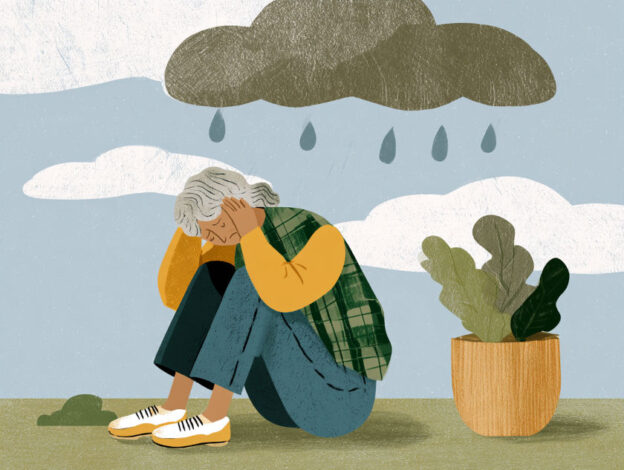
A troubling trend is emerging among older Americans as new research reveals a dramatic rise in suicidal thoughts and behaviours in the aftermath of COVID-19. The findings raise serious concerns about the mental well-being of an ageing population and suggest that conventional suicide prevention strategies may be overlooking individuals who do not exhibit traditional warning signs.
The study, conducted by researchers at UCLA Health and UC San Diego Health and published in the Journal of Affective Disorders, analysed data from nearly 42,500 Americans aged 50 and older who participated in the National Survey on Drug Use and Health between 2021 and 2024. During this period, suicidal ideation rose by 42.6%, while suicide planning and attempts surged by 256.2% and 263.3%, respectively.
Perhaps most concerning, the increases in suicidal thoughts and planning were particularly pronounced among older adults without conventional risk factors, such as major depression or alcohol use. This unexpected pattern challenges longstanding assumptions about suicide risk and suggests that many vulnerable individuals may be slipping through the cracks of existing mental health screening programmes.
“These findings suggest that many older adults who are struggling are not the ones our current screening approaches are designed to catch,” said lead author Dr Kevin Yang, a psychiatrist and research fellow at the UCLA National Clinician Scholars Program. He emphasised the importance of identifying emerging risks among individuals who may not have a diagnosed mental health condition or a history of substance use.
Researchers also identified a striking association between cannabis use and suicide planning. Among participants who reported using cannabis within the previous year, suicide planning increased by 449.9%, compared with 188.3% among non-users. Although the findings do not establish a causal relationship, they highlight the need for further investigation into how cannabis use may intersect with mental health and suicide risk in later life.
The researchers argue that suicide prevention efforts must extend beyond conventional psychiatric assessments to consider broader social and personal circumstances. Loneliness, social isolation, bereavement, financial difficulties and physical frailty may all contribute to psychological distress among older adults. A more comprehensive approach to risk assessment could help healthcare professionals recognise warning signs earlier and provide timely support before individuals reach a crisis point.
Despite the alarming figures, the authors caution against drawing definitive conclusions. The exploratory study relied on self-reported, cross-sectional survey data, excluded institutionalised populations and included only 113 reported suicide attempts. Consequently, it cannot establish what caused the increases, and the findings may underestimate the overall burden of suicidal behaviour. Supported by the National Institute on Drug Abuse and UC San Diego’s Sam and Rose Stein Institute for Research on Aging, the research underscores the urgent need to understand suicide risk among older Americans better.
More information: Kevin Yang et al, National trends in suicidal ideation, planning, and attempts among US adults aged 50 and older, 2021–2024, Journal of Affective Disorders. DOI: 10.1016/j.jad.2026.122650
Journal information: Journal of Affective Disorders Provided by University of California – Los Angeles Health Sciences