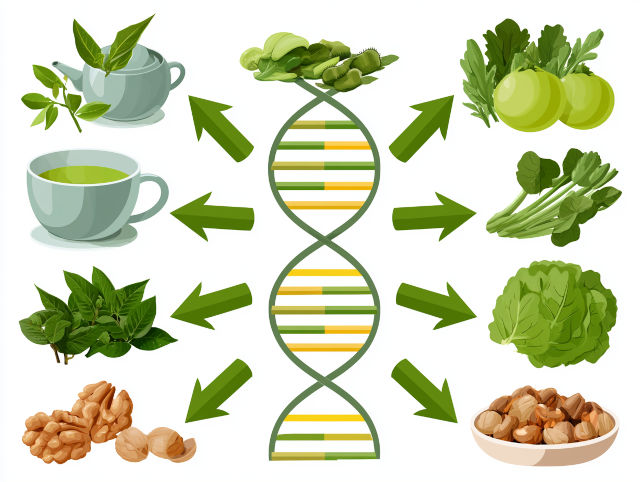
A new international clinical intervention study published in Clinical Nutrition has uncovered molecular evidence explaining how diet may beneficially influence gene activity. Led by Prof. Iris Shai and Dr. Hila Zelicha Peer of Ben-Gurion University of the Negev, in collaboration with researchers from Leipzig University, the Leipzig Center of Metabolism (LieCeM), and Harvard University, the study suggests that certain plant-derived nutrients may act as an “epigenetic pencil,” helping shape cellular health by influencing gene expression through nutrition.
The researchers found that participants following a Green Mediterranean (Green-MED) diet experienced significantly higher circulating folate levels than those following either a traditional Mediterranean diet or standard healthy eating guidelines. Rather than serving only as a nutritional marker, the elevated folate appeared to enhance one-carbon metabolism—a key biochemical pathway that supports DNA methylation, regulates gene expression, maintains DNA integrity, and contributes to overall metabolic health.
The Green-MED diet emphasises polyphenol-rich foods, including green tea, walnuts, and a daily shake containing the aquatic plant Mankai (Wolffia globosa), while reducing red and processed meat intake. Participants on this dietary pattern showed marked increases in serum folate, which were associated with improved insulin sensitivity, lower inflammatory marker IL-6 levels, a healthier triglyceride-to-HDL cholesterol ratio, and reductions in visceral and liver fat.
The study also advances the growing field of Nutri-Omics by demonstrating how precision nutrition may help offset inherited genetic risk. Researchers focused on a common variant of the MTHFR gene (rs1801133), which reduces the activity of an enzyme essential for folate metabolism. People carrying the high-risk TT genotype typically have lower folate levels throughout life, making them more susceptible to metabolic complications.
Among TT carriers, those with low Mankai consumption experienced an increase in cardiovascular risk based on the Framingham Risk Score. In contrast, participants with the same genetic variant who closely followed the Mankai-enriched Green Mediterranean diet achieved an average 7.74-point reduction in cardiovascular risk, highlighting how dietary choices may help overcome inherited metabolic vulnerabilities.
Transcriptomic analyses revealed one of the study’s most significant findings. Increased consumption of plant-derived nutrients appeared to trigger adaptive biological reprogramming in TT carriers. Blood mRNA analyses showed increased expression of alternative folate-pathway genes, including MTHFD2 and DHFR, allowing cells to compensate for reduced inherited enzyme activity and utilise dietary folate more effectively.
These molecular discoveries help explain earlier findings from the internationally recognised DIRECT-PLUS trial, one of the world’s most comprehensive nutrition and imaging studies. The Green Mediterranean diet has previously been linked to regression of carotid atherosclerosis, reduced aortic stiffness, improved blood sugar control, lower visceral and liver fat, and favourable effects on biomarkers associated with brain ageing. The new findings provide a biological mechanism for these benefits, suggesting that folate-driven methylation acts as an “epigenetic pencil” that influences protective cellular pathways without altering DNA itself.
Mankai appears to play a central role in these effects. This nutrient-dense aquatic plant contains more than 45% protein, essential amino acids, fibre, minerals, and naturally occurring bioavailable folate. Participants consuming the highest amounts of Mankai demonstrated the greatest increases in folate, the strongest gene expression changes, and the most pronounced clinical improvements. According to Prof. Shai and Dr. Zelicha Peer, the findings strengthen the scientific basis for personalised nutrition, suggesting that folate is not only a marker of deficiency but also a biomarker of dietary quality, metabolic health, and the body’s ability to activate protective epigenetic mechanisms.
More information: Hila Zelicha et al, Effect of green mediterranean diet on serum folate and its interaction with genetic variation in folate metabolism: The DIRECT PLUS 18-month dietary randomized controlled trial, Clinical Nutrition. DOI: 10.1016/j.clnu.2026.106701
Journal information: Clinical Nutrition Provided by Ben-Gurion University of the Negev