Wednesday, 15 Jul 2026
  • My Feed
  • My Saves
  • History
  • Blog
Living Well Study
  • Blog
  • Ageing Well
  • Brain Health
  • Healthy Diets
  • Physical Wellness
  • Wellness
  • 🔥
  • Wellness
  • older adults
  • Living Well
  • Brain Health
  • dementia
  • public health
  • Ageing Well
  • Health and Medicine
  • alzheimer disease
  • physical exercise
Font ResizerAa
Living Well StudyLiving Well Study
  • My Saves
  • My Feed
  • History
Search
  • Pages
    • Home
    • Search Page
  • Personalized
    • Blog
    • My Feed
    • My Saves
    • History
  • Categories
    • Ageing Well
    • Brain Health
    • Healthy Diets
    • Mental Wellness
    • Physical Wellness
    • Wellness
Have an existing account? Sign In
Follow US
© 2022 Foxiz News Network. Ruby Design Company. All Rights Reserved.
Living Well Study > Blog > Mental Wellness > The Upside of Ageing: Regret May Fade Over Time
Mental Wellness

The Upside of Ageing: Regret May Fade Over Time

support
Share
older adult, contemplating
SHARE

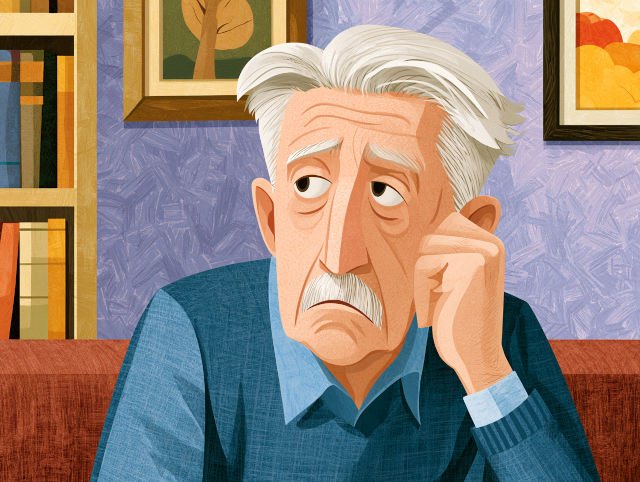
Older adults tend to report fewer recent regrets than younger adults, according to research published by the American Psychological Association. While people of different ages reported a similar number of long-term regrets, older adults experienced less anger and frustration when reflecting on past mistakes and missed opportunities. The findings suggest that both age and time influence how people emotionally process regret.

“Regrets are incredibly common. Almost all of us experience big regrets in our personal and professional lives – from marrying the wrong person to never finishing college,” says lead author Julia Nolte of Tilburg University. “The good news is that for many of us, the experience of regret seems to become less negative with age.” The study was published in the journal Emotion.

The researchers surveyed 90 U.S. adults between the ages of 21 and 89. Participants listed up to five recent regrets from the past year and five long-term regrets. They then described and rated their most significant recent and long-term regrets, including the emotions involved, how controllable the situations felt, and how they were coping with them. Older adults reported fewer and less emotionally intense recent regrets and were more likely to regret missed opportunities rather than wrong actions.

According to Nolte, more research is needed to understand why aging changes the experience of regret and whether some differences reflect generational experiences rather than age itself. Future studies may also examine whether regret serves different psychological purposes across the lifespan. “It is assumed that regret helps us make better choices moving forward,” Nolte says. “But older adults may derive other benefits from regret, such as a chance to reflect or look for meaning.”

More information: Julia Nolte et al, Adult age differences in the response to and regulation of recent versus long-term regrets, Emotion. DOI: 10.1037/emo0001672

Journal information: Emotion Provided by American Psychological Association

TAGGED:social psychology
Share This Article
Email Copy Link Print
Previous Article Healthy Ageing in the Digital Era
Next Article Daily Rest-Activity Patterns Correlate with the Pace of Biological Ageing
Leave a Comment

Leave a Reply Cancel reply

Your email address will not be published. Required fields are marked *

Recent Posts

  • Study Links Extreme Heat to Higher Mental Health Hospitalization Rates
  • Young People Awaiting Mental Health Care May Benefit from Social Prescribing
  • Birding May Change the Brain—and Bring Cognitive Benefits
  • Writing by Hand Could Improve Brain Connectivity Compared With Typing
  • Intermittent Fasting Maintains Weight Loss Regardless of Eating Schedule, Researchers Find

Tags

adolescents adverse effects ageing populations aging populations air pollution alzheimer disease amyloids anxiety artificial intelligence atopic dermatitis behavioral psychology biomarkers blood pressure body mass index brain cancer cancer research cardiology cardiovascular disease cardiovascular disorders caregivers children climate change effects clinical research cognition cognitive development cognitive disorders cognitive function cognitive neuroscience cohort studies COVID-19 dementia depression diabetes diets discovery research disease control disease intervention disease prevention diseases and disorders environmental health epidemiology foods food science gender studies geriatrics gerontology gut microbiota health and medicine health care health care costs health care delivery heart disease heart failure home care human brain human health hypertension inflammation insomnia life expectancy life sciences longitudinal studies memory disorders menopause mental health metabolic disorders metabolism mortality rates neurodegenerative diseases neurological disorders neurology neuroscience nursing homes nutrients nutrition obesity older adults parkinsons disease physical exercise population studies preventive medicine psychiatric disorders psychological science psychological stress public health research impact risk assessment risk factors risk reduction skin sleep sleep apnea sleep disorders social interaction social research socioeconomics tobacco type 2 diabetes weight loss
July 2026
S M T W T F S
 1234
567891011
12131415161718
19202122232425
262728293031  
« Jun    

This website is for information purpose only and is in no way intended to replace the advice, professional medical care, diagnosis or treatment of a doctor, therapist, dietician or nutritionist.

About | Contact | Cookie Policy | Digital Millennium Copyright Act Notice | Disclaimer | Privacy Policy | Terms of Service

You Might Also Like

Mental Wellness

Treatment through brain stimulation could enhance the well-being of older adults suffering from depression and anxiety

By support
Mental Wellness

Older adults with a history of stroke are at a heightened risk of experiencing depression induced by the pandemic

By support
Mental Wellness

Research indicates that middle-aged individuals in America experience greater loneliness compared to their European counterparts, proposing that loneliness during midlife is widespread

By support
Mental Wellness

Can Early Academic Grading Contribute to Mental Health Issues in Adolescents?

By support
Living Well Study
Categories
  • Ageing Well
  • Brain Health
  • Healthy Diets
  • Mental Wellness
  • Physical Wellness
  • Wellness
LivingWellStudy
  • About
  • Contact
  • Cookie Policy
  • Digital Millennium Copyright Act Notice
  • Disclaimer
  • Privacy Policy
  • Terms of Service
Welcome Back!

Sign in to your account

Username or Email Address
Password

Lost your password?