Daily Archives: 6 April 2024

Investigating a possible new therapy for endometriosis

In the United States, approximately 15% of women of childbearing age have endometriosis. This condition is distinguished by symptoms such as pelvic discomfort, menstrual cramps, and infertility issues. Endometriosis occurs when tissue similar to that which lines the interior of the uterus begins to grow outside it. Such aberrant growth can lead to swelling and bleeding, manifesting in significant pain and other related symptoms.

Dr Sang Jun Han, the study’s corresponding author, is an associate professor of molecular and cellular biology at Baylor College of Medicine and a Center for Reproductive Medicine member. He explains that estrogen heavily influences endometriosis. Estrogen is a hormone crucial for a woman’s reproductive processes but also impacts various other organs, including the heart, blood vessels, bones, breasts, skin, hair, mucous membranes, pelvic muscles, and the brain.

The reliance of endometriosis on estrogen and its inflammatory nature has steered existing treatments towards the elimination of estrogen from the system and the application of anti-inflammatory medications. However, Han points out the limitations of current therapies, noting their low effectiveness, high rate of recurrence, and the adverse impacts they have on other estrogen-sensitive tissues. This challenge has led Han’s research, published in the Journal of Biomedical Science, to seek more effective treatments for endometriosis.

A pivotal aspect of endometriosis is its dependency on estrogen, which acts through estrogen receptors (ERs) ER-alpha and ER-beta on cells, crucial for the condition’s development and advancement. Prior studies, including those conducted by Han’s laboratory, have revealed the significant role of ER-beta in the progression of endometriosis. Dr. Yuri Park, a leading researcher in Han’s team, notes that targeting ER-beta specifically could offer a new therapeutic avenue that avoids the side effects associated with current hormonal treatments focusing on ER-alpha.

In their pursuit of non-hormonal treatments for endometriosis, Han and his team screened natural compounds in a laboratory setting. Their search led to the discovery of oleuropein, a compound found in olive leaves. Oleuropein selectively targets ER-beta without affecting ER-alpha, thereby inhibiting the growth of endometriosis lesions in both mouse and human models.

Remarkably, oleuropein did not exhibit toxicity to the liver, nor did it impede the reproductive capabilities of female mice. In fact, oleuropein administration was found to enhance pregnancy rates in mice affected by endometriosis. These promising results underline the potential of oleuropein as a natural and cost-effective treatment for endometriosis, offering a safer alternative to hormonal therapies. The contributions of Yeon Jean Cho, Nuri Sung, Mi Jin Park, Xiaoming Guan, William E. Gibbons, and Bert W. O’Malley, all affiliated with the Baylor College of Medicine, were also pivotal to this groundbreaking research.

More information: Sang Jun Han et al, Oleuropein suppresses endometriosis progression and improves the fertility of mice with endometriosis, Journal of Biomedical Science. DOI: 10.1186/s12929-022-00883-2

Journal information: Journal of Biomedical Science Provided by Baylor College of Medicine
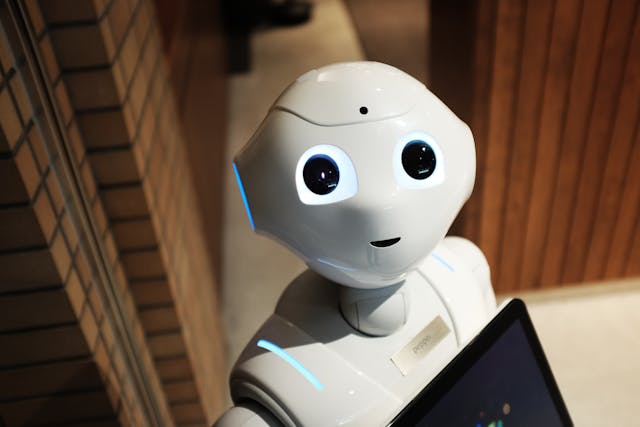
The new dressing robot can imitate the actions of care workers

Researchers have made a breakthrough by developing a new robot capable of replicating care workers’ two-handed techniques for dressing individuals. Historically, robots designed to assist with dressing, aimed at supporting elderly individuals or those with disabilities, were constructed with only one arm. However, feedback indicated that such designs could lead to discomfort or impracticality for users.

Addressing this issue, Dr Jihong Zhu, affiliated with the University of York’s Institute for Safe Autonomy, introduced an innovative two-armed assistive dressing approach. This concept, which diverges from prior research, draws inspiration from caregivers’ methods, highlighting that specific manoeuvres are crucial to minimize discomfort and distress for the care recipient.

Implementing this technology can revolutionize the social care sector by enabling care workers to allocate more time to the health and mental well-being of those under their care rather than focusing solely on physical tasks.

Dr Zhu and his team embarked on a meticulous study to understand the movement patterns of care workers during the dressing process. By allowing a robot to observe and learn from these human actions and subsequently applying AI to create a model that replicates these tasks, they were able to underscore the necessity of using both hands for dressing, as opposed to one. This research also highlights the importance of arm angles and the occasional need for human intervention to adjust or halt specific robot movements.

Dr Zhu, representing the Institute for Safe Autonomy and the School of Physics, Engineering, and Technology at the University of York, expressed that practical tasks like dressing could be automated through robotics. That would free care workers to focus more on fostering companionship and monitoring the overall well-being of those in their care. He emphasized the importance of understanding real-time care worker tasks to apply this technology outside the laboratory setting successfully.

The research team utilized a method known as ‘learning from demonstration,’ which bypasses the need for expert programming. Instead, a robot learns by observing the required human motion, understanding that care workers use both arms to effectively attend to individuals with varying abilities. This dual-arm approach enables one hand to guide the individual’s hand through a garment. At the same time, the other adjusts the garment itself, overcoming the limitations of previous one-armed designs that demanded too much effort from patients.

Moreover, the team developed algorithms that allow the robotic arms to perform actions flexibly, such as pulling and lifting, while also stopping or altering movements based on a gentle human touch or guidance, without resistance from the robot.

Dr Zhu highlighted the significance of human modelling in enhancing the efficiency and safety of interactions between humans and robots. He stressed that beyond performing tasks, the robot must be able to pause or modify its actions mid-task, should the user wish so. Building trust in this human-robot interaction is paramount, with future research focused on testing the robot’s safety boundaries and its acceptance by those who most benefit from it.

More information: Jihong Zhu et al, Do You Need a Hand? – A Bimanual Robotic Dressing Assistance Scheme, IEEE Transactions on Robotics. DOI: 10.1109/TRO.2024.3366008

Journal information: IEEE Transactions on Robotics Provided by University of York