Monthly Archives: October 2026

A Quiet, Cool and Dark Bedroom May Mean Better Sleep for Young Adults

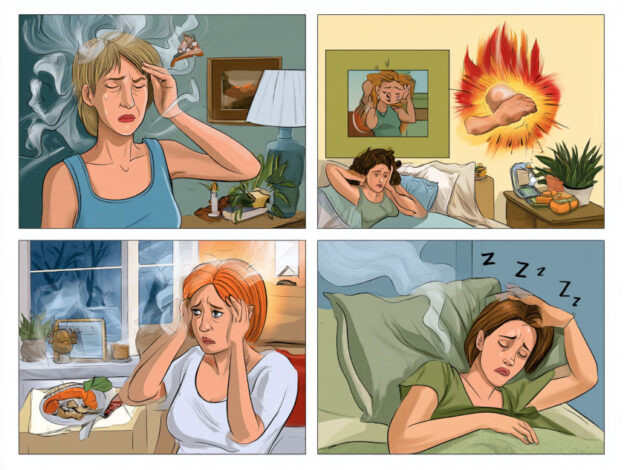
A bedroom that is too bright, noisy or hot could be quietly robbing young adults of a good night’s rest. New research from Penn State suggests that while these disturbances may not reduce the total amount of sleep young people get, they can significantly affect how well they sleep — with possible consequences for long-term health.

The study, recently published in Sleep Health, examined how bedroom conditions affected 372 young adults with an average age of 22. Researchers found that participants reported poorer sleep quality when their sleeping environment was too bright, hot or noisy. Surprisingly, these conditions did not appear to affect how long they slept, while bedrooms perceived as too cold showed no measurable effect on sleep.

“Young adults often have little control over their sleep environments,” said lead author Adwoa Dadzie, a doctoral candidate in biobehavioral health at Penn State. College dormitories, shared housing and small apartments can make it difficult to control noise, light and temperature. Yet repeated sleep disruptions could affect health and development over time, she said.

Sleep quality involves much more than simply counting hours. How quickly someone falls asleep, how often they wake during the night and how long they remain awake all contribute to whether sleep is restorative. Someone who spends many hours in bed but sleeps poorly may therefore feel less rested than someone who gets fewer hours of uninterrupted, high-quality sleep.

For 14 days, participants completed morning reports describing how well they had slept and whether noise, light or temperature had disturbed them. They also wore wrist sensors that objectively recorded when they slept, how long it took them to fall asleep and how much time they spent awake during the night.

The results showed different effects depending on the disturbance. When bedrooms were too bright, participants tended to fall asleep later, spend more time awake during the night and report poorer sleep quality. Environments that were too hot or noisy were also associated with poorer sleep, according to both participants’ reports and data collected by the wrist sensors.

Noise may be particularly troublesome because the brain does not completely tune out the surrounding environment during sleep. “Parts of our brain stay vigilant to our environment during sleep, especially noises of something that could be a threat,” said study co-author Orfeu Buxton, professor of biobehavioral health at Penn State. What counts as disruptive, however, differs from person to person. Someone accustomed to city noise, for example, may tolerate sounds that seem extremely loud to someone raised in a quieter setting.

The researchers said the findings offer some relatively simple ways to improve sleep, even for young adults who cannot change where they live. Ear plugs, noise-cancelling devices, sleep masks and blackout curtains may help reduce common disturbances. Developing good sleep habits during young adulthood could also pay dividends later in life, Buxton said, potentially reducing the effects of accumulated sleep loss as people grow older.

More information: Adwoa Dadzie et al, Daily associations between the physical environment and sleep among a diverse, national sample of young adults, Sleep Health. DOI: 10.1016/j.sleh.2026.07.010

Journal information: Sleep Health Provided by Penn State

Sustained ‘Food is Medicine’ Program Linked to Improved Cardiometabolic Health

A weekly supply of fruits, vegetables, beans and whole grains may do more than help families put nutritious meals on the table. New research suggests that when such support continues for years, rather than weeks or months, it may contribute to measurable improvements in blood pressure and weight among adults.

Researchers at Mass General Brigham studied a long-running “Food Is Medicine” program offered through the Revere Community Health Center’s Food Pantry. Adults who received weekly plant-based grocery packages for an average of 2.7 years experienced dose-dependent improvements in several measures of cardiometabolic health, meaning those who received more packages tended to see greater benefits. The findings were published in Preventing Chronic Disease.

“Our results suggest that plant-based food interventions are promising and, in the future, should focus on longer duration for improving cardiovascular and metabolic health,” said senior author Lauren Fiechtner, MD, MPH, Division Chief of Pediatric Gastroenterology, Hepatology and Nutrition at Mass General Brigham for Children and Senior Health and Research Advisor at the Greater Boston Food Bank.

The study grew out of a longstanding partnership between Mass General Brigham Revere Community Health Center and the Greater Boston Food Bank. The food bank has provided nearly 379,000 pounds of food to the health centre this year alone, helping support patients who may have difficulty consistently accessing nutritious foods.

Researchers examined health data from 68 adults who received an average of 97 grocery packages over 2.7 years. Designed by a dietitian using the USDA 2020 Dietary Guidelines, the packages included fresh fruits and vegetables, canned beans, nut butter and whole grains. Each weekly package provided enough food for three meals a day for every member of a participant’s household.

The longer and more frequently people participated, the greater the improvements appeared to be. For every 100 food packages received, researchers estimated an average reduction of 3.21 mmHg in diastolic blood pressure, 2.6 kilograms in body weight and 1.04 kg/m² in body mass index.

Among participants who began the program with elevated blood pressure, systolic blood pressure also declined. However, researchers did not find significant improvements in hemoglobin A1c, a commonly used measure of longer-term blood sugar control. The findings therefore suggest benefits in some cardiometabolic measures, but not across every health indicator examined.

“This paper has the potential to change the conversation about Food Is Medicine interventions,” said first author Jacob Mirsky, MD, MA, a primary care physician at the Revere Community Health Center and medical director of the Food Pantry. He said future programs should consider frequent, high-quality and substantial food packages delivered over longer periods, giving patients a greater opportunity to benefit from sustained access to nutritious food.

More information: Jacob Mirsky et al, Plant-Based Medically Tailored Groceries From a Food Pantry and Adult Cardiometabolic Outcomes, Preventing Chronic Disease. DOI: 10.5888/pcd23.260023

Journal information: Preventing Chronic Disease Provided by Mass General Brigham

New Editorial Urges Stronger Emergency Planning for Older Adults

When disaster strikes, older adults can face challenges that extend far beyond the immediate danger. A hurricane, wildfire, flood or heat wave can interrupt medical care, separate people from caregivers and social networks, and magnify health and mobility problems that existed long before the emergency began.

That broader picture is the focus of “Complex Emergencies and the Effects on Older Populations,” the opening editorial in the October 2026 special issue of the Journal of Applied Gerontology. Author and guest editor Lindsay Peterson, PhD, examines how disasters affect older adults in the United States, Puerto Rico and China, including those receiving care at home and in the community, assisted living communities and nursing homes.

Drawing together findings from 12 studies, the special issue shows that disaster vulnerability often develops over a lifetime. Researchers examine how childhood adversity, extreme heat, air pollution and multiple losses following hurricanes can affect cognitive function, mental health and daily functioning in later life. The studies suggest that the effects of disasters cannot always be understood by examining a single emergency in isolation.

Disasters can also disrupt the services older adults depend on. Research highlighted in the editorial found interruptions to home health and therapy services extending beyond the main disaster zone. Meanwhile, differences in staffing, organizational structure and resident involvement can leave assisted living communities and nursing homes with very different levels of preparedness.

Individual preparedness remains another concern. Even older adults with chronic illnesses or previous disaster experience may not have plans for maintaining medical care during a power outage or emergency. At the same time, resilience, hope, self-efficacy, caregiving relationships and access to reliable information can help strengthen preparedness and recovery.

“Motivation alone is not enough,” Peterson, of the University of South Florida School of Aging Studies, said. “Older adults need information that is timely, relevant, and meets their needs and life circumstances.” She added that stronger support is needed from emergency management agencies, healthcare providers, home care services and long-term care facilities.

Guest editor Lisa M. Brown, PhD, ABPP, of Palo Alto University, stressed that the consequences can also be psychological. Disasters may separate older adults from familiar routines, relationships and caregivers, with effects that continue long after the immediate crisis. Including mental health, caregiver support and trauma-informed care in emergency planning, she said, can help older adults, families and care staff cope during both the crisis and recovery.

The editorial calls for disaster planning to become part of routine clinical care, stronger emergency capacity in assisted living and nursing homes, and community programmes tailored to local circumstances, particularly in rural areas. Taken together, the research suggests that protecting older adults requires more than preparing for the next storm, fire or heat wave. It means strengthening the healthcare, caregiving, social and information systems they rely on before disaster strikes.

More information: Lindsay Peterson et al, Complex Emergencies and the Effects on Older Populations, Journal of Applied Gerontology. DOI: 10.1177/07334648261472656

Journal information: Journal of Applied Gerontology Provided by SAGE

Daily Walking May Help Protect Mental Health in Young Adolescents

Simply moving more throughout the day may be linked to better mental health as young people enter adolescence. A large US study found that 11- and 12-year-olds who accumulated more daily steps tended to experience fewer symptoms of anxiety, low mood and behavioural problems a year later, suggesting that ordinary physical activity could play a meaningful role during this important stage of development.

The study, led by King’s College London’s Institute of Psychiatry, Psychology & Neuroscience in collaboration with the University of Massachusetts Amherst, followed 5,515 adolescents taking part in the US Adolescent Brain Cognitive Development Study. Participants wore Fitbit devices for three weeks at around age 11 or 12, giving researchers an objective measure of their daily activity.

A year later, researchers assessed the adolescents’ mental health using the Child Behaviour Checklist, which measures symptoms including anxiety, low mood and behavioural problems. They found a clear pattern: the more steps young people took, the fewer mental health symptoms they reported. Those walking fewer than 5,000 steps a day had the most symptoms, while those averaging about 8,000 had fewer and those reaching 12,000 or more had the fewest.

Importantly, the benefits did not appear to level off within the range studied. Even relatively modest increases in activity were associated with better outcomes. An additional 1,000 to 2,000 daily steps, regardless of a young person’s starting point, were linked to better mental health and differences in brain structure.

Adolescents with higher step counts also had slightly thicker brain tissue in two regions involved in movement and emotional regulation. Researchers said these differences appeared to explain part of the association between physical activity and better mental health, although the changes were small. Daily step counts were not associated with academic performance.

“This study gives us some of the clearest evidence yet that even an everyday, low-cost, accessible measure of physical activity like daily step count is tied to how adolescent brains and mental health develop,” said senior author Dr Divyangana Rakesh of King’s College London. Lead author Qingyang Li added that the findings offer preliminary clues about which parts of the brain may be involved.

Dr Amanda Paluch, Associate Professor of Kinesiology at the University of Massachusetts Amherst, said the findings show young people do not have to become elite athletes to benefit potentially. Everyday activities such as walking to school, active play and sports can all add steps. “It is not an all-or-nothing situation,” she said, emphasising the importance of finding enjoyable and sustainable ways for adolescents to move more.

The researchers cautioned that the study was observational, meaning it cannot prove that taking more steps directly improves mental health. Young people with better mental health may be more inclined to stay active. Still, the association remained after researchers accounted for earlier mental health problems, and the use of wearable devices provided a more objective picture of activity than self-reported questionnaires. The findings add to growing evidence that ordinary movement woven into daily life may have an important role in adolescent well-being.

More information: Qingyang Li et al, Physical Activity and Adolescent Brain Structure, Mental Health, and Academic Outcomes, JAMA Network Open. DOI: 10.1001/jamanetworkopen.2026.36973

Journal information: JAMA Network Open Provided by King’s College London

Ageing Changes the Way Cells Recycle — Just Not as Predicted

Taking out the trash is a chore even our cells cannot avoid. Through a process called autophagy, cells collect damaged proteins and other waste, break them down and reuse their molecular building blocks. This cellular recycling system helps prevent the accumulation of debris that can damage cells and contribute to disease.

For years, scientists have generally believed that autophagy declines as people grow older. That decline has been considered one of the hallmarks of ageing and has been linked to cancer, cardiovascular disease, diabetes and neurodegenerative conditions. But new research suggests the story is considerably more complicated.

Scientists at Sanford Burnham Prebys Medical Discovery Institute reported in Aging Cell that autophagy does not simply slow down across the body with age. Instead, its activity appears to change differently depending on the type of cell and a person’s sex. The researchers also found preliminary evidence that exercise could influence cellular recycling in older adults.

“We commonly see people cite this idea that autophagy declines with age, but the actual evidence for this in humans is very thin,” said senior author Caroline Kumsta, PhD, an assistant professor at Sanford Burnham Prebys. To investigate, researchers studied skin and blood samples from healthy volunteers aged 23 to 72 and transformed some skin cells into induced neurons, allowing them to examine several cell types.

The team analysed the activity of genes involved in autophagy and directly measured how quickly cells recycled their contents. The results revealed striking differences. Autophagy declined with age in male skin cells but remained stable in female skin cells. In female-induced neurons, it actually increased with age. Gene activity also did not reliably predict the amount of recycling taking place inside cells.

The researchers then examined whether autophagy was related to physical health. Among adults aged 70 and older, higher autophagy was associated with poorer physical function across the cell types studied. Greater autophagy in blood cells was linked to lower aerobic fitness, while higher levels in skin cells were associated with higher body mass index. In induced neurons, greater autophagy was associated with lower grip strength and metabolism and a higher resting heart rate.

The findings raise the intriguing possibility that more cellular recycling is not necessarily better at every age. “It appears that increased autophagy flux may be good in younger people yet problematic in older people,” Kumsta said. Lead author Tatiana Moreno, PhD, said the results show that researchers need to consider cell type, sex and age when exploring autophagy as a possible target for healthy-ageing treatments.

A small pilot experiment also offered a clue about the role of exercise. Five adults aged 77 to 88 completed a 12-week mild exercise programme designed to help prevent falls. Afterwards, their blood-cell autophagy appeared to move towards levels seen in younger people while their physical performance improved. Although the pilot was far too small to establish cause and effect, the researchers say it provides an intriguing direction for future studies — and another sign that the relationship between ageing and cellular recycling may be far more dynamic than previously thought.

More information: Tatiana Moreno et al, Autophagy Flux Is Remodeled Sex- and Cell Type-Specifically During Human Aging, and Is Linked to Reduced Physical Function in Older Adults, Aging Cell. DOI: 10.1111/acel.70734

Journal information: Aging Cell Provided by Sanford Burnham Prebys

Immune Systems Age Faster Around Ages 40 and 60, but Differ Between Men and Women

Women tend to live longer than men, yet they are more likely to develop many age- and immune-related conditions. Why this happens has long puzzled scientists. Now, researchers at Duke-NUS Medical School have uncovered new clues showing that the immune systems of men and women follow different ageing patterns — and that immune ageing may accelerate at particular stages of life.

The study, published in Nature Communications, found that immune cells do not simply deteriorate at a slow, steady pace as people grow older. Instead, they appear to go through periods of more rapid change, with major shifts in gene activity occurring around age 40 and again after 60. Some of the most fundamental processes that keep cells functioning, including genes involved in producing RNA and proteins, showed particularly marked declines during these periods.

T cells — white blood cells that play a central role in coordinating immune responses and fighting infections — showed some of the most striking changes. Researchers found a major shift in T-cell gene activity around the 40s, followed by another wave after age 60. Intriguingly, different types of T cells appeared to drive the changes at each stage, suggesting that different parts of the immune system may be affected as people move through later life.

The patterns also differed between men and women. Certain specialised T cells changed their activity differently across the lifespan depending on sex, potentially offering clues as to why some immune-related diseases affect women and men differently. Autoimmune diseases, for example, are strongly associated with both age and sex and occur when the immune system mistakenly attacks the body’s own tissues.

“We tend to think of ageing as a gradual process, but our findings show that the immune system does not simply decline at a steady rate,” said senior author Associate Professor Jacques Behmoaras of Duke-NUS. He said identifying these periods of rapid immune change could eventually help researchers determine when interventions might be most beneficial and why some autoimmune conditions disproportionately affect women.

The research is among the largest and most diverse studies of its kind. Scientists analysed the genetic activity of 3.8 million individual immune cells collected from nearly 2,000 healthy people between the ages of 19 and 97. The participants included people of Asian ethnicity, including Singaporeans. Data from multiple publicly available studies were combined to create a detailed atlas of immune ageing across the human lifespan.

Professor Antonio Bertoletti, another study author, said the findings reinforce previous evidence that T cells are particularly vulnerable to ageing. Understanding what causes these nonlinear changes could be important because declining or altered T-cell function may help explain why older adults become more susceptible to infections and inflammatory conditions.

Researchers also used the data to develop artificial intelligence models that estimate a person’s biological age, which can differ from their chronological age. The team hopes the models will help identify biological pathways and critical periods when interventions could be tailored according to both age and sex. Ultimately, the findings could help move medicine away from a one-size-fits-all view of ageing towards more personalised strategies for maintaining immune health throughout life.

More information: Harry Park et al, Sex-specific trajectories of nonlinear immune aging at single-cell level, Nature Communications. DOI: 10.1038/s41467-026-76737-4

Journal information: Nature Communications Provided by Duke-NUS Medical School

How Sex Chromosomes Shape Cancer Risk, Heart Health and Lifespan

The X and Y chromosomes may be best known for their role in determining biological sex, but scientists are finding that their influence reaches much further. A new review published in Science suggests these chromosomes can shape how our bodies age, fight disease and respond to treatment throughout our lives.

For decades, many health differences between men and women have been explained largely by hormones such as estrogen and testosterone. But researchers say that is only part of the story. Genes carried on the X and Y chromosomes can have their own effects on the body, influencing everything from the immune system and metabolism to cancer, heart disease and brain ageing.

The review was co-led by University of Arizona Cancer Center physician-scientist Dr. Dan Theodorescu and Dr. Dena B. Dubal of the University of California, San Francisco. Drawing on evidence from human studies, mouse research and genomic technologies, the scientists examined how sex chromosomes may affect disease risk, progression and responses to treatment.

“X and Y chromosomes are often thought of as simple determinants for biological sex, but their role in human health is much larger,” Theodorescu said. According to the researchers, the chromosomes carry genetic instructions that can influence how cells age and how the body protects itself against major diseases.

The X chromosome offers a particularly intriguing example. Women generally have two X chromosomes, but one is largely switched off early in development. That shutdown is not always complete. Some genes remain active, while others may switch back on as people age, potentially giving female cells extra doses of certain genes. Animal studies also suggest that whether an active X chromosome comes from the mother or father could affect brain ageing and memory.

Age can bring other changes. Some cells may lose a sex chromosome altogether. In women, loss of an X chromosome has been associated with a higher risk of leukaemia. In men, loss of the Y chromosome in blood cells has been linked to cancer, heart disease, severe infections and Alzheimer’s disease. Scientists are now studying whether these changes signal ageing and disease or actually help drive them.

Cancer research is already providing important clues. Theodorescu’s laboratory has found that tumours that lose the Y chromosome can become better at escaping attack by the immune system. Surprisingly, those tumours may also respond better to immunotherapy. His team’s other research suggests Y chromosome loss in seemingly normal tissue could potentially serve as an early warning sign of genetic changes associated with cancer.

The findings could eventually change how researchers think about disease prevention and treatment. Paying closer attention to the X and Y chromosomes — rather than focusing primarily on hormones — could help explain why diseases develop differently from one person to another and why the same treatment does not always produce the same results. The researchers say designing clinical trials with these biological differences in mind could ultimately lead to more precise diagnoses and treatments tailored to individual patients.

More information: Dena B. Dubal et al, X and Y chromosomes as determinants of aging and disease, Science. DOI: 10.1126/science.aeh0145

Journal information: Science Provided by University of Arizona

Lead From Contaminated Soil May Find Its Way Indoors

Lead-contaminated soil tracked into homes can create hazardous levels of lead dust, even in residences without lead-based paint, according to researchers at the Rutgers Environmental, Occupational and Health Sciences Institute. The study, conducted with community scientists, suggests outdoor soil may be an overlooked source of indoor lead exposure.

Published in the Journal of Exposure Science & Environmental Epidemiology, the study focused on East Trenton, New Jersey. The U.S. Environmental Protection Agency added the neighbourhood to the Superfund National Priorities List in 2025 after identifying soil contaminated with lead associated with 19th-century pottery manufacturing.

Researchers found that 86% of 242 bare surface soil samples exceeded the EPA’s residential soil lead hazard level of 200 parts per million. In comparison, nearly 94% exceeded screening levels used when people may be exposed to lead from multiple sources. Lead author Sean Stratton said the findings were particularly concerning because surface soil can be easily accessed by children or tracked indoors.

The researchers also found elevated lead in household dust. Among homes without interior lead-based paint, 80% of floor dust samples exceeded the safety threshold. Interior floor lead levels did not differ significantly between homes with lead-based paint and those without it, suggesting that contaminated outdoor soil being carried indoors was a likely source.

Lead exposure is particularly dangerous for young children. According to the EPA, lead poisoning can affect brain development, damage vital organs and cause lasting behavioural and neurological problems. The findings highlight the importance of considering environmental sources of lead beyond deteriorating paint inside older homes.

Working with the East Trenton Collaborative, Rutgers researchers recruited and trained residents to collect soil samples from 122 homes. Researchers then used X-ray fluorescence analysers to identify lead-based paint and collected dust samples from floors, windowsills and window wells in 42 homes. The community-based approach provided researchers with access to residences while involving residents directly in investigating environmental risks in their neighbourhood.

Indoor lead exposure in the United States has historically been associated with deteriorating lead-based paint, which was commonly used in homes before the federal government banned consumer uses of lead paint in 1978. But the researchers said their findings challenge the assumption that newer homes, or homes without lead-based paint, are necessarily protected from indoor lead dust. Contaminated soil outside a residence can provide another pathway for exposure.

The East Trenton research builds on an earlier Rutgers partnership with the Newark Water Coalition, in which community scientists distributed 500 water-testing kits to investigate whether flushing taps could reduce lead exposure. That project found that flushing did not eliminate the risk. Researchers said the experience demonstrated the value of community-led data collection and helped establish trust for the East Trenton study, showing how residents can play an important role in identifying environmental health threats in their own communities.

More information: Sean Stratton et al, Lead soil contribution to dust loading in urban homes built before and after 1978, measured through a community academic partnership, Journal of Exposure Science & Environmental Epidemiology. DOI: 10.1038/s41370-026-00949-5

Journal information: Journal of Exposure Science & Environmental Epidemiology Provided by Rutgers University

Menopause May Leave Clues That Predict Future Dementia Risk

Menopause is often associated with hot flashes, anxiety, brain fog and sleep problems, suggesting that the transition affects not only the body but also the brain. Now, researchers at UC San Francisco have identified biological changes that may help explain this connection — and potentially offer clues about women’s brain health decades later.

In a study published in Nature Medicine, researchers found that levels of 16 blood molecules linked to brain ageing changed during the menopause transition. In older women, higher levels of these same molecules were associated with poorer memory and thinking skills and a greater risk of Alzheimer’s disease. The researchers stress that menopause itself does not appear to cause dementia directly, but these biological changes could eventually help predict future risk.

Women account for about two-thirds of people with Alzheimer’s disease, a difference that cannot be explained entirely by women’s longer average lifespan. Because the earliest brain changes associated with Alzheimer’s can begin decades before symptoms appear, researchers are increasingly interested in midlife — particularly the years surrounding menopause — as an important period for understanding later brain health.

To examine this period more closely, researchers studied 80 women in their 40s and 50s. Rather than simply classifying them as pre- or postmenopausal, they used symptoms and hormone levels to determine where each woman was in the menopause transition, which can begin years before the final menstrual period and continue afterwards.

Using a blood test measuring more than 100 molecules related to brain health, the researchers identified 16 that changed across menopause. These changes were more strongly associated with hormone levels than with chronological age. Inflammatory molecules tended to increase as estradiol declined, while molecules associated with Alzheimer’s biology increased as follicle-stimulating hormone levels rose. Similar patterns were found in data from more than 2,800 women in the UK Biobank.

The researchers then examined nearly 12,000 women in their 60s and early 70s from four previous studies. Women with the highest levels of these molecules had poorer memory and a 15% higher risk of developing Alzheimer’s disease as they aged. Women who experienced night sweats during menopause also tended to show greater increases in inflammatory molecules, and elevated levels remained detectable years later among some women who recalled having hot flashes.

However, the findings show associations rather than cause and effect. Researchers do not yet know whether menopause directly triggers brain changes that increase dementia risk. Interestingly, a small group of middle-aged men showed much of the same molecular pattern seen in postmenopausal women, raising the possibility that menopause may accelerate biological changes that occur more gradually in men.

The long-term goal is to develop a blood test that could provide an early warning of dementia risk, similar to the way cholesterol testing helps assess cardiovascular risk. Researchers are now launching the Longitudinal Menopause Project, which will follow women through menopause using blood tests, brain MRI scans, cognitive testing, wearables and smartphone monitoring. The hope is that identifying risk during midlife could eventually create opportunities to strengthen brain resilience long before dementia symptoms appear.

More information: Madeline Wood Alexander et al, Blood proteomics of menopause map to brain aging and dementia risk, Nature Medicine. DOI: 10.1038/s41591-026-04648-4

Journal information: Nature Medicine Provided by University of California – San Francisco

Paid to Vape: Researchers Raise Concerns About the Risks

Vaping products are becoming smarter – and potentially more addictive. Some new devices now offer cryptocurrency and other incentives linked to vaping behaviour, prompting researchers at MUSC Hollings Cancer Center to raise concerns about their potential public health impact. In a perspective published in the New England Journal of Medicine, researchers warn that combining addictive substances with financial rewards, gamification and artificial intelligence could encourage continued vaping and make quitting more difficult.

“What really stood out is that these products are rewarding people for engaging in an already rewarding behaviour,” said lead author Amanda Palmer, Ph.D., a Hollings researcher. “In substance use treatment, we do the opposite. We try to help people find rewarding activities that aren’t associated with using a substance.”

The researchers examined two recently introduced products: Puffpaw, a nicotine vaping device marketed as an aid for quitting e-cigarettes, and Gudtrip, a cannabis vaping device incorporating artificial intelligence and cryptocurrency. Both connect to smartphone apps and track users’ behaviour. Although such “smart vapes” are relatively new, researchers say their potential effects should be examined before they become more widespread.

Nicotine and cannabis activate the brain’s reward system, encouraging repeated use. Smart vaping devices add another layer by offering points or cryptocurrency for vaping and engagement. In some cases, rewards can be used to purchase refill cartridges. “There’s no incentive for not using the device,” Palmer said. Researchers note that this differs from evidence-based cessation programmes, where financial incentives can help people quit when they reward abstinence or healthier behaviours.

Researchers are particularly concerned about the potential appeal to adolescents and young adults. With mobile apps, artificial intelligence, cryptocurrency and game-like features, the products can resemble technology or gaming platforms more than conventional vaping devices. The researchers say these features may be especially attractive to younger users, while financial rewards could also appeal to people experiencing financial hardship.

The devices also raise regulatory questions. Nicotine vaping products must receive authorisation from the U.S. Food and Drug Administration before they can legally be marketed in the United States. The smart vaping devices discussed by the researchers have not received FDA authorisation, although unauthorised vaping products remain widely available. Cannabis products present additional challenges because regulation varies considerably from state to state.

Another concern is data collection. Because smart vaping devices connect with smartphone apps and can track detailed patterns of use, researchers say questions remain about how this information might eventually be used or shared. As vaping technologies become more sophisticated, they argue that regulations may need to keep pace with developments in artificial intelligence, digital rewards and behavioural tracking.

The researchers stress that they are not arguing against technological innovation or harm-reduction approaches. Rather, their concern centres on products that financially reward continued use of addictive substances. They are calling for closer regulatory review and greater awareness among clinicians and parents. “We’re trying to get ahead of what could become a much bigger issue,” Palmer said. “The vaping marketplace changes incredibly quickly, and it’s important that we think carefully about how these technologies are designed and marketed.”

More information: Amanda Palmer et al, Vaping for Crypto — Smart Devices, Risky Business, New England Journal of Medicine. DOI: 10.1056/NEJMp2606580

Journal information: New England Journal of Medicine Provided by Medical University of South Carolina