Saturday, 25 Jul 2026
  • My Feed
  • My Saves
  • History
  • Blog
Living Well Study
  • Blog
  • Ageing Well
  • Brain Health
  • Healthy Diets
  • Physical Wellness
  • Wellness
  • 🔥
  • Wellness
  • older adults
  • Living Well
  • Brain Health
  • dementia
  • public health
  • Ageing Well
  • Health and Medicine
  • alzheimer disease
  • physical exercise
Font ResizerAa
Living Well StudyLiving Well Study
  • My Saves
  • My Feed
  • History
Search
  • Pages
    • Home
    • Search Page
  • Personalized
    • Blog
    • My Feed
    • My Saves
    • History
  • Categories
    • Ageing Well
    • Brain Health
    • Healthy Diets
    • Mental Wellness
    • Physical Wellness
    • Wellness
Have an existing account? Sign In
Follow US
© 2022 Foxiz News Network. Ruby Design Company. All Rights Reserved.
Living Well Study > Blog > Health Care > New Analysis in Nature Reviews Microbiology Examines the Impact of Climate Change on Waterborne Diseases
Health Care

New Analysis in Nature Reviews Microbiology Examines the Impact of Climate Change on Waterborne Diseases

support
Share
study of waterborne diseases
SHARE

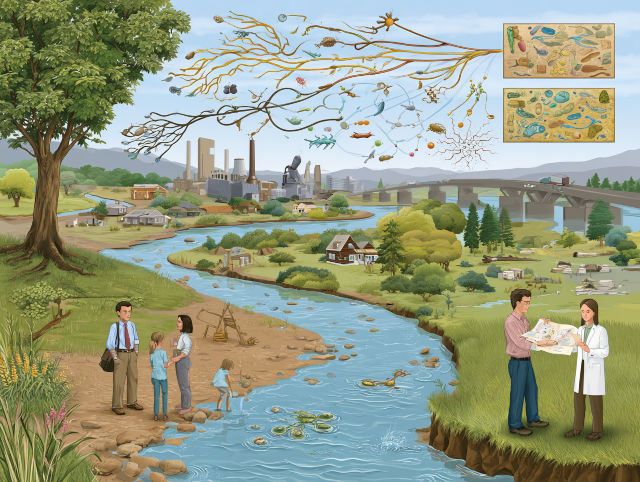
Climate change is reshaping the spread of waterborne diseases worldwide, according to a comprehensive review published in Nature Reviews Microbiology. Led by researchers from the Colorado School of Public Health at the University of Colorado Anschutz and the University of Washington School of Public Health, the review is among the most comprehensive analyses to date of how climate change influences waterborne diseases. The authors warn that increasingly frequent extreme weather events could reverse decades of progress in controlling these illnesses, which contribute to nearly 1.2 million deaths from infectious diarrhoeal diseases each year.

The review shows that climate change does not affect all disease-causing microorganisms in the same way. Bacteria, viruses and parasites each respond differently to changing environmental conditions, highlighting the need for pathogen-specific public health strategies. “We want people to know climate change changes the conditions that allow pathogens to spread,” said co-author Elizabeth Carlton, PhD, professor and chair of the Department of Environmental and Occupational Health at the Colorado School of Public Health. “It’s making it harder to control some of the world’s most deadly infectious diseases by creating more favourable conditions for transmission.”

According to the researchers, climate change alters the environmental conditions that determine whether pathogens survive, spread and infect new hosts. Flooding and heavy rainfall can contaminate drinking water supplies by carrying pathogens into water sources. At the same time, droughts can also increase disease risk by reducing access to safe water and forcing changes in water use. Rising temperatures generally encourage the growth of many bacteria. In contrast, some viruses, including norovirus, rotavirus and adenovirus, spread more efficiently in cooler, drier conditions and may become less common as global temperatures rise.

To reduce the growing threat of climate-driven waterborne diseases, the review identifies several practical public health measures. Investing in climate-resilient water, sanitation and hygiene (WASH) infrastructure is among the most effective ways to prevent disease, particularly as floods, hurricanes and other extreme weather events increasingly damage water and sanitation systems. The authors stress that strengthening these essential services will improve both current disease prevention and long-term resilience to climate change.

The researchers also recommend expanding pathogen-specific disease surveillance and strengthening vaccination programmes. Early detection systems can help health officials identify which pathogens are circulating and respond with targeted interventions rather than relying on one-size-fits-all approaches. Increasing coverage of vaccines against diseases such as cholera, rotavirus, polio, hepatitis A and typhoid can further reduce disease burden. However, climate-related disasters may disrupt vaccine delivery by damaging infrastructure and interrupting cold-chain storage.

The authors describe these measures as “no-regrets” investments because they protect public health today while preparing communities for future climate risks. Carlton noted that although climate change is altering how waterborne diseases spread, many effective prevention tools already exist. The challenge, she said, is ensuring they are designed and deployed for current and future climate conditions. The review concludes that no single strategy will prevent every waterborne disease, and that successful climate adaptation efforts must account for the different ways individual pathogens respond to changing environmental conditions.

More information: Karen Levy et al, Waterborne diseases and climate change, Nature Reviews Microbiology. DOI: 10.1038/s41579-026-01338-3

Journal information: Nature Reviews Microbiology Provided by University of Colorado Anschutz

TAGGED:climate changediseases and disordersepidemiology
Share This Article
Email Copy Link Print
Previous Article Common myths about water intake and spicy foods debunked
Next Article Overweight May Contribute to Cancer Risk More Than Previously Thought
Leave a Comment

Leave a Reply Cancel reply

Your email address will not be published. Required fields are marked *

Recent Posts

  • Living Environment May Affect Women’s Heart Health for Decades, Study Suggests
  • Study Shows How the Adolescent Brain Reshapes Memory
  • Study Finds Frequent TV Watching Associated with Smaller Brain Structures
  • Overweight May Contribute to Cancer Risk More Than Previously Thought
  • New Analysis in Nature Reviews Microbiology Examines the Impact of Climate Change on Waterborne Diseases

Tags

adolescents adverse effects ageing populations aging populations air pollution alzheimer disease amyloids anxiety artificial intelligence atopic dermatitis behavioral psychology biomarkers blood pressure body mass index brain cancer cancer research cardiology cardiovascular disease cardiovascular disorders caregivers children climate change climate change effects clinical research cognition cognitive development cognitive disorders cognitive function cognitive neuroscience COVID-19 dementia depression diabetes diets discovery research disease control disease intervention disease prevention diseases and disorders environmental health epidemiology foods food science gender studies geriatrics gerontology gut microbiota health and medicine health care health care costs health care delivery heart disease heart failure home care human brain human health hypertension inflammation insomnia life expectancy life sciences longitudinal studies memory disorders menopause mental health metabolic disorders metabolism mortality rates neurodegenerative diseases neurological disorders neurology neuroscience nursing homes nutrients nutrition obesity older adults parkinsons disease physical exercise population studies preventive medicine psychiatric disorders psychological science psychological stress public health research impact risk assessment risk factors risk reduction skin sleep sleep apnea sleep disorders social interaction social research socioeconomics tobacco type 2 diabetes weight loss
July 2026
S M T W T F S
 1234
567891011
12131415161718
19202122232425
262728293031  
« Jun    

This website is for information purpose only and is in no way intended to replace the advice, professional medical care, diagnosis or treatment of a doctor, therapist, dietician or nutritionist.

About | Contact | Cookie Policy | Digital Millennium Copyright Act Notice | Disclaimer | Privacy Policy | Terms of Service

You Might Also Like

Public Health

Hospital-acquired infections linked to increased likelihood of dementia

By support
Wellness

Research Reveals the Significant Effects of Severe Poverty on Death Rates Amongst Ethnically Mixed, Low-Income Groups

By support
Health Care

Falls Remain a Major Risk, Affecting One in Eight Older People in Ireland Every Year

By support
Health and Medicine

New Research Questions Long-Held Beliefs About the Harms of “Yo-Yo Dieting”

By support
Living Well Study
Categories
  • Ageing Well
  • Brain Health
  • Healthy Diets
  • Mental Wellness
  • Physical Wellness
  • Wellness
LivingWellStudy
  • About
  • Contact
  • Cookie Policy
  • Digital Millennium Copyright Act Notice
  • Disclaimer
  • Privacy Policy
  • Terms of Service
Welcome Back!

Sign in to your account

Username or Email Address
Password

Lost your password?