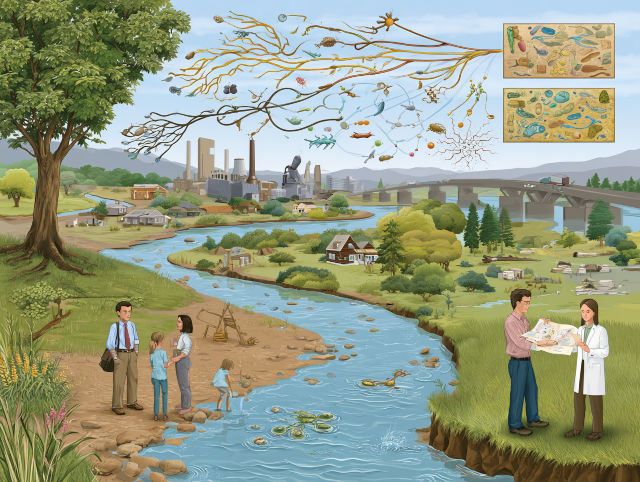
Climate change is reshaping the spread of waterborne diseases worldwide, according to a comprehensive review published in Nature Reviews Microbiology. Led by researchers from the Colorado School of Public Health at the University of Colorado Anschutz and the University of Washington School of Public Health, the review is among the most comprehensive analyses to date of how climate change influences waterborne diseases. The authors warn that increasingly frequent extreme weather events could reverse decades of progress in controlling these illnesses, which contribute to nearly 1.2 million deaths from infectious diarrhoeal diseases each year.
The review shows that climate change does not affect all disease-causing microorganisms in the same way. Bacteria, viruses and parasites each respond differently to changing environmental conditions, highlighting the need for pathogen-specific public health strategies. “We want people to know climate change changes the conditions that allow pathogens to spread,” said co-author Elizabeth Carlton, PhD, professor and chair of the Department of Environmental and Occupational Health at the Colorado School of Public Health. “It’s making it harder to control some of the world’s most deadly infectious diseases by creating more favourable conditions for transmission.”
According to the researchers, climate change alters the environmental conditions that determine whether pathogens survive, spread and infect new hosts. Flooding and heavy rainfall can contaminate drinking water supplies by carrying pathogens into water sources. At the same time, droughts can also increase disease risk by reducing access to safe water and forcing changes in water use. Rising temperatures generally encourage the growth of many bacteria. In contrast, some viruses, including norovirus, rotavirus and adenovirus, spread more efficiently in cooler, drier conditions and may become less common as global temperatures rise.
To reduce the growing threat of climate-driven waterborne diseases, the review identifies several practical public health measures. Investing in climate-resilient water, sanitation and hygiene (WASH) infrastructure is among the most effective ways to prevent disease, particularly as floods, hurricanes and other extreme weather events increasingly damage water and sanitation systems. The authors stress that strengthening these essential services will improve both current disease prevention and long-term resilience to climate change.
The researchers also recommend expanding pathogen-specific disease surveillance and strengthening vaccination programmes. Early detection systems can help health officials identify which pathogens are circulating and respond with targeted interventions rather than relying on one-size-fits-all approaches. Increasing coverage of vaccines against diseases such as cholera, rotavirus, polio, hepatitis A and typhoid can further reduce disease burden. However, climate-related disasters may disrupt vaccine delivery by damaging infrastructure and interrupting cold-chain storage.
The authors describe these measures as “no-regrets” investments because they protect public health today while preparing communities for future climate risks. Carlton noted that although climate change is altering how waterborne diseases spread, many effective prevention tools already exist. The challenge, she said, is ensuring they are designed and deployed for current and future climate conditions. The review concludes that no single strategy will prevent every waterborne disease, and that successful climate adaptation efforts must account for the different ways individual pathogens respond to changing environmental conditions.
More information: Karen Levy et al, Waterborne diseases and climate change, Nature Reviews Microbiology. DOI: 10.1038/s41579-026-01338-3
Journal information: Nature Reviews Microbiology Provided by University of Colorado Anschutz