Author Archives: support

Artificial Intelligence Offers Promise in Identifying Advanced Heart Failure

Researchers have developed a new artificial intelligence (AI) approach that may help doctors identify patients with advanced heart failure more easily and efficiently. The study, led by investigators from Weill Cornell Medicine, Cornell Tech, Cornell Ann S. Bowers College of Computing and Information Science, Columbia University Vagelos College of Physicians and Surgeons and NewYork-Presbyterian, suggests that AI could improve access to care for many patients whose condition may otherwise go undetected.

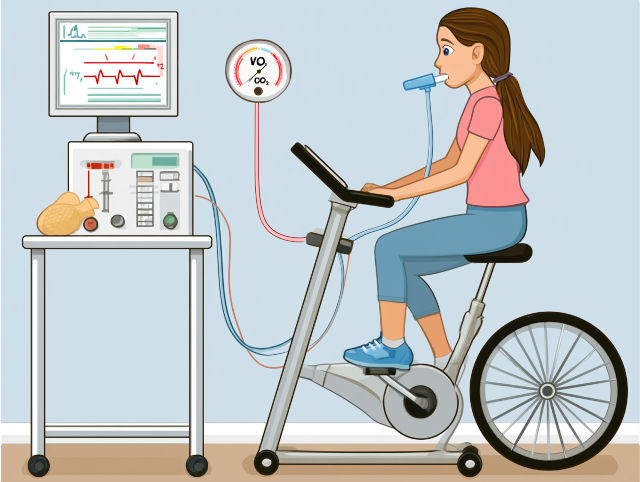
Advanced heart failure occurs when the heart can no longer pump blood effectively enough to meet the body’s needs. Diagnosing this condition often requires cardiopulmonary exercise testing (CPET), a specialised procedure that measures how well the heart and lungs function during physical activity. However, CPET requires expensive equipment and specially trained staff and is usually only available at large medical centres. As a result, many patients with advanced heart failure are not identified early enough to receive appropriate treatment. Researchers estimate that about 200,000 people in the United States are living with advanced heart failure, yet only a small proportion receive the specialised care they need each year.

In the new study, published in the journal npj Digital Medicine, researchers tested whether AI could help overcome this challenge. Instead of relying on CPET, the new method uses routine cardiac ultrasound images, also known as echocardiograms, along with information already contained in patients’ electronic health records. The AI system was designed to predict peak oxygen consumption, or peak VO2, which is considered one of the most important measurements obtained during CPET and a key indicator of advanced heart failure severity.

“This opens up a promising pathway for more efficient assessment of patients with advanced heart failure using data sources that are already embedded in routine care,” said senior study author Fei Wang, associate dean for AI and data science at Weill Cornell Medicine. The project was part of the Cardiovascular AI Initiative, a collaborative effort involving researchers and clinicians from Cornell, Columbia and NewYork-Presbyterian aimed at exploring how AI can improve the diagnosis and management of heart failure.

The researchers emphasised that the project relied on close collaboration between physicians and AI specialists. Nir Uriel, director of advanced heart failure and cardiac transplantation at NewYork-Presbyterian, explained that heart failure specialists first identified areas where AI could have the greatest clinical impact. One of the most promising opportunities was using AI to analyse cardiac ultrasound data to identify patients at high risk. Deborah Estrin, associate dean for impact at Cornell Tech, noted that the collaboration also helped inspire the development of new AI techniques driven directly by clinical needs.

To create the model, the research team trained the AI system using deidentified medical data from 1,000 patients with heart failure treated at NewYork-Presbyterian/Columbia University Irving Medical Center. The AI analysed several different types of information simultaneously, including moving ultrasound images of the heart, images showing blood flow and valve function, and data from electronic health records. After training, the model was tested on a separate group of 127 heart failure patients from three additional NewYork-Presbyterian campuses. The AI demonstrated an overall accuracy of about 85% in identifying patients at high risk, making it one of the strongest reported results so far for AI-based prediction of peak VO2.

The research team is now planning clinical studies to evaluate the technology further before it can be considered for approval by the U.S. Food and Drug Administration and eventual use in routine patient care. Researchers believe the approach could help doctors identify many patients with advanced heart failure earlier and more efficiently than current methods allow. According to Dr. Uriel, improving identification of these patients could ultimately lead to major improvements in treatment, quality of life and long-term health outcomes.

More information: Zhe Huang et al, Multimodal multi-instance learning for cardiopulmonary exercise testing performance prediction, npj Digital Medicine. DOI: 10.1038/s41746-026-02493-w

Journal information: npj Digital Medicine Provided by Weill Cornell Medicine

Cardiac Structural Impairment Linked to Increased Risk of Long-Term Adverse Health Events and Mortality

Higher left atrial end-systolic dimension (LASD), a measure of the size of the heart’s left upper chamber, and greater left ventricular mass (LVM), which reflects the weight of the heart’s left ventricular muscle, are established markers of cardiovascular damage and are known to predict a higher short-term risk of cardiovascular disease (CVD). However, less is known about their associations with long-term health outcomes over several decades.

A new study by researchers at Boston University Chobanian & Avedisian School of Medicine found that elevated LASD and LVM values during midlife are associated with a greater long-term risk of adverse health outcomes, including mortality, CVD, dementia, hypertension, diabetes, and chronic kidney disease. The findings highlight the importance of maintaining a healthy cardiac structure throughout adulthood.

“It is important to make appropriate lifestyle changes and follow heart-healthy habits, such as eating healthy, exercising regularly, maintaining a healthy body mass index, limiting alcohol intake, and avoiding smoking; these choices may help maintain optimal LVM and LASD values and subsequently lower the risk of CVD and other adverse outcomes,” said Vanessa Xanthakis, associate professor of medicine and investigator with the Framingham Heart Study.

Using data from the Framingham Heart Study, one of the world’s longest-running epidemiological studies, researchers analyzed 8,192 participants (mean age 48 ± 13 years; 54% women) who underwent routine echocardiography assessments during study visits. Participants also provided information on lifestyle factors, body measurements, blood pressure, use of antihypertensive medications, cholesterol ratios, diabetes status, fasting blood glucose, and other cardiovascular risk factors using standardized protocols.

According to the researchers, most previous studies examining echocardiographic measurements and disease risk have been limited to relatively short follow-up periods. In contrast, the extensive longitudinal data available through the Framingham Heart Study allowed investigators to follow participants for approximately 30 years.

“The number of people living with CVD and related comorbidities continues to rise, so we hope our findings will encourage individuals to adopt healthier lifestyles that may reduce disease risk and contribute to healthier aging at the population level,” added Xanthakis.

More information: Stephanie Pan et al, Associations of Left Atrial Dimension and Ventricular Mass With Long-Term Health Outcomes: Framingham Heart Study, Journal of the American College of Cardiology. DOI: 10.1016/j.jacadv.2026.102643

Journal information: Journal of the American College of Cardiology Provided by Boston University School of Medicine

Hospital-Related Delirium Could Be an Early Warning Sign of Dementia

Older adults who experience delirium during a hospital admission may face a substantially increased risk of developing dementia in later life, even if they were previously in relatively good health, according to a major new population-based study. Researchers found that delirium — a sudden and severe state of confusion that commonly occurs during acute illness or hospitalisation — was strongly associated with future dementia across all levels of pre-existing health. The findings suggest delirium may be more than a temporary complication of illness and could instead represent an important early warning sign of long-term cognitive decline.

The study showed that the association between delirium and later dementia was especially pronounced among older adults who had few or no long-term health conditions before being admitted to the hospital. While delirium has long been recognised as common among frail older adults, researchers say the new findings challenge assumptions that its consequences are limited to those who are already medically vulnerable. Instead, delirium appeared to signal a markedly elevated risk of dementia even among individuals who were otherwise relatively healthy before their hospital stay.

Delirium affects around one in four hospitalised older adults. It is associated with a range of serious outcomes, including prolonged hospital stays, increased mortality, loss of independence, and higher healthcare use. However, experts have debated whether delirium itself contributes to later cognitive decline or whether it simply reflects underlying health problems that already place individuals at greater risk of dementia. The new study strengthens evidence that delirium may represent an under-recognised pathway linking acute illness with long-term brain health outcomes, rather than acting solely as a marker of poor overall health.

Researchers from the University of Edinburgh analysed linked healthcare data from 23,558 adults aged 65 years and older living in the Lothian region of Scotland. The data were accessed through DataLoch, a secure health and social care research platform that combines information from multiple healthcare sources. The team examined how delirium during hospital admission influenced future dementia and mortality risk across people with varying numbers of chronic health conditions. Their analysis found that among individuals with relatively few long-term conditions, delirium was associated with approximately a threefold higher risk of developing dementia in the years following hospitalisation. These individuals also experienced a substantially greater risk of death compared with similar patients who had not experienced delirium.

Researchers say the findings highlight the importance of recognising delirium as a serious clinical event rather than dismissing it as a temporary or unavoidable consequence of acute illness. They argue that routine delirium assessment should form a standard part of emergency hospital care for older adults, alongside clearer communication with patients and families about the potential longer-term implications. The study also underscores the need for improved follow-up and monitoring after discharge, particularly for patients who experience delirium despite previously having relatively good health.

Dr Rose Penfold said the condition can be deeply distressing for both patients and families and should not be regarded as confusion that resolves without consequences. She noted that the study identified delirium as being linked to a much higher risk of later dementia, with the greatest relative risk observed among individuals who had previously been relatively healthy. According to Dr Penfold, the findings reinforce the importance of delirium assessment in hospital settings and highlight the need for greater awareness of delirium as an important warning sign for future brain health. Researchers say further studies are now needed to understand better the biological mechanisms connecting delirium and dementia and to explore whether earlier intervention could help reduce long-term cognitive risk.

More information: Rose Penfold et al, Delirium, long-term conditions, and incident dementia in older adults admitted to hospital for emergency care in Lothian, Scotland: a population-based cohort study, The Lancet Healthy Longevity. DOI: 10.1016/j.lanhl.2026.100832

Journal information: The Lancet Healthy Longevity Provided by University of Edinburgh

Falling Temperatures Drive Up Heart-Related Mortality Rates

Following one of the coldest winters in recent memory across large parts of the country, new research is drawing attention to a frequently underestimated consequence of low temperatures: a marked rise in cardiovascular deaths. Months characterised by colder weather are associated with significantly higher rates of fatalities from heart attacks, strokes and coronary artery disease compared with milder periods. The study, presented at the American College of Cardiology’s Annual Scientific Session (ACC.26), also found that higher temperatures correspond with increased cardiovascular deaths. However, the effect is considerably less pronounced than that observed in colder conditions.

While earlier studies have established links between extreme temperatures and cardiovascular mortality, much of that research has either focused on populations outside the United States or examined only limited regions within it. For instance, prior work published in the Journal of the American College of Cardiology highlighted an elevated risk of heart attacks during cold weather exposure. The latest study expands on this by offering a far more comprehensive analysis, covering a wide geographic and demographic range across the United States, thereby providing a clearer picture of how temperature variations influence cardiovascular outcomes at scale.

According to the study’s lead author, Pedro Rafael Vieira De Oliveira Salerno, a resident physician at NYC Health + Hospitals/Elmhurst and the Icahn School of Medicine at Mount Sinai, the findings represent a significant advancement in understanding the national burden of temperature-related deaths. For the first time, researchers have been able to quantify the impact of cold weather across most of the United States, revealing that the number of excess deaths linked to lower temperatures is substantial and cannot be overlooked in public health discussions.

The research team analysed monthly temperature data alongside total cardiovascular deaths across 819 locations, representing approximately 80% of the U.S. population aged over 25. Spanning the years 2000 to 2020, the analysis identified an optimal temperature—around 23°C—at which cardiovascular death rates were lowest. Mortality rates increased progressively as temperatures moved either below or above this benchmark, illustrating a clear relationship between environmental conditions and cardiovascular risk.

The pattern observed followed an uneven U-shaped curve, with both extreme cold and extreme heat contributing to higher mortality. However, the increase in deaths was significantly steeper during colder periods. Researchers estimated that cold weather was responsible for approximately 40,000 excess cardiovascular deaths annually, accounting for about 6.3% of such deaths, and totalling around 800,000 over two decades. In contrast, heat-related excess deaths were far fewer, estimated at 2,000 per year, or 40,000 over the same period. Physiologically, cold exposure can trigger inflammatory responses and cause blood vessels to constrict, increasing the likelihood of serious cardiovascular events, particularly among older adults and individuals with chronic conditions.

The findings carry important implications for public health planning, especially in the context of climate change. As chronic illnesses such as diabetes, heart failure and kidney disease become more prevalent, a growing segment of the population may be increasingly vulnerable to temperature extremes. While much attention has been directed towards the dangers of rising heat, the study underscores the need also to address the risks posed by cold weather. Health systems and communities must prepare for seasonal surges in emergency calls and hospital admissions during cold spells, ensuring adequate resources and preventative strategies are in place. Although the study relied on monthly data and population-level analysis, future research aims to examine more granular, real-time associations, including the relationship between temperature fluctuations and emergency medical service activations.

More information: Pedro Rafael Vieira de Oliveira Salerno et al, Cardiovascular disease mortality attributable to monthly non-optimal temperature in the united states: a county-level analysis, American Journal of Preventive Cardiology. DOI: 10.1016/j.ajpc.2026.101514

Journal information: American Journal of Preventive Cardiology Provided by American College of Cardiology

Ageing and the Breakdown of Proper Cellular Responses

Some of the changes we associate with ageing begin deep inside our cells, particularly in the nucleus where DNA is stored. DNA is not loose; it is tightly packaged into a structure called chromatin. Researchers at the Paul Scherrer Institute (PSI) have shown that this packaging changes as we grow older. These changes affect how cells read genetic instructions and respond to signals from their environment. As a result, older cells may react less effectively—or even incorrectly—which can contribute to disease. The findings were published in the journal Proceedings of the National Academy of Sciences.

As people age, their cells do not simply stop working, but they do become less flexible. They divide less often and may not respond properly to external signals. The PSI researchers found that the root of this problem lies in chromatin. When chromatin changes shape, it affects how genes are turned on or off. Genes contain the instructions for making proteins, which cells need to function properly. If these instructions are not read correctly, the cell may produce the wrong proteins or fail to respond when needed.

To study this, the scientists examined skin cells from both young and older individuals. They compared cells from children around ten years old with those from adults aged 75. Using microscopes and molecular techniques, they exposed the cells to mechanical stress and a chemical signal known as TGF-β, which normally helps regulate cell growth and repair. Younger cells responded strongly—they contracted and increased their activity. Older cells also reacted, but their response was noticeably weaker and less adaptable.

The researchers then looked more closely at what was happening inside the cells. They found that chromatin in older cells becomes more “open.” This means that parts of the DNA that should remain tightly packed and inactive become easier to access. While this might sound helpful, it actually leads to problems. The cell begins to activate genes that are not needed, while failing to activate the ones that are needed properly. This mix-up can result in the production of unnecessary or harmful proteins and may increase the risk of diseases, including cancer.

According to lead researcher G. V. Shivashankar, chromatin acts like a filter that controls which genes are used at any given time. When this filtering system breaks down, important processes such as wound healing or tissue repair may not work properly. This helps explain why the body becomes less efficient at recovering from injury or illness with age.

Looking ahead, the research team hopes to find ways to control or even reverse these changes in chromatin. If scientists can restore chromatin to a more “youthful” state, it may be possible to improve how cells function in older adults. While this would not stop ageing entirely, it could help delay some of its negative effects. The team is also developing new tools, including artificial intelligence, to detect harmful changes in chromatin early. Together, these advances could open the door to healthier ageing in the future.

More information: Yawen Liao et al, Chromatin accessibility regulates age-dependent nuclear mechanotransduction, Proceedings of the National Academy of Sciences. DOI: 10.1073/pnas.2522217123

Journal information: Proceedings of the National Academy of Sciences Provided by Paul Scherrer Institute

Why Older Adults Face Higher Risks from COVID-19 and Flu

Older adults are significantly more likely to develop severe illness from influenza or COVID-19, and new research suggests that ageing lung cells may play a central role in this vulnerability. A study led by scientists at the University of California, San Francisco, has found that structural cells in the lungs can trigger exaggerated immune responses as people age. These findings offer new insight into why infections that might cause only mild symptoms in younger individuals can escalate into serious, even life-threatening conditions in older adults.

The research sheds light on the broader phenomenon of age-related inflammation, often referred to as “inflammaging.” This process helps explain how what begins as a relatively minor respiratory symptom, such as a cough, can rapidly progress into a condition requiring hospital care in older individuals. Rather than simply being a consequence of weaker immunity, the study suggests that ageing lungs may actively contribute to harmful inflammatory responses.

To investigate what goes wrong in ageing lungs, the research team focused on fibroblasts—structural cells responsible for maintaining the integrity of lung tissue. In laboratory experiments, scientists engineered these cells in young mice to activate an age-associated distress signal. This manipulation caused the lungs to develop clusters of inflamed cells, mimicking patterns typically seen in older individuals. Among these were immune cells marked by the GZMK gene, previously identified in severe cases of COVID-19.

The study revealed that these fibroblasts do not act in isolation. Instead, they appear to work closely with immune cells, amplifying inflammatory processes. According to senior author Tien Peng, this interaction was unexpected and suggests new possibilities for early intervention. By identifying how these cells collaborate to drive inflammation, researchers may be able to develop therapies that interrupt this process before it escalates to severe disease requiring interventions such as mechanical ventilation.

At the molecular level, the distress signal observed in the study is linked to the NF-κB pathway, a well-known regulator of inflammation that becomes more active with age. Activation of this pathway prompted macrophages—key immune cells in the lungs—to initiate a broader immune response. This, in turn, attracted additional immune cells from the bloodstream, including those expressing GZMK. Although these cells were not effective at combating infection, they contributed to tissue damage and worsened lung function.

When these inflammatory cell clusters formed, the lungs of otherwise young and healthy mice began to respond to infection as though they were much older. However, when researchers removed the GZMK-marked cells using genetic techniques, the mice showed a markedly improved ability to withstand infection. This finding suggests that the ageing lung environment itself, rather than infection alone, plays a decisive role in driving severe inflammatory responses.

To validate these findings in humans, the team analysed lung tissue from older patients hospitalised with COVID-related acute respiratory distress syndrome (ARDS). They observed similar clusters of inflamed cells, with more extensive clustering associated with more severe illness. In contrast, lung tissue from healthy individuals showed no such patterns. These results point to a self-reinforcing cycle between ageing lung tissue and the immune system, highlighting a potential target for future therapies aimed at reducing harmful inflammation in older adults.

More information: Nancy Allen et al, NF-κB-activated fibroblasts orchestrate inflammaging and emergence of pro-inflammatory granzyme K+ T cells, Immunity. DOI: 10.1016/j.immuni.2026.02.016

Journal information: Immunity Provided by University of California – San Francisco

Mediterranean-style eating could strengthen mitochondrial pathways supporting cardiovascular and cognitive health

A new study from researchers at the USC Leonard Davis School of Gerontology suggests that some of the well-known health benefits of the Mediterranean diet may be explained by tiny proteins found inside our cells’ mitochondria. These small proteins, called mitochondrial microproteins, appear to play an important role in how diet influences ageing and the risk of disease. The findings offer a fresh perspective on how what we eat can affect the body at a very fundamental, cellular level.

The research, led by Roberto Vicinanza, found that people who closely follow a Mediterranean-style diet tend to have higher levels of two specific microproteins, humanin and SHMOOSE. Both have been linked to protection against heart disease and conditions affecting the brain. According to the researchers, these microproteins may act as messengers, helping to translate dietary habits into changes in how cells function and age. This could help explain why the Mediterranean diet has such a strong reputation for supporting long-term health.

The Mediterranean diet, which emphasises foods such as olive oil, fish, legumes, fruits, and vegetables, has long been associated with lower risks of cardiovascular disease, diabetes, and cognitive decline. However, the biological mechanisms behind these benefits have not been fully understood. In this study, researchers analysed blood samples from older adults with different levels of adherence to the diet. Those who followed the diet most closely had higher levels of humanin and SHMOOSE, along with lower levels of oxidative stress, which is a key contributor to ageing and chronic illness.

The study also found that specific foods within the diet may have distinct effects. For example, olive oil, fish, and legumes were linked to higher levels of humanin. In comparison, olive oil combined with a lower intake of refined carbohydrates was associated with higher levels of SHMOOSE. These findings suggest that not just the overall dietary pattern, but also particular food choices, may directly influence mitochondrial function and overall health.

Mitochondrial microproteins are a relatively new area of scientific interest. Unlike most proteins, which are produced from DNA in the cell nucleus, these are encoded within the mitochondria themselves. Some regions of mitochondrial DNA were once thought to have no real function, but scientists now know they can produce important molecules like humanin. This microprotein has already been linked to improved insulin sensitivity, cardiovascular protection, and better cognitive function. SHMOOSE, discovered more recently, has been connected to brain health, with certain genetic variations linked to a higher risk of Alzheimer’s disease.

Another important finding from the study is that higher levels of humanin were associated with lower activity of an enzyme called Nox2, which produces harmful molecules that contribute to oxidative stress. This suggests that the Mediterranean diet may protect the heart through multiple pathways, both by reducing harmful processes and by boosting protective ones. Although the study was relatively small and observational, it points towards the possibility of using these microproteins as biomarkers to guide personalised nutrition strategies. Future research will explore whether changing diet can directly increase these protective proteins and whether that leads to measurable improvements in health and longevity.

More information: Roberto Vicinanza et al, Mediterranean diet adherence is associated with mitochondrial microproteins Humanin and SHMOOSE; potential role of the Humanin–Nox2 interaction in cardioprotection, Frontiers in Nutrition. DOI: 10.3389/fnut.2025.1727012

Journal information: Frontiers in Nutrition Provided by University of Southern California

The Brain’s Internal Compass Stability May Hold the Key to Memory Longevity

A discovery by McGill University researchers sheds light on how memories can endure over time, even as brain activity is constantly in flux. Published in Nature, the preclinical study found that the brain’s internal compass remains remarkably stable, suggesting that this persistent sense of direction may act as a reliable anchor for memory.

“This has been a long-standing puzzle: if the brain’s memory systems are continually changing, how do our memories remain so stable?” said senior author Adrien Peyrache, Associate Professor in the Department of Neurology and Neurosurgery at McGill and director of the Peyrache Lab at The Neuro (Montreal Neurological Institute-Hospital). The brain’s internal compass, known as the head-direction system, is a network of neurons that tracks orientation as we move and links the hippocampus—the brain’s key memory centre—to broader neural circuits.

Using miniature head-mounted microscopes, the researchers followed the same brain cells in mice over several months. They found that while the hippocampus reorganised its activity over time, the head-direction system remained structurally stable. When mice explored a new environment, this internal compass quickly established a directional reference point—effectively defining “north” and “south”—and preserved that orientation when the space was revisited weeks later.

“These findings reveal a striking contrast,” Peyrache noted. “While the hippocampus may reorganise, the head-direction system provides a stable foundation for interpreting spatial information.” The results may also have implications for Alzheimer’s disease, as disorientation is often one of the earliest warning signs. Understanding how spatial stability is normally maintained could help explain why these abilities deteriorate and support new approaches to early detection and future therapies.

More information: Sofia Skromne Carrasco et al, Months-long stability of the head-direction system, Nature. DOI: 10.1038/s41586-025-10096-w

Journal information: Nature Provided by McGill University

Data-Driven Platform Reveals Alzheimer’s Pathways, Offering a New Approach to Predicting Risk

A powerful new real-world data platform could change how scientists understand and predict Alzheimer’s disease and related dementias (AD/ADRD), according to a study led by researchers at Columbia University Mailman School of Public Health and their collaborators. The initiative, known as the M3AD Study and Real-World Data Metaplatform, brings together expertise from multiple institutions to advance research on ageing, dementia prevention, and care. The findings are published in Alzheimer’s & Dementia.

The platform uses electronic health records collected from three major U.S. cities and includes data from around 60,000 individuals living with Alzheimer’s disease or related dementias. By combining these records, researchers can follow how health conditions, behaviours, and social factors interact over time to influence dementia risk. This creates one of the most comprehensive datasets ever assembled for studying dementia in real-world settings.

Unlike traditional research that often focuses on a single disease, this platform takes a broader approach. It examines how multiple chronic conditions, lifestyle factors, and social environments work together and change over time. This allows scientists to capture the complexity of ageing better and to improve predictions about who may develop dementia and how the disease may progress.

The need for this kind of approach is increasing as populations age. In the United States, more than 7.2 million older adults are living with Alzheimer’s disease, including a significant share of those aged 85 and older. At the same time, most older adults are managing more than one chronic illness. This pattern, known as multimorbidity, makes both diagnosis and care more challenging and highlights the limits of studying diseases in isolation.

Researchers stress that dementia does not occur on its own. Instead, it develops through complex interactions between health conditions, behaviours, and life circumstances over many years. By analysing long-term clinical histories, the platform may help identify early warning signs of dementia that have previously been overlooked, creating opportunities for earlier detection and intervention.

The data come from three major health systems: NewYork-Presbyterian Hospital, the University of Chicago, and the University of Miami. Together, they provide decades of patient information covering millions of individuals. The dataset also reflects a diverse population, including people from different racial and ethnic backgrounds, allowing researchers to study dementia risk across a wide range of communities.

In addition to its scale, the platform uses advanced analytical tools, including machine learning, to identify patterns in complex data. It also relies on a federated system that allows institutions to work together while keeping patient data secure. Over time, the platform can be expanded to include additional sources of information, such as imaging, genetic data, and new biomarkers.

Beyond improving risk prediction, the platform will help researchers test prevention strategies in real-world populations. It can be used to study how factors like smoking, healthy weight, and blood pressure in midlife influence later cognitive decline. By linking clinical data with social and environmental information, the initiative also supports a more holistic understanding of dementia, helping to guide better care and future research.

More information: Moise Desvarieux et al, Accelerating real-world prediction and research in Alzheimer’s: The M3AD study, Alzheimer’s & Dementia. DOI: 10.1002/alz.71174

Journal information: Alzheimer’s & Dementia Provided by Columbia University’s Mailman School of Public Health

The Moving Body, the Hydraulic Brain: Exploring Fluid Shifts in the Brain

The brain is more mechanically connected to the body than previously understood, according to new research published on 27 April in Nature Neuroscience. Using experiments in mice alongside computational simulations, scientists identified a potential biological explanation for why physical activity is beneficial for brain health. They found that contractions of the abdominal muscles can compress blood vessels linked to the spinal cord and brain, allowing the brain to shift subtly within the skull. This gentle movement appears to encourage the circulation of cerebrospinal fluid around the brain, which may help clear away waste that could otherwise impair neurological function.

Patrick Drew, a professor of engineering science and mechanics, neurosurgery, biology, and biomedical engineering at Penn State, explained that the findings build on earlier work showing how sleep and neuronal loss influence the timing and flow of cerebrospinal fluid. The new study suggests that everyday bodily motion itself plays a direct physiological role in maintaining brain health. According to Drew, even simple movements may contribute to processes that support the brain’s ability to cleanse itself.

“Our research helps explain how ordinary movement can act as a key mechanism for promoting brain health,” Drew noted. He described how abdominal muscle contractions push blood from the abdomen into the spinal cord in a manner similar to a hydraulic system. This action creates pressure that causes the brain to move slightly, which in turn drives fluid flow in and around it. Such fluid movement is thought to be essential for removing metabolic waste and may help reduce the risk of neurodegenerative conditions. The findings suggest that even modest physical activity could play a meaningful role in supporting these processes.

Drew further explained that, much like a pump in a hydraulic system generates pressure to move fluid, the “pump” in this case is the contraction of abdominal muscles. These contractions can be very subtle, such as those that occur before standing up or taking a step. When the muscles tighten, they apply pressure to the vertebral venous plexus—a network of veins connecting the abdomen to the spinal cavity—causing the brain to shift position within the skull.

To observe this mechanism, the research team used advanced imaging techniques in moving mice, including two-photon microscopy for detailed views of living tissue and microcomputed tomography for high-resolution three-dimensional imaging. They detected brain movement occurring just before the animals initiated motion, immediately following the abdominal muscle contractions that precede movement. Additional experiments confirmed the role of abdominal pressure by applying controlled force to the abdomens of lightly anaesthetised mice. Even in the absence of other movement, this localised pressure caused the brain to shift, demonstrating that abdominal contraction alone can drive the effect.

The researchers then turned to computational modelling to better understand how this motion influences fluid flow. Led by Francesco Costanzo, the team developed simplified models treating the brain as a sponge-like structure, allowing them to simulate how fluid moves through its complex spaces. By comparing the process to cleaning a sponge—running water through it while squeezing—they showed how small mechanical movements could help circulate fluid and remove waste. While further research is needed to determine how these findings translate to humans, the study points to a compelling link between everyday movement and the brain’s ability to maintain its own health.

More information: C. Spencer Garborg et al, Brain motion is driven by mechanical coupling with the abdomen, Nature Neuroscience. DOI: 10.1038/s41593-026-02279-z

Journal information: Nature Neuroscience Provided by Penn State

Lingering Effects: How Early Substance Use Leaves Its Mark on the Brain

Young adults who frequently use substances may face lasting consequences for memory later in life, according to new research from the University of Michigan. The study found that patterns of heavy use in early adulthood could be linked to significantly poorer memory decades down the line.

Researchers examined how often participants engaged in binge drinking and daily—or near-daily—use of alcohol, cannabis, and cigarettes between the ages of 18 and 30. They then compared these behaviours with participants’ self-reported memory performance between the ages of 50 and 65. By following individuals across such a long period, the study provides insight into how early-life habits may shape cognitive health in midlife.

The research, funded by the National Institute on Drug Abuse and published in the Journal of Aging and Health, highlights both immediate and long-term effects of substance use. According to Megan Patrick, a research professor at the Institute for Social Research and principal investigator of the Monitoring the Future Longitudinal Panel Study, memory problems are often an early indicator of dementia. The study set out to determine whether substance use during young adulthood is associated with these kinds of cognitive concerns later in life.

Young adulthood represents a crucial phase for brain development, making it a particularly sensitive period for behaviours that can influence long-term health. This study is among the first to show a connection between cumulative substance use during these years and self-rated cognitive function decades later. Longitudinal data from the Monitoring the Future study allowed researchers to trace these associations across multiple stages of adulthood.

The findings suggest that different substances may affect later memory through distinct pathways. Binge drinking and frequent cannabis use were not directly associated with poor memory in later life. Instead, they increased the likelihood of developing substance use disorders in participants’ 30s, which in turn were linked to poorer memory outcomes. This indicates that addressing substance use disorders in midlife may help mitigate some of the longer-term cognitive risks.

Cigarette smoking, however, followed a different pattern. Daily smoking in young adulthood was directly associated with poorer memory in early midlife, regardless of whether individuals continued smoking later on. This underscores the importance of preventing smoking early, as its effects on brain health may persist even if the behaviour changes later in life.

Overall, the study reinforces the idea that behaviours in early adulthood can have far-reaching implications. Even when immediate health effects are not apparent, heavy substance use may contribute to cognitive decline many years later. The findings point to the value of early prevention and timely intervention, suggesting that reducing substance use among young adults could play a meaningful role in protecting long-term brain health.

More information: Megan Patrick et al, Young Adult Substance Use as a Predictor of Poor Self-Rated Memory Decades Later in Midlife, Journal of Aging and Health. DOI: 10.1177/08982643261431

Journal information: Journal of Aging and Health Provided by University of Michigan

Blood-Based Test Could Guide More Precise Breast Cancer Therapy for Older Women

For women aged 70 and older diagnosed with a common form of breast cancer, identifying the most appropriate level of treatment remains a persistent challenge. Clinicians often lack sufficiently precise tools to tailor care to individual needs, making it difficult to strike the right balance between effective treatment and avoiding unnecessary interventions. This uncertainty is particularly relevant for patients with oestrogen receptor–positive breast cancer who may be considering less aggressive approaches, such as endocrine (hormone-blocking) therapy, instead of surgery and radiation.

A study published in Clinical Cancer Research by investigators at UPMC Hillman Cancer Center and the University of Pittsburgh School of Medicine suggests that a blood-based test could help guide these complex decisions. The research focused on a carefully selected group of women aged 70 and older who were evaluating endocrine therapy as their primary treatment option while opting to forgo surgery and radiation. The findings point to the potential of a minimally invasive test to support more individualised care strategies in this population.

At the centre of the study is the analysis of circulating tumour DNA (ctDNA), which consists of small fragments of genetic material shed by cancer cells into the bloodstream. By examining blood samples, researchers assessed whether the presence or absence of ctDNA could help identify which patients were less likely to respond to endocrine therapy alone. This approach offers a promising way to monitor tumour behaviour without relying solely on imaging or more invasive procedures.

The results indicated that patients with negative ctDNA tests—either at the start of treatment or shortly after beginning endocrine therapy—were more likely to experience stable disease or tumour shrinkage. For these individuals, avoiding surgery and radiation may not compromise outcomes, sparing them from potential side effects such as scarring, chronic swelling, infection, or nerve damage. Conversely, patients whose ctDNA remained detectable during treatment were more likely to show tumour progression, suggesting that additional interventions, including surgery, might still be necessary.

Importantly, the study did not aim to compare the effectiveness of different treatments. Instead, it sought to identify an early decision-making window that could help clinicians determine which patients are unlikely to benefit from hormone therapy alone. Because ctDNA testing can be performed through simple blood draws, many participants were able to provide samples from home. This reduced the need for frequent hospital visits and enabled broader participation across regional oncology sites, improving accessibility for patients outside major academic centres.

The study also incorporated perspectives from both patients and caregivers, groups whose experiences are often underrepresented in clinical research. More than 80% of patients reported that ctDNA results helped them feel better informed about their treatment decisions, particularly during the initial months of care. Caregivers highlighted the significant demands associated with supporting loved ones through treatment, often requiring them to reprioritise work and personal responsibilities. While the findings are encouraging, researchers emphasise that the study involved fewer than 50 participants and is not yet ready to inform standard clinical practice. Larger studies will be essential to confirm these results and determine how best to integrate this approach into routine care.

More information: Neil Carleton et al, Use of ctDNA in Older Women with ER+ Breast Cancer to Facilitate Surgical De-escalation: A Prospective, Hybrid-Decentralized Trial with Correlative Studies, Clinical Cancer Research. DOI: 10.1158/1078-0432.CCR-25-4079

Journal information: Clinical Cancer Research Provided by University of Pittsburgh