Author Archives: support

How Mature Women are Finding Freedom on the Open Road

Mature Australian women challenge conventional views on ageing by embarking on solo road trips, exploring their country’s vast and varied landscapes from the arid Oodnadatta Track to the lush Tasmanian wilderness. Equipped with caravans, campervans, or sturdy 4WDs and tents, these women embrace adventure, personal growth, and new opportunities. Margaret Yates, a PhD candidate at the University of Technology Sydney and a retired nurse, interviewed 29 travellers to explore their motivations and experiences. Her research, presented in the study titled “Women travelling solo or with other women across Australia: A montage of narratives,” highlights that these journeys often represent a deeper exploration into self-awareness, confidence, and taking control of one’s life, especially after years dedicated to nurturing others.

The study profiles four women in their sixties and seventies who defy societal expectations for their age group and redefine what is possible for themselves. This research forms part of Yates’s broader PhD project focusing on female’ grey nomad’ travellers’ experiences, health, and social needs. Despite some battling chronic conditions like diabetes or heart disease, these women report improved well-being, less stress, and better health, attributing these benefits to their nomadic lifestyle. Vivian*, a case study from Yates’s research, exemplifies this shift. After a transformative scuba diving experience in Far North Queensland, she sold her business and rented out her house, choosing to live on the road for the past nine years—a decision she considers the best she has ever made.

Yates points out that the decision to start anew on the road demands courage and resolve, often in the face of significant opposition from friends and family who doubt their capability to manage alone. These solo female travellers usually establish informal networks at campgrounds and rest stops, exchanging tips, sharing stories, and supporting one another. These connections enhance their sense of security and contribute to their understanding of achievement, with many women actively sharing their adventures on social media platforms.

The journey has challenges, including vehicle malfunctions, sporadic communications, and the solitude of remote locations. However, many of these women find these challenges empowering rather than discouraging. Vivian shared an instance of self-reliance when dealing with a flat tyre in a remote area, emphasizing the personal insights gained from such experiences. She has learned much about her strengths and weaknesses, viewing each obstacle as an opportunity for growth.

Yates attributes this trend among older women travellers to broader societal changes, such as increased financial independence, improved healthcare options, including telehealth, and shifting perceptions of ageing, which collectively enable these women to pursue unconventional lifestyles. The COVID-19 pandemic has also influenced many to reassess their priorities, fueling a desire for meaningful experiences over material possessions.

Aria, another traveller in her early sixties, shares her ongoing journey, which began with a plan to be away for just one year with her dog Rusty. Several years later, she continues to travel, still enamoured with the lifestyle and everything she encounters. Aria’s story, like many others, highlights the profound impact of embracing the open road—discovering the country’s hidden gems and experiencing Australia’s vast diversity and beauty firsthand.

More information: Margaret Yates et al, Women travelling solo or with other women across Australia: A montage of narratives, Journal of Women & Aging. DOI: 10.1080/08952841.2024.2431412

Journal information: Journal of Women & Aging Provided by University of Technology Sydney
Freshwater Algae: The Potential Superfood to Nourish the Globe

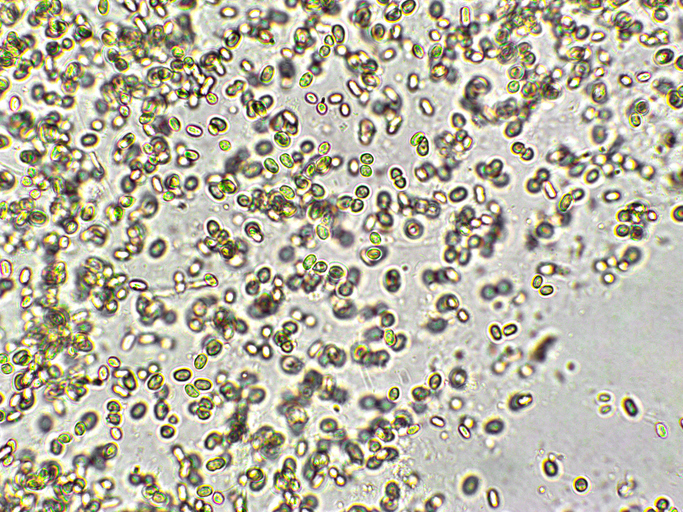
Chlorella Vulgaris, a green algae found in freshwater environments such as lakes and rivers, is increasingly recognized as a potential ‘superfood’ that could address global food security challenges while promoting environmental sustainability. This revelation comes from a new study published by researchers at the University of Birmingham in the Journal of Food Science. Rich in proteins, lipids, carbohydrates, vitamins, and minerals, Chlorella offers a sustainable alternative to traditional agricultural methods, which typically require significant land and water resources. Its ability to be cultivated with a minimal environmental footprint makes it an attractive option for eco-friendly food production.

The nutritional benefits of Chlorella are extensive, with the microalga known for its antioxidant properties, immune support, and detoxifying effects. It is currently used as a food supplement in powder and tablet forms but has the potential to significantly enhance the nutritional value of food products. Despite its promising attributes, the study highlights several challenges that need to be overcome, such as scaling up production and increasing consumer acceptance, to realize its full potential.

Dr Helen Onyeaka, a study co-author, emphasized the growing consumer interest in health-conscious and environmentally sustainable products. She believes that Chlorella Vulgaris could play a significant role in redefining food innovation for the future. The research underscores the importance of applied research in addressing these global challenges and highlights the critical role that Chlorella can play in sustainable food sourcing.

The study also outlines the necessity for advancements in cultivation techniques, processing methods, and sensory improvements to make Chlorella more appealing to consumers. Future research directions include improving Chlorella strains, developing more efficient cultivation systems, and resolving issues currently limiting its use. By addressing these challenges and optimizing production methods, Chlorella’s integration into the food industry can be significantly enhanced.

Proposed industrialization efforts for Chlorella production involve developing new culture systems designed to increase yield and reduce costs. These would include various bioreactors, adjustments in light and nutrients, and maintaining sterile environments. Additionally, techniques such as mechanical milling, enzyme treatment, and ultrasonication could increase the bioavailability of nutrients, while pulsed electric fields might enhance digestibility cost-effectively. Sensory evaluations and consumer testing are also necessary to overcome any negative perceptions related to taste.

Beyond its rich nutrient profile, Chlorella offers significant environmental benefits, including capturing carbon dioxide and cleaning wastewater, aligning it with global sustainability goals. Its health benefits extend beyond essential nutrition, offering anti-tumour properties, potential preventive effects against Alzheimer’s disease, and positive impacts on major depressive disorder. As research and development continue, Chlorella stands poised to become a key player in the future of sustainable and nutritious food sources.

More information: Chiao-An Wang et al, Chlorella vulgaris as a food substitute: Applications and benefits in the food industry, Journal of Food Science. DOI: 10.1111/1750-3841.17529

Journal information: Journal of Food Science Provided by University of Birmingham

Strong Association Detected Between Heme Iron in Red Meat and Increased Risk of Type 2 Diabetes

A recent study by Harvard T.H. Chan School of Public Health researchers has further substantiated the connection between higher consumption of heme iron—found predominantly in red meat and other animal products—and an increased risk of developing type 2 diabetes (T2D). Unlike non-heme iron, primarily sourced from plant-based foods, this iron has been scrutinised in light of its health implications. The research findings reaffirm earlier reports linking heme iron to T2D and enhance our comprehension by incorporating a multifaceted approach to data analysis.

Lead author Fenglei Wang, a research associate in the Department of Nutrition, emphasised the novelty of their methodology. “Compared to prior studies that relied solely on epidemiological data, we integrated multiple layers of information, including epidemiological data, conventional metabolic biomarkers, and cutting-edge metabolomics,” Wang explained. This comprehensive approach allowed the team to delve deeper into the metabolic pathways influencing the relationship between iron intake and the risk of T2D. The study leveraged an extensive dataset, analysing 36 years of dietary reports from over 206,000 adults participating in the Nurses’ Health Studies I and II and the Health Professionals Follow-up Study. The researchers assessed the intake of heme and non-heme iron—both from dietary sources and supplements. They meticulously controlled various health and lifestyle factors to isolate the impact of iron on T2D status.

The research delved into biological mechanisms in addition to epidemiological data. For a subset of participants, plasma metabolic biomarkers were analysed—these included markers related to insulin levels, blood sugar, blood lipids, inflammation, and iron metabolism. Furthermore, metabolomic profiles were examined for another group of participants, which tracked plasma levels of small-molecule metabolites resulting from bodily processes such as food digestion or chemical breakdown.

The outcomes were telling. Participants with the highest heme iron intake had a 26% greater risk of developing T2D compared to those with the lowest intake. The study also illuminated that heme iron contributes significantly to the T2D risk associated with unprocessed red meat consumption and plays a moderate role in various dietary patterns linked to the disease. Unlike heme iron, intakes of non-heme iron from diet or supplements showed no significant associations with T2D risk.

Moreover, the study revealed that higher heme iron intake correlates with specific metabolic biomarkers associated with T2D. These include elevated levels of C-peptide, triglycerides, C-reactive protein, leptin, and markers of iron overload, alongside lower levels of protective biomarkers like HDL cholesterol and adiponectin. A dozen blood metabolites were identified as potentially significant in the relationship between heme iron intake and T2D risk, with previous studies linking them to increased diabetes risk.

The findings hold significant implications for public health, particularly concerning dietary guidelines to reduce diabetes rates. The increasing popularity of plant-based meat alternatives, often enhanced with heme to mimic the taste and appearance of meat, calls for a critical evaluation of their health impacts.

Corresponding author Frank Hu, the Fredrick J. Stare Professor of Nutrition and Epidemiology, pointed out the study’s broader significance. “This study underscores the importance of healthy dietary choices in diabetes prevention,” Hu stated. He advocated for reducing heme iron intake, especially from red meat, and shifting towards a more plant-based diet as practical strategies to lower diabetes risk.

Despite its strengths, the study acknowledges several limitations, including potential biases due to incomplete accounting for confounders and measurement errors in the data collection process. Additionally, since the study population was predominantly white, these findings must be replicated across diverse racial and ethnic groups to ensure generalizability.

More information: Fenglei Wang et al, Integration of epidemiological and blood biomarker analysis links haem iron intake to increased type 2 diabetes risk, Nature Metabolism. DOI: 10.1038/s42255-024-01109-5

Journal information: Nature Metabolism Provided by Harvard T.H. Chan School of Public Health

Brown Adipose Tissue Enhances Athletic Performance and Supports Healthy Ageing

A recent study published on December 18, 2024, in the journal Aging, officially referred to as “Aging (Albany NY)” in MEDLINE/PubMed and as “Aging-US” by Web of Science, is titled “Brown Adipose Tissue Enhances Exercise Performance and Healthful Longevity.” This pioneering research was conducted by a Rutgers New Jersey Medical School team comprising Dorothy E. Vatner, Jie Zhang, and Stephen F. Vatner. Their study explores the beneficial roles of brown adipose tissue (BAT), a distinctive type of fat known for its ability to burn calories and generate heat, in augmenting exercise endurance and fostering healthy ageing.

Unlike the more common white fat, which primarily serves as an energy reserve, brown fat contributes to thermogenesis, helping the body maintain warmth while enhancing metabolic rates. The research presented by Vatner and her colleagues sheds light on the potential protective benefits of brown fat against various health issues, including obesity, diabetes, and cardiovascular diseases.

The article summarises significant findings from various investigations focused on BAT. Although numerous studies have established that physical activity influences the activation of BAT and promotes an increase in its density, only a select few have shown direct evidence that BAT itself can boost exercise performance. A striking illustration of this is seen in the experiment involving RGS14 knockout mice—genetically engineered animals known for their extended lifespan. When BAT from these mice was transplanted into normal mice, the latter exhibited enhanced running endurance within three days following the transplant. In contrast, similar enhancements took considerably longer with brown fat derived from non-engineered mice.

These findings underscore the exceptional attributes of brown adipose tissue in improving physical performance and physiological functions. The researchers point out that BAT boosts blood flow and mitigates cellular stress, which could help counteract the muscle degradation, fatigue, and metabolic slowdown associated with ageing.

Furthermore, the implications of this research are profound. They suggest that developing therapies that emulate the effects of brown fat could introduce new strategies for boosting energy levels, sustaining a healthy body weight, and enhancing cardiovascular health. This groundbreaking study highlights the transformative potential of brown adipose tissue in promoting health and longevity through improved physical fitness and metabolic functions.

More information: Dorothy E. Vatner et al, Brown adipose tissue enhances exercise performance and healthful longevity, Aging-US. DOI: 10.18632/aging.206179

Journal information: Aging-US Provided by Impact Journals LLC

Scientists uncover three psychological profiles that may shape mental, cognitive, and brain health in ageing

An international study featured in Nature Mental Health has identified three distinct psychological profiles that correlate with varying cognitive and brain decline patterns in ageing. Conducted by David Bartrés-Faz and his team at the University of Barcelona and the Institut Guttmann Barcelona Brain Health Initiative, the research analysed data from over 1,000 middle-aged and older adults. It revealed that specific psychological traits within these profiles could influence the risk of developing dementia and affect brain decline rates and sleep quality. These insights could help tailor more personalised prevention strategies.

The study underscores the necessity for detailed psychological assessments in ageing adults to identify unique psychological profiles. This would enable the implementation of more targeted and personalised behaviour change strategies to mitigate dementia risk. Bartrés-Faz highlighted that traditionally, psychological risk and protective factors have been studied in isolation—a method that may overlook the interplay of these characteristics.

The findings indicate that a balanced psychological profile, combining moderate protective factors and lower risk factors, correlates with better mental, cognitive, and brain health across all age groups. In contrast, profiles with minimal protective traits or high-risk traits like distress and negative thinking showed poorer cognitive outcomes, more significant brain atrophy, and less healthy lifestyle adherence.

The research suggests potential for future interventions that could modify psychological factors and lifestyle choices to prevent cognitive decline. Specifically, tailored psychological therapies could be developed for individuals based on their psychological profile to enhance cognitive and mental health.

More information: David Bartrés-Faz et al, Psychological profiles associated with mental, cognitive and brain health in middle-aged and older adults, Nature Mental Health. DOI: 10.1038/s44220-024-00361-8

Journal information: Nature Mental Health Provided by University of Barcelona

Is it Possible to Use Carrots as a Treatment for Diabetes?

The potential of everyday vegetables to influence severe health conditions has long been a topic of scientific inquiry. A recent study by researchers from Southern Denmark University (SDU) suggests that the humble carrot could play a role in treating type 2 diabetes. This research highlights how carrots might improve the body’s regulation of blood sugar levels and positively affect the gut microbiome’s composition.

Type 2 diabetes is a growing concern globally, with the number of affected individuals increasing significantly, including in Denmark, where cases have multiplied since 1996. Managing this condition often involves a combination of dietary adjustments and medications, which, unfortunately, can lead to undesirable side effects for many patients. The collaboration between researchers at SDU, Odense University Hospital, and the University of Copenhagen has brought forward a natural alternative that could reduce reliance on pharmaceutical treatments.

The study specifically explored the impact of carrots on blood sugar control and gut health over 16 weeks using a mouse model. These mice, induced with type 2 diabetes and maintained on a high-fat diet to simulate poor lifestyle choices in humans, were divided into two groups. One group’s diet included 10% freeze-dried carrot powder, while the other did not. The diets were calibrated to ensure calorie intake was consistent across both groups, isolating the carrots’ bioactive compounds as the variable under investigation. The results were promising, with the carrot-fed group showing better glucose tolerance, an indicator of improved blood sugar regulation.

Glucose tolerance tests, which measure the body’s ability to manage blood glucose after consuming sugar, indicated that the carrots had a beneficial effect. Project coordinator Morten Kobæk Larsen, an associate professor at SDU’s Department of Clinical Research, pointed out that the study revealed changes in the gut microbiome, increasing beneficial bacteria that produce short-chain fatty acids (SCFAs). These acids are crucial for energy metabolism and maintaining healthy blood sugar levels, and they also support overall gut health.

The mechanism behind carrots’ beneficial effects involves bioactive compounds that enhance cellular sugar uptake. These compounds, found in carrots and related vegetables like parsley, celery, and parsnips, could be key components of dietary strategies to manage or prevent type 2 diabetes.

Despite these encouraging findings, the direct applicability to human conditions remains to be validated through clinical trials. The research team is cautious but hopeful, planning further studies to explore the effects of carrots with high bioactive compound concentrations on human subjects.

Furthermore, the study touches on the role of preparation methods in preserving the bioactive compounds in carrots. While cooking can reduce the concentration of these health-promoting substances, they are not entirely lost, and techniques like steaming or light cooking might be preferable to retain the most benefits.

In addition to the diabetes-related findings, the study also sheds light on the broader spectrum of bioactive compounds. These organic and biologically derived substances play significant roles in influencing physiological processes and are found in various plant and fungal sources. The primary bioactive compounds in carrots include falcarinol and falcarindiol, which help the plant fend off fungal infections and exhibit antibacterial, anti-inflammatory, and cytotoxic properties.

More information: Morten Kobaek-Larsen et al, Effect of carrot intake on glucose tolerance, microbiota, and gene expression in a type 2 diabetes mouse model, Clinical and Translational Science. DOI: 10.1111/cts.70090

Journal information: Clinical and Translational Science Provided by University of Southern Denmark Faculty of Health Sciences

Higher Incidence of Suicidal Behaviour Among Construction Workers

Male construction workers exhibit a 50 per cent elevated risk of engaging in suicide attempts and actual suicides, as evidenced by research from the University of Gothenburg. This study reinforces the observation that suicidal behaviour tends to be more prevalent amongst men in lower educational requirement professions.

Published in the journal BMC Public Health, the research utilised registry data encompassing 1,542,665 Swedish men of working age, investigating the correlations between suicide and suicide attempts and the occupation held by the individuals the year preceding such events.

These men were selected for the study via conscription data and had no known history of suicidal behaviour before the survey; throughout the study, which spanned from 2002 to 2019 and included men aged between 25 and 65, slightly over two per cent experienced at least one incident of suicidal behaviour, which included 31,797 attempts at suicide and 5,526 actual suicides.

The construction sector has been identified as a high-risk industry. The research team at the University of Gothenburg had previously uncovered that a macho culture and stigmatisation towards mental health issues often dominate the work environment within the construction industry. The current findings indicate that the likelihood of engaging in suicidal behaviour is 50 per cent higher among male construction workers in Sweden compared to the broader group of men involved in the study.

Maria Åberg, Professor of General Medicine at the Sahlgrenska Academy, University of Gothenburg and co-author of the study, said, “The construction industry is physically very demanding and stressful, which adversely affects both physical and mental well-being. Our earlier studies also pointed out chronic pain as a contributing factor that may lead to the excessive consumption of alcohol and painkillers.”

Additionally, the research highlighted that among working men, those in professions requiring lower educational levels faced the highest risks of suicidal behaviour. This category includes roles such as cleaners, sanitation workers, newspaper delivery workers, fast food employees, factory workers, and salespeople. For men employed in these roles, the risk of suicide and suicide attempts was found to be sixty per cent higher.

Jenny Nyberg, Associate Professor of Public Health at Sahlgrenska Academy, University of Gothenburg, and the study lead authority’s lead author, notes, “Men in service and care professions often experience high work-related stress and possess limited control over their work circumstances. While this can precipitate mental health issues, other studies have suggested that these professions may attract individuals who are already mentally vulnerable.”

The study also observed that the highest risk of suicidal behaviour was among unemployed men, where the risk more than doubled in comparison to the average risk across all men in the study. Conversely, the lowest risk was noted among men who held managerial positions in sales and marketing. Among highly educated professionals such as engineers and researchers, the risk of suicidal behaviour was significantly lower, showing a reduction by half when compared to the overall group of men in the study.

More information: Jenny Nyberg et al, Occupational groups and risk of suicidal behavior in men: a Swedish national cohort study during 2002–2019, BMC Public Health. DOI: 10.1186/s12889-024-20887-x

Journal information: BMC Public Health Provided by University of Gothenburg

New Study Suggests Retirement Could Harm Mental Health, with Alcohol Use Potentially Exacerbating the Problem

The phenomenon of retirement leading to increased signs of depression, compared to those still employed, and the complicating role of alcohol consumption are detailed in a new study involving over 50,000 participants over the age of 50 in the U.S. This extensive research spanning 14 years and published in the peer-reviewed journal Aging and Mental Health, sheds light on the intricate dynamics between retirement, mental health, and alcohol use.

The study finds that binge drinking exacerbates depressive symptoms in retirees, contrasting sharply with the effects seen in those who drink moderately. According to the research, moderate drinkers displayed fewer depressive symptoms than those who abstained entirely from alcohol. This subtle nuance highlights the complex relationship between alcohol consumption and mental health in the context of retirement.

Dr. Christina Sellers, an Associate Professor of Social Work at Simmons University, emphasizes the importance of providing retirees with alternatives to heavy drinking as a coping mechanism. She points out the necessity of addressing both depressive symptoms and alcohol use among older adults, especially given their increased susceptibility to the adverse effects of alcohol and other underlying health conditions. This dual focus is crucial, considering that past studies have noted a rise in depressive states among the older population, alongside an increase in drinking around the time of retirement. Notably, data from the 2020 National Survey on Drug Use and Health indicates that alcohol consumption is significantly higher among the baby boomer generation, with a notable percentage of those aged 60-64 and 65 and above engaging in binge drinking.

The interplay between mental health and alcohol use in the context of retirement has been ambiguous until now. To address this gap, researchers from Universidad Mayor in Santiago, Chile, and Simmons University in Boston, USA, embarked on the first study to explicitly examine the relationship between retirement, depression, and alcohol consumption. Their analysis, which relied on data from 27,575 participants of the Health and Retirement Study, offers a comprehensive look at how post-retirement changes influence mental health and drinking behaviours.

Participants in the study, who were either retired or not (including those semi-retired), showed an average of 1.4 symptoms of depression out of a possible eight. Those retired reported slightly more symptoms, with an average difference of 0.04 more than their working counterparts. Notably, retirees who engaged in binge drinking reported even more depressive symptoms, with an average increase of 0.07 symptoms compared to non-drinkers. Conversely, those who drank moderately experienced fewer depressive symptoms, averaging 0.09 fewer than those who abstained from alcohol.

The findings suggest that the loss of identity, economic challenges, and changes to routines and social networks that accompany retirement can lead to deteriorating mental health. The researchers warn of the risks associated with turning to alcohol as a coping strategy during this transitional phase. They highlight the detrimental effects of alcohol on older adults, who may not process it as effectively as younger individuals and might be taking medications that could interact with alcohol.

Dr Antonia Diaz-Valdes, from Universidad Mayor in Santiago, Chile, sheds light on why moderate drinking might appear to be associated with fewer depressive symptoms, suggesting that alcohol’s socialization aspect could temporarily enhance mood. However, she strongly cautions against regular alcohol consumption as a means of coping with retirement, pointing out the risks of falls, injuries, and the potential for dependency and associated health declines.

The World Health Organisation has underscored that no level of alcohol consumption is beneficial for health, with research indicating that even light or moderate drinking can contribute to alcohol-related cancers. Dr. Diaz-Valdes concludes by emphasizing the importance of screening older adults for depression and assessing their alcohol intake. She advocates for providing healthier alternatives to alcohol for those adjusting to retirement.

In conclusion, the study calls for policymakers to focus on supporting individuals through the retirement transition and to implement interventions that manage alcohol consumption effectively. However, the study also acknowledges certain limitations, such as the challenges in distinguishing between types of retirement and the potential inaccuracies in self-reported alcohol consumption.

More information: Antonia Diaz-Valdes et al, Testing the mediating mechanism of alcohol use on the association between retirement and depressive symptoms in the United States using generalized mixed effect models, Aging & Mental Health. DOI: 10.1080/13607863.2024.2423262

Journal information: Aging & Mental Health Provided by Taylor & Francis Group

Recent research connects sugary beverages to millions of diabetes and heart disease incidents worldwide

A recent study conducted by researchers at the Gerald J. and Dorothy R. Friedman School of Nutrition Science and Policy at Tufts University, published in Nature Medicine on January 6, has found that globally, 2.2 million new cases of type 2 diabetes and 1.2 million new cases of cardiovascular disease are associated with the intake of sugar-sweetened beverages each year.

The impact is particularly pronounced in developing regions. For instance, in Sub-Saharan Africa, the research indicates that over 21% of all new diabetes diagnoses can be linked to the consumption of these beverages. In the regions of Latin America and the Caribbean, the figures are equally alarming, with nearly 24% of new diabetes cases and more than 11% of new cardiovascular disease cases connected to sugary drink consumption.

Specific countries like Colombia, Mexico, and South Africa face severe impacts. In Colombia, nearly half of all new diabetes cases are due to sugary drink consumption. In Mexico, this figure is about one-third, while in South Africa, 27.6% of new diabetes cases and 14.6% of cardiovascular disease cases are related to these beverages.

Consuming sugary beverages leads to rapid digestion and a spike in blood sugar levels, providing little nutritional benefit. Continuous intake can result in weight gain, insulin resistance, and various metabolic problems that contribute to type 2 diabetes and heart disease—two of the leading causes of death globally.

Dariush Mozaffarian, the study’s senior author and director of the Food is Medicine Institute at the Friedman School, highlights the aggressive marketing and sales strategies of sugar-sweetened beverages in low- and middle-income countries. These communities consume these harmful products in large quantities and lack adequate resources to manage the long-term health repercussions.

As economic conditions improve and incomes increase, sugary drinks become more accessible and appealing, particularly to men and younger adults, who are statistically more likely to suffer the adverse effects of these beverages than women and older individuals, according to the researchers.

Laura Lara-Castor, the paper’s lead author and a recent PhD graduate from the Friedman School, now at the University of Washington, calls for immediate, evidence-based measures to reduce the consumption of sugar-sweetened beverages worldwide to prevent further loss of life due to diabetes and heart disease.

The authors advocate for a comprehensive strategy that includes public health initiatives, stricter regulations on advertising sugary drinks, and imposing taxes on sugar-sweetened beverages. Mexico, for instance, has implemented such a tax since 2014, which has shown promising results in decreasing consumption, especially among the economically disadvantaged.

Mozaffarian stresses the urgent need for further action, particularly in regions like Latin America and Africa, where consumption rates are high and the health consequences are severe. He emphasizes that addressing the global consumption of sugar-sweetened beverages is crucial for the health of the human population.

More information: Dariush Mozaffarian et al, Burdens of type 2 diabetes and cardiovascular disease attributable to sugar-sweetened beverages in 184 countries, Nature Medicine. DOI: 10.1038/s41591-024-03345-4

Journal information: Nature Medicine Provided by Tufts University

Isolation Associated with Increased Risk of Heart Conditions, Stroke, and Infection Vulnerability

New research posits that maintaining social interactions with friends and family could be vital for our health. These interactions enhance our immune system and mitigate the risk of diseases like heart disease, stroke, and type 2 diabetes. This insight comes from a collaboration between researchers in the UK and China. They analysed proteins from blood samples of over 42,000 adults registered with the UK Biobank. The study’s findings were published in the Nature Human Behaviour journal.

The significance of social relationships to our overall health is becoming increasingly apparent. Studies consistently show that both social isolation and loneliness correlate with poorer health outcomes and even premature death. However, the specific biological processes by which social connections influence health have been less understood. The researchers tackled this by examining proteins in the blood. Proteins, produced by our genes, are crucial for the proper functioning of our bodies and can also be targeted by drugs to treat diseases.

Led by teams from the University of Cambridge and Fudan University, the study focused on the ‘proteomes’—arrays of proteins found in the blood samples of 42,000 adults aged between 40 and 69 participating in the UK Biobank. This examination helped determine which proteins were more prevalent among those who experienced social isolation or felt lonely and how these proteins are linked to health deterioration. Social isolation was measured objectively—considering factors like living alone, social contact frequency, and participation in social activities—while loneliness was assessed as a subjective feeling.

Upon analysing the proteomes and adjusting for age, sex, and socioeconomic factors, the researchers identified 175 proteins associated with social isolation and 26 with loneliness, noting a significant overlap between the two. These proteins, often produced in response to inflammation or viral infections, are also linked to conditions like cardiovascular disease, type 2 diabetes, stroke, and early mortality.
Using Mendelian randomisation, a method that helps infer causal relationships from genetic associations, the researchers pinpointed five proteins that increased in abundance due to loneliness.

Dr Chun Shen of the University of Cambridge and the Institute of Science and Technology for Brain-Inspired Intelligence at Fudan University remarked on the significance of these findings, noting that specific proteins seemed particularly influential in the health impacts of loneliness.

Professor Jianfeng Feng from the University of Warwick highlighted the role of AI and proteomics in identifying key proteins that can inform the prevention, diagnosis, treatment, and prognosis of many diseases, fundamentally altering our understanding of human health.

One such protein, ADM, known to respond to stress and regulate stress-related and social hormones like oxytocin—the ‘love hormone’—was found in higher levels in lonely individuals. This protein increase is associated with decreased volume in brain areas linked to emotional and social processing and an increased risk of early death. Other proteins identified include ASGR1, linked to higher cholesterol and cardiovascular risk, and others contributing to insulin resistance, arterial disease, and cancer progression.

Professor Barbara Sahakian of the University of Cambridge stressed the importance of social contact for health. With increasing reports of loneliness across ages, the World Health Organization has labelled social isolation and loneliness as significant global public health concerns, underscoring the need for strategies to address this issue and promote social connectivity for better health outcomes.

More information: Chun Shen et al, Plasma proteomic signatures of social isolation and loneliness associated with morbidity and mortality, Nature Human Behaviour. DOI: 10.1038/s41562-024-02078-1

Journal information: Nature Human Behaviour Provided by University of Cambridge

Chrononutrition: Can Eating at the Right Times Be a Cure for Tiredness?

Fatigue is becoming increasingly common within industrialised societies, signalling a pressing need for effective clinical and lifestyle interventions. It presents itself as diminished muscle endurance and strength, coupled with a pervasive feeling of exhaustion, frequently linked with disturbances in the circadian rhythm. Despite its extensive influence, the molecular foundations of fatigue are not yet fully comprehended. Recent research has revealed the molecular basis for the diurnal fluctuations in muscular endurance and highlighted circadian dietary interventions that alleviate muscle and cognitive impairments in rodent models. Time-restricted feeding has demonstrated considerable effectiveness in lessening fatigue through its impacts on both brain and muscle tissues. Consequently, circadian nutrition emerges as a promising lifestyle strategy for combating fatigue.

The circadian regulation of muscle fatigue and associated cognitive dysfunctions is vital. Time-restricted feeding (TRF) restricts daily food consumption to specific time windows, establishing an intermittent feeding-fasting cycle. Growing evidence shows that night/active phase-restricted feeding (NRF), similar to the 16:8 intermittent fasting regime in humans, synchronises the feeding-fasting cycle with the circadian clock, thus averting diet-induced metabolic disorders in mice. NRF enhances muscle endurance in mice fed an obesogenic diet across their lifespan in both genders. Mechanistically, NRF promotes increased metabolic flexibility. Conversely, day/sleep phase-restricted feeding (DRF), comparable to Ramadan fasting in humans, bolsters muscular endurance in lean mice throughout the entire day/night cycle. Recent findings show that TRF can restore muscle fibre strength in aged mice through the synchronised efforts of the brain and muscle clocks.

Clinical trials focusing on metabolic diseases have consistently identified circadian nutrition as a safe and feasible lifestyle intervention. A more profound grasp of the circadian biology of fatigue at the molecular level could solve the social and economic burdens of fatigue.

More information: Min-Dian Li et al, Circadian nutrition: is meal timing an elixir for fatigue? Science Bulletin. DOI: 10.1016/j.scib.2024.11.043

Journal information: Science Bulletin Provided by Science China Press

Challenging Myths About Ageing: Seniors Show Greater Risk Tolerance and Resilience Against Manipulation

The Polish society is undergoing a notable demographic shift. Data from Statistics Poland (GUS) reveals that in 2023, the population segment aged 65 and over expanded to 7.5 million, now representing over 20% of the national demographic. This statistic is especially pertinent given that this age group frequently faces crucial financial and health decisions.

The existing literature on the decision-making prowess of older adults presents mixed findings. Some studies depict this demographic as cautious and easily swayed, while other research presents a contrasting view. A recent investigation by scholars at SWPS University has tested these traditional notions, particularly regarding how ageing influences decision-making in contexts filled with risk and uncertainty. The findings suggest that elderly individuals, with adequate practice and task familiarity, can handle complex decision-making on par with their younger counterparts. Thus, they should not be undervalued or overly shielded when making significant life choices.

This study fundamentally questions the prevailing stereotypes about ageing and decision-making. “All too frequently, elderly individuals are seen as vulnerable and less competent in making sound decisions, potentially leading to their infantilisation or marginalisation from crucial decision-making processes,” highlights Dr Maciej Kościelniak, a prominent author of the study and the Head of the Department of Social and Cross-Cultural Psychology at the Faculty of Psychology and Law in Poznań, affiliated with SWPS University.

The research, detailed in the paper “Effect of Age on Susceptibility to Attraction Effect in Sequential Risky Decision-Making,” published in Ageing and Society, concentrated on elderly adults’ susceptibility to the attraction effect—also known as the decoy effect or asymmetric dominance effect. The study examined how decision-making in risky situations evolves with age.

Researchers employed specifically tailored gambling tasks in two distinct experiments: an online survey involving 357 participants and a laboratory study with 173 participants, categorised into groups of young adults (18-33 years), middle-aged adults (42-57 years), and older adults (65-80 years). Education levels were uniformly distributed across these groups.
The results were enlightening: older adults displayed a significant propensity towards risk-taking, more so than their younger counterparts, yet both groups demonstrated a similar capacity to withstand manipulative tactics associated with the attraction effect.

It is crucial to note that while older adults initially made more errors in high-stakes situations, they exhibited a remarkable ability to learn from these missteps and enhance their decision-making skills through practice, albeit at a slower pace. By the end of the experiments, their performance reached levels comparable to that of younger adults. This indicates that while ageing may slow the rate at which new information is processed, it does not diminish the ability to make sound decisions or defend against manipulation.

Dr. Kościelniak remarked on these findings: “The revelation that learning capabilities are preserved across ages has significantly altered my perspective on cognitive functions during the ageing process—it’s not merely a decline but an adaptation.” These insights into the cognitive abilities of older adults suggest that their decision-making capacity in later life might be more nuanced than previously understood.

The implications of these findings are profound, especially in combating age-related stereotypes. “In dealing with financial advisors, healthcare providers, or family members who assist elderly individuals in decision-making, it is clear from our research that older adults often require not protection but rather the opportunity and adequate time to acclimatise to new situations,” concludes Dr Kościelniak.

More information: Maciej Koscielniak et al, Effect of age on susceptibility to the attraction effect in sequential risky decision-making, Ageing and Society. DOI: 10.1007/s00394-023-03123-x

Journal information: Ageing and Society Provided by SWPS University