Author Archives: support

Early Life Adversity Leaves a Lasting Molecular Mark Across the Body

The experiences we face early in life may leave lasting marks on our health, with effects that can echo across decades and throughout the body. A new study published in Science provides compelling molecular evidence that early life adversity can leave a lasting, system-wide signature on the epigenome. This biological layer helps regulate gene activity.

Led by researchers at Arizona State University and Vanderbilt University, along with collaborating institutions, the study examined 237 free-ranging rhesus macaques living on Cayo Santiago, a 38-acre island off Puerto Rico. The macaques have been followed throughout their lives, providing researchers with unusually detailed records of their experiences. The team paired these life histories with genomic data from 12 tissues collected in adulthood.

Researchers focused on DNA methylation, one of the most extensively studied epigenetic markers of ageing. Patterns of DNA methylation can be used to create “epigenetic clocks” that estimate both chronological age and biological age. The researchers developed highly precise tissue-specific clocks capable of predicting the macaques’ ages to within approximately one year.

The results revealed that ageing does not occur uniformly throughout the body. Age-related DNA methylation patterns differed substantially among tissues, with some, including the thymus and pituitary gland, showing particularly great and distinctive changes. Blood—the tissue most commonly examined in human studies—captured only part of this complex picture. Despite these differences, individuals who appeared biologically older in one tissue also tended to appear older in others, suggesting some coordination in ageing across the body.

The study’s most striking findings emerged when researchers examined early life adversity, including naturally occurring experiences such as maternal loss, low maternal social status and growing up in a crowded social group. Each type of adversity was associated with changes in particular regions of the genome. Once affected, however, those regions often showed similar changes across multiple tissues, revealing a coordinated molecular signature of early experiences throughout the body.

Researchers identified thousands of genomic regions where DNA methylation was associated with early life adversity. Many overlapped with regions affected by ageing, but the direction of these changes varied. In some cases, adversity-related patterns resembled accelerated ageing; in others, they moved in the opposite direction. The findings therefore challenge the idea that adversity causes the body to age faster.

Instead, early adversity appears to reshape the epigenome in more complex and tissue-specific ways, potentially altering the trajectory of molecular ageing rather than uniformly accelerating it. The findings also demonstrate why examining multiple tissues is important: relying primarily on blood samples may overlook significant biological effects occurring elsewhere in the body.

Because rhesus macaques share important biological and social characteristics with humans, the findings offer valuable insight into the developmental origins of health and disease. The study suggests that early life represents a critical period during which experiences can become biologically embedded, leaving molecular signatures that persist into adulthood. Understanding these signatures may ultimately help researchers explain how early experiences influence health trajectories across the lifespan.

More information: Baptiste Sadoughi et al, Age and early life adversity shape heterogeneity of the epigenome across tissues in macaques, Science. DOI: 10.1126/science.aea4922

Journal information: Science Provided by Arizona State University

Growing Up Gets Easier With Time, New Research Suggests

As young adults, many millennials were more apprehensive about growing up than previous generations. But those fears appear to ease with age, according to research published by the American Psychological Association.

The study, published in Developmental Psychology, examined how “maturity fears” — fears about growing up and a desire to return to the security of childhood — changed among college students over time. Researchers compared students surveyed in 1982, 1992 and 2002, then examined responses from the same generational cohorts 20 years later. They found that more recent generations of college students reported greater fears about growing up than earlier generations. Yet across nearly all groups, those fears declined as people moved further into adulthood.

“Our findings suggest that fears about growing older are not necessarily fixed; they appear to decrease for many people as they gain experience navigating adult roles and responsibilities,” says study author April Smith, PhD, of Auburn University. At the same time, she notes that more recent generations consistently reported higher maturity fears, suggesting that broader societal factors — including economic uncertainty, social pressures and concerns about the future — may influence how young people perceive adulthood.

Smith and her colleagues analysed data from 1,200 college students surveyed in 1982, 1992 and 2002. Participants rated their agreement with statements such as wishing they could return to the security of childhood or believing childhood was the happiest period of life. Among both men and women, students surveyed in 2002 — millennials — reported significantly greater maturity fears than those surveyed in 1992, largely members of Generation X. The 1992 students, in turn, reported higher levels than the 1982 group, largely baby boomers.

When the cohorts answered the same questions 20 years later, however, a different pattern emerged. Maturity fears decreased with age among nearly every group of men and women, with the exception of men in the 1982 cohort. The decline was particularly pronounced among the younger cohorts, meaning that by midlife, differences between the generations had narrowed considerably. One possible explanation is that fears often diminish through experience. Young adults may initially view ageing and adult responsibilities as uncertain or beyond their control. Still, those concerns may lessen as they gain independence, security and confidence in navigating adult life.

An important unanswered question is why newer generations experienced greater maturity fears in the first place. “Our study shows that these cohort differences exist, but it doesn’t tell us exactly what’s driving them,” Smith says. Future research could explore factors such as economic uncertainty, climate concerns, major societal disruptions including the COVID-19 pandemic, and the growing influence of social media. If younger people increasingly perceive the future as uncertain, Smith suggests, it makes sense that entering adulthood could feel more daunting. The encouraging finding, however, is that these fears are not necessarily permanent: for many people, growing up appears to become easier with time.

More information: April Smith et al, Employing a cohort-sequential design spanning 30 years to understand trajectories of maturity fears, Developmental Psychology. DOI: 10.1037/dev0002219

Journal information: Developmental Psychology Provided by American Psychological Association

Most Patients with Early Alzheimer’s Disease Seeking Anti-Amyloid Antibody Therapy Fall Short of Brain Health Guidelines

Researchers at the Mass General Brigham Neuroscience Institute found that most patients with early Alzheimer’s disease are not closely following recommendations that could support brain health. These include regular exercise, adequate sleep, managing blood pressure and eating a heart-healthy diet. The findings were published in The Journal of Prevention of Alzheimer’s Disease.

Fewer than 3% of patients in the study followed all 15 brain health recommendations examined by the researchers. Poor adherence was found both among patients who pursued treatment with lecanemab, an anti-amyloid antibody medication for Alzheimer’s disease, and those who did not pursue anti-amyloid therapy. Researchers found no significant difference between the two groups.

The researchers had expected patients pursuing anti-amyloid therapy to be particularly motivated to protect their brain health. These patients were willing to receive lecanemab infusions every two weeks and accept the risks associated with treatment. However, lead author Kirk Daffner, MD, said the findings indicate that considerably more work is needed to help patients adopt brain-healthy behaviours.

Growing evidence suggests that several modifiable lifestyle and medical factors may help reduce the risk of cognitive decline and dementia. These include physical activity, a healthy diet, sufficient sleep, social and cognitive engagement, controlled blood pressure and blood sugar, good vision and hearing, and low alcohol consumption.

To assess these factors, Daffner, Seth Gale, MD, and colleagues developed Brain Health Vital Signs, a tool that evaluates 15 potentially modifiable factors. It provides patients with an overall brain health score while identifying areas where changes could potentially improve their brain health.

The study included 150 patients with mild cognitive impairment or mild dementia due to Alzheimer’s disease who were seeking anti-amyloid antibody therapy. Researchers compared them with 117 patients who had mild cognitive impairment or mild dementia but were not pursuing the treatment. Among those seeking anti-amyloid therapy, more than 25% fell short on 11 of the 15 brain health recommendations, while more than half fell short on four recommendations.

Physical activity was the most commonly missed recommendation. About 63% of patients pursuing anti-amyloid therapy did not achieve at least 25 minutes of physical activity per day on most days of the week. Other particularly challenging recommendations included reducing stress and maintaining optimal A1c levels, blood pressure and body mass index. Similar patterns of low adherence were seen among patients who were not pursuing anti-amyloid treatment.

Senior author Seth Gale, MD, said that although there is substantial evidence supporting behaviours and medical factors that promote brain health, effectively putting this knowledge into routine clinical care remains a challenge. The researchers suggest that structured interventions may help. Their ongoing Brain Health Champion Study found that patients receiving six months of personalised brain health coaching substantially improved their adherence to recommended behaviours. Daffner and Gale say providing healthcare teams with practical tools grounded in health psychology may help patients make sustainable changes that support brain health.

More information: Kirk Daffner et al, Suboptimal adherence to brain health recommendations in patients pursuing anti-amyloid antibody therapy for Alzheimer’s disease: Report from the Brain Health Vital Signs project, The Journal of Prevention of Alzheimer’s Disease. DOI: 10.1016/j.tjpad.2026.100640

Journal information: The Journal of Prevention of Alzheimer’s Disease Provided by Mass General Brigham

Strength in Motion: Muscles May Hold the Key to Protecting the Parkinson’s Brain

Parkinson’s disease (PD) is a progressive neurodegenerative disorder that causes both motor and non-motor symptoms and is becoming an increasingly important public health challenge as populations age. Researchers have also identified sarcopenia—the age-related loss of muscle mass, strength, and function—as an important contributor to frailty and disability. In people with PD, sarcopenia has been linked to poorer outcomes, including a greater risk of falls, cognitive decline, and reduced quality of life. These findings have prompted growing interest in understanding how maintaining muscle health could help improve outcomes for people living with Parkinson’s.

Exercise has long been recognised for its benefits in healthy ageing and in chronic conditions such as cancer, dementia, and Parkinson’s disease. Scientists are now exploring whether the molecular changes triggered by exercise can directly protect the brain. To better understand this connection, a research team led by Dr. Miguel Germán Borda reviewed evidence from 129 experimental, observational, and clinical studies. Their comprehensive review, published in Neuroprotection, examined the emerging concept of muscle–brain communication and its potential role in slowing the progression of Parkinson’s disease.

“Our goal was to bring together the available evidence on the relationship between muscle health, exercise, and Parkinson’s disease,” says first author Dr. Salomón Páez-García. The review found that several forms of exercise—including aerobic activities such as walking and jogging, resistance training, balance exercises such as Tai Chi, and programmes combining multiple exercise types—consistently improved physical and cognitive function. Regular exercise enhanced walking ability, balance, muscle strength, mood, thinking skills, and overall quality of life, while reducing falls and disability.

The researchers explain that muscles are far more than structures responsible for movement. During exercise, contracting muscles release hormone-like signalling molecules known as exerkines, allowing muscles to function much like an endocrine organ. These molecules—including brain-derived neurotrophic factor (BDNF), insulin-like growth factor-1 (IGF-1), irisin, cathepsin B, myostatin, and growth/differentiation factor 15 (GDF15)—enter the bloodstream and communicate with organs throughout the body, including the brain.

According to Dr. Páez-García, exerkines appear to provide the biological link between exercising muscles and brain health. Rather than simply responding to signals from the brain, active muscles send beneficial messages back through these molecules. The review found that exerkines reduce inflammation and oxidative stress, improve mitochondrial function, and help protect dopamine-producing neurons in the substantia nigra, the region most affected in Parkinson’s disease. They also appear to promote neuroplasticity, enabling the brain to adapt and form new neural connections that may improve resilience against disease-related damage.

Current clinical guidelines already recommend beginning exercise early after a Parkinson’s diagnosis and maintaining it throughout the course of the disease. A combination of aerobic, strength, and balance training, tailored to each individual’s abilities, is considered the most effective approach. While more research is needed to determine the optimal exercise dose and identify the exerkines with the greatest long-term neuroprotective effects, the evidence suggests that exercise benefits far more than muscles. By strengthening the body’s natural muscle–brain communication system, regular physical activity may help preserve brain function, slow aspects of disease progression, and improve quality of life for people living with Parkinson’s disease.

More information: Salomón Páez-García et al, Exercise, exerkines, and muscle–brain crosstalk in Parkinson’s disease, Neuroprotection. DOI: 10.1002/nep3.70032

Journal information: Neuroprotection Provided by Chinese Medical Journals Publishing House Co., Ltd.

How Childhood Stress Leaves a Lasting Mark on Brain Cells

Experiencing severe stress during childhood can leave lasting effects that make people more vulnerable to anxiety, depression and other mood disorders when they face challenges later in life. Researchers from Washington University School of Medicine in St. Louis and Princeton University have uncovered a biological explanation for this long-term impact, showing that early trauma leaves a lasting imprint inside brain cells. Their findings, published Aug. 7 in Neuron, identify a molecular pathway that could eventually lead to new strategies for preventing or treating stress-related mental illness.

The team found that early-life adversity changes not only which genes are active in the brain, but also how DNA is packaged inside brain cells. These changes make genes involved in the body’s stress response easier to switch on, leaving the brain more sensitive to future stress. “We have uncovered a new biological process linking experience of early-life adversity to this long-term vulnerability to mental illness,” said Meaghan Creed, PhD, associate professor of anesthesiology at Washington University School of Medicine. She described the changes as a physical “scar” left inside brain cells that could provide a concrete target for future therapies.

More than half of children worldwide experience significant stress from abuse, violence, household dysfunction or other traumatic events, and accumulating multiple adverse experiences greatly increases the risk of mental and physical health problems in adulthood. To understand why, the researchers focused on dopamine-producing neurons in a brain region called the ventral tegmental area, which plays a key role in processing rewards, motivation and stressful experiences. Abnormal activity in these neurons has long been linked to anxiety and depression.

The scientists examined the epigenome — the collection of chemical markers that regulate whether genes are turned on or off without changing the DNA sequence itself. They discovered that early-life stress increased levels of an enzyme called SETD7 in dopamine neurons. SETD7 adds a chemical tag known as H3K4me1 to DNA-associated proteins, causing tightly packed DNA to loosen. This more open structure makes stress-related genes easier to activate, effectively leaving the brain on higher alert and more reactive to future adversity.

Experiments in mice confirmed the enzyme’s central role. Young mice engineered to produce extra SETD7, even without experiencing early-life stress, developed the same open DNA structure seen in stressed animals. As adults, they showed heightened activity in dopamine neurons, lower tolerance to stress and more anxiety-like behaviour. In contrast, blocking SETD7 after early-life stress prevented these changes. Despite experiencing stress during both childhood and adulthood, treated mice maintained normal brain activity and behaved similarly to unstressed animals.

The findings provide one of the clearest explanations yet for how childhood adversity can have lifelong effects on mental health. “There are currently no treatments for what early-life stress does to the brain, partially because we have not had a clear picture of what molecular mechanisms to target,” said Catherine Jensen Peña, PhD, assistant professor at the Princeton Neuroscience Institute. She added that the research also highlights the importance of providing children with supportive care, therapy and social resources during critical stages of development, which may help protect the brain and strengthen resilience against future stress.

More information: Hye Ji J. Kim et al, Early-life stress alters H3K4me1 in VTA to prime stress sensitivity, Neuron. DOI: 10.1016/j.neuron.2026.07.018

Journal information: Neuron Provided by WashU Medicine

Obesity and Ageing May Share Common Biological Pathways

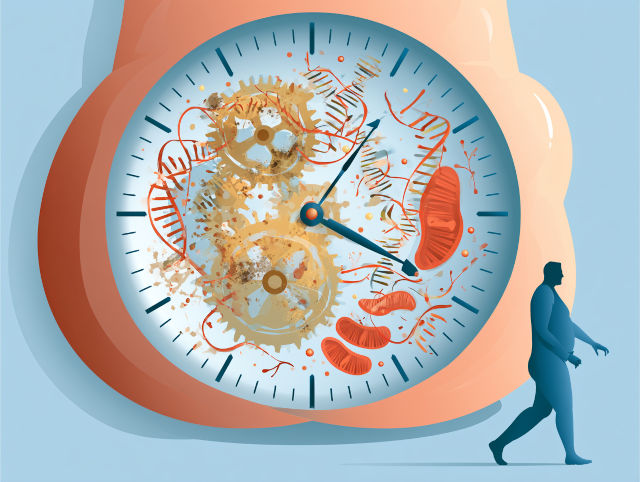
The global rise in obesity alongside rapid population aging has become a major public health concern. Increasing evidence suggests that excess body fat does more than raise the risk of chronic diseases—it may also accelerate the body’s biological aging process. A new review explores the close relationship between obesity and aging, highlighting the shared molecular mechanisms that connect the two and examining whether anti-obesity therapies could help slow aging and reduce the burden of age-related disease.

According to the review, aging is driven by a series of interconnected biological changes, including chronic inflammation, telomere shortening, mitochondrial dysfunction, genomic instability, impaired protein homeostasis, stem cell exhaustion, and disrupted nutrient sensing. Obesity appears to trigger many of these same processes, suggesting that it functions as an accelerator of biological aging rather than simply acting as an independent risk factor for disease.

One of the strongest biological links between obesity and aging is chronic low-grade inflammation. As fat tissue expands, it becomes infiltrated by immune cells that release inflammatory cytokines, creating persistent systemic inflammation. This inflammatory state contributes to insulin resistance, metabolic dysfunction, cardiovascular disease, and tissue damage, while closely resembling the process of “inflammaging”—the chronic, low-level inflammation that develops naturally with age.

Beyond inflammation, the review identifies several additional pathways through which obesity may hasten aging. These include telomere depletion, epigenetic alterations, mitochondrial dysfunction, stem cell exhaustion, genomic instability, protein homeostasis disruption, cellular senescence, and gut microbiome dysbiosis. Together, these interconnected mechanisms suggest that obesity affects many of the same biological systems that gradually decline during normal aging, reinforcing the concept that excess adiposity may speed up age-related deterioration.

The authors also review evidence that weight loss interventions may partially reverse some of these aging-related changes. Lifestyle strategies such as calorie restriction and regular exercise, as well as bariatric surgery, have been associated with improvements in metabolic health and reductions in biological markers linked to aging. These findings suggest that addressing obesity may not only reduce disease risk but also improve the biological processes that influence healthy aging.

The review further highlights the promise of modern anti-obesity medications, including liraglutide, semaglutide, tirzepatide, and orlistat. Beyond promoting weight loss, these therapies may reduce chronic inflammation, improve mitochondrial function, enhance telomerase activity, and limit oxidative stress—mechanisms that could help preserve cellular function and extend healthspan. While further research is needed to confirm their long-term effects on biological aging, the findings suggest that treating obesity may play an important role in promoting healthier aging and reducing the burden of age-related diseases.

More information: Rui Zhang et al, Obesity accelerates aging: Mechanisms and therapeutic implications, Genes & Diseases. DOI: 10.1016/j.gendis.2025.101980

Journal information: Genes & Diseases Provided by Compuscript Ltd

Unsafe Living Environments Elevate Fall Risk for Seniors

Older adults living in homes with electrical or plumbing problems, limited living space, or poor lighting are significantly more likely to experience falls, according to a new study published August 5, 2026, in PLOS One. The research, led by Javiera Cartagena-Farías of the London School of Economics and Political Science and colleagues, suggests that improving housing conditions could play an important role in preventing falls while reducing healthcare and social care costs.

Falls are one of the leading causes of injury, disability, and loss of independence among older adults. In England, about one in three people aged 65 and older experiences at least one fall each year, often resulting in fractures, hospitalizations, and increased demand for health and social care services. While previous research has focused on medical and lifestyle risk factors, the new study highlights the important contribution of the home environment to fall risk.

The researchers analyzed data from nearly 5,500 adults aged 65 and older who participated in waves 1–10 of the English Longitudinal Study of Ageing (ELSA), spanning 2002 to 2023. Participants reported both housing conditions and whether they had experienced falls. The researchers then examined how specific housing problems were associated with falls and estimated the economic burden linked to these hazards.

The findings showed that electrical or plumbing problems were associated with a 10.8% higher probability of experiencing a fall and were also linked to falls requiring healthcare. Insufficient living space increased the likelihood of falling by 3.3%, while poor lighting was associated with a 9.3% higher probability of falls that required healthcare services. Together, these housing-related risks were estimated to cost England approximately £1.2 billion each year, including £440 million in healthcare expenses and £778 million in formal care costs.

The researchers note that the study has some limitations. Both falls and housing conditions were self-reported, making the findings susceptible to recall bias. In addition, the economic estimates were based on previous research and modelling assumptions rather than direct cost measurements. Even so, the large, nationally representative dataset and long follow-up period provide strong evidence that inadequate housing contributes meaningfully to fall risk among older adults.

The authors conclude that improving housing conditions should be considered an essential component of comprehensive fall-prevention strategies. Addressing hazards such as faulty electrical or plumbing systems, cramped living spaces, and inadequate lighting could help reduce injuries, preserve independence, and lower healthcare expenditures. As the authors note, “Poor housing conditions significantly increase the risk of falls among older people. Associated costs could be avoided. Viewing housing improvements as part of an integrated falls-prevention strategy could yield significant benefits for individuals and for the sustainability of health and care systems.”

More information: Javiera Cartagena-Farías et al, When home is a dangerous place: the cost of falls among older people living in the community, PLOS One. DOI: 10.1371/journal.pone.0353755

Journal information: PLOS One Provided by PLOS

Optimizing Blood Pressure Control: A New Strategy

High blood pressure could be managed more effectively by pairing higher potassium intake with lower sodium consumption, according to a new report published in the American Journal of Clinical Nutrition. While reducing sodium has long been the cornerstone of public health recommendations for preventing and managing hypertension, the authors argue that greater benefits can be achieved by addressing both minerals together. Hypertension affects more than 1.28 billion adults worldwide and remains one of the leading risk factors for heart disease and stroke, underscoring the need for more effective dietary strategies.

The peer-reviewed report, supported by the IAFNS Sodium in Food and Health Implications Committee, reviews the scientific evidence behind current sodium and potassium intake recommendations, evaluates strategies for reducing sodium while increasing potassium, and discusses implementation challenges and future research priorities. The authors conclude that public health policies should move beyond focusing exclusively on sodium reduction and instead encourage a balanced approach that also promotes adequate potassium intake.

“It’s time to view dietary interventions holistically because food components interact and physiology is integrative across systems,” said Naomi Fukagawa, M.D., Ph.D., professor of medicine emerita at the Robert Larner, M.D. College of Medicine at the University of Vermont and the report’s first author. “Growing evidence shows that increasing dietary potassium as well as reducing sodium intake work together to better manage hypertension.” According to the authors, this emerging evidence supports a shift in how dietary recommendations for blood pressure control are developed and communicated.

The report highlights that excessive sodium intake and inadequate potassium consumption are two of the most important modifiable contributors to elevated blood pressure. Although sodium consumption continues to exceed recommended levels in many countries, potassium intake remains well below optimal levels in both developed and developing nations. Increasing potassium intake can help counterbalance some of sodium’s effects on blood pressure, making the combination of higher potassium and lower sodium more effective than focusing on sodium reduction alone.

Potassium is naturally abundant in fruits, vegetables, legumes, and dairy products, making dietary improvements an achievable strategy for many people. The authors also note that potassium salts can be used as partial substitutes for sodium in processed foods. However, manufacturers must carefully balance sodium and potassium because excessive potassium salts can produce an undesirable metallic taste, creating practical challenges for food reformulation.

The authors conclude that reducing sodium remains a fundamental strategy for preventing and managing hypertension, but current evidence supports expanding this approach to place equal emphasis on increasing potassium intake. By considering sodium and potassium together rather than separately, healthcare professionals, policymakers, and the food industry may be better positioned to improve blood pressure control and reduce the global burden of cardiovascular disease through more comprehensive dietary recommendations.

More information: Naomi Fukagawa et al, Rethinking the impact of dietary sodium and potassium on blood pressure to advance public health, American Journal of Clinical Nutrition. DOI: 10.1016/j.ajcnut.2026.101396

Journal information: American Journal of Clinical Nutrition Provided by University of Vermont

Study Highlights How Social Inequality Hinders Physical Activity

A decade-long study of residents in São Paulo, Brazil, has found that inequalities in leisure-time physical activity have widened, with exercise increasingly concentrated among socially advantaged groups. While highly educated white men became more active over the ten years, women from racial minority groups with lower levels of education consistently had the lowest rates of leisure-time physical activity. In contrast, walking for transportation, such as commuting to work, was distributed much more evenly across the population. The findings were published in the International Journal of Behavioral Nutrition and Physical Activity.

Led by researchers at the University of São Paulo (USP), the study followed 978 adults from 2014 to 2024, collecting data in 2014/15, 2020/21, and 2023/24. Using an intersectional approach that examined how sex, race, and education interact to shape opportunities for physical activity, the researchers argue that public policies should prioritise the most socially vulnerable groups.

“We concluded that engaging in physical activity for leisure doesn’t depend solely on motivation or individual choice,” says corresponding author Andreia Alexandra Machado Miranda of USP’s Center for Epidemiological Research in Nutrition and Health (NUPENS). “It’s shaped by environmental, structural, and social factors. Unfortunately, leisure-time physical activity remains a privilege of the most socially advantaged groups, while women from Black, Brown, Asian, or Indigenous backgrounds with fewer years of schooling face the greatest barriers.”

Co-author Alex Antonio Florindo, a professor at USP, explains that physical activity is influenced by much more than personal motivation. Life experiences, family support, access to safe public spaces, neighbourhood infrastructure, and public policies all affect whether people are able to exercise during their free time. “There’s a significant gap between those who are able to engage in physical activity during their leisure time and those who aren’t, even if they want to,” he says.

The disparities became more pronounced over time. At the beginning of the study, 51% of highly educated white men reported participating in leisure-time physical activity, compared with 29% of the most socially vulnerable group. By the final assessment, those figures had increased to 65% and 39%, respectively, widening the gap between the two groups.

Miranda notes that women often face multiple obstacles to participating in sports and recreational exercise. Beyond carrying a disproportionate share of domestic responsibilities, many earn lower wages, experience safety concerns in public spaces, and live in neighbourhoods with limited green space, poor lighting, or inadequate recreational infrastructure. The researchers assessed these inequalities using the International Physical Activity Questionnaire and a Multiple Jeopardy Index that combined sex, race, and educational attainment into a social vulnerability score.

Regular physical activity is known to improve physical and mental health while reducing the risk of cardiovascular disease, stroke, diabetes, and other chronic conditions. The World Health Organization recommends that adults achieve at least 150 minutes of moderate-intensity or 75 minutes of vigorous-intensity physical activity each week. Yet nearly one-third of adults worldwide failed to meet these recommendations in 2022, contributing to an estimated five million deaths annually from sedentary lifestyles.

Unlike leisure-time exercise, walking for transportation showed no significant association with social vulnerability. Participation increased from 61.8% to 71.6% over the study period and was most common among younger Black or mixed-race men with a high school education. The researchers suggest that walking for commuting is driven more by daily necessity and urban mobility than by personal choice, making it a practical way to increase physical activity while supporting public health and more sustainable transport.

More information: Andreia Alexandra Machado Miranda et al, Social inequalities in leisure-time and transport-related physical activity through the lens of intersectionality: 10-year longitudinal study in Brazil, International Journal of Behavioral Nutrition and Physical Activity. DOI: 10.1186/s12966-026-01900-5

Journal information: International Journal of Behavioral Nutrition and Physical Activity Provided by Fundação de Amparo à Pesquisa do Estado de São Paulo

Beyond Connection: The Mental Health Impact of Smartphones on Older Adults

Compulsive smartphone use among older adults may be linked to a greater risk of depression, according to a new study led by researchers at Rutgers University. While smartphones are often promoted as tools for staying connected, the findings suggest their effects on mental health depend less on the technology itself than on how it is used. Researchers found that smartphones can strengthen relationships when they encourage meaningful communication, but may contribute to isolation when they become a substitute for real-world social interaction. “It comes down to purposeful interaction versus compulsive escapism,” said senior author Chien-Chung Huang, a professor at the Rutgers School of Social Work. “The same device can bridge the gap to loved ones and community or serve as a wall to shut them out.”

Published in JMIR Aging, the study analysed survey data from 2,585 adults aged 60 and older living in Guangzhou, China. Participants reported their smartphone habits, communication preferences and levels of offline social participation, while researchers also collected demographic and health information and assessed depressive symptoms using a validated screening tool. The research team, including collaborators from Guangdong University of Foreign Studies, applied machine learning techniques to identify the factors most strongly associated with depression and uncover patterns that traditional statistical methods might overlook.

Limited social participation emerged as the strongest predictor of depression, followed closely by smartphone addiction, defined as excessive or compulsive phone use that interferes with daily life. Older adults who rarely used interactive smartphone features, such as messaging or video calls, appeared particularly vulnerable. In contrast, using smartphones to maintain relationships through video chats, text messaging and photo sharing was associated with better well-being. Long periods spent scrolling, watching videos or playing games alone, however, were linked to social withdrawal and higher levels of depressive symptoms. “When an older adult uses their phone as a shield to substitute or displace real-life social participation, it acts as a major red flag for depression,” Huang said.

The researchers also identified two groups that appeared especially vulnerable. One included older men with lower levels of education who showed signs of smartphone addiction. Huang suggested that limited digital literacy may make it harder for some older adults to use communication-focused applications, increasing reliance on passive entertainment instead. Men who depend heavily on a spouse for social connection may be particularly at risk if they later experience bereavement or isolation, leaving smartphones to become “an isolating crutch rather than a bridge.”

A second high-risk group consisted of older adults with higher incomes and education levels who also exhibited problematic smartphone use. The findings suggest that financial resources, educational attainment and access to technology alone do not protect against depression when screen time replaces meaningful face-to-face relationships. However, the researchers cautioned that the study cannot determine whether excessive smartphone use contributes to depression, whether depression encourages greater phone use, or whether both reinforce one another over time.

Huang believes the relationship is likely cyclical, with lonely older adults turning to their phones for distraction while gradually replacing the social interactions that help protect mental health. Rather than discouraging smartphone use, he said families, community organisations and healthcare providers should encourage older adults to use technology in ways that strengthen relationships. Activities such as participating in family group chats, sharing photos and scheduling regular video calls can help transform smartphones from tools of passive entertainment into platforms for meaningful social connection and healthier ageing.

More information: Sheng Chen et al, Smartphone Addiction, Use Preferences, and Depression Among Older Adults in the Digital Context: Machine Learning Analysis of Survey Data, JMIR Aging. DOI: 10.2196/84703

Journal information: JMIR Aging Provided by Rutgers University

For Mind and Body: Community Gathering Places Linked to Better Cognitive Health

Community gathering places, where older adults take part in group activities led by residents, have become an important part of Japan’s long-term care prevention strategy. These community programmes often combine light exercise with social interaction to promote healthy ageing and help reduce the risk of cognitive decline. Although they have been widely adopted, previous research has produced mixed results on whether participation is associated with a lower risk of cognitive disability.

To better understand this relationship, a research team led by Associate Professor Kazuki Uemura of Osaka Metropolitan University’s Graduate School of Rehabilitation Science examined whether regular exercise habits influence the potential benefits of these community activities. The researchers analysed questionnaire data and long-term care insurance records from older adults living independently in Habikino City, Osaka Prefecture.

The study initially included 3,511 adults who had not been certified as requiring long-term care. After excluding incomplete or invalid responses, 2,578 participants were included in the primary analysis. Researchers followed participants for four years, comparing those who attended city-supported weekly community exercise groups with those who did not. Survival analysis was used to assess the risk of developing cognitive disability over time.

The findings showed that participation in community gathering places was linked to a substantially lower risk of cognitive disability among older adults who did not already exercise regularly. In this group, participants were about half as likely to develop cognitive disability as non-participants. However, no significant association was observed among individuals who already maintained regular exercise habits, suggesting that the greatest benefits may occur among those who are otherwise less physically active.

“These findings support a growing direction in long-term care prevention policy, which creates opportunities for participation that are accessible to older adults who may find regular exercise difficult,” said Associate Professor Uemura. Additional analyses also found that community participation was associated with a lower risk of physical functional decline among people without regular exercise habits, indicating that these programmes may offer broader health benefits beyond cognitive health.

The researchers believe the findings highlight the value of accessible, community-based programmes for supporting healthy ageing, particularly among older adults who face barriers to regular exercise. “We hope this evidence will help inform community-based initiatives that support a wide range of older adults and contribute to policies aimed at reducing health inequalities,” said Associate Professor Uemura. The study suggests that creating inclusive opportunities for social engagement and light physical activity may be an effective way to help maintain cognitive and physical health as populations age.

More information: Kazuki Uemura et al, Effect Modification by Exercise Habit on the Association Between Participation in Community Gathering Places and Cognitive Disability, Journal of the American Geriatrics Society. DOI: 10.1111/jgs.70499

Journal information: Journal of the American Geriatrics Society Provided by Osaka Metropolitan University

The Way Children Talk May Predict Future Mental Health Challenges

Researchers have found that the way children speak about stressful experiences may help predict their future mental health more accurately than expert clinical assessments. In a study published in Nature Mental Health, scientists used four natural language processing (NLP) models to analyse recorded interviews with more than 200 children aged 9 to 13. The models accurately predicted which children would develop mental health disorders up to six years later, suggesting that speech analysis could become a practical, scalable tool for identifying young people at risk before symptoms appear.

The study found that how children spoke was more informative than what they said. Rather than focusing on the specific stressful events children described, the AI models detected patterns in sentence construction and word choice, including the use of common connector words such as and, to, and but. These subtle features of language consistently outperformed the actual content of children’s stories in predicting later mental health challenges. “We believe this study provides a robust proof of concept for the development of scalable tools that identify markers of risk before individuals are diagnosed,” said lead author Chase Antonacci, a doctoral student in neuroscience at Stanford University.

Adolescence is the period when conditions such as depression and anxiety most commonly emerge. Yet, clinicians currently have limited ways to identify which children are most likely to develop these disorders. Existing approaches often rely on time-intensive clinical assessments or biological measures, such as cortisol levels, stress responses, or telomere length, which require specialised equipment or laboratory testing. “Speech is inexpensive and scalable,” said senior author Ian Gotlib, professor of psychology at Stanford. “It’s easy, it’s accessible, and it may be a stronger predictor of the development of problems than any of these other factors alone.”

The research drew on interviews collected as part of a long-term study examining how early-life stress influences brain development and mental health. Each child participated in a 90-minute interview covering stressful experiences, which were originally evaluated by experts using the Traumatic Events Screening Inventory (TESI). The experts assigned each child a single score representing cumulative stress exposure. However, the researchers suspected that reducing complex conversations to a single number overlooked valuable information contained in the children’s language.

To test this idea, the team applied four NLP models that have previously been used to detect mental health signals in adults’ writing. The analyses revealed that linguistic style was the strongest predictor of future mental health. Certain language patterns, including frequent use of first-person pronouns, prepositions, and conjunctions, have previously been linked to mental health conditions. Although speech content was less predictive, children who described severe physical violence or social exclusion were more likely to experience later mental health problems. In contrast, references to supportive relationships, sports, school clubs, and even therapists or counsellors were associated with greater resilience.

The researchers emphasise that larger studies are needed before language-based screening tools can be introduced into clinical practice. Nevertheless, the findings suggest that analysing everyday speech could provide a simple, low-cost way to identify children who may benefit from early support. If confirmed in future research, the approach could eventually allow clinicians to analyse children’s speech recordings—potentially even those collected on smartphones—to detect mental health risks years before disorders develop, creating new opportunities for early intervention and prevention.

More information: Chase Antonacci et al, Natural language processing of youth speech predicts psychopathology across adolescence, Nature Mental Health. DOI: 10.1038/s44220-026-00683-9

Journal information: Nature Mental Health Provided by Stanford University