Daily Archives: 9 August 2024

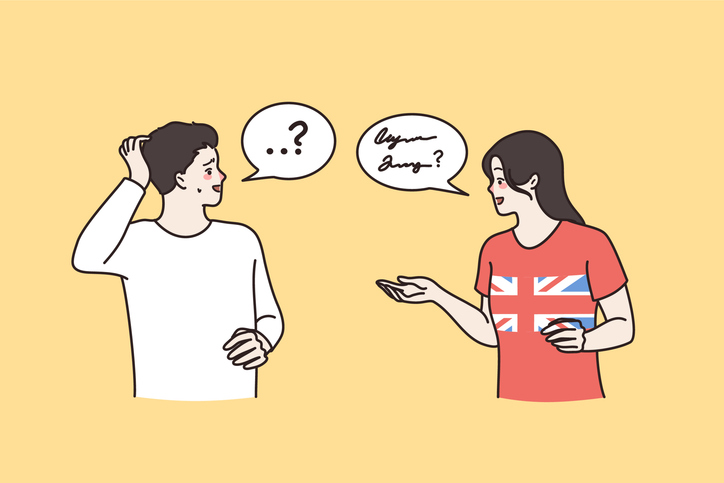
Delivering Health Care in a Patient’s Preferred Language Could Reduce Emergency Department Visits, Hospitalizations, and Mortality

Recent research from the Institute for Clinical Evaluative Sciences (ICES) suggests that long-term care residents who primarily speak languages other than English or French experience fewer emergency department visits, hospitalizations, and deaths when their family doctor speaks their native language.

The study, published in BMJ Public Health, investigates the impact of language barriers in healthcare. It highlights that patients who encounter these barriers often face difficulties accessing services and receive care of lower quality and safety.

Focusing on a cohort of nearly half a million individuals receiving home care services in Ontario, Canada, from 2010 to 2018, researchers explored the concept of “language concordance.” This term refers to scenarios where patients received primary care from family physicians fluent in their native language.

Findings indicated that Allophones—individuals speaking languages other than English or French—benefited significantly from language-concordant care, reducing emergency department visits, hospitalizations, and mortality risks. Interestingly, the same was not valid for Francophones, whose outcomes were unaffected by whether their care was language-concordant or discordant.

Michael Reaume, a resident physician in internal medicine at the University of Manitoba, noted that the outcomes for Francophones likely remained stable because a substantial percentage (61%) of them already received care from French-speaking doctors. He suggested that this stability might indicate the effectiveness of policies like the French Language Services Act in ensuring access to language-appropriate care for the Franco-Ontarian population.

The study highlights that while the majority of home care recipients were Anglophone (80%), Francophones (2%) and Allophones (18%) represented a smaller portion of the cohort. Among Allophones, those who received care from doctors who spoke their language had fewer emergency department visits (53% versus 58%), hospitalizations (35% versus 38%), and deaths (14% versus 17%) compared to those receiving care from non-native language-speaking doctors.

Reaume emphasized the importance of systematically collecting data on patient and physician language preferences. Although physician language data is routinely collected in most parts of Canada, only three provinces and territories (Northwest Territories, Nova Scotia, and Prince Edward Island) include patient language information on health cards. He argues that such data is crucial for matching patients with physicians who speak their preferred language and identifying those who might benefit from professional interpreter services when direct language concordance is impossible.

More information: Michael Reaume et al, Impact of patient–family physician language concordance on healthcare utilisation and mortality: a retrospective cohort study of home care recipients in Ontario, Canada, BMJ Public Health. DOI: 10.1136/bmjph-2023-000762

Journal information: BMJ Public Health Provided by Institute for Clinical Evaluative Sciences

Melodies Set Our Brainwaves in Motion

Have you ever instantly recognized a song from just a brief snippet or quickly picked up the rhythm of a chorus? Groundbreaking research conducted by the Center for Music in the Brain at Aarhus University and the Centre for Eudaimonia and Human Flourishing at the University of Oxford has unveiled what transpires in our brains when we identify and predict musical sequences. This understanding sheds light on the complex patterns of neural activity initiated when our favourite tunes play on the radio, involving regions that process sound, emotions, and memories. The auditory cortex starts this process by responding to the initial sounds and relaying information to other critical areas like the hippocampus, which handles memory, and the cingulate gyrus, which aids emotional and attention processing. This intricate feedback mechanism enables us to recognize and anticipate the unfolding of songs, enhancing the listening experience.

Associate Professor Leonardo Bonetti from the Center for Music in the Brain explains the significance of these findings in understanding our cognitive functions. He highlights how this research deepens our understanding of how the brain processes and anticipates music and contributes to the broader sense of mental functions. These insights are crucial for exploring how ageing and dementia-related diseases impact cognitive processes. The potential for these findings to influence the study of brain health is immense, offering new directions for research into cognitive decline and disorders.

The resonance of familiar music, like the intricate layers of ‘Bohemian Rhapsody’ or the nostalgic melodies of a childhood classic, may also play a pivotal role in the early detection of dementia. The researchers suggest that the brain’s response to music could lead to the development of screening tools that assess the risk of dementia by analyzing brain activity as individuals engage with music. This approach could provide a non-invasive method to identify those at higher risk of developing cognitive impairments.

During the study, the researchers analyzed the brainwaves of 83 participants as they listened to music, capturing the nuanced ways in which different brain regions interact when exposed to musical stimuli. These initial findings pave the way for further research, as noted by Leonardo Bonetti. The team at Aarhus University plans to continue their studies, focusing on how these neural mechanisms might change with age or in the presence of cognitive impairments. Such investigations are crucial for developing targeted interventions to improve cognitive function and quality of life for people affected by neurological conditions.

Looking ahead, the research team is committed to exploring these brain mechanisms more thoroughly. Understanding how our cognitive processes adapt and respond to music over time could lead to innovative strategies for enhancing brain health and cognitive function. These future studies will be vital in crafting interventions that preserve and enhance mental abilities, offering hope and improved life quality to individuals facing neurological challenges.

More information: Leonardo Bonetti et al, Spatiotemporal brain hierarchies of auditory memory recognition and predictive coding, Nature Communications. DOI: 10.1038/s41467-024-48302-4

Journal information: Nature Communications Provided by Aarhus University

Companions with Health Advantages: The Value of Partnership in Achieving Objectives

Weekly targets, annual resolutions, and five-year plans are often so tantalisingly out of reach. Despite our best intentions, many of us need help to maintain the goals we set for ourselves. The next time you set a goal, consider teaming up with a friend. Recent field research led by Assistant Professor Rachel Gershon and published in Management Science reveals that collaborating with friends on our objectives might make them more achievable. Gershon, together with Cynthia Cryder from Washington University and Katy Milkman from the University of Pennsylvania, specifically investigated the impact of joint gym visits and discovered that attending with a friend, despite the challenge of aligning two schedules, increased gym attendance by 35%.

“Although it introduced the complication of coordinating with another, we observed that people became more motivated and more frequent gym-goers,” Gershon explains. “This highlights how social incentives, often overlooked, can aid in surmounting other obstacles in our path.” The study enlisted two group participants for a “Gym Bonus Month,” which spanned four weeks from February 1 to February 28. Each group paired up with a friend, and each gym visit earned them a $1 Amazon gift card. One group received this incentive every time they visited the gym, irrespective of their friend’s participation, while the other group’s reward depended on joint attendance.

The results showed that those who paid only when visiting the gym with their friends doubled their joint sessions and enhanced their overall gym attendance by 35%. Gershon and her team concluded that two significant advantages outweighed the logistical difficulties of syncing schedules. Firstly, individuals enjoyed their gym visits more when social, enhancing the likelihood of future visits. Secondly, there was a heightened sense of accountability when meeting a friend at the gym.

“Our research highlights two forms of accountability,” notes Gershon. “Individuals feel obliged to their friends, as they want them to receive the reward, but they might also worry about their reputation should they fail to meet expectations.” Despite the apparent benefits, Gershon and her colleagues found that when asked, over 80% of people preferred not to coordinate gym visits with a friend, highlighting a general reluctance to engage in joint activities despite the potential advantages. This reluctance, Gershon suggests, may stem from an underappreciation of the motivational boost and the stronger social connections that such arrangements can foster, connections that can make us feel more connected and part of a community.

The research also demonstrated that the social aspect of attending the gym was particularly beneficial for those who were less active initially. Among each pair, the friend who exercised less frequently before the study experienced a significant increase in gym visits, suggesting that social incentives can be incredibly potent for specific groups. Beyond the gym, these findings have broader implications for behaviour modification in various settings. For instance, companies aiming to enhance employee engagement in skills training might consider implementing joint-incentive schemes to increase participation and strengthen workplace relationships.

Furthermore, Gershon’s research into referral programs suggests additional benefits. Many organisations offer incentives, like a free month of membership, for recruiting friends. This strategy not only helps to engage new customers but can also increase the motivation of existing ones, demonstrating the decisive role of social networks in initiating and maintaining new activities. This role can inspire and motivate us to take on new challenges.

More information: Rachel Gershon et al, Friends with Health Benefits: A Field Experiment, Management Science. DOI: 10.1007/s00394-023-03123-x

Journal information: Management Science Provided by University of California Berkeley Haas School of Business

Recent Research Indicates that Alcohol Rehabilitation and Abstinence Lower the Incidence of Alcohol-Related Cancers

A recent investigation by the Centre for Addiction and Mental Health (CAMH), Bordeaux University Hospital in France, and the World Health Organization (WHO) has established that individuals suffering from alcohol dependence who engage in rehabilitation programs or achieve sustained abstinence show a markedly reduced risk of developing cancers linked to alcohol consumption. The findings were published in a new article titled “Alcohol rehabilitation and cancer risk: a nationwide hospital cohort study in France” in the Lancet Public Health journal. This groundbreaking study is considered the most comprehensive to date in demonstrating the correlation between reduced or eliminated alcohol consumption and a decreased likelihood of all alcohol-related cancers, including those of the liver and throat.

The expansive retrospective cohort study scrutinised data from over 24 million French residents, all adults in mainland France, who were hospital-discharged between 2018 and 2021. The analysis revealed that around 6.3 per cent of men and 1.6 per cent of women were diagnosed with alcohol dependence, a condition strongly linked to an increased risk of specific cancers such as hepatocellular carcinoma, and cancers of the oral cavity, pharynx, larynx, oesophagus, and colon in both genders. However, the study also indicated that those who underwent rehabilitation or maintained abstinence were at a significantly lower risk of developing these cancers compared to those who remained dependent on alcohol without undergoing treatment. These findings highlight the crucial role of effective treatment strategies in mitigating cancer risks associated with alcohol dependency.

Dr Jürgen Rehm, a Senior Scientist at the Institute for Mental Health Policy Research at CAMH and the study’s senior author, expressed surprise at the significant impact of treatment interventions observed in the study. He noted that while the treatment for alcohol dependency is known to be effective, the recurrent nature of this chronic condition often overshadows the fact that periods of abstinence can substantially reduce the risk of cancer and other chronic diseases.

Dr. Michaël Schwarzinger, from the Department of Prevention at Bordeaux University Hospital and the lead author of the article, pointed out the general underestimation of alcohol dependence in comparison to other health issues in research and policy priorities. He emphasised that alcohol dependence continues to represent a severe yet primarily overlooked epidemic in France, particularly concerning given the country’s average annual alcohol consumption per adult is more than double the global average.

Dr. Carina Ferreira-Borges, the Regional Adviser for Alcohol, Illicit Drugs, and Prison Health at the WHO Regional Office for Europe, stated that while population-level policies such as increased alcohol taxes, reduced availability, and restricted marketing are effective strategies to curb alcohol-related harms, including cancers, the study underscores the importance of health systems’ responses. Enhancing access to alcohol rehabilitation and abstinence interventions within healthcare settings could significantly bolster national efforts to protect populations from preventable cancers. She advocated for increased investment in rehabilitation and treatment services for alcohol use disorders in France and other countries within the WHO European Region.

Dr. Leslie Buckley, Chief of Addictions at CAMH, underscored the relevance of these findings, especially in light of the rising hospital admissions in Canada for alcohol-attributable conditions, which surpass those for myocardial infarction. He highlighted the barriers to accessing evidence-based treatment, such as stigma and logistical challenges in receiving in-person care. Dr Buckley also pointed to innovative solutions like virtual treatment programs, which CAMH is researching. These programs mimic the intensity of traditional rehabilitation without the need for physical infrastructure, thus reducing wait times and enhancing treatment accessibility. With the anticipated increase in alcohol availability in Ontario, Dr Buckley stressed the importance of such accessible treatment options to manage potential increases in alcohol consumption effectively.

More information: Michaël Schwarzinger et al, Alcohol rehabilitation and cancer risk: a nationwide hospital cohort study in France. DOI: 10.1016/S2468-2667(24)00107-5

Journal information: Public Health Provided by Centre for Addiction and Mental Health