Daily Archives: 16 August 2024

Anxiety Linked to Over Double the Risk of Developing Parkinson’s

Researchers at UCL have found that individuals over 50 with anxiety are at least twice as likely to develop Parkinson’s disease compared to those without fear, according to a study published in the British Journal of General Practice. The study focused on the correlation between new-onset anxiety in people aged over 50 and subsequent Parkinson’s diagnosis.

The research team analysed data from UK primary care records spanning from 2008 to 2018, reviewing 109,435 patients who were diagnosed with anxiety after turning 50. These patients were compared with 878,256 control participants who did not have anxiety. The analysis followed the onset of Parkinson ’s-related symptoms, including sleep disturbances, depression, tremors, and balance issues, from the initial anxiety diagnosis up to a year before a formal Parkinson’s diagnosis. This approach helped the researchers assess the long-term risk of Parkinson’s in the anxiety group versus the controls and identify associated risk factors.

Adjustments were made in the study for various factors such as age, gender, social deprivation, lifestyle choices, severe mental illness, head trauma, and dementia, which could influence the development of Parkinson’s in anxious individuals. Findings revealed that anxiety doubled the risk of developing Parkinson’s. Moreover, symptoms such as depression, sleep issues, fatigue, cognitive decline, low blood pressure, tremors, rigidity, balance problems, and constipation were identified as risk factors for Parkinson’s among those with anxiety.

Dr Juan Bazo Alvarez, co-lead author from UCL’s Epidemiology & Health department, highlighted the significance of the findings, noting that Parkinson’s is the second most prevalent neurodegenerative disease globally. He pointed out that while anxiety is often observed in early Parkinson’s, the prospective risk associated with new-onset anxiety in those over 50 was not previously understood. The study aims to facilitate earlier detection and treatment of Parkinson’s by elucidating the connection between anxiety and the development of the disease after the age of 50.

Parkinson’s disease is increasingly widespread, currently affecting nearly 10 million people worldwide and is characterised by the degeneration of nerve cells in the substantia nigra, a part of the brain that regulates movement. This degeneration leads to diminished dopamine production due to the accumulation of alpha-synuclein protein. Recent advancements include the development of a simple blood test by UCL and University Medical Centre Goettingen, Germany, which, using artificial intelligence, can predict the onset of Parkinson’s up to seven years before symptoms emerge.

Professor Anette Schrag, co-lead author and a researcher at UCL Queen Square Institute of Neurology, emphasised the need for further research on anxiety as an early indicator of Parkinson’s. Understanding how early anxiety relates to other symptoms and the progression of Parkinson’s could enhance treatment in its initial stages.

The research team advocates for additional studies to determine why older individuals with newly developed anxiety are more susceptible to Parkinson’s and how the severity of their anxiety might influence their prognosis.

More information: Juan Carlos Bazo-Alvarez et al, Risk of Parkinson’s disease in people aged ≥50 years with new-onset anxiety: a retrospective cohort study in UK primary care, British Journal of General Practice. DOI: 10.3399/BJGP.2023.0423

Journal information: British Journal of General Practice Provided by University College London

Fit2Drive revolutionizes the evaluation of older drivers experiencing cognitive decline

As the global population ages, the number of elderly drivers on the road also increases. Driving safely requires robust memory, perceptual, motor skills, and executive functioning abilities. It’s well-established that individuals with severe Alzheimer’s Disease and related dementias (ADRD) cannot drive safely. However, evidence suggests that deterioration in driving abilities can begin during the preclinical stages of Alzheimer’s Disease. This situation presents a complex challenge, as the decision to cease driving due to cognitive impairments involves not only the elderly individuals themselves but also their families and healthcare providers.

Despite the availability of numerous cognitive tests and practical driving assessments, clinicians often need more training and time constraints, which impede their ability to administer these tests effectively. This issue is compounded by the difficulty in obtaining objective evidence to support decisions about an older adult’s fitness to drive. To address these challenges, researchers at Florida Atlantic University have developed an innovative tool called “Fit2Drive”. This evidence-based calculator simplifies the process for clinicians to administer and evaluate a cognitive test in their office, predicting the likelihood of an older adult passing a practical driving test based on short, straightforward cognitive assessments.

The development of Fit2Drive involved the creation of an algorithm by the team at FAU’s Christine E. Lynn College of Nursing and Charles E. Schmidt College of Science, which rapidly generates driving capability predictions for individual patients. They utilized data from 12 different cognitive assessments and practical driving tests collected from two distinct groups: patients from FAU’s Louis and Anne Green Memory and Wellness Center and older drivers from the local community. These assessments included the Mini-Mental State Exam (MMSE) and the Trail Making Tests A and B, which assess various cognitive abilities. Four hundred twelve study participants, aged between 59 and 89, underwent these cognitive tests and a practical driving assessment.

The study’s findings, published in the Journal of the American Medical Directors Association, demonstrated that the Fit2Drive algorithm achieved a remarkable predictive accuracy of 91.5%. A detailed analysis revealed that the highest MMSE score and the time to complete Trails B were the most significant predictors of driving performance. Furthermore, the study noted substantial differences in practical driving test outcomes between the two groups, with a much higher failure rate among those from the memory and wellness centre compared to the community sample.

The emotional strain on patients and the lack of objective data to support clinical recommendations were critical motivators for developing this predictive tool. The Fit2Drive results aim to provide clinicians with reliable evidence to share with patients and their families, who may be concerned about the risks of continuing to drive. This decision significantly impacts their lives and poses a challenge for primary care providers. To streamline the use of the predictive model, researchers developed a logistic regression model that evaluated the sensitivity and specificity of the predictions, using a binary pass-fail outcome from the practical driving test as the basis for assessing predictive variables.

The Fit2Drive calculator is available online and is designed for easy use on Android and iOS devices, enabling clinicians to enter data through a smartphone. As the feasibility of conducting cognitive tests online increases, there is potential for developing a completely online version of Fit2Drive, further enhancing its accessibility and ease of use. This tool represents a significant advancement in the ability to assess the driving capabilities of elderly individuals objectively, providing valuable support to clinicians, patients, and families navigating the complex issue of cognitive decline and driving.

More information: Ruth Tappen et al, Fit2Drive: Screening Older Drivers with Cognitive Concerns, Journal of the American Medical Directors Association. DOI: 10.1016/j.jamda.2024.105054

Journal information: Journal of the American Medical Directors Association Provided by Florida Atlantic University

Research Investigates Fish Oil’s Impact on Brain Health in Older Adults

A clinical study conducted by Oregon Health & Science University has indicated that older adults with a genetic marker for Alzheimer’s disease might gain from taking fish oil supplements. Amidst broader claims that such supplements enhance brain function for those with memory issues, this study did not find a universal benefit for all older participants. Specifically, it observed a reduced degradation of nerve cells in the brain for individuals carrying the Alzheimer ‘s-related APOE4 gene.

The principal researcher from OHSU, Lynne Shinto, emphasized the need for further research. She commented that while fish oil could benefit APOE4 carriers, its advantages could be clearer-cut for the broader population of older adults. “Over a period of three years, our data did not reveal a significant difference between the placebo group and those taking fish oil,” stated Professor Shinto. “Though not harmful, it’s not essential to use fish oil as a preventative measure against dementia.” This underscores the need for more comprehensive studies in the future.

The research involved 102 participants aged 75 or above, all of whom had relatively low omega-3 fatty acid levels in their blood at the outset. These individuals underwent magnetic resonance imaging (MRI) to monitor changes in their brain’s white matter lesions, which can obstruct nutrient flow and heighten dementia risk, at the beginning and end of the study. Although these participants had noticeable white matter lesions, they were otherwise healthy without dementia.

Half of the study’s participants were administered daily supplements of omega-3-rich fish oil, while the remainder received a placebo derived from soybean oil. The MRIs conducted at the start and end of the three years showed a minor decrease in lesion progression, yet the difference was not statistically significant across the two groups.

However, for participants with the APOE4 gene, a notable decrease in the deterioration of brain cell integrity was recorded just one year into taking the fish oil, in contrast to those who received the soybean placebo.

Gene Bowman, N.D., M.P.H., director of clinical trials and a lecturer in neurology at the McCance Center for Brain Health at Massachusetts General Hospital and Harvard Medical School, underscored the potential of the findings. “This study is pioneering in dementia prevention research by employing modern tools like blood tests and brain scans to not only pinpoint individuals at high dementia risk but also to identify those who might benefit most from specific nutritional interventions. The observed slowdown in neuronal integrity breakdown among those at high Alzheimer’s risk and treated with omega-3 is compelling. This study paves the way for a larger, more diverse clinical trial in the future.”

More information: Lynne H. Shinto et al, ω-3 PUFA for Secondary Prevention of White Matter Lesions and Neuronal Integrity Breakdown in Older Adults, JAMA Network Open. DOI: 10.1001/jamanetworkopen.2024.26872

Journal information: JAMA Network Open Provided by Oregon Health & Science University

Unmanaged Hypertension: The Classic ‘Silent Killer’ Continues to Threaten

In both the United States and across the globe, cardiovascular disease stands as the primary preventable cause of premature mortality and disability. Notably, heart attacks and strokes are significant contributors to the more than 900,000 deaths each year in the US and roughly 10 million worldwide.

A significant contributing factor to these conditions is uncontrolled hypertension or high blood pressure. Healthcare strategies often involve lifestyle intervention, exercise, and complementary pharmacological treatments to prevent and manage cardiovascular disease effectively.

A recently published commentary in The American Journal of Medicine highlights the urgency of this issue. Authored by experts from Florida Atlantic University’s Schmidt College of Medicine and their colleagues, the paper serves as a wake-up call to healthcare providers about the persistent threat of the so-called “silent killer.”

According to Stacy Rubin, M.D., senior author and assistant professor of medicine at FAU Schmidt College of Medicine, healthcare providers must recognize the prevalence and severity of uncontrolled hypertension in their patients. Dr. Rubin emphasizes the critical need for effective blood pressure management, noting the alarming statistic that sudden cardiac death accounts for 50% of all cardiovascular disease deaths and often represents the first noticeable symptom in approximately 25% of cases. She further points out that for 76% of those who suffer a stroke, the event itself is the first indication of any problem.

The importance of controlling blood pressure is well-documented and conceptually straightforward, although achieving this has historically been challenging. Before significant studies like the Hypertension Detection and Follow-Up Program in the 1970s in the U.S., awareness and effective management of high blood pressure could have been much higher. Recent data suggests slight improvements, with better understanding and management rates, yet these figures still point to a substantial portion of the population with uncontrolled hypertension.

Current guidelines from authoritative bodies like the American Heart Association and the American College of Cardiology recommend that a healthy individual should maintain a systolic blood pressure below 130 millimetres of mercury (mmHg) and a diastolic pressure under 80 mmHg. With these criteria, around 45% of U.S. adults are affected by hypertension, indicating a widespread public health challenge.

Another significant concern is the prevalence of metabolic syndrome, characterized by factors such as central obesity, elevated triglycerides, low HDL cholesterol, high fasting blood glucose, and hypertension. This syndrome is a significant risk factor for cardiovascular events in the U.S., which has one of the highest obesity rates globally.

Experts like Charles H. Hennekens, M.D., Dr.PH. Advocate for the use of ACE inhibitors or their advanced counterparts, receptor blockers, to manage patients with metabolic syndrome. These medications not only help control blood pressure but also provide protective benefits against heart attacks, strokes, and kidney disease.

Adopting healthier lifestyle choices, such as reducing weight, increasing physical activity, and decreasing salt intake, has been proven beneficial in managing hypertension. Combining these lifestyle modifications with medication can effectively lower blood pressure for individuals with blood pressure readings above 130/80 mmHg. Typically, medications are introduced when lifestyle changes do not reduce the pressure to below 140/90 mmHg.

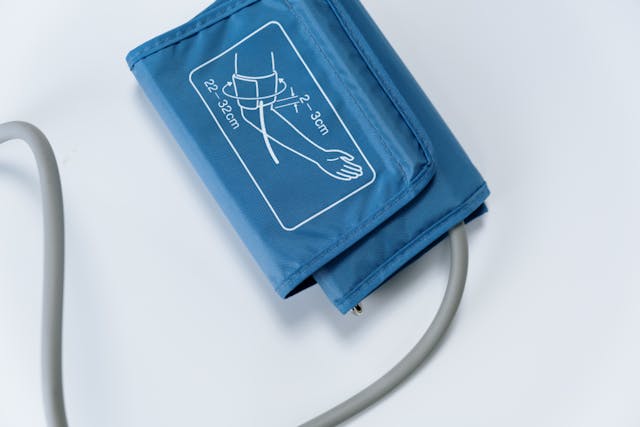
Both health providers and patients must be aware of the daily and diurnal variations in blood pressure, which complicate the management of hypertension. Effective treatment often requires health providers to tailor treatment algorithms specifically for each patient, who must actively participate by regularly monitoring their blood pressure. The American Heart Association and the American College of Cardiology endorse using devices like the Omron blood monitor for home measurements.

Dr. Hennekens stresses the importance of patients checking their blood pressure both morning and evening and adjusting medication doses based on an average of three readings taken five minutes apart. Through diligent monitoring and management, health providers can play a crucial role in addressing the persistent issue of uncontrolled hypertension, potentially neutralizing the long-standing threat of the “silent killer.”

More information: Barry R. Davis et al, New Clinical Challenges In Hypertension Management, The American Journal of Medicine. DOI: 10.1016/j.amjmed.2024.07.005

Journal information: The American Journal of Medicine Provided by Florida Atlantic University