Daily Archives: 4 August 2024

Diet Low in Sugar Associated with Youthful Biological Age

Researchers at UC San Francisco have discovered a significant connection between diets rich in vitamins and minerals, particularly those low in added sugar, and a younger biological age at the cellular level. The study explored the impact of three healthy eating indices on an “epigenetic clock”—a biochemical assay used to estimate health and lifespan. Findings showed that better dietary habits were associated with a more youthful appearance of cells. Intriguingly, even within a generally healthy diet, each additional gram of added sugar consumed was linked to an increased epigenetic age.

Dorothy Chiu, PhD, a postdoctoral scholar at the UCSF Osher Center for Integrative Medicine and the study’s lead author, emphasised the alignment of the investigated diets with current health and disease prevention guidelines. She highlighted the significant roles of antioxidants and anti-inflammatory nutrients, noting, “From a lifestyle medicine perspective, it is empowering to see that adhering to these dietary recommendations can significantly affect cellular age relative to chronological age.” Published in JAMA Network Open on July 29, this study is pioneering in demonstrating the link between added sugar intake and epigenetic ageing, particularly among a diverse group of midlife women, including both Black and white participants—a demographic not commonly featured in previous research.

Elissa Epel, PhD, co-senior author and a UCSF professor in the Department of Psychiatry and Behavioral Sciences, added to the discussion by linking high sugar intake to poor metabolic health and early onset diseases, which are now understood to be potentiated by accelerated epigenetic ageing. This new understanding points to excessive sugar consumption as a significant detriment to healthy longevity. The study’s participants, 342 Black and white women with an average age of 39 from Northern California, showcased a wide range of daily added sugar intake—from 2.7 to 316 grams. To contextualise, a bar of milk chocolate contains about 25 grams of added sugar. In comparison, a 12-ounce cola holds about 39 grams against a backdrop of FDA recommendations that adults consume no more than 50 grams of added sugar daily.

The researchers employed a cross-sectional study design to analyse the women’s food records and compare their diets to a Mediterranean-style diet rich in anti-inflammatory and antioxidant foods and another diet associated with a reduced risk of chronic diseases. Additionally, diets were evaluated against a newly created “Epigenetic Nutrient Index (ENI)” based on nutrients linked to antioxidative or anti-inflammatory processes and DNA maintenance and repair, such as Vitamins A, C, B12, E, folate, selenium, magnesium, dietary fibre, and isoflavones.

Significant correlations were found between adherence to these diets and lower epigenetic age, with the Mediterranean diet having the strongest association. The analysis also revealed that consuming added sugars could accelerate biological ageing, even when the diet was healthy. Barbara Laraia, PhD, RD, another co-senior author and a professor at UC Berkeley’s Food, Nutrition, and Population Health program, suggested a practical approach based on the findings: reducing daily added sugar by 10 grams might effectively turn back the biological clock by 2.4 months if sustained over time.

This insight provides a new perspective on dietary recommendations and offers a compelling strategy to motivate people to eat healthier foods focused on longevity. The study underscores the potentially reversible nature of epigenetic patterns by emphasising the importance of nutrient-rich, low-sugar foods. It offers a proactive approach to managing dietary habits for better health outcomes.

More information: Dorothy T. Chiu et al, Essential Nutrients, Added Sugar Intake, and Epigenetic Age in Midlife Black and White Women, JAMA Network Open. DOI: 10.1001/jamanetworkopen.2024.22749

Journal information: JAMA Network Open Provided by University of California – San Francisco

Symptom Management and Enhanced Quality of Life for Cardiovascular Patients Through Palliative Care

Implementing patient-centred palliative care therapies, which include prescribing, adjusting, or discontinuing medications as needed, can control symptoms and improve the quality of life for those with heart disease. This approach is outlined in the new scientific statement “Palliative Pharmacotherapy for Cardiovascular Disease” from the American Heart Association, published in Circulation: Cardiovascular Quality and Outcomes. The statement reviews the current evidence surrounding the benefits and risks of cardiovascular and essential palliative medications, offering guidance for healthcare professionals to integrate palliative methods into holistic medication management across all stages of a patient’s health conditions. It also emphasises the importance of shared decision-making and goal-oriented care.

Palliative care is specialised medical care that alleviates symptoms and enhances the quality of life for those suffering from serious health-related issues. This type of care is especially beneficial for patients with various cardiovascular diseases, including coronary heart disease, valvular heart disease, pulmonary arterial hypertension, and heart failure. These conditions, which significantly impair quality of life, require ongoing treatment, are generally progressive, and are associated with high mortality rates. Often, the progression of these conditions is unpredictable, characterised by worsening symptoms that frequently lead to hospital admissions.

Integrating palliative care into standard cardiovascular treatment helps reduce physical symptoms, manage emotional distress, and aids patients in aligning treatment decisions with their care goals. This approach can be incorporated at any stage of heart disease, from chronic, stable conditions to advanced and end-stage disease, supporting a more goal-oriented, patient-centred treatment approach. Despite its benefits, fewer than 20% of individuals with end-stage heart disease receive palliative care.

Significant disparities in cardiovascular care and outcomes persist, influenced by race, ethnicity, gender, and social determinants of health. Those who are referred to palliative care tend to be predominantly white, from higher socioeconomic backgrounds, and more likely to receive care at academic medical centres. Patients from underrepresented racial and ethnic groups are less likely to receive palliative care, leading to poorer outcomes and increased risk of early mortality.

Dr. Katherine E. Di Palo, Chair of the statement writing group, emphasises the importance of fully informing patients about their diagnosis and potential changes in medication management as their disease progresses. This knowledge allows patients to set and share their care goals, including reducing symptoms such as shortness of breath, fatigue, and pain and improving sleep, mood, and appetite. To achieve these goals, cardiovascular medications that provide symptom relief, like diuretics for managing fluid retention in heart failure, should be prioritised for patients with advanced heart disease. Additionally, incorporating palliative medicines alongside evidence-based cardiovascular therapies can optimise symptom management and enhance quality of life.

A team-based approach is essential for managing the complexities of medication in heart disease, involving collaboration among multidisciplinary clinicians from primary care, cardiology, and palliative care. Given the rapid changes in health status that patients may experience, ongoing discussions are crucial to ensure that treatment plans align with the patient’s preferences and priorities. Clinicians should routinely evaluate—and communicate—the potential risks, benefits, and expected timeframe for each medication’s effectiveness.

Deprescribing and de-escalating medications are also critical components of palliative medication management for heart disease patients. Deprescribing involves tapering, withdrawing, or discontinuing a medication to improve outcomes while de-escalating focuses on reducing the dosage or switching medications based on the patient’s response. Several scenarios where deprescribing might be considered include situations where the expected time to benefit from a medication exceeds the patient’s life expectancy. Future research is needed to determine the most effective ways to provide timely and targeted access to palliative medication management, particularly for patients with advanced heart disease from under-represented racial and ethnic groups who are less likely to receive palliative care or may face barriers to accessing it.

More information: Katherine E. Di Palo et al, Palliative Pharmacotherapy for Cardiovascular Disease: A Scientific Statement From the American Heart Association, Circulation. DOI: 10.1161/HCQ.0000000000000131

Journal information: Circulation Provided by American Heart Association

Men Engaged in Recreational Activities Like Golfing and Gardening Could Face Higher ALS Risk

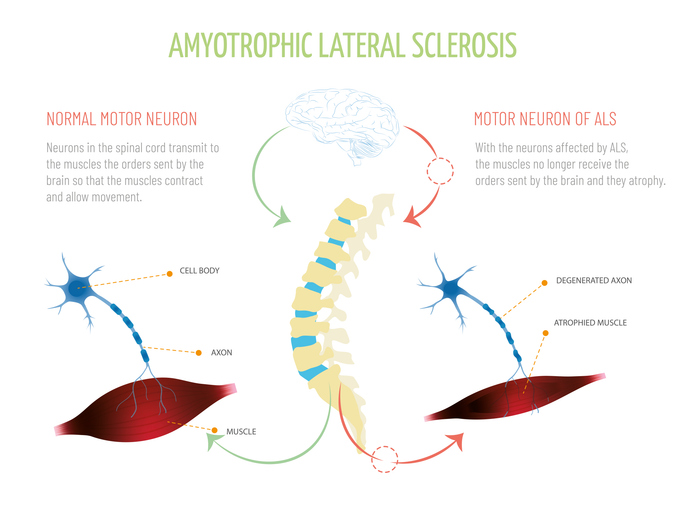
A study by Michigan Medicine has revealed that participating in recreational activities such as golfing, gardening, woodworking, and hunting might elevate the risk of developing amyotrophic lateral sclerosis (ALS) in individuals, particularly men. This research highlights activity-specific risk increases and has been published in the Neurological Sciences.

Under the leadership of Stephen Goutman, M.D., M.S., director of the Pranger ALS Clinic and associate director of the ALS Center of Excellence at the University of Michigan, this study has broadened our understanding of ALS risks. It has shifted the focus from occupational hazards to the potential influence of recreational activities on ALS risk. Dr. Goutman’s call to include these activities in future studies could significantly shape the development of ALS prevention, diagnosis, and treatment strategies.

In their investigation, researchers surveyed 400 individuals diagnosed with ALS and nearly 300 without the condition, focusing on their engagement in hobbies and activities outside of work. They discovered a notably higher risk associated with golf, with men who play the sport facing a threefold increase in ALS risk. Other activities such as gardening, yard work, woodworking, and hunting showed a significant risk increase among male participants. Conversely, the study found no significant recreational risk factors for women, nor did any hobbies correlate with earlier onset or death from ALS in either gender.

Dr. Goutman expressed surprise at the male-specific risk factors identified, suggesting that similar risks could potentially affect females, though the study’s limited female participation rendered conclusive results elusive. The research contributes to the broader understanding of the ALS exposome—a concept encompassing the cumulative environmental exposures contributing to ALS risk over a lifetime. Notably, the study hints at possible links between the use of pesticides in golfing and gardening and increased ALS risk, with previous research correlating such occupations with heightened ALS susceptibility. Furthermore, exposure to substances like formaldehyde in woodworking activities might also play a role in elevating ALS risk.

Senior author Eva Feldman, M.D., Ph.D., director of the ALS Center of Excellence at the University of Michigan, draws a parallel with Alzheimer’s disease, where a combination of lifestyle factors such as smoking, obesity, and high cholesterol can significantly increase risk. Dr. Feldman and her team aim to develop a similar framework for ALS, identifying specific occupations and hobbies that heighten risk as a preliminary step toward effective prevention strategies. She draws inspiration from poet Robert Frost, aiming to forge a new path in ALS risk reduction that is currently less travelled.

While the study’s findings are significant, they also underscore the need for further research. Prospective studies will delve deeper into the risks associated with production and manufacturing jobs, especially those involving metal use. The implications for individuals with a family history of ALS will also be explored. Both Goutman and Feldman stress that it is premature for clinicians to recommend ceasing any specific activities based on these findings alone. They advocate for continued research to establish a more explicit linkage between recreational activities and ALS risk, thereby enhancing the foundation for preventive measures in the future.

More information: Stephen A. Goutman et al, Avocational exposure associations with ALS risk, survival, and phenotype: A Michigan-based case-control study, Journal of the Neurological Sciences. DOI: 10.1016/j.jns.2024.122899

Journal information: Journal of the Neurological Sciences Provided by Michigan Medicine – University of Michigan

Exceptional Dementia Care in Nursing Homes Requires More Than Just Increased Staffing

A groundbreaking study led by the University of California, Irvine, has determined that simply increasing the number of staff in nursing homes is not enough to address the disparities in care quality and health outcomes between facilities with varying levels of residents with dementia. According to the research recently published in the journal Health Services Research, other factors such as specialised training, designing environments that are easy to navigate, and maintaining consistent staff are equally vital for catering to the needs of this demographic.

The study reveals that while higher staffing levels generally enhance patient outcomes across the board, notable differences persist between facilities with high and low proportions of dementia residents, regardless of staffing levels. The effects of staffing on care quality varied depending on the percentage of residents with dementia. They covered a range of outcomes from daily living activities like bathing, dressing, and eating independently to the frequency of emergency room visits and pressure sores.

Dana Mukamel, a professor of medicine at UCI and the study’s lead author, emphasised the objective of analysing how staffing hours correlated with care quality and comparing health outcomes in nursing homes with different densities of dementia populations. The findings indicated that while increased hours of registered nurses and certified nurse assistants per resident day tended to improve outcomes for both groups, adding more staff members was unlikely to be the sole solution.

The study underlined the complexity of dementia care, noting that over 40 per cent of nursing home residents in the United States are estimated to suffer from Alzheimer’s disease, related dementia, or cognitive impairments. These conditions complicate communication, requiring staff to be trained in specialised techniques to recognise non-verbal cues and understand diverse forms of self-expression.

This research involved regression analyses of a national sample of nursing homes from 2017 to 2019, utilising various datasets, including Medicare claims and data from the Centers for Medicare and Medicaid Services’ Payroll-Based Journal. The analysis controlled for resident and facility characteristics, employing separate linear models to predict six long-term facility-level outcomes.

Mukamel highlighted the necessity of increasing staffing and integrating specialised training, ensuring a secure environment, and maintaining staff consistency to manage the complexities associated with dementia effectively. She called for further research to identify specific areas for improvement in both high- and low-dementia facilities, aiming to enhance the overall quality of care.

More information: Dana B. Mukamel et al, Dementia, nurse staffing, and health outcomes in nursing homes, Health Services Research. DOI: 10.1111/1475-6773.14270

Journal information: Health Services Research Provided by University of California – Irvine