Daily Archives: 12 August 2024

Prolonged loneliness could heighten the risk of stroke in elderly individuals

A recent study led by Harvard T.H. Chan School of Public Health indicates that persistent loneliness may significantly increase the risk of stroke among older adults. Yenee Soh, the lead author and a research associate in the Department of Social and Behavioral Sciences, emphasised the importance of loneliness as a public health issue, noting its potential role in contributing to stroke incidence—a leading cause of severe long-term disability and death globally. The research, slated for publication in eClinicalMedicine on June 24, delves into the correlation between loneliness and stroke risk, expanding on previous studies that linked loneliness with cardiovascular diseases but seldom addressed stroke specifically.

Utilising data from the Health and Retirement Study (HRS) spanning from 2006 to 2018, the research team assessed how changes in loneliness affected stroke incidence over time. Initially, 12,161 participants aged 50 and above who had never had a stroke responded to the Revised UCLA Loneliness Scale in 2006-2008. A follow-up survey in 2010-2012 saw responses from 8,936 of those participants, allowing researchers to categorise them based on their loneliness scores at the two-time points into four groups: “consistently low,” “remitting,” “recent onset,” and “consistently high.” Analysis of stroke occurrence during the follow-up periods showed that 1,237 strokes happened among those assessed only at baseline and 601 strokes among those assessed twice.

The findings revealed a significant link between loneliness and an elevated risk of stroke, with the most substantial risk increase found in those chronically lonely. Participants considered lonely at the initial assessment had a 25% higher stroke risk compared to those not regarded as lonely. Moreover, those who reported persistent high levels of loneliness across both assessments faced a 56% higher risk of stroke than those with consistently low loneliness scores, even after adjusting for other risk factors such as social isolation and depressive symptoms. Interestingly, the data suggested that loneliness impacts stroke risk over a longer term, as those with remitting or newly onset loneliness did not show a consistent pattern of increased risk.

Yenee Soh highlighted the importance of repeated assessments of loneliness to identify individuals at higher risk of stroke and stressed the need for targeted interventions specifically addressing loneliness, distinguishing it from social isolation. The study underscores the necessity for further research into the nuanced changes in loneliness and its long-term patterns to understand its impact on stroke risk better. The findings, while significant, pertain primarily to middle-aged and older adults and may need to be more generalisable to younger populations, signalling a gap that future studies could address.

More information: Yenee Soh et al, Chronic loneliness and the risk of incident stroke in middle and late adulthood: a longitudinal cohort study of U.S. older adults, EClinicalMedicine. DOI: 10.1016/j.eclinm.2024.102639

Journal information: EClinicalMedicine Provided by Harvard T.H. Chan School of Public Health

The Mediterranean Diet is Associated with Reduced Mortality Risk Among Cancer Survivors

The study, part of the UMBERTO Project, is a collaboration between the Joint Research Platform of the Umberto Veronesi Foundation and the Department of Epidemiology and Prevention at the I.R.C.C.S. Neuromed of Pozzilli, alongside the LUM “Giuseppe Degennaro” University of Casamassima. It highlights the significant health benefits of the Mediterranean Diet for those already diagnosed with cancer. According to the research, individuals with high adherence to this diet before their study enrolment demonstrated a notably longer lifespan and a decreased risk of cardiovascular mortality compared to those with lower adherence.

Published in JACC CardioOncology, the study surveyed 800 male and female adults diagnosed with cancer before joining the Moli-sani Study from 2005 to 2010. These participants were monitored for over 13 years, providing comprehensive data on their dietary habits in the year leading up to their enrolment.

Marialaura Bonaccio, the study’s first author and co-principal investigator, noted that while the Mediterranean Diet’s role in preventing certain cancers is well-documented, its benefits for those already diagnosed with cancer are less understood. The growing number of cancer survivors, expected to rise with advances in targeted therapies, underscores the importance of dietary factors in extending survival among this group.

The research findings reveal that cancer survivors who followed the Mediterranean diet closely had a 32% lower overall mortality risk compared to those who did not adhere as strictly. This effect was even more pronounced in cardiovascular mortality, which saw a 60% reduction.

Maria Benedetta Donati, another principal investigator, suggests that chronic diseases like cancer and heart disease might share underlying molecular mechanisms. This concept, known in the scientific community as ‘common soil’, proposes a unified origin for these diverse health challenges.

Chiara Tonelli, President of the Scientific Committee at the Umberto Veronesi Foundation, explains that the Mediterranean Diet consists mainly of antioxidant-rich foods such as fruits, vegetables, and olive oil. These components are believed to confer the observed benefits, not only in reducing cancer mortality but also in combating cardiovascular diseases. The findings from the UMBERTO Project aim to deepen understanding of these mechanisms, potentially benefiting broader population groups, including those most vulnerable, like cancer survivors.

More information: Marialaura Bonaccio et al, Mediterranean Diet Is Associated With Lower All-Cause and Cardiovascular Mortality Among Long-Term Cancer Survivors, JACC CardioOncology. DOI: 10.1016/j.jaccao.2024.05.012

Journal information: JACC CardioOncology Provided by Istituto Neurologico Mediterraneo Neuromed IRCCS

City Gardening Could Enhance Health: Study Finds Microbial Contact Enhances Immune Function

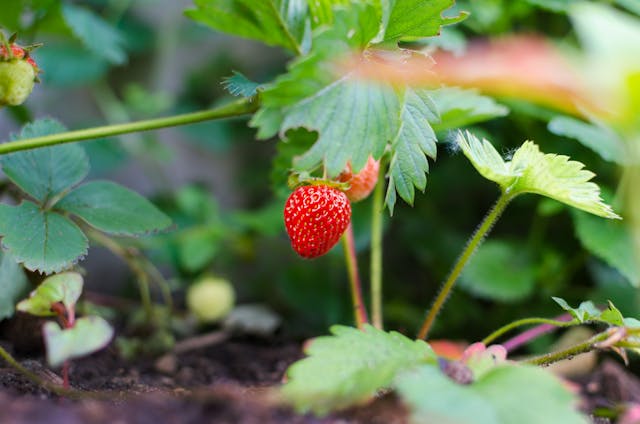
A collaborative study involving the University of Helsinki, Natural Resources Institute Finland, and Tampere University has revealed significant health benefits from one month of indoor gardening, notably increasing the bacterial diversity on the skin and elevating levels of anti-inflammatory molecules in the blood. Mika Saarenpää, in his doctoral thesis, investigated enhancing immune regulation among urban residents through engaging in daily activities like urban gardening. This study builds on previous findings that exposure to microbially rich, nature-derived materials alters human microbiota. Participants enjoyed urban gardening using a growth medium similar to forest soil, rich in microbial diversity, which showed potential long-term benefits for immune system functioning, contrasting with a control group using a microbially poor peat-based medium.

Saarenpää highlighted the critical implications of these findings against the backdrop of increasing urbanisation, which correlates with a rise in immune-mediated diseases such as allergies and asthma, which lead to high healthcare costs. This research underscores how urban settings, which typically limit microbial exposure and thus change the human microbiota, increase the risk of these diseases. Saarenpää’s research demonstrates that natural and enjoyable activities like gardening can significantly enhance the microbiota diversity of healthy adults, thus aiding in regulating the immune system, marking a significant step in understanding how everyday activities can influence health at a microbial level.

The study shows that urban gardening offers a straightforward and economical way to improve health. Using standard flower boxes and readily available plants requires minimal space and investment. The positive changes in microbiota and immune system regulation observed within just a month encouraged many participants to continue the activity, indicating the potential for long-term health benefits. Saarenpää suggests that increasing microbe-mediated immunoregulation could reduce the risk or alleviate symptoms of immune-mediated diseases and, if adopted on a broader scale, could significantly reduce healthcare costs and enhance life quality.

The duration of the beneficial effects on skin microbiota and anti-inflammatory cytokines remains uncertain. However, Saarenpää posits that gardening could lead to more continuous regulation of the immune system if gardening becomes a sustained hobby. This ongoing engagement with nature and microbial-rich environments could become a pivotal part of maintaining health in urban settings.

Saarenpää also underscores the importance of introducing children to microbial-rich environments early in life, given the active development of the immune system during childhood. He advocates using planter boxes filled with diverse soil in kindergartens, schools, and hospitals, particularly in urban areas, to maximise health benefits without accompanying risks. Ensuring that gardening practices are safe—such as maintaining unbroken skin on the hands and avoiding the inhalation of dusty growing media—is crucial for reaping the health benefits of urban gardening. This responsibility to create healthier environments for children can be a powerful motivator for urban planners, educators, and policymakers.

Concluding his research, Saarenpää stresses the critical dependency of our health on the diversity of nature and soil, highlighting how our well-being is intricately linked with other species. He envisions urban areas rich in natural environments that provide beneficial microbial exposure, reducing the need for artificially designed products and fostering a healthier, more sustainable interaction between humans and their environment. This vision aligns with a broader understanding of environmental and health sciences, suggesting that enhancing our contact with nature could be a simple yet profound way to improve public health.

More information: Mika Saarenpää et al, Urban indoor gardening enhances immune regulation and diversifies skin microbiota — A placebo-controlled double-blinded intervention study, Environment International. DOI: 10.1016/j.envint.2024.108705

Journal information: Environment International Provided by University of Helsinki

Pioneering Excellence in Nursing Home Care

Marilyn Rantz, a researcher at the University of Missouri, has spearheaded a groundbreaking program that enhances the quality of care in nursing homes and significantly reduces unnecessary hospitalizations, saving substantial costs for both Missouri nursing homes and Medicare. This economic benefit has allowed these facilities to retain their top staff better. Due to its remarkable success, the program is now recommended for nationwide adoption.

The initiative, known as the Quality Improvement Program for Missouri (QIPMO), was launched in 1999 by Rantz in collaboration with Mizzou’s Sinclair School of Nursing and the Missouri Department of Health and Senior Services. Over the past 25 years, this program has fostered a close-knit community, enabling Rantz and her expert team to work closely with numerous nursing home staff and administrators across Missouri, providing effective strategies to detect illnesses earlier, control infection spread, and enhance overall care quality.

Recent research underscores the effectiveness of the QIPMO program. A study published in the Journal of the American Medical Directors Association reviewed the program’s impact on all 510 participating Missouri nursing homes from 2020 to 2022. It monitored various quality metrics, such as urinary tract infections, high-risk pressure ulcers, antipsychotic usage, emergency room visits, and hospitalizations, confirming significant improvements across these facilities.

Rantz, a Curators’ Distinguished Professor Emerita with nearly 55 years of experience in the nursing industry, highlighted that the detailed data from the study conclusively shows that every nursing home participating in the QIPMO program witnessed overall enhancements. These improvements spanned multiple areas, including infection control, sanitation procedures, hand-washing education, and resident behaviour monitoring, ultimately improving the lives of hundreds—if not thousands—of residents.

The COVID-19 pandemic brought to light various chronic issues within U.S. nursing homes, such as staffing shortages, underpayment of staff, and a lack of personalized care. In response, Rantz was selected by the National Academies of Sciences, Engineering, and Medicine to join a committee of national experts focused on improving nursing home care quality. In 2022, this committee released a report to the U.S. Congress and nursing home associations nationwide, recommending the adoption of successful quality improvement programs like QIPMO in all 50 states.

Rantz and her collaborators at Mizzou and the Missouri Department of Health and Senior Services have set a high standard for nursing home care, which is now poised to influence practices across the nation. Their unwavering commitment to seeing these evidence-based best practices implemented throughout the country ensures the sustainability of the program, and that all nursing homes can achieve similar levels of care excellence and quality improvement.

More information: Marilyn Rantz et al, Longitudinal Evaluation of a Statewide Quality Improvement Program for Nursing Homes, Journal of the American Medical Directors Association. DOI: 10.1016/j.jamda.2023.12.010

Journal information: Journal of the American Medical Directors Association Provided by University of Missouri – Columbia