Daily Archives: 19 August 2024

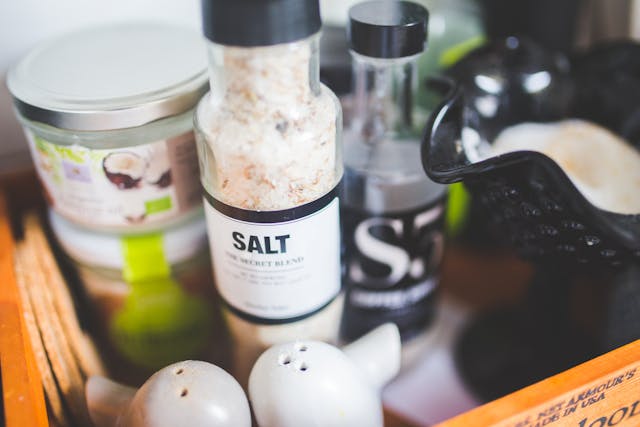
For kidney regeneration, kindly refrain from adding salt

According to findings published in The Journal of Clinical Investigation, a study funded by the NIH and led by USC Stem Cell scientist Janos Peti-Peterdi has uncovered that reducing salt and body fluid intake can stimulate kidney regeneration and repair in mice. This discovery hinges on the activity of a small population of kidney cells in the macula densa (MD) region, which senses salt and regulates essential renal functions like filtration and hormone secretion. Emphasizing the gravity of these findings, Peti-Peterdi, a professor at the Keck School of Medicine of USC, highlighted the global kidney disease epidemic, which affects one in seven adults worldwide, totalling approximately 850 million people, including around 2 million in the Los Angeles area alone. He pointed out the urgent need for effective treatments, as kidney disease often goes unnoticed until irreversible damage occurs, necessitating dialysis or transplantation.

In an innovative shift from traditional research paths, Peti-Peterdi and first author Georgina Gyarmati explored how healthy kidneys evolved rather than why diseased kidneys fail to regenerate. Their evolutionary biology approach traced back to how primitive kidney structures in fish adapted over millennia to the more complex and efficient organs found in birds and mammals, better suited for terrestrial life and enhanced salt and water absorption. This evolutionary insight is pivotal for developing methods to mimic these natural processes to facilitate human kidney repair and regeneration.

The experimental protocol involved feeding lab mice a low-salt diet combined with an ACE inhibitor to reduce salt and fluid levels further, maintained for up to two weeks to avoid health complications associated with prolonged low salt intake. During this period, researchers observed regenerative activities in the MD region, which could be halted by drugs that interfered with MD signalling, underscoring the MD’s essential role in orchestrating kidney regeneration. Further analysis revealed that MD cells in mice shared genetic and structural characteristics with nerve cells, known for their role in organ regeneration, suggesting a similar regenerative mechanism might be present in kidneys.

Delving deeper, the team identified specific genes in MD cells, such as Wnt, NGFR, and CCN1, that responded positively to the low-salt diet, promoting the regeneration of kidney structure and function. To test the therapeutic potential of these findings, the scientists administered CCN1 to mice with a type of chronic kidney disease (CKD) known as focal segmental glomerulosclerosis. They treated them with MD cells cultivated under low-salt conditions. Both treatments were remarkably successful, with the MD cell therapy showing significant improvements in kidney function and structure, likely due to CCN1 and other unidentified factors that may promote kidney regeneration. This success provides reassurance and confidence in the potential of these treatments.

Peti-Peterdi expressed firm conviction in the transformative potential of this new kidney repair and regeneration approach, hopeful it will lead to a robust and innovative therapeutic strategy. This groundbreaking research advances our understanding of kidney physiology. It opens new avenues for treating a disease that impacts millions globally, marking a significant step forward in the quest to cure kidney disease.

More information: Georgina Gyarmati et al, Neuronally differentiated macula densa cells regulate tissue remodeling and regeneration in the kidney, Journal of Clinical Investigation. DOI: 10.1172/JCI174558

Journal information: Journal of Clinical Investigation Provided by Keck School of Medicine of USC

Daily Multivitamin Use Not Linked to Reduced Mortality Risk in Healthy Adults

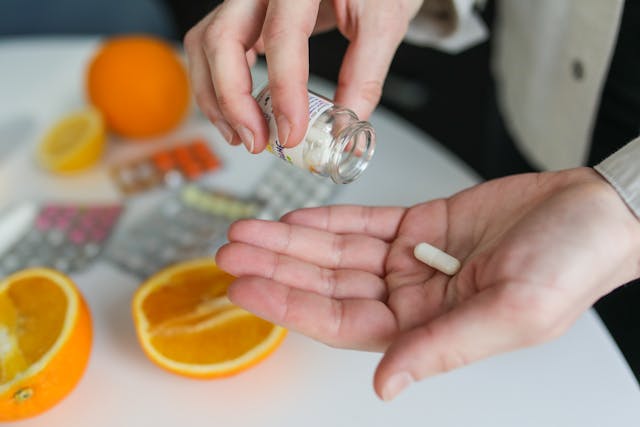
An extensive analysis of data from nearly 400,000 healthy U.S. adults monitored for over two decades reveals no link between regular multivitamin consumption and a decreased risk of death. This research, spearheaded by experts at the National Cancer Institute of the National Institutes of Health, was documented in the June 26, 2024, edition of JAMA Network Open. In the United States, many adults consume multivitamins, hoping to enhance their health. Nonetheless, consistent multivitamin intake’s advantages and disadvantages are still poorlyneed to be better understood. This study’s unique contribution lies in its ability to overcome the limitations of prior investigations into the connection between multivitamin use and mortality rates, which often presented inconsistent outcomes and were constrained by brief follow-up durations.

The current study aimed to thoroughly investigate the correlation between prolonged, regular multivitamin use and overall mortality, as well as deaths linked to cardiovascular diseases and cancer. The researchers utilised data from three extensive, geographically varied prospective studies, which included 390,124 U.S. adults. These participants, who were generally healthy and had no history of cancer or other chronic conditions, were observed for more than 20 years.

Owing to the significant size of the study group, the lengthy follow-up period, and comprehensive details on demographics and lifestyle factors, the researchers could control for potential biases that might have skewed the results of previous studies. For instance, individuals who consume multivitamins regularly lead generally healthier lifestyles, and those suffering from illnesses are more inclined to increase their multivitamin usage.

The findings indicated that daily multivitamin takers did not experience a reduced mortality risk from any cause compared to those who did not use multivitamins at all. There were no observable differences in death rates from cancer, heart disease, or cerebrovascular conditions. These results were adjusted for variables such as race and ethnicity, education, and dietary quality. The researchers underscored the necessity of assessing the relationship between multivitamin use and mortality risk across various populations, including those with known nutritional deficiencies, and the potential effects of habitual multivitamin consumption on other health issues related to ageing, which warrants further investigation.

More information: Erikka Loftfield et al, Multivitamin Use and Mortality Risk in 3 Prospective US Cohorts, JAMA Network Open. DOI: 10.1001/jamanetworkopen.2024.18729

Journal information: JAMA Network Open Provided by NIH / National Cancer Institute

Enhancing Gratitude, Resilience, and Well-being Through Increased Sleep

A forthcoming study set to be presented at the SLEEP 2024 annual meeting reveals that maintaining a healthy sleep routine positively influences gratitude, resilience, and flourishing in adults. The findings indicate that participants experienced less subjective sleepiness and fewer mood disturbances when they went to bed earlier, extending their sleep by an average of 46 minutes nightly. Conversely, later bedtimes, which cut sleep by an average of 37 minutes, had detrimental effects. Notably, indices of flourishing, resilience, and gratitude saw marked improvements over the week when sleep was extended and notable declines with sleep restriction. Additionally, those who benefited from extended sleep documented significantly more entries in their gratitude journals than other study participants.

Principal investigator Michael Scullin, who holds a psychology doctorate and is an associate professor of psychology and neuroscience at Baylor University in Waco, Texas, commented on the broader context. He noted that happiness levels have reportedly declined in the U.S. in recent years, also marked by widespread sleep issues. “Although it is well-established that sleep deprivation exacerbates mental health issues, experimental studies to verify if increasing sleep can enhance positive life aspects such as purpose, hope, and gratitude have been lacking,” Scullin explained.

The study involved 90 adults randomly assigned to different sleep schedules—either later or earlier bedtimes or their usual routine—over a typical workweek, with monitoring via actigraphy. The study assessed changes in transient and enduring feelings of flourishing, resilience, gratitude and practical expressions of gratitude. The adverse effects of insufficient sleep are extensively documented, leading entities like the American Academy of Sleep Medicine and Sleep Research Society to recommend that adults ideally get at least seven hours of sleep per night consistently to support optimal health, productivity, and daytime alertness.

Scullin highlighted that the experimental increase in sleep duration positively impacted these crucial aspects of mental well-being, which are foundational to well-being and contribute to prosocial behaviour. “A subtle increase in sleep duration significantly boosted participants’ gratitude, resilience, and their overall sense of flourishing in life,” he concluded.

More information: Alexander Do et al, Gratitude, Flourishing, and Prosocial Behaviors Following Experimental Sleep Restriction and Sleep Extension, SLEEP. DOI: 10.1093/sleep/zsae067.0184

Journal information: SLEEP Provided by American Academy of Sleep Medicine

Research indicates that orange peel extract could enhance cardiovascular wellness

Research led by the University of Florida suggests that orange peels are vital in improving cardiovascular health. Heart disease stands as the primary cause of death across a broad spectrum of the population in the U.S., a statistic reinforced by the Centers for Disease Control and Prevention. Highlighting the connection between gut health and heart disease, studies have demonstrated that certain gut bacteria, which produce trimethylamine N-oxide (TMAO) from specific nutrients during digestion, contribute to cardiovascular diseases. High levels of TMAO have been linked to an increased risk of such conditions, according to research conducted by the Cleveland Clinic.

With the support of a $500,000 grant from the USDA, Yu Wang and her team explored how extracts from orange peels, which are rich in beneficial phytochemicals, could mitigate the production of TMAO and trimethylamine (TMA). The research focused on both polar and non-polar extracts of orange peels. Wang explained the extraction process by comparing it to the separation seen in salad dressing: substances soluble in water or vinegar form the polar fraction. At the same time, those that align with oil represent the non-polar fraction. The team used solvents that mirrored water and oil’s polarity to extract these substances.

The study’s results were promising, showing that the non-polar fraction of orange peel extracts effectively inhibited the production of harmful chemicals. Moreover, a compound identified as feruloylputrescine in the polar fraction also significantly reduced the enzyme responsible for TMA production activity. Wang, an associate professor of food science and human nutrition at UF/IFAS, highlighted this as a novel discovery that points to the untapped health potentials of feruloylputrescine in reducing cardiovascular disease risks.

The implications of this research are significant, given the vast quantities of orange peels generated annually by the orange juice industry. Nearly 95% of Florida’s oranges are processed for juice, producing around 5 million tons of orange peels yearly. While approximately half of these peels are currently used to feed cattle, the rest are discarded. Yet, the Food and Drug Administration considers natural orange peel extracts safe for human consumption, which presents a substantial opportunity for repurposing this so-called waste.

Wang envisions transforming these orange peels into valuable health-promoting components, such as dietary supplements or food ingredients, thus pioneering the development of functional foods enriched with bioactive compounds. Such initiatives could pave new pathways for managing and preventing cardiovascular diseases, leveraging the natural benefits of what was once considered a mere industrial byproduct. This approach promotes sustainability and advances the potential for new therapeutic strategies to enhance heart health.

More information: Hana Lee et al, Discovery of a Novel Bioactive Compound in Orange Peel Polar Fraction on the Inhibition of Trimethylamine and Trimethylamine N-Oxide through Metabolomics Approaches and In Vitro and In Vivo Assays: Feruloylputrescine Inhibits Trimethylamine via Suppressing cntA/B Enzyme, Journal of Agricultural and Food Chemistry. DOI: 10.1007/s00394-023-03123-x

Journal information: Journal of Agricultural and Food Chemistry Provided by University of Florida