Author Archives: support

Charting the Heart to Avert Damage from Heart Attacks

Researchers at the Victor Chang Cardiac Research Institute in Australia have developed an unprecedented integrated map of heart cells, shedding light on the processes behind cardiac fibrosis—a leading cause of heart failure. This innovative map lays the foundation for the development of precision drugs designed to prevent the scarring damage that occurs after a heart attack. When a heart attack strikes, it causes damage to the heart’s muscles, resulting in scar tissue that lacks the elasticity and contractility of healthy muscle. This permanent damage diminishes the heart’s ability to pump blood efficiently, often leading to heart failure.

Professor Richard Harvey led the study in collaboration with Dr Ralph Patrick and Dr Vaibhao Janbandhu from the institute. Professor Harvey emphasized that the research marks a significant advance in understanding cardiac fibrosis, which is prevalent in various heart diseases, including those exacerbated by high blood pressure. He pointed out the considerable investments in finding new drugs to control cardiac fibrosis, which have been mainly unsuccessful, underscoring the urgent need for innovative treatments capable of halting or even reversing this condition.

Professor Harvey explained that while fibrosis is a natural healing process of the body, in the heart, it can become excessive due to unresolved disease triggers, leading to scarring that severely impairs heart function and becomes a primary cause of heart failure. The team employed state-of-the-art technology to analyze gene expression in single cells. This allowed them to delineate the progression of cellular states involved in cardiac fibrosis and how these evolve. Their methodology involved analyzing RNA signatures from 100,000 individual cells, focusing on those involved in fibrosis, and integrating this data with findings from various pioneering studies on different heart conditions.

This comprehensive approach enabled the creation of an intricate cellular map of a mouse model heart, pinpointing cells and pathways that play roles in fibrosis. The researchers identified various cellular states, including resting, activated, inflammatory, and progenitor cells, as well as dividing cells and specialized cells known as myofibroblasts and matrifibrocytes. They discovered that myofibroblasts, which are absent in healthy hearts but are believed to drive scarring, begin to form three days after a heart attack, peaking on the fifth day and then transitioning into matrifibrocytes, which potentially hinder the scar’s resolution.

The findings, published in Science Advances, also explored heart disease models such as heart failure induced by conditions like hypertension due to aortic stenosis. Dr Janbandhu noted a surprising similarity in the progression of fibrosis across different types of heart diseases, with myofibroblasts appearing early on during hypertension and then transitioning into matrifibrocytes, similar to their behaviour after a heart attack. This discovery opens the doors to future therapies that could target specific cell types or processes across various heart conditions, offering hope for preventing permanent damage to healthy cells and improving patient outcomes.

The study, which utilized data from both mouse models and human patients, indicates that heart failure in humans can evolve over decades. This underscores the importance of regular monitoring and effective management of blood pressure, a major risk factor for severe heart conditions. Dr Janbandhu’s emphasis on the treatable nature of persistent high blood pressure and the potential to prevent devastating consequences through proactive management should inspire a sense of responsibility and proactivity in the audience.

More information: Ralph Patrick et al, Integration mapping of cardiac fibroblast single-cell transcriptomes elucidates cellular principles of fibrosis in diverse pathologies, Science Advances. DOI: 10.1126/sciadv.adk8501

Journal information: Science Advances Provided by Victor Chang Cardiac Research Institute

Investigating the Strategies for Addressing Market-Driven Epidemics

A definition for market-driven epidemics (MDEs) could significantly alleviate the obstacles faced in timely and effective prevention and mitigation, suggests a study recently released in the open-access journal PLOS Global Public Health. The study’s authors, including Jonathan Quick from the Duke University School of Medicine in the U.S., highlight how certain consumer products contribute to global risk factors for premature deaths across all age groups, costing the global economy trillions of dollars. Despite concerted efforts, reducing mortality related to these products has proven challenging, slow, and frequently unsuccessful. Quick and his team have established a case definition for MDEs to tackle this issue, which occurs when companies intensively market harmful products, deny the associated risks, and obstruct mitigation measures. The paper outlines the application of this definition through the analysis of three MDE products: cigarettes, sugar, and prescription opioids. The researchers map out five phases of MDEs based on the history of these products: market expansion, evidence of harm, corporate resistance, mitigation, and market adaptation.

The study notes a significant decline in the consumption of these products in the U.S. from their consumption peaks to the latest data available: cigarette sales dropped by 82%, sugar consumption decreased by 15%, and prescriptions for prescription opioids went down by 62%. The turning point in consumption for each product was marked by convincing evidence of harm, professional concern, and significant public health advocacy or mobilization that countered corporate marketing and resistance efforts. The interval between initial suspicion of damage and consumption tipping point varied from one to five decades, mainly due to the time needed to accumulate adequate evidence of harm. The authors also discuss how market adaptation to the decreased consumption of these products has had both adverse effects, such as the geographical relocation of marketing efforts, and positive impacts, such as consumers moving away from sugar-sweetened beverages.

The authors argue that this is the inaugural comparative analysis of successful efforts to alter the consumption patterns of millions, potentially reducing the adverse health impacts associated with these products. The MDE epidemiological framework proposed by Quick and his colleagues aims to shorten the latent time between the described phases, offering the global health community a novel approach to confronting existing and emerging harmful products and their impacts on health, society, and the economy.

The analysis underscores that while each MDE is unique in terms of the specific product and circumstances, the underlying epidemiology of consumption and health impacts and the milestones of the epidemic should inform public health leaders in combating current MDEs and more rapidly identifying potential future ones. The patterns observed across various MDEs suggest that public health officials, researchers, and civil society can employ these mitigation strategies to save lives and mitigate the effects of ongoing and emerging MDEs.

In their conclusion, the authors emphasize: “The consumption of cigarettes and other harmful products results in millions of deaths and costs the world trillions of dollars annually. Our analysis of U.S. efforts against three such market-driven epidemics shows that lives can be saved through earlier and more definitive actions by public health authorities, researchers, and through public engagement,” asserting that “the consumption patterns of cigarettes and similar products often mimic those of infectious disease epidemics, causing widespread damage before an effective public health intervention is implemented. By recognizing these market-driven epidemics sooner and responding more decisively, we can save numerous lives.”

More information: Eszter Rimányi et al, Dynamics of combatting market-driven epidemics: Insights from U.S. reduction of cigarette, sugar, and prescription opioid consumption, PLOS Global Public Health. DOI: 10.1371/journal.pgph.0003479

Journal information: PLOS Global Public Health Provided by PLOS

Combined Antioxidant Formula Enhances Cognitive Function and Memory in Elderly Mice

The persistent age-related decline in cognitive and muscular function poses a significant challenge in healthcare. With the ageing population, the financial burden of managing cognitive decline and muscle weakness is expected to escalate. Oxidative stress, characterized by cumulative damage from free radicals, is a principal factor in the health deterioration associated with ageing. Antioxidants found in certain foods can neutralize these radicals, reducing cell damage and slowing the pace of age-related decline. When diets lack antioxidants, many turn to supplements that offer similar or even more excellent protection.

A groundbreaking study led by Professor Koji Fukui from the Shibaura Institute of Technology and Dr. Fukka You from Gifu University has shown promising results. Their research, involving the administration of a blended antioxidant supplement to elderly mice, led to significant improvements in spatial cognition, short-term memory, and muscle strength. Published in the ‘Antioxidants in Health and Diseases’ special issue of the International Journal of Molecular Sciences on February 28, 2024, the findings suggest that long-term intake of these supplements could effectively combat the natural oxidation increases due to ageing.

Memory loss, often linked to debilitating diseases like Alzheimer’s, disproportionately affects older individuals. The study’s results indicate that blended antioxidant supplements could potentially prevent memory loss in humans, like the effects observed in mice. Additionally, sarcopenia—an age-related condition that results in progressive muscle strength loss—significantly impacts mobility and can lead to social isolation and increased risk of cognitive disorders. The improvement in muscle strength observed in mice suggests that antioxidant supplements could also mitigate muscle frailty and sarcopenia in humans.

Professor Fukui highlighted the severity of frailty and sarcopenia as substantial issues and potent risk factors for dementia. The potential of supplements to prevent muscle weakness marks a significant advancement, although the exact mechanisms remain unclear. The marketplace offers a variety of antioxidant supplements, and choosing the right one can be a complex decision for consumers. The positive outcomes from this study support the use of blended antioxidant supplements to prevent age-related health decline. Yet, more research is needed to confirm their effectiveness and safety in humans.

It’s also crucial to understand that different antioxidant blends may vary in their effects on the human body, and their application should ideally be based on clinical evidence. The antioxidant blend used in this study, Twendee X, has a composition similar to the commercially available supplement Oxycut®. Professor Fukui advises that while many antioxidant supplements are available, the effects are more significant when multiple types are taken simultaneously rather than individually. However, determining the appropriate types and quantities can be challenging, as consuming excessive amounts of specific vitamins is possible.

Establishing the correct regimen and selecting the right supplement can be confusing for consumers. Future research into individual differences in the effects of antioxidants can help clarify the optimal dosage and composition of these supplements. Over the long term, optimal use of antioxidant supplements could significantly reduce the health declines associated with ageing.

Professor Fukui envisions a future where multi-supplements are tailored to individual needs, eliminating the concerns about overdosing. This approach would not only ensure safety but also enhance the efficacy of supplements in combating age-related decline. As research progresses, such tailored solutions could become a cornerstone in managing health in older adults, potentially transforming the landscape of age-related healthcare.

More information: Koji Fukui et al, A Blended Vitamin Supplement Improves Spatial Cognitive and Short-Term Memory in Aged Mice, International Journal of Molecular Sciences. DOI: 10.3390/ijms25052804

Journal information: International Journal of Molecular Sciences Provided by Shibaura Institute of Technology

What Processes Does the Brain Use to Make Decisions?

Scientists have unveiled significant insights into the communication between neurons during decision-making processes and the strengthening of neural connections that reinforce choices. Conducted on mice and spearheaded by neuroscientists from Harvard Medical School, this pioneering study employed a mix of structural, functional, and behavioural analyses to delve into how neuron-to-neuron connections underpin decision-making. Published on February 21 in Nature, the findings mark a crucial step in understanding the complex neural interactions that facilitate decision-making.

The study was co-authored by Wei-Chung Allen Lee, Christopher Harvey, and Stefano Panzeri. Lee noted the importance of unravelling the brain’s organizational structure in decision-making, which needs better understood. In their experiments, mice navigating a maze had to choose directions to locate rewards, revealing that decisions to turn left or right triggered sequences of neuron activations, suppressing neurons associated with the alternative direction. This specific interaction between neuron groups is pivotal in shaping decisions by deactivating alternative pathways.

The genesis of this research was an unexpected collaboration between Lee and Harvey, forged during a fire drill. This partnership combined Lee’s expertise in connectomics, which maps neural connections, with Harvey’s background in behavioural studies using virtual reality mazes to track decision-making in mice. This interdisciplinary approach allowed them to explore the complex roles and connectivity of various neuron types involved in decision-making processes.

Their focus was the posterior parietal cortex, described by Lee as an “integrative hub” that processes multisensory information to aid decision-making. The study sought to identify simple connectivity rules that the brain might use to facilitate decisions. Harvey’s lab recorded neural activities as mice navigated a virtual reality T-shaped maze, while Lee’s lab mapped the structural connections among the same neurons using advanced microscopy techniques.

The researchers successfully differentiated between excitatory neurons, which activate other neurons, and inhibitory neurons, which suppress activity. They found that when a mouse decided to turn right, specific excitatory neurons were activated, which stimulated inhibitory neurons that reduced activity in the neurons associated with turning left and vice versa. Lee suggested that this neural circuitry could help stabilize decisions by suppressing choices, a mechanism that might be conserved across species, though further confirmation in humans is needed.

The team is eager to explore neuronal connections in other brain regions involved in decision-making. Their ongoing work aims to uncover more connectivity rules that could further elucidate the complex processes through which the brain makes decisions, hoping to build a broader understanding of neural dynamics in maritime and other types of decision-making.

More information: Aaron T. Kuan et al, Synaptic wiring motifs in posterior parietal cortex support decision-making, Nature. DOI: 10.1038/s41586-024-07088-7

Journal information: Nature Provided by Harvard Medical School

Research Reveals Cuffless Blood Pressure Monitor Improves and Simplifies Hypertension Control

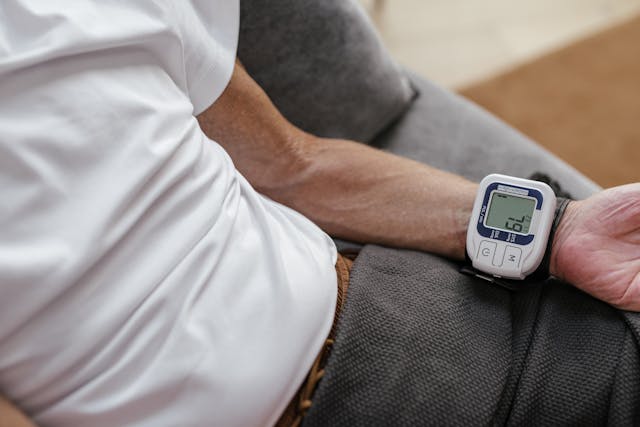
A researcher from Brigham and Women’s Hospital’s recent study evaluated an innovative cuffless device that measures blood pressure at the wrist, providing hundreds of readings over several days to assist in cardiovascular risk evaluation and hypertension management. Globally, high blood pressure is the leading cause of death, affecting one in every two adults, yet only a quarter of those with hypertension have their condition under control. This underscores the critical need for new strategies for managing blood pressure effectively. The study, undertaken at Brigham and Women’s Hospital—a key institution within the Mass General Brigham healthcare system—explored the benefits of a cuffless blood pressure monitor that uses optical sensors to continuously and unobtrusively record readings. Published in Frontiers in Medicine, the research highlights significant advancements in diagnosing and managing hypertension facilitated by the adoption of cuffless technology.

Dr. Naomi Fisher of the Division of Endocrinology, Diabetes, and Hypertension at Brigham and Women’s Hospital and the study’s corresponding author emphasized the practicality of cuffless devices. She noted that these devices enable easy and reliable blood pressure monitoring outside the traditional clinical setting, potentially revolutionizing hypertension management by providing many more readings, both day and night. This increased frequency helps confirm hypertension diagnoses and guide medication adjustments more accurately. Medical guidelines increasingly support at-home blood pressure monitoring for a more accurate hypertension diagnosis and management. This shift is because blood pressure readings taken in a clinical setting can often be inaccurate; for example, some patients experience ‘white coat hypertension’ where their blood pressure spikes in medical settings, while others may have ‘masked hypertension,’ showing regular readings in a clinic but elevated levels at home.

Time-in-Target-Range (TTR), which reflects how often a patient’s blood pressure stays within the normal range, is emerging as a vital metric for assessing cardiovascular health. However, achieving an accurate TTR requires more frequent blood pressure readings than possible with conventional cuffs, which can be cumbersome and uncomfortable—in collaboration with colleagues from Aktiia SA, a Swiss biotech company, Dr Fisher analyzed over 2.2 million blood pressure readings from 5,189 participants across Europe and the UK using a cuffless wrist monitor developed by Aktiia. This device collected an average of 29 readings per day, significantly more than the four daily readings usually recommended, totalling an average of 434 readings per participant over 15 days.

By assessing TTR over these 15 days, researchers could stratify participants by the percentage of readings within the target range and compare these classifications to those derived from traditional monitoring methods. They discovered that conventional methods often misclassified between 26 and 45 per cent of subjects, whereas continuous monitoring for seven days could achieve over 90 per cent accuracy in risk classification. This level of frequency and accuracy in monitoring can primarily be achieved through cuffless technology.

Despite the promising results, the Aktiia device has yet to be approved by the U.S. Food and Drug Administration. Still, it has undergone multiple validations and is available over the counter in Europe and the UK. Efforts to evaluate and establish standards for such devices in the U.S. are ongoing. Dr. Fisher asserts that cuffless devices could fundamentally alter the landscape of blood pressure monitoring and hypertension management. By facilitating continuous, out-of-office blood pressure readings and leveraging this data to assess time-in-target range, cuffless devices show immense promise as predictors of cardiovascular risk, signalling a significant shift in the paradigm of blood pressure monitoring.

More information: Naomi D. L. Fisher et al, Optimizing time-in-target-range assessment for blood pressure: insights from a large-scale study with continual cuffless monitoring, Frontiers in Medicine. DOI: 10.3389/fmed.2024.1396962

Journal information: Frontiers in Medicine Provided by Brigham and Women’s Hospital

Brain Imaging Links on MRI Indicate Progression of Parkinson’s Disease

A study recently published in the journal Radiology by the Radiological Society of North America (RSNA) reveals that MRI images illustrating the brain’s structural and functional layout can forecast the progression of brain atrophy in individuals diagnosed with early-stage, mild Parkinson’s disease.

Parkinson’s disease is a neurodegenerative disorder identified by symptoms such as tremors, slow movements, or stiffness. These symptoms tend to worsen over time and may expand to include cognitive decline and sleep disturbances. Over 8.5 million people globally suffer from this condition, which has doubled over the last quarter-century, data from the World Health Organization (WHO) indicates.

A notable hallmark of Parkinson’s disease is the accumulation of abnormal alpha-synuclein protein variants within the brain. Under normal conditions, this protein exists benignly in the brain. Still, malfunctions in Parkinson’s misfold into aggregates that gather inside nerve cells, forming what are known as Lewy bodies and Lewy neurites. These aggregates further propagate throughout the brain, impairing nerve function.

The research team sought to determine whether visualising the structural and functional networks across the brain, using connectome maps derived from MRI scans, could predict the pattern of atrophy progression in patients with mild Parkinson’s disease. To this end, they analysed MRI data from 86 patients with mild Parkinson’s and 60 healthy controls to create these connectomes, subsequently developing an index to measure disease exposure.

The study found significant correlations between disease exposure at one and two years and brain atrophy at two and three years post-initial assessment. Models that included disease exposure effectively forecasted the accumulation of grey matter atrophy over three years in several brain regions.

Dr Federica Agosta, M.D., PhD, an associate professor of neurology at the Neuroimaging Research Unit of IRCCS San Raffaele Scientific Institute in Milan, Italy, and co-author of the study, remarked on the significance of these findings. She highlighted that the brain’s connectome, encompassing structural and functional aspects, demonstrated potential in predicting the progression of grey matter alterations in patients with mild Parkinson’s disease.

Dr Agosta further explained that neuron deterioration and the build-up of abnormal proteins could interfere with neural connections, hindering the transmission of neural signals and information integration across different brain areas. The study underscores the importance of MRI in intervention trials aimed at halting or slowing down the progression of the disease, particularly when tailored to individual patient data.

As the progression of Parkinson’s disease varies among patients, future research models should account for individual-specific starting conditions and incorporate personalised data to enhance their predictive accuracy. Dr. Agosta concluded by stressing the critical goal in neuroscience of understanding the brain’s network dynamics through the study of the human connectome, aspiring to identify new biomarkers that could influence the progression of Parkinson’s disease.

More information: Silvia Basaia et al, Brain Connectivity Networks Constructed Using MRI for Predicting Patterns of Atrophy Progression in Parkinson Disease, Radiology. DOI: 10.1148/radiol.232454

Journal information: Radiology Provided by Radiological Society of North America

Knitting fosters tranquility and order in the lives of individuals with mental health challenges

Research from the University of Gothenburg has identified knitting as a beneficial activity for individuals managing mental health conditions, presenting it as a means to instil calm and introduce structure into their lives. The popularity of knitting has surged recently, further evidenced by hand-knitted items being named the Christmas gift of the year in Sweden in 2022. This surge in interest supports the broader research narrative that knitting enhances personal health and enriches the quality of life, aligning with cultural trends that embrace craft and mindfulness.

The study, published in the Journal of Occupational Science, was led by Joanna Nordstrand, an occupational therapist and PhD candidate at the University of Gothenburg. Nordstrand, who also knits in her free time, suggests that knitting is more than a hobby; it is a therapeutic endeavour that helps individuals cope with life’s challenges and improves mental health. Her findings are based on analyses of 600 posts from Ravelry, an international online fibre arts forum where individuals share their experiences and discuss their hobbies.

The research identified three main ways knitting aids in mental health: it provides a relaxing escape, offers a sense of identity and community among knitters, and introduces a structured routine to the daily lives of those involved. These elements collectively contribute to significant improvements in mental health, making knitting a valuable, low-stakes social context for many.

Participants in the study expressed profound appreciation for knitting, noting it as an occupation that provides immediate relaxation and mental clarity and contributes to long-term health benefits. Some described how knitting helped clarify their thoughts, making mental processes more accessible to manage. The engagement in knitting during stressful times, such as waiting in hospital rooms or managing anxiety, was frequently highlighted as more beneficial than traditional medical interventions like medication.

Nordstrand and her fellow researchers advocate for recognising knitting’s therapeutic potential within the health system. They emphasise that occupational therapy aims to facilitate manageable and fulfilling daily lives, and the simple act of knitting with needles and yarn could be an underutilised tool in achieving this goal. The personal anecdotes from the study underline knitting’s role as a powerful alternative to more conventional therapeutic practices, offering immediate and enduring mental health advantages.

More information: Joanna Nordstrand et al, Promoting health through yarncraft: Experiences of an online knitting group living with mental illness, Journal of Occupational Science. DOI: 10.1080/14427591.2023.2292281

Journal information: Journal of Occupational Science Provided by University of Gothenburg

Palliative Care is Often Overlooked in Nursing Home Settings

Palliative care, which focuses on alleviating symptoms and reducing the stress of serious illnesses, remains significantly underutilised in nursing homes despite the high prevalence of conditions such as cancer, dementia, Parkinson’s disease, heart failure, and chronic obstructive pulmonary disease among residents. A qualitative study published in the Journal of the American Geriatrics Society explores the inadequate use of palliative care referrals in these settings and offers strategies to address this gap. The research reviews existing referral patterns and proposes a robust framework to enhance palliative care referrals in nursing homes.

It is crucial to note that palliative care is broader than hospice care and can be provided to individuals at any stage of a severe illness, often in conjunction with other treatments. The extent of palliative care required can vary depending on the individual needs of nursing home residents. Some may need just a single consultation to adjust medications and develop a care plan, while others with persistent symptoms or frequent changes in their condition may require ongoing support.

Kathleen Unroe, M.D., MHA, co-author of the study and a research scientist at the Regenstrief Institute, emphasised the importance of palliative care in these facilities. She noted that while palliative care is essential for residents with advanced diseases, especially those with advanced dementia, it is not uniformly available across all U.S. nursing homes. The availability of non-hospice palliative care is particularly scarce, often depending on geographic location.

Dr. Unroe, an associate professor of medicine at the Indiana University School of Medicine – Indianapolis, pointed out that primary care providers in nursing homes are capable of delivering substantial supportive care. However, there are instances where the expertise of palliative care consultants is crucial for providing specialised care. Despite the clear need, the implementation of palliative care services is fraught with challenges, though it is successfully being integrated in some facilities and regions. The study aims to gather insights from professionals in the field to develop best practice models and establish standard care protocols.

The researchers stress the need for nursing home staff to be aware of and trained in palliative care to identify residents needing such services effectively. They propose exploring five key areas to pinpoint residents with unmet palliative care needs. Dr Unroe highlighted the need for innovative solutions to provide palliative care training to frontline staff and primary care providers, thus ensuring that residents’ complex care needs are met. Furthermore, systematic processes must be established to identify those requiring a higher level of specialised palliative care.

The team continues to evaluate current practices and develop new evidence-based tools and models to enhance and standardise palliative care in nursing homes. Creating scalable models that can be broadly implemented aims to ensure all nursing home residents have equitable access to palliative care. Connie S. Cole, PhD, DNP, from the University of Colorado and the study’s lead author, emphasised the importance of implementing standardised referral criteria to facilitate equitable access to palliative care. She also stressed the value of educating residents and their families about palliative care, enabling them to make informed decisions about their care preferences.

More information: Connie S. Cole et al, Palliative care in nursing homes: A qualitative study on referral criteria and implications for research and practice, Journal of the American Geriatrics Society. DOI: 10.1111/jgs.18938

Journal information: Journal of the American Geriatrics Society Provided by Regenstrief Institute

Can Your Choice of Workstation Impact Your Health and Productivity?

While it might seem hyperbolic to claim that “sitting is the new smoking,” extensive research supports that sedentary individuals encounter more health issues compared to those who are more active. Office employees who spend the majority of their eight-hour days seated are more likely to experience problems such as daytime fatigue, hypertension, and musculoskeletal pain than their more active peers. Although tools like standing desks have proven effective in reducing these physical ailments and enhancing productivity, the optimal type of workstation—whether stand-biased, sit-stand, or traditional—for promoting physical activity and preventing health issues remains unclear.

A team led by Tricia Lynn Salzar, DrPH, Kaysey Aguilar, PhD, and colleagues from the Texas A&M University School of Public Health conducted an in-depth study to address these uncertainties. They monitored the computer usage and activity levels of 61 office workers over ten days to assess discomfort and develop potential remedies. Published in the IISE Transactions on Occupational Ergonomics and Human Factors, their research stands out for using computer utilization as a marker of work productivity across different workstation types.

The study involved 79 full-time adult office workers at a major university, monitored from 2019 to 2020. Participants were divided into three groups according to the type of workstation used: stand-biased, sit-stand, or traditional, with the latter serving as the control group. Stand-biased workstations typically feature a fixed surface at standing elbow height. They may include a drafting stool or chair with an extended cylinder, whereas sit-stand workstations consist of desktop units or those with a fully adjustable height surface paired with a standard office chair.

Researchers collected various data, including demographic information, how participants utilized office accessories like footrests, monitor arms, and keyboard trays, and the duration of standing at their workstations. They also gathered feedback on discomfort in various body areas, such as the neck, back, and shoulders. Computer usage was monitored through hidden data-logging software to measure productivity. At the same time, physical activity was tracked using an activity sensor that quantified activity levels and energy expenditures throughout a workweek.

The analysis revealed no significant differences in keystrokes among the groups, but the stand-biased group reported a higher word count and more errors than the traditional group. Furthermore, 24-hour activity data showed that the stand-biased group spent more time standing and less time sitting and transitioned less frequently per hour compared to their traditional counterparts. Regarding discomfort, 65 per cent of all participants reported neck issues, and 80 per cent of those at conventional workstations experienced lower back pain, compared to 51.7 per cent in the stand-biased group.

Concluding the study, Aguilar highlighted, “The risk of health problems from sedentary work can be mitigated through alternative desk options such as sit-stand or stand-biased workstations. These solutions not only promote better health but also support the high productivity levels that employers expect.” This reassurance about the potential benefits of these alternative workstations instils confidence in their effectiveness.

More information: Tricia Lynn Salzar et al, Stand-Capable Workstations Reduce Occupational Sedentary Time Among Administrative Workers, IISE Transactions on Occupational Ergonomics and Human Factors. DOI: 10.1080/24725838.2024.2362720

Journal information: IISE Transactions on Occupational Ergonomics and Human Factors Provided by Texas A&M University

Increasing Health Equity Through the Inclusion of Nursing Home Residents in Clinical Trials

Clinical trials are essential for determining the safety and effectiveness of medical treatments and therapies, yet participant diversity is a significant gap. Notably, the 1.4 million individuals residing in the 15,600 nursing homes across the U.S. are often excluded from these studies despite the high prevalence of conditions like hypertension, depression, diabetes, and Alzheimer’s disease among them. This oversight is highlighted in a commentary by faculty from the Regenstrief Institute, Indiana University, UCLA, and the universities of North Carolina, Colorado, and Massachusetts, published in the Journal of the American Geriatrics Society (JAGS). The article emphasizes the necessity of including nursing home residents in clinical trials due to their medical complexity, offering significant challenges and unique insights into medical research.

The authors discuss the advantages of conducting research within nursing home settings and outline the essential components for successful clinical trials. They advocate for creating a dedicated nursing home clinical trials network and stress the importance of incorporating diversity, equity, and inclusion principles into trial designs. Corresponding author Kathleen Unroe, M.D., MHA, M.S., a researcher-clinician at the Regenstrief Institute and IU School of Medicine, poses critical questions about the appropriateness and implementation of therapies in nursing homes. She highlights the logistical challenges and the necessity for researchers to adapt their approaches to fit the realities of clinical care in these settings, which were not originally designed to facilitate research.

The commentary addresses several pressing concerns regarding clinical trials in nursing homes, emphasizing the urgent need for such studies. The authors propose a comprehensive framework for establishing a nursing home clinical trials network, which could significantly enhance the quality of medical care provided in these facilities.

Susan Hickman, PhD, another co-author and director of the Regenstrief Institute’s Center for Aging Research, notes nursing home care’s unique aspects, including testing, prevention, diagnosis, and treatment. She calls for a greater focus on this critical area within the healthcare continuum, given its essential role in caring for seriously ill adults. The commentary also touches on missed opportunities, such as excluding nursing home residents from COVID-19 therapeutic trials, which could have identified specific challenges related to dosing, administration, and monitoring.

The authors lament the missed opportunities in not including nursing home residents in past trials, such as those for COVID-19 therapeutics. This exclusion could have identified specific dosing, administration, and monitoring issues. Such findings could have spurred the creation of training materials specifically for nursing home staff and promoted the development of consistent policies to identify appropriate candidates and deliver treatments promptly, safely, and optimally.

Dr. Unroe concludes by emphasizing that nursing home residents should have access to evidence-based therapies. When the complexities of conducting trials in such settings are ignored, the result is often a more complex implementation phase. Trials conducted in nursing homes benefit the residents and generate knowledge relevant to the broader senior population, including those in assisted living facilities and those at home. This broad approach to clinical trials is pivotal for transforming care across the entire spectrum of senior healthcare.

More information: Kathleen T. Unroe et al, Evaluation of medical therapies in the nursing home population: Gaps, challenges, and next steps, Journal of the American Geriatrics Society. DOI: 10.1111/jgs.18829

Journal information: Journal of the American Geriatrics Society Provided by Regenstrief Institute

Our Minds Are Wired to Learn from Those We Admire

Memory plays an essential role in our ability to learn from new experiences and refine our existing knowledge base. We learn from individual events and synthesize these experiences to form new interpretations of our environment. This capability to conclude phenomena beyond our direct experiences is known as memory integration, which enhances learning speed and adaptability. Inês Bramão, an associate professor of psychology at Lund University, provides a practical example of memory integration: Imagine strolling through a park and observing a man with a dog. Later, you see the same dog with a woman in the city. Instinctively, your brain might connect these two individuals as a couple despite never having seen them together. Bramão notes, “Drawing such inferences is both adaptive and beneficial, but there’s always the possibility that our brain might make inaccurate assumptions or exhibit selective memory.”

The source of information significantly influences the effectiveness of memory integration. In experiments conducted by Inês Bramão and her colleagues Marius Boeltzig and Mikael Johansson, participants were tasked with remembering and connecting various objects like bowls, balls, spoons, and scissors. It was found that memory integration was facilitated when the information was presented by someone the participants liked as opposed to someone they disliked. Participants defined ‘like’ and ‘dislike’ based on various factors including political beliefs, academic majors, dietary preferences, and personal interests. This underscores the role of our personal biases in how effectively we integrate and recall information, prompting us to be more introspective and self-aware in our memory processes.

This phenomenon has practical implications, particularly in the political realm, as illustrated by Bramão with a hypothetical example: A political party advocates for raising taxes to improve healthcare services. If an individual who supports this party visits a healthcare facility and notices improvements, they might attribute these enhancements to the tax increase, even if different factors caused them. This tendency to connect information based on pre-existing biases underscores the significant influence of source credibility and personal alignment with the information presenter. It also highlights the need to be cautious and discerning in evaluating the credibility of our information sources.

The broader body of research, as explained by Mikael Johansson, professor of psychology at Lund University, indicates that people process information differently depending on the source. This has profound implications for understanding how fundamental memory processes shape polarization and knowledge resistance. Johansson states, “Our research shows how significant phenomena like polarization can partly be traced back to fundamental principles that govern how our memory works. We are more inclined to form new connections and update our knowledge from information presented by groups we favor, which often align with our pre-existing beliefs and ideas, potentially reinforcing polarized viewpoints.”

Understanding the roots of polarization and resistance to new knowledge through essential brain functions offers a deeper insight into these complex behaviours. It’s not just about social media echo chambers but also about an innate way of processing information that emphasizes how differently we integrate information depending on who is presenting it. This aspect of human cognition highlights the challenges in combating misinformation and the importance of diverse and trustworthy information sources.

Mikael Johansson further elaborates on the real-world implications of these findings: “Particularly striking is that we integrate information differently depending on the source, even when the information is completely neutral. In real life, where information often triggers stronger reactions, these effects could be even more prominent.” This observation suggests that understanding and addressing the cognitive biases that influence how we process and integrate information is crucial for fostering more informed and balanced perspectives in our increasingly polarized society.

More information: Marius Boeltzig et al, Ingroup sources enhance associative inference, Communications Psychology. DOI: 10.1038/s44271-023-00043-8

Journal information: Communications Psychology Provided by Lund University

How Do Our Brains Function During Planning?

When we pause to contemplate before making a significant choice, we often envisage various potential outcomes from our options. This “mental simulation” process is fundamental to our everyday decision-making and planning, yet the underlying brain functions remain largely elusive.

International researchers have recently made significant strides in identifying the neural processes involved in planning. Their findings, detailed in Nature Neuroscience, significantly contribute to our understanding of decision-making. They indicate a dynamic interaction between the brain’s prefrontal cortex and hippocampus, enabling us to foresee and evaluate future possibilities to inform our decisions better.

Marcelo Mattar, an assistant professor at New York University’s Department of Psychology and co-author of the study, describes the prefrontal cortex as functioning akin to a ‘simulator’. It mentally explores various scenarios utilising a cognitive map held within the hippocampus. According to Mattar, this investigation highlights the intricate neural and cognitive frameworks underpinning planning, a critical aspect of intelligence in both humans and animals. Enhancing our understanding of these mechanisms could have profound implications for treating conditions that impair decision-making capabilities, offering hope for those affected.

The prefrontal cortex and hippocampus play crucial roles in planning and memory. However, their exact contributions to deliberative decision-making, where careful consideration is required before action, still need to be fully understood.

To probe these neural underpinnings further, Mattar, along with Kristopher Jensen, a computational neuroscientist at University College London, and Guillaume Hennequin, a professor at the University of Cambridge, developed a computational model to simulate brain activity during the planning process. Their collaborative effort, a recurrent neural network (RNN) that adapts based on incoming data, incorporates established theories of planning and introduces complex new elements, such as ‘imagined actions’. This approach is akin to a chess player contemplating a series of moves before deciding, thereby encapsulating how decision-making typically involves assessing the repercussions of various options.

The team validated their model through experiments with humans and laboratory rats, assessing its predictive accuracy against actual behavioural and neural data. They designed a novel experiment in which humans navigated a virtual maze on a computer screen, measuring the time they took to contemplate each move. They compared these findings with neural recordings from rats navigating a similarly configured physical maze, aligning human and animal data to draw comprehensive insights from both.

The results confirmed the validity of the computational model, illustrating a complex interaction between the prefrontal cortex and hippocampus during planning. In human subjects, increased brain activity was observed when participants took longer to consider their moves through the maze. Similarly, the neural responses of rats traversing the maze mirrored the model’s predictions.

Mattar notes that this research sheds light on the brain circuits that allow us to reflect before acting and provides a novel methodological approach by aligning tasks across human and animal studies and computational models. This innovative methodology offers a robust framework for gaining deeper insights into behaviour, reinforcing foundational knowledge about strategic decisions.

More information: Kristopher T. Jensen et al, A recurrent network model of planning explains hippocampal replay and human behavior, Nature Neuroscience. DOI: 10.1038/s41593-024-01675-7

Journal information: Nature Neuroscience Provided by New York University