Monthly Archives: May 2026

Redesigning Hospitals for an Ageing Population

Public hospitals play a vital role in caring for aging populations, yet many operate under financial strain and limited resources. As populations grow older, these pressures can intensify existing imbalances in healthcare access and resource distribution. In Japan, where the pace of population aging varies considerably across regions, these demographic shifts have contributed to unequal access to healthcare services for older adults.

Previous research has suggested that restructuring public hospitals may help address mismatches in healthcare resources, particularly because public institutions are generally better positioned than private hospitals to adapt to regional healthcare needs. However, much of the existing work has relied on qualitative analysis, leaving limited quantitative evidence about how such reforms affect local healthcare systems. Motivated by this gap, researchers at Kyoto University investigated how public hospital restructuring influenced hospital admissions among older adults in Japan.

“Many countries have reformed public hospitals to reduce resource imbalances, but there is limited information on the impact this has on communities and the regional healthcare system,” says first author Kenji Kishimoto.

The researchers focused on a secondary medical service area in Japan experiencing both population aging and population decline. Prior to restructuring, more than half of elderly residents requiring hospitalisation were admitted to facilities outside the region because local hospitals lacked sufficient acute care capacity. The reforms centralised acute care services, reduced the total number of hospital beds while increasing chronic care beds, and expanded the number of physicians working in the area.

Using administrative claims data and statistical modelling, the team analysed monthly hospital admissions among residents aged 65 and older from 36 months before to 48 months after the restructuring. The dataset covered nearly 59,000 hospital admissions. Researchers also incorporated hospital admissions in neighbouring regions to better account for broader healthcare trends and regional shifts in service use.

The findings showed that monthly admissions within the region increased substantially following the restructuring, eventually reaching levels comparable to admissions occurring outside the area. The results suggest that reorganising public hospitals strengthened local capacity for elderly admissions while improving the efficiency of bed management, even though the total number of hospital beds declined overall.

The study underscores the importance of evaluating community-level hospital admissions when assessing the effects of public hospital restructuring. The researchers note that future studies could further explore how these reforms influence patient-centred outcomes, including quality of care, while also examining factors such as healthcare accessibility and socioeconomic conditions.

More information: Kenji Kishimoto et al, Impact of public hospital restructuring on the admission of elderly residents in Japan: a regional population-based study, BMC Health Services Research. DOI: 10.1186/s12913-026-14388-3

Journal information: BMC Health Services Research Provided by Kyoto University

More Than an Energy Drink: National Study Shows Kratom Use Is Increasing

A national study examining kratom use in the United States has found that the substance is becoming increasingly popular, particularly among young adults, while also being strongly associated with addiction and mental health problems. The research, conducted by investigators at the University of Michigan and Texas State University, is believed to be the first nationwide analysis to explore both patterns of kratom use and its links to substance use disorders and psychological distress. The findings were published in the Journal of Addiction Medicine.

Kratom is a plant native to Southeast Asia that is sold in the United States in a variety of forms, including powders, capsules, teas and concentrated liquid shots. Supporters often describe it as a natural remedy that may help manage pain, anxiety or opioid withdrawal symptoms. At the same time, critics warn that it can be addictive and is too easily accessible, including to minors. Researchers said the rapidly shifting legal and regulatory landscape surrounding kratom in the U.S. made it especially important to conduct a large-scale national study using recent data. Sean Esteban McCabe, Carol J. Boyd Collegiate Professor in the University of Michigan School of Nursing and the study’s principal investigator, said policymakers and health professionals urgently need clearer information about who is using kratom and the potential risks associated with it.

The study estimated that more than five million people in the United States have used kratom at least once in their lifetime. That figure includes more than 100,000 children between the ages of 12 and 17. Researchers also found that kratom use has reached its highest recorded level in the country, despite the fact that roughly half of U.S. states either ban the substance outright or regulate its sale and distribution. Adults aged 21 to 34 reported the highest rates of use, with approximately 3.4% saying they had tried kratom at least once and about 1% reporting use within the previous year. According to the study, the proportion of Americans aged 12 and older who reported ever using kratom rose from 1.6% in 2021 to 1.9% in 2024.

The research also identified strong associations between kratom use and other health concerns. Most individuals who currently use or have previously used kratom met the criteria for a substance use disorder, and many also reported cannabis use, major depression or serious psychological distress. The findings, researchers said, highlight the need for improved addiction treatment and mental health services, while also reinforcing calls for stronger measures to restrict youth access to kratom products. McCabe argued that if policymakers are serious about protecting children, more consistent regulations governing kratom and related products are needed across all states.

Federal agencies in the United States have repeatedly expressed concern about the safety of kratom. The U.S. Food and Drug Administration has not approved kratom for any medical use and has warned consumers about risks that may include addiction and serious side effects. Meanwhile, the U.S. Drug Enforcement Administration has listed kratom as a drug or chemical of concern. Researchers also pointed to the growing popularity of products containing 7-hydroxymitragynine, often called 7-OH, a synthetic derivative associated with the kratom plant. These products, sold in gas stations, smoke shops and online retailers, are sometimes marketed as “legal morphine” and can reportedly be five to 50 times more potent than traditional kratom.

Despite the concerning findings, the researchers stressed that the study does not prove that kratom directly causes addiction or mental health disorders. Because the data were collected at a single point in time, the study cannot determine whether kratom use preceded psychological symptoms or whether people experiencing mental health difficulties were more likely to use kratom. McCabe also noted that kratom use may be underreported in medical and clinical settings because it does not appear on standard drug screening tests and instead requires specialised testing. Combined with the patchwork of regulations across the United States, this lack of consistent monitoring continues to complicate public health responses and policy decisions surrounding the increasingly popular substance.

More information: Sean Esteban McCabe et al, Kratom Use and Associations With Mental Health in the United States, Journal of Addiction Medicine. DOI: 10.1097/ADM.0000000000001701

Journal information: Journal of Addiction Medicine Provided by University of Michigan

Spending Time Outdoors Linked to Higher Life Satisfaction

A major international study has found that spending time in nature is linked to greater life satisfaction, with positive feelings about one’s body playing a key role in explaining this connection.

Published in the journal Environment International, the study analysed responses from more than 50,000 people aged between 18 and 99 across 58 countries, making it the largest multinational investigation of its kind.

Researchers have long known that contact with nature can benefit mental wellbeing, although the psychological processes behind these effects have remained unclear. The new research suggests that nature exposure helps people develop a more positive body image, and that this stronger sense of “body appreciation” contributes to improved life satisfaction. Importantly, the findings were consistent across different ages and gender identities.

The study was led by Viren Swami, Professor of Social Psychology at Anglia Ruskin University. According to the researchers, one explanation lies in the relationship between nature and self-compassion. Natural settings appear to encourage a state psychologists refer to as “cognitive quiet”, where attention is gently engaged without mental strain. The calming sights and sounds of nature may help people become kinder towards themselves, which in turn is linked to more positive feelings about their bodies and higher life satisfaction.

A second pathway identified in the study relates to the restorative effects of nature. Urban environments often demand constant concentration because of traffic, crowds and noise, which can contribute to mental fatigue. In contrast, natural spaces encourage reflection and mindful thinking, allowing the brain to recover from stress and overstimulation. The researchers found that this sense of restoration was also associated with greater body appreciation and, ultimately, improved life satisfaction.

Professor Swami said the findings highlight an important way in which time spent outdoors may enhance wellbeing. He noted that stronger self-compassion and feelings of restoration were both closely linked to more positive body image and greater life satisfaction. He also said it was striking how consistent the findings were across countries, age groups and gender identities, suggesting that the relationship between nature, body appreciation and wellbeing may reflect deeply rooted aspects of human psychology. The researchers added that the study reinforces the value of natural environments as accessible public health resources and highlights the importance of using scientific evidence to guide urban planning, education and health policy decisions.

More information: Viren Swami et al, Positive body image is a pathway between nature contact and life satisfaction across 58 nations, Environment International. DOI: 10.1016/j.envint.2026.110277

Journal information: Environment International Provided by Anglia Ruskin University

Exercise Could Play a Key Role in Helping People Stop Smoking

Exercise could provide smokers with a simple and accessible extra tool to help them quit, according to a new systematic review led by researchers from the Alliance for Research in Exercise, Nutrition and Activity at the University of Adelaide. The review found that structured exercise programs modestly improved smoking cessation success rates, while even a single exercise session could rapidly reduce nicotine cravings. The findings suggest physical activity may offer both immediate and longer-term benefits for people trying to stop smoking.

Smoking remains one of the leading preventable causes of death worldwide, yet many people struggle to quit successfully. Although counselling, nicotine replacement therapies, and medications can improve quit rates, long-term abstinence remains difficult, and relapse is common. Researchers argue that exercise may help address an important gap because it is low-cost, widely available, and associated with a range of physical and mental health benefits. The study was published online on April 7, 2026, in the Journal of Sport and Health Science.

The review is among the most comprehensive analyses of exercise and smoking cessation conducted to date. Researchers searched 11 scientific databases through March 2025 and included 59 randomized controlled trials involving 9,083 participants. Of these, 43 studies examined longer-term exercise training programs, while 16 focused on the immediate effects of a single exercise session. The review also included a wider variety of exercise approaches than previous analyses, including aerobic exercise, resistance training, yoga, high-intensity interval training, and lifestyle-based physical activity interventions.

The findings showed that exercise training improved smoking abstinence outcomes. Across 23 trials involving 6,643 participants, individuals in exercise programs were 15% more likely to achieve continuous abstinence compared with those in control groups. Across another 18 trials involving 4,455 participants, exercise increased seven-day point prevalence abstinence by 21%. In addition, analysis of eight studies found that participants in exercise programs smoked an average of 2.12 fewer cigarettes per day than controls.

The most immediate benefits were observed for nicotine cravings. Studies examining single exercise sessions found moderate-to-large reductions in cravings immediately after exercise, with benefits still evident 10, 20, and 30 minutes later. Higher-intensity exercise appeared especially effective, producing the greatest reductions in craving levels. Researchers noted that these rapid effects may be particularly useful during moments of intense urge, when the risk of relapse is highest.

The review also suggested that exercise type and intensity may influence outcomes. Aerobic exercise showed the clearest benefits for long-term smoking abstinence, while higher-intensity exercise produced the strongest short-term craving reductions. At the same time, the researchers highlighted several limitations. Exercise training did not significantly reduce long-term cravings, and the overall certainty of evidence for abstinence outcomes was rated as low because of issues such as study heterogeneity, imprecision, risk of bias, and possible publication bias. However, the evidence supporting reductions in cigarette consumption and short-term cravings was rated as moderate certainty.

Another important gap identified by the review was the complete absence of vaping-specific studies. None of the included trials examined vaping cessation outcomes, despite the growing prevalence of vaping and dual use of cigarettes and e-cigarettes. The researchers say future studies should urgently investigate how exercise may support vaping cessation, as well as determine the most effective exercise types, intensities, and delivery methods. Overall, the findings suggest exercise could become a valuable addition to smoking cessation services because it can be self-directed, community-based, digitally supported, or integrated into existing health programs. While the effects on long-term abstinence were modest, the consistent reductions in cigarette use and nicotine cravings indicate that exercise may help more smokers manage cravings, reduce tobacco-related harm, and improve their chances of quitting successfully.

More information: Ben Singh et al, Exercise-based interventions for smoking cessation: A systematic review and meta-analysis, Journal of Sport and Health Science. DOI: 10.1016/j.jshs.2026.101138

The Tiny Cellular Framework Behind Brain Development

A tiny and largely overlooked structure inside human cells may hold important clues to how the brain develops, potentially opening new pathways for understanding developmental disorders and future treatments.

In a study published in the journal Cell Reports, researchers led by Xuecai Ge at the University of California, Riverside, investigated the primary cilium, a microscopic, antenna-like structure found on nearly every cell in the body. Although the structure is widespread, scientists have historically paid relatively little attention to it. “Even many biologists aren’t familiar with it,” said Ge, an associate professor of biomedical sciences in the university’s School of Medicine. “We still have a lot to learn about this organelle.”

For many years, researchers believed the primary cilium was little more than an evolutionary remnant with limited biological importance. More recent evidence, however, has suggested the opposite. Disruptions to the structure have been linked to ciliopathies, a group of disorders that can affect several organs, including the brain. “Patients may have kidney problems or obesity,” Ge explained, “but when you look at their brain structure, you often see abnormalities. That made us wonder if the cilium had a role to play in brain development.”

To investigate further, the research team examined neural progenitor cells, early-stage cells that eventually develop into neurons. Each of these cells contains a single primary cilium extending into the ventricles, the fluid-filled spaces within the developing brain. Using a large-scale biochemical analysis involving more than 1,000 mouse embryonic brains, the researchers identified the proteins present within these cilia, uncovering findings that challenged long-standing scientific assumptions.

“We discovered many proteins that no one expected to find in the cilium,” Ge said. “And in some cases, these proteins are directly linked to human developmental disorders.” One of those proteins, CKAP2L, is associated with Filippi syndrome, a condition linked to reduced brain size. When researchers removed the protein in mice, the animals developed smaller brains, suggesting the protein plays an important role in brain growth and development.

The study also revealed that primary cilia are not identical throughout the brain. Instead, their composition appears to vary depending on the brain region. “We identified over 40 proteins that vary between brain regions,” Ge said. “That suggests the cilium has specialized roles, not just a single uniform function.” The team also uncovered evidence suggesting that proteins may actually be produced inside the cilium itself, challenging the long-held assumption that proteins are manufactured elsewhere in the cell before being transported into the structure.

“The field has assumed that all proteins are made elsewhere in the cell and then transported into the cilium,” Ge said. “But we found the machinery that could make proteins on-site. It’s like finding a bread maker where you thought bread could only be delivered.” Although further research is needed to confirm whether this machinery is fully active, the discovery could reshape scientists’ understanding of cellular biology and help explain diseases affecting vision, organ function, and brain development. Looking ahead, Ge’s team plans to continue exploring how this tiny cellular structure shapes the developing brain. “We’ve only scratched the surface,” she said. “There’s a lot more to learn.”

More information: Xiaoliang Liu et al, Proximity labeling proteomics maps radial glial ciliary proteins across the developing telencephalon, Cell Reports. DOI: 10.1016/j.celrep.2026.117355

Journal information: Cell Reports Provided by University of California – Riverside

‘Forever Chemicals’ Found in Nearly Entire US Study Population, Researchers Report

Artificial “forever chemicals” have been detected in 98.8% of blood samples analysed in a major new US study involving more than 10,500 tests, adding to growing evidence that exposure to PFAS is now almost universal across the American population. Researchers found that most individuals were carrying not just one, but multiple forms of the chemicals in their bloodstream.

The findings, published in the peer-reviewed journal the Journal of Occupational and Environmental Hygiene, revealed that 98.5% of participants had several different PFAS compounds present in their blood. The research represents one of the largest investigations ever conducted into PFAS concentrations in human blood samples.

PFAS, or per- and polyfluoroalkyl substances, are a large group of around 10,000 synthetic chemicals commonly referred to as “forever chemicals” because they break down extremely slowly and accumulate in both the environment and the human body. For decades, they have been widely used in consumer and industrial products, including non-stick cookware, stain-resistant fabrics, electronics, food packaging, firefighting foams, and medical equipment. As a result, they are now commonly found in water, food, household dust, and everyday environments.

Although the full health effects of many PFAS remain unclear, previous research has linked certain compounds to serious health risks, including cancer, infertility, elevated cholesterol levels, thyroid disruption, liver damage, weakened immune function, and developmental problems. One of the chemicals most frequently identified in the new study, perfluorohexane sulfonic acid, was detected in 97.9% of samples and has already prompted international efforts aimed at restricting its use because of concerns about its potential health impacts.

Lead author Laura Labay said the findings provide an important real-world picture of how PFAS exposure typically occurs. According to Dr Labay, people are rarely exposed to a single PFAS compound in isolation, but instead carry complex mixtures of several chemicals with differing persistence and biological effects. She said the dataset could help improve future risk assessments, guide research into the combined effects of PFAS mixtures, and support clearer public health and clinical guidance.

The research analysed 10,566 serum and plasma samples collected and tested by NMS Labs, a major independent laboratory testing provider in the United States. Most samples were screened for 13 PFAS compounds, while a smaller subset was tested for 18. Researchers identified dozens of distinct chemical combinations, with the most common pattern involving five separate PFAS compounds, including older chemicals such as PFOS and PFOA alongside newer replacement compounds. This five-chemical combination appeared in more than one-quarter of all samples tested. The authors noted that the study may still underestimate total exposure levels because not every PFAS compound potentially present in the samples was examined.

More information: Laura Labay et al, PFAS co-positivities identified in more than 10,000 serum/plasma samples, Journal of Occupational and Environmental Hygiene. DOI: 10.1080/15459624.2025.2601605

Journal information: Journal of Occupational and Environmental Hygiene Provided by Taylor & Francis Group

Healthy Hearts May Still Face the Risk of Alzheimer’s Disease

A new clinical trial suggests that improving cardiovascular health alone may not be enough to protect older adults from cognitive decline associated with Alzheimer’s disease. Researchers found that while exercise and intensive management of cardiovascular risk factors significantly improved physical health measures, these interventions did not lead to measurable improvements in cognitive function over two years among older adults considered at risk for Alzheimer’s disease.

The findings were published in the JAMA Neurology study, “Effects of Exercise and Intensive Vascular Risk Reduction on Cognitive Function in Older Adults – A Randomised Clinical Trial.” The research team, which included Jeffrey Keller of the Pennington Biomedical Research Center, examined whether exercise, medication-based vascular risk reduction, or a combination of both could help preserve cognitive function in older adults vulnerable to Alzheimer’s disease. Their findings revealed a striking disconnect between improvements in cardiovascular health and changes in brain function.

“We improved the body, but not the brain,” said Dr. Keller, who leads the Institute for Dementia Research and Prevention at Pennington Biomedical. He noted that although exercise and cardiovascular risk management remain essential for overall health, the results suggest that these strategies alone may not be sufficient to improve cognition in older adults already at increased risk for Alzheimer’s disease. The findings underscore the complexity of dementia prevention and point to the possible need for broader, multi-dimensional approaches that target several risk factors simultaneously.

The multicentre Risk Reduction for Alzheimer’s Disease (rrAD) study involved 480 participants between the ages of 60 and 85. All participants had hypertension, a family history of dementia, and subjective cognitive decline, placing them at elevated risk for Alzheimer’s disease. Over 24 months, researchers assigned participants to one of four groups: exercise only, medication intervention only, both exercise and medication, or usual care. The exercise intervention consisted of 160 minutes per week of moderate-to-vigorous physical activity, while the medication strategy used intensive vascular risk reduction methods, including statins and blood pressure medications such as losartan and amlodipine.

Researchers assessed cognitive performance using the Preclinical Alzheimer Cognitive Composite (PACC), a standardised tool designed to measure subtle cognitive changes associated with early Alzheimer’s disease. At the conclusion of the study, there were no statistically significant differences in cognitive outcomes between the intervention groups and the control group. The exercise intervention produced only a 0.1 standard deviation difference in PACC scores compared with participants who did not exercise. In contrast, the medication intervention showed no measurable cognitive advantage over those who did not receive the medications.

Although cognitive outcomes remained unchanged, the interventions successfully improved cardiovascular health indicators. Participants receiving the medication intervention experienced an average reduction of 13 points in blood pressure, approximately five points greater than those not receiving the treatment. LDL cholesterol levels also declined substantially, dropping by 24 points in the medication group compared with seven points among participants without the intervention. Researchers emphasised that exercise and cardiovascular risk management continue to provide major benefits for healthy ageing, even if cognitive improvements were not observed during the study period. They suggested that future studies with longer follow-up periods or more comprehensive, multi-domain prevention strategies may provide a clearer understanding of how to delay or prevent cognitive decline associated with Alzheimer’s disease.

More information: Rong Zhang et al, Effects of Exercise and Intensive Vascular Risk Reduction on Cognitive Function in Older Adults – A Randomized Clinical Trial, JAMA Neurology. DOI: 10.1001/jamaneurol.2026.0359

Journal information: JAMA Neurology Provided by Pennington Biomedical Research Center

Artificial Intelligence Offers Promise in Identifying Advanced Heart Failure

Researchers have developed a new artificial intelligence (AI) approach that may help doctors identify patients with advanced heart failure more easily and efficiently. The study, led by investigators from Weill Cornell Medicine, Cornell Tech, Cornell Ann S. Bowers College of Computing and Information Science, Columbia University Vagelos College of Physicians and Surgeons and NewYork-Presbyterian, suggests that AI could improve access to care for many patients whose condition may otherwise go undetected.

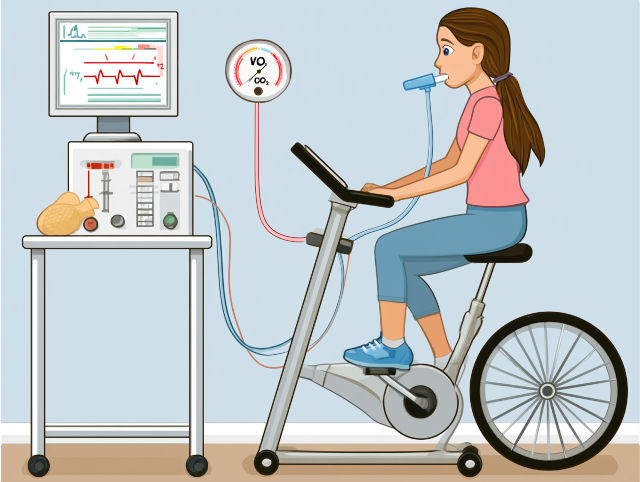
Advanced heart failure occurs when the heart can no longer pump blood effectively enough to meet the body’s needs. Diagnosing this condition often requires cardiopulmonary exercise testing (CPET), a specialised procedure that measures how well the heart and lungs function during physical activity. However, CPET requires expensive equipment and specially trained staff and is usually only available at large medical centres. As a result, many patients with advanced heart failure are not identified early enough to receive appropriate treatment. Researchers estimate that about 200,000 people in the United States are living with advanced heart failure, yet only a small proportion receive the specialised care they need each year.

In the new study, published in the journal npj Digital Medicine, researchers tested whether AI could help overcome this challenge. Instead of relying on CPET, the new method uses routine cardiac ultrasound images, also known as echocardiograms, along with information already contained in patients’ electronic health records. The AI system was designed to predict peak oxygen consumption, or peak VO2, which is considered one of the most important measurements obtained during CPET and a key indicator of advanced heart failure severity.

“This opens up a promising pathway for more efficient assessment of patients with advanced heart failure using data sources that are already embedded in routine care,” said senior study author Fei Wang, associate dean for AI and data science at Weill Cornell Medicine. The project was part of the Cardiovascular AI Initiative, a collaborative effort involving researchers and clinicians from Cornell, Columbia and NewYork-Presbyterian aimed at exploring how AI can improve the diagnosis and management of heart failure.

The researchers emphasised that the project relied on close collaboration between physicians and AI specialists. Nir Uriel, director of advanced heart failure and cardiac transplantation at NewYork-Presbyterian, explained that heart failure specialists first identified areas where AI could have the greatest clinical impact. One of the most promising opportunities was using AI to analyse cardiac ultrasound data to identify patients at high risk. Deborah Estrin, associate dean for impact at Cornell Tech, noted that the collaboration also helped inspire the development of new AI techniques driven directly by clinical needs.

To create the model, the research team trained the AI system using deidentified medical data from 1,000 patients with heart failure treated at NewYork-Presbyterian/Columbia University Irving Medical Center. The AI analysed several different types of information simultaneously, including moving ultrasound images of the heart, images showing blood flow and valve function, and data from electronic health records. After training, the model was tested on a separate group of 127 heart failure patients from three additional NewYork-Presbyterian campuses. The AI demonstrated an overall accuracy of about 85% in identifying patients at high risk, making it one of the strongest reported results so far for AI-based prediction of peak VO2.

The research team is now planning clinical studies to evaluate the technology further before it can be considered for approval by the U.S. Food and Drug Administration and eventual use in routine patient care. Researchers believe the approach could help doctors identify many patients with advanced heart failure earlier and more efficiently than current methods allow. According to Dr. Uriel, improving identification of these patients could ultimately lead to major improvements in treatment, quality of life and long-term health outcomes.

More information: Zhe Huang et al, Multimodal multi-instance learning for cardiopulmonary exercise testing performance prediction, npj Digital Medicine. DOI: 10.1038/s41746-026-02493-w

Journal information: npj Digital Medicine Provided by Weill Cornell Medicine

Cardiac Structural Impairment Linked to Increased Risk of Long-Term Adverse Health Events and Mortality

Higher left atrial end-systolic dimension (LASD), a measure of the size of the heart’s left upper chamber, and greater left ventricular mass (LVM), which reflects the weight of the heart’s left ventricular muscle, are established markers of cardiovascular damage and are known to predict a higher short-term risk of cardiovascular disease (CVD). However, less is known about their associations with long-term health outcomes over several decades.

A new study by researchers at Boston University Chobanian & Avedisian School of Medicine found that elevated LASD and LVM values during midlife are associated with a greater long-term risk of adverse health outcomes, including mortality, CVD, dementia, hypertension, diabetes, and chronic kidney disease. The findings highlight the importance of maintaining a healthy cardiac structure throughout adulthood.

“It is important to make appropriate lifestyle changes and follow heart-healthy habits, such as eating healthy, exercising regularly, maintaining a healthy body mass index, limiting alcohol intake, and avoiding smoking; these choices may help maintain optimal LVM and LASD values and subsequently lower the risk of CVD and other adverse outcomes,” said Vanessa Xanthakis, associate professor of medicine and investigator with the Framingham Heart Study.

Using data from the Framingham Heart Study, one of the world’s longest-running epidemiological studies, researchers analyzed 8,192 participants (mean age 48 ± 13 years; 54% women) who underwent routine echocardiography assessments during study visits. Participants also provided information on lifestyle factors, body measurements, blood pressure, use of antihypertensive medications, cholesterol ratios, diabetes status, fasting blood glucose, and other cardiovascular risk factors using standardized protocols.

According to the researchers, most previous studies examining echocardiographic measurements and disease risk have been limited to relatively short follow-up periods. In contrast, the extensive longitudinal data available through the Framingham Heart Study allowed investigators to follow participants for approximately 30 years.

“The number of people living with CVD and related comorbidities continues to rise, so we hope our findings will encourage individuals to adopt healthier lifestyles that may reduce disease risk and contribute to healthier aging at the population level,” added Xanthakis.

More information: Stephanie Pan et al, Associations of Left Atrial Dimension and Ventricular Mass With Long-Term Health Outcomes: Framingham Heart Study, Journal of the American College of Cardiology. DOI: 10.1016/j.jacadv.2026.102643

Journal information: Journal of the American College of Cardiology Provided by Boston University School of Medicine

Hospital-Related Delirium Could Be an Early Warning Sign of Dementia

Older adults who experience delirium during a hospital admission may face a substantially increased risk of developing dementia in later life, even if they were previously in relatively good health, according to a major new population-based study. Researchers found that delirium — a sudden and severe state of confusion that commonly occurs during acute illness or hospitalisation — was strongly associated with future dementia across all levels of pre-existing health. The findings suggest delirium may be more than a temporary complication of illness and could instead represent an important early warning sign of long-term cognitive decline.

The study showed that the association between delirium and later dementia was especially pronounced among older adults who had few or no long-term health conditions before being admitted to the hospital. While delirium has long been recognised as common among frail older adults, researchers say the new findings challenge assumptions that its consequences are limited to those who are already medically vulnerable. Instead, delirium appeared to signal a markedly elevated risk of dementia even among individuals who were otherwise relatively healthy before their hospital stay.

Delirium affects around one in four hospitalised older adults. It is associated with a range of serious outcomes, including prolonged hospital stays, increased mortality, loss of independence, and higher healthcare use. However, experts have debated whether delirium itself contributes to later cognitive decline or whether it simply reflects underlying health problems that already place individuals at greater risk of dementia. The new study strengthens evidence that delirium may represent an under-recognised pathway linking acute illness with long-term brain health outcomes, rather than acting solely as a marker of poor overall health.

Researchers from the University of Edinburgh analysed linked healthcare data from 23,558 adults aged 65 years and older living in the Lothian region of Scotland. The data were accessed through DataLoch, a secure health and social care research platform that combines information from multiple healthcare sources. The team examined how delirium during hospital admission influenced future dementia and mortality risk across people with varying numbers of chronic health conditions. Their analysis found that among individuals with relatively few long-term conditions, delirium was associated with approximately a threefold higher risk of developing dementia in the years following hospitalisation. These individuals also experienced a substantially greater risk of death compared with similar patients who had not experienced delirium.

Researchers say the findings highlight the importance of recognising delirium as a serious clinical event rather than dismissing it as a temporary or unavoidable consequence of acute illness. They argue that routine delirium assessment should form a standard part of emergency hospital care for older adults, alongside clearer communication with patients and families about the potential longer-term implications. The study also underscores the need for improved follow-up and monitoring after discharge, particularly for patients who experience delirium despite previously having relatively good health.

Dr Rose Penfold said the condition can be deeply distressing for both patients and families and should not be regarded as confusion that resolves without consequences. She noted that the study identified delirium as being linked to a much higher risk of later dementia, with the greatest relative risk observed among individuals who had previously been relatively healthy. According to Dr Penfold, the findings reinforce the importance of delirium assessment in hospital settings and highlight the need for greater awareness of delirium as an important warning sign for future brain health. Researchers say further studies are now needed to understand better the biological mechanisms connecting delirium and dementia and to explore whether earlier intervention could help reduce long-term cognitive risk.

More information: Rose Penfold et al, Delirium, long-term conditions, and incident dementia in older adults admitted to hospital for emergency care in Lothian, Scotland: a population-based cohort study, The Lancet Healthy Longevity. DOI: 10.1016/j.lanhl.2026.100832

Journal information: The Lancet Healthy Longevity Provided by University of Edinburgh

Falling Temperatures Drive Up Heart-Related Mortality Rates

Following one of the coldest winters in recent memory across large parts of the country, new research is drawing attention to a frequently underestimated consequence of low temperatures: a marked rise in cardiovascular deaths. Months characterised by colder weather are associated with significantly higher rates of fatalities from heart attacks, strokes and coronary artery disease compared with milder periods. The study, presented at the American College of Cardiology’s Annual Scientific Session (ACC.26), also found that higher temperatures correspond with increased cardiovascular deaths. However, the effect is considerably less pronounced than that observed in colder conditions.

While earlier studies have established links between extreme temperatures and cardiovascular mortality, much of that research has either focused on populations outside the United States or examined only limited regions within it. For instance, prior work published in the Journal of the American College of Cardiology highlighted an elevated risk of heart attacks during cold weather exposure. The latest study expands on this by offering a far more comprehensive analysis, covering a wide geographic and demographic range across the United States, thereby providing a clearer picture of how temperature variations influence cardiovascular outcomes at scale.

According to the study’s lead author, Pedro Rafael Vieira De Oliveira Salerno, a resident physician at NYC Health + Hospitals/Elmhurst and the Icahn School of Medicine at Mount Sinai, the findings represent a significant advancement in understanding the national burden of temperature-related deaths. For the first time, researchers have been able to quantify the impact of cold weather across most of the United States, revealing that the number of excess deaths linked to lower temperatures is substantial and cannot be overlooked in public health discussions.

The research team analysed monthly temperature data alongside total cardiovascular deaths across 819 locations, representing approximately 80% of the U.S. population aged over 25. Spanning the years 2000 to 2020, the analysis identified an optimal temperature—around 23°C—at which cardiovascular death rates were lowest. Mortality rates increased progressively as temperatures moved either below or above this benchmark, illustrating a clear relationship between environmental conditions and cardiovascular risk.

The pattern observed followed an uneven U-shaped curve, with both extreme cold and extreme heat contributing to higher mortality. However, the increase in deaths was significantly steeper during colder periods. Researchers estimated that cold weather was responsible for approximately 40,000 excess cardiovascular deaths annually, accounting for about 6.3% of such deaths, and totalling around 800,000 over two decades. In contrast, heat-related excess deaths were far fewer, estimated at 2,000 per year, or 40,000 over the same period. Physiologically, cold exposure can trigger inflammatory responses and cause blood vessels to constrict, increasing the likelihood of serious cardiovascular events, particularly among older adults and individuals with chronic conditions.

The findings carry important implications for public health planning, especially in the context of climate change. As chronic illnesses such as diabetes, heart failure and kidney disease become more prevalent, a growing segment of the population may be increasingly vulnerable to temperature extremes. While much attention has been directed towards the dangers of rising heat, the study underscores the need also to address the risks posed by cold weather. Health systems and communities must prepare for seasonal surges in emergency calls and hospital admissions during cold spells, ensuring adequate resources and preventative strategies are in place. Although the study relied on monthly data and population-level analysis, future research aims to examine more granular, real-time associations, including the relationship between temperature fluctuations and emergency medical service activations.

More information: Pedro Rafael Vieira de Oliveira Salerno et al, Cardiovascular disease mortality attributable to monthly non-optimal temperature in the united states: a county-level analysis, American Journal of Preventive Cardiology. DOI: 10.1016/j.ajpc.2026.101514

Journal information: American Journal of Preventive Cardiology Provided by American College of Cardiology

Ageing and the Breakdown of Proper Cellular Responses

Some of the changes we associate with ageing begin deep inside our cells, particularly in the nucleus where DNA is stored. DNA is not loose; it is tightly packaged into a structure called chromatin. Researchers at the Paul Scherrer Institute (PSI) have shown that this packaging changes as we grow older. These changes affect how cells read genetic instructions and respond to signals from their environment. As a result, older cells may react less effectively—or even incorrectly—which can contribute to disease. The findings were published in the journal Proceedings of the National Academy of Sciences.

As people age, their cells do not simply stop working, but they do become less flexible. They divide less often and may not respond properly to external signals. The PSI researchers found that the root of this problem lies in chromatin. When chromatin changes shape, it affects how genes are turned on or off. Genes contain the instructions for making proteins, which cells need to function properly. If these instructions are not read correctly, the cell may produce the wrong proteins or fail to respond when needed.

To study this, the scientists examined skin cells from both young and older individuals. They compared cells from children around ten years old with those from adults aged 75. Using microscopes and molecular techniques, they exposed the cells to mechanical stress and a chemical signal known as TGF-β, which normally helps regulate cell growth and repair. Younger cells responded strongly—they contracted and increased their activity. Older cells also reacted, but their response was noticeably weaker and less adaptable.

The researchers then looked more closely at what was happening inside the cells. They found that chromatin in older cells becomes more “open.” This means that parts of the DNA that should remain tightly packed and inactive become easier to access. While this might sound helpful, it actually leads to problems. The cell begins to activate genes that are not needed, while failing to activate the ones that are needed properly. This mix-up can result in the production of unnecessary or harmful proteins and may increase the risk of diseases, including cancer.

According to lead researcher G. V. Shivashankar, chromatin acts like a filter that controls which genes are used at any given time. When this filtering system breaks down, important processes such as wound healing or tissue repair may not work properly. This helps explain why the body becomes less efficient at recovering from injury or illness with age.

Looking ahead, the research team hopes to find ways to control or even reverse these changes in chromatin. If scientists can restore chromatin to a more “youthful” state, it may be possible to improve how cells function in older adults. While this would not stop ageing entirely, it could help delay some of its negative effects. The team is also developing new tools, including artificial intelligence, to detect harmful changes in chromatin early. Together, these advances could open the door to healthier ageing in the future.

More information: Yawen Liao et al, Chromatin accessibility regulates age-dependent nuclear mechanotransduction, Proceedings of the National Academy of Sciences. DOI: 10.1073/pnas.2522217123

Journal information: Proceedings of the National Academy of Sciences Provided by Paul Scherrer Institute