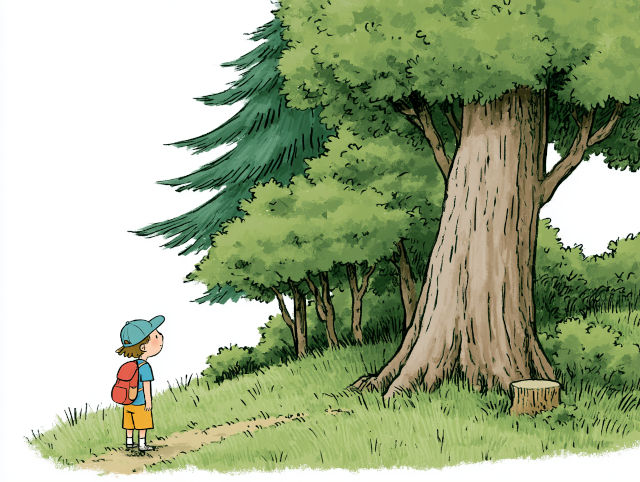
A major international study has found that spending time in nature is linked to greater life satisfaction, with positive feelings about one’s body playing a key role in explaining this connection.
Published in the journal Environment International, the study analysed responses from more than 50,000 people aged between 18 and 99 across 58 countries, making it the largest multinational investigation of its kind.
Researchers have long known that contact with nature can benefit mental wellbeing, although the psychological processes behind these effects have remained unclear. The new research suggests that nature exposure helps people develop a more positive body image, and that this stronger sense of “body appreciation” contributes to improved life satisfaction. Importantly, the findings were consistent across different ages and gender identities.
The study was led by Viren Swami, Professor of Social Psychology at Anglia Ruskin University. According to the researchers, one explanation lies in the relationship between nature and self-compassion. Natural settings appear to encourage a state psychologists refer to as “cognitive quiet”, where attention is gently engaged without mental strain. The calming sights and sounds of nature may help people become kinder towards themselves, which in turn is linked to more positive feelings about their bodies and higher life satisfaction.
A second pathway identified in the study relates to the restorative effects of nature. Urban environments often demand constant concentration because of traffic, crowds and noise, which can contribute to mental fatigue. In contrast, natural spaces encourage reflection and mindful thinking, allowing the brain to recover from stress and overstimulation. The researchers found that this sense of restoration was also associated with greater body appreciation and, ultimately, improved life satisfaction.
Professor Swami said the findings highlight an important way in which time spent outdoors may enhance wellbeing. He noted that stronger self-compassion and feelings of restoration were both closely linked to more positive body image and greater life satisfaction. He also said it was striking how consistent the findings were across countries, age groups and gender identities, suggesting that the relationship between nature, body appreciation and wellbeing may reflect deeply rooted aspects of human psychology. The researchers added that the study reinforces the value of natural environments as accessible public health resources and highlights the importance of using scientific evidence to guide urban planning, education and health policy decisions.
More information: Viren Swami et al, Positive body image is a pathway between nature contact and life satisfaction across 58 nations, Environment International. DOI: 10.1016/j.envint.2026.110277
Journal information: Environment International Provided by Anglia Ruskin University