Monthly Archives: June 2026

Nutrition as a Key Component of Chronic Fatigue Care

Chronic fatigue has become increasingly common in modern society, where many people face growing workloads and limited time for rest. Beyond reducing quality of life, fatigue can also affect productivity, workplace performance, and safety.

While fatigue is often linked to insufficient rest, nutritional deficiencies may also play an important role. Researchers led by Professor Hiroaki Kanouchi at Osaka Metropolitan University investigated whether deficiencies in key nutrients could contribute to fatigue among otherwise healthy individuals.

The study focused on folate (vitamin B9) and vitamin B12, two nutrients that are often lacking in unbalanced diets. The researchers examined homocysteine (Hcy), a blood biomarker that tends to rise when levels of these vitamins are low.

Blood samples from approximately 600 healthy Japanese adults were analysed for homocysteine, folate, and vitamin B12 levels. Participants also completed assessments of fatigue and motivation using established measurement scales.

Initial findings showed that individuals with higher homocysteine levels generally had lower levels of folate and vitamin B12, regardless of sex. After accounting for factors such as age, sleep duration, workload, and dietary habits, higher homocysteine levels were associated with greater physical fatigue in men and lower motivation in women.

According to Professor Kanouchi, this may be the first study to identify a relationship between vitamin B12, folate, and fatigue in healthy individuals. The findings suggest that, in addition to its established links with cardiovascular disease, dementia, and fractures, elevated homocysteine may also be associated with fatigue and motivation. Maintaining adequate vitamin B12 and folate levels through a balanced diet may therefore help support energy and overall well-being.

More information: Hiroaki Kanouchi et al, Associations of Plasma Homocysteine Reflecting Vitamin B12 and Folate Status with Fatigue-Related Outcomes in Healthy Adults, Nutrients. DOI: 10.3390/nu18060941

Journal information: Nutrients Provided by Osaka Metropolitan University

Not a Safe Alternative: Research Shows Herbal Cigarettes Are as Harmful as Tobacco Cigarettes

Herbal cigarettes are often marketed as natural, tobacco-free, and even therapeutic alternatives to conventional cigarettes. However, a new study by researchers from the Indian Institute of Technology Gandhinagar (IITGN) and the University of Illinois Urbana-Champaign (UIUC) found that herbal cigarettes are not safer than tobacco cigarettes and may produce emissions that are equally or more harmful.

Published in the Journal of Hazardous Materials, the study compared the physical, chemical, and oxidative properties of mainstream smoke from commercially available herbal and tobacco cigarettes sold in India. Researchers examined two leading tobacco brands and four herbal cigarette brands containing ingredients such as basil, clove, cinnamon, mint, green tea, water lily, and chamomile.

Using a sealed, automated two-chamber system designed to simulate human inhalation, the team analysed smoke emissions in real time and collected particle samples for detailed chemical and physical characterisation. They also measured the oxidative potential of the smoke, a key indicator of its ability to cause biological damage.

The results challenged the common perception that tobacco-free products are less harmful. According to Professor Sameer Patel of IITGN, emissions from herbal cigarettes were comparable to or exceeded those from tobacco cigarettes across nearly all measures. In particular, herbal cigarettes wrapped in tendu leaves—the same leaves commonly used in bidis—were found to be the most hazardous.

One major finding was that herbal cigarettes emitted about 20% more ultrafine particles smaller than 500 nanometres than tobacco cigarettes. These particles are associated with cardiovascular and respiratory diseases. The researchers also found significantly higher oxidative potential in herbal cigarette smoke, with tendu-leaf-wrapped products showing approximately 49% higher oxidative potential than paper-wrapped versions. Surprisingly, one basil-filled herbal cigarette marketed as “chemical-free” contained the highest concentration of lead among all products tested.

The study also highlighted important regulatory concerns. While India’s Cigarettes and Other Tobacco Products Act (COTPA) regulates tobacco products through warning labels, advertising restrictions, and public-smoking rules, many tobacco-free herbal cigarettes fall outside these regulations. Researchers noted that some products were promoted as helping with coughs, sleep, or anxiety despite limited scientific evidence regarding their emissions or health effects.

Although the study did not directly examine disease outcomes, it demonstrated that the combustion process and resulting smoke particles, rather than the product’s marketing claims, determine potential health risks. Released ahead of World No Tobacco Day on May 31, the findings underscore the need for stronger regulation of herbal cigarette marketing and add to growing evidence that so-called tobacco alternatives may pose significant public health concerns.

More information: Alok Kumar Thakur et al, The lure of ‘Healthier Smoke’: Comparative physical, chemical, and oxidative potential characterization of emissions from herbal and tobacco cigarettes, Journal of Hazardous Materials. DOI: 10.1016/j.jhazmat.2026.142424

Journal information: Journal of Hazardous Materials Provided by Indian Institute of Technology Gandhinagar

Tick Defence: Prevention in Action

Few creatures are as widely disliked as ticks. Despite their small size, these parasites have a major impact on human and animal health by spreading viruses and bacteria to people, livestock, wildlife, and pets worldwide. Researchers at the University of Tennessee College of Veterinary Medicine are working to understand better how ticks transmit disease and how those processes can be disrupted.

In a study published in The EMBO Journal, professor Hameeda Sultana and colleagues identified a tick protein that may help block disease transmission before infection occurs. Supported by the National Institutes of Health, the research highlights the University of Tennessee Institute of Agriculture’s contributions to advancing knowledge of vector-borne diseases.

Building on earlier discoveries made between 2018 and 2020, Sultana’s laboratory was the first to identify exosomes derived from tick saliva, salivary glands, and tick and mosquito cells. Exosomes are microscopic membrane-bound vesicles that carry proteins and other biological signals between cells and tissues. During feeding, ticks release saliva containing these vesicles, which help them evade host immune responses and may facilitate pathogen transmission.

The research team discovered that ticks produce an exosomal glycine-rich protein that plays a key role in feeding and virus transmission. When researchers used genetic tools to silence the gene responsible for this protein, ticks fed less effectively, gained less weight, and carried significantly lower levels of virus. These findings build on years of research examining how microscopic vesicles influence interactions between ticks, pathogens, and hosts.

The discovery has important implications for disease prevention. Researchers believe the protein could serve as a target for a transmission-blocking vaccine. Rather than targeting a virus directly, this approach targets a molecule within the tick, preventing successful feeding or pathogen transmission. By interrupting the process at an early stage, infections may be stopped before reaching the host.

According to faculty collaborator Girish Neelakanta, understanding tick biology can reveal new opportunities to reduce the spread of multiple pathogens. Researchers increasingly view exosomes as promising targets because of their central role in tick feeding and pathogen interactions. Continued study of these vesicles may lead to innovative exosome-based strategies for controlling vector-borne diseases.

As tick-borne diseases continue to rise globally, new prevention approaches are urgently needed. The identification of this exosomal protein adds to a growing body of research exploring how parasites communicate with their hosts at the microscopic level. By uncovering the hidden mechanisms ticks use to spread disease, scientists are paving the way for practical advances in both human and animal health. In the future, these tiny biological messengers may play a major role in preventing the transmission of vector-borne diseases.

More information: Waqas Ahmed et al, Arthropod exosomal glycine-rich protein as a potential vaccine candidate effectively reduces tick blood-feeding and pathogen transmission, The EMBO Journal. DOI: 10.1038/s44318-026-00709-z

Journal information: The EMBO Journal Provided by University of Tennessee Institute of Agriculture

Microplastics Disrupt the Immune Response to Allergens

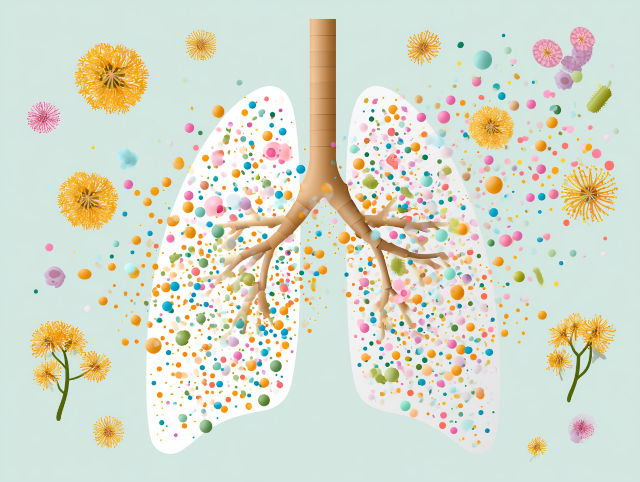
Tiny fragments of plastic are now found almost everywhere in our environment—from the air we breathe to the food we eat. While concerns about their impact on ecosystems have grown for years, scientists are only beginning to understand how these microscopic particles affect human health. New research led by the Medical University of Vienna suggests that microplastics may do more than accumulate in the body—they may actively alter the immune system and worsen allergic inflammation.

In a study published in the Journal of Hazardous Materials Advances, researchers investigated the effects of polyethylene terephthalate (PET), one of the world’s most commonly used plastics. PET is found in everyday products such as beverage bottles, food packaging, textiles, and even certain medical materials. Using a mouse model, the team examined how PET microplastics of different sizes and concentrations influenced immune responses.

The findings revealed that after a single exposure through the respiratory tract, medium-sized PET microplastic particles remained in the lungs for at least two weeks. During that time, the particles triggered an inflammatory response marked by increased numbers of lymphocytes and eosinophils—immune cells closely linked to allergic reactions and asthma.

The effects became even more striking when the mice were simultaneously exposed to ragweed pollen, a common environmental allergen. Under certain conditions, the combination of microplastics and pollen intensified airway inflammation, suggesting that microplastics may amplify the body’s response to allergens. Additional experiments showed that when PET microplastics were introduced together with other allergens, they altered immune activity throughout the body, increasing inflammation and changing the production of antibodies directed against those allergens.

“Our study shows that PET microplastics do not simply remain in the body, but actively influence immune responses involved in the development and exacerbation of allergic reactions and inflammation,” said lead investigator Michelle Epstein of the Experimental Allergy Laboratory at the Medical University of Vienna.

Although the study was conducted in mice and the findings cannot be directly applied to humans, the results provide important clues about the potential health consequences of the growing microplastic burden in our environment. The researchers stress that further studies are needed to determine how real-world exposure to microplastics may affect human immune function and allergic disease. As evidence continues to emerge, these tiny particles are proving to be much more than an environmental concern—they may also represent an important public health challenge.

More information: Sahar Kazemi et al, Respirable polyethylene terephthalate microplastics modulate airway inflammation and immune responses in murine allergen co-exposure models, Journal of Hazardous Materials Advances. DOI: 10.1016/j.hazadv.2026.101223

Journal information: Journal of Hazardous Materials Advances Provided by Medical University of Vienna

The New Normal: Elevated Perfectionism in Young Adults

Research published by the American Psychological Association suggests that college students today experience significantly greater pressure to be perfect than students did a generation ago. The study found that levels of perfectionism have steadily increased over the past several decades, raising concerns because perfectionism is closely linked to depression, anxiety, and other mental health challenges. According to lead author Thomas Curran, PhD, of the London School of Economics and Political Science, understanding the rise in perfectionism is essential to addressing the growing youth mental health crisis.

The findings, published in Psychological Bulletin, build on earlier research showing that perfectionism among university students had risen through 2017. To determine whether this trend had continued and to better understand its causes, researchers conducted a comprehensive review of 307 studies carried out between 1989 and 2024. The analysis included more than 82,000 college students from the United States, Canada, and the United Kingdom, all of whom completed widely used measures of perfectionism.

The researchers found that self-reported perfectionism increased consistently over the 35-year study period. However, not all forms of perfectionism grew at the same pace. Since the early 2000s, “perfectionistic concerns” — including fear of failure, self-doubt, indecisiveness, and worries about being negatively judged by others — have risen much more rapidly than “perfectionistic strivings,” which reflect setting exceptionally high standards and working hard to achieve them. This suggests that young adults are becoming increasingly concerned about mistakes and external evaluation rather than simply striving for excellence.

To better understand the forces driving these changes, the researchers examined broader economic conditions over time and across countries. Their analysis revealed that slower growth in gross domestic product (GDP) per capita was associated with higher levels of perfectionistic striving. At the same time, increasing economic inequality was linked to sharper rises in perfectionistic concerns. These findings suggest that economic conditions may shape how young people view themselves and their prospects for success.

According to Curran, when economic opportunities become more limited, young people may respond by pushing themselves harder in an effort to succeed. At the same time, widening inequality appears to intensify fears about making mistakes and falling behind others. In such environments, concerns about social comparison, achievement, and external judgement may become more central to young people’s lives. The researchers argue that these cultural and economic pressures may help explain why perfectionism has become increasingly common among today’s students.

Importantly, the relationship between perfectionism and mental health remained consistent throughout the study period. Students with higher levels of perfectionism were more likely to report symptoms of depression and anxiety, regardless of when they were surveyed. Because perfectionism itself has become more prevalent over time, the researchers suggest it may be contributing to broader increases in mental health difficulties among young people. While social media and smartphones are often blamed for worsening youth mental health, the researchers note that rising perfectionism predates these technologies, pointing to deeper cultural and economic forces that deserve greater attention.

More information: Thomas Curran et al, Perfectionism Is Accelerating Over Time: A Cross-Temporal Meta-Analytic Review of 35 Years of College Student Data, Psychological Bulletin. DOI: 10.1037/bul0000518

Journal information: Psychological Bulletin Provided by American Psychological Association

Eat Well and Spend Less: AI Highlights Practical Food Swap Strategies

A new study published in the open-access journal PLOS Digital Health suggests that artificial intelligence (AI) can help people eat healthier and spend less by recommending just one to three ingredient swaps in their meals. Trevor Chan and Ilias Tagkopoulos conducted the research at the University of California, Davis.

Although dietary guidelines for preventing chronic conditions such as diabetes and cardiovascular disease are well established, many people struggle to apply them to everyday meals. Existing dietary tools often require extensive changes, making healthy eating difficult to sustain.

To address this challenge, the researchers analyzed 135,491 meals reported by 55,228 adults in the What We Eat in America study. Using these data, they trained a generative AI model to create realistic breakfast, lunch, and dinner meals that reflected common eating patterns while improving nutritional quality.

The AI-generated meals were 47% closer to U.S. Department of Agriculture (USDA) nutritional targets than comparable real-world meals, while remaining similar in flavour profiles and meal types. When the model recommended one to three ingredient substitutions, nutritional quality improved by about 10%, and estimated meal costs fell by 22% to 34%.

Common recommendations included adding vegetables or legumes and replacing highly processed or high-sodium foods with healthier alternatives. The specialized AI model also outperformed GPT-4o in generating meals that more closely aligned with USDA macronutrient guidelines.

While the findings have not yet been tested with real users, the researchers believe the approach could help translate dietary guidelines into practical, affordable meal improvements. Their results suggest that healthier eating does not require a complete overhaul of familiar meals; in many cases, a few targeted ingredient swaps may be enough to make meals both more nutritious and more cost-effective while preserving the foods people enjoy.

More information: Trevor Chan et al, Translating dietary standards into healthy meals with few-ingredient substitutions, PLOS Digital Health. DOI: 10.1371/journal.pdig.0001367

Journal information: PLOS Digital Health Provided by PLOS