Wednesday, 10 Jun 2026
  • My Feed
  • My Saves
  • History
  • Blog
Living Well Study
  • Blog
  • Ageing Well
  • Brain Health
  • Healthy Diets
  • Physical Wellness
  • Wellness
  • 🔥
  • Wellness
  • older adults
  • Living Well
  • Brain Health
  • dementia
  • public health
  • Ageing Well
  • alzheimer disease
  • physical exercise
  • mental health
Font ResizerAa
Living Well StudyLiving Well Study
  • My Saves
  • My Feed
  • History
Search
  • Pages
    • Home
    • Search Page
  • Personalized
    • Blog
    • My Feed
    • My Saves
    • History
  • Categories
    • Ageing Well
    • Brain Health
    • Healthy Diets
    • Mental Wellness
    • Physical Wellness
    • Wellness
Have an existing account? Sign In
Follow US
© 2022 Foxiz News Network. Ruby Design Company. All Rights Reserved.
Living Well Study > Blog > Health and Medicine > Microplastics Disrupt the Immune Response to Allergens
Health and Medicine

Microplastics Disrupt the Immune Response to Allergens

support
Share
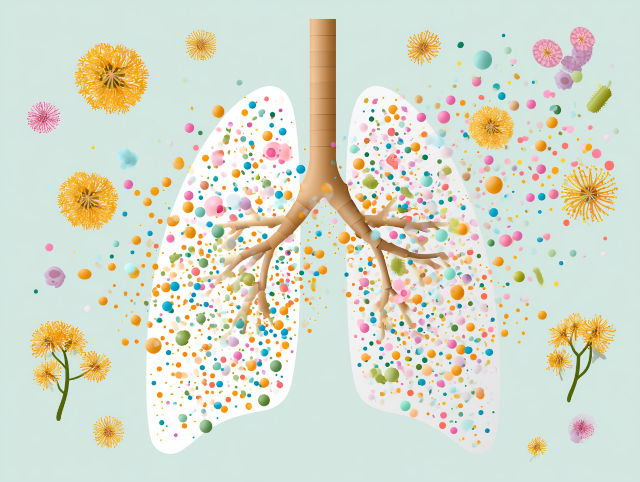
microplastic particles entering lungs, causing immune cells to overreact to pollen allergens
SHARE

Tiny fragments of plastic are now found almost everywhere in our environment—from the air we breathe to the food we eat. While concerns about their impact on ecosystems have grown for years, scientists are only beginning to understand how these microscopic particles affect human health. New research led by the Medical University of Vienna suggests that microplastics may do more than accumulate in the body—they may actively alter the immune system and worsen allergic inflammation.

In a study published in the Journal of Hazardous Materials Advances, researchers investigated the effects of polyethylene terephthalate (PET), one of the world’s most commonly used plastics. PET is found in everyday products such as beverage bottles, food packaging, textiles, and even certain medical materials. Using a mouse model, the team examined how PET microplastics of different sizes and concentrations influenced immune responses.

The findings revealed that after a single exposure through the respiratory tract, medium-sized PET microplastic particles remained in the lungs for at least two weeks. During that time, the particles triggered an inflammatory response marked by increased numbers of lymphocytes and eosinophils—immune cells closely linked to allergic reactions and asthma.

The effects became even more striking when the mice were simultaneously exposed to ragweed pollen, a common environmental allergen. Under certain conditions, the combination of microplastics and pollen intensified airway inflammation, suggesting that microplastics may amplify the body’s response to allergens. Additional experiments showed that when PET microplastics were introduced together with other allergens, they altered immune activity throughout the body, increasing inflammation and changing the production of antibodies directed against those allergens.

“Our study shows that PET microplastics do not simply remain in the body, but actively influence immune responses involved in the development and exacerbation of allergic reactions and inflammation,” said lead investigator Michelle Epstein of the Experimental Allergy Laboratory at the Medical University of Vienna.

Although the study was conducted in mice and the findings cannot be directly applied to humans, the results provide important clues about the potential health consequences of the growing microplastic burden in our environment. The researchers stress that further studies are needed to determine how real-world exposure to microplastics may affect human immune function and allergic disease. As evidence continues to emerge, these tiny particles are proving to be much more than an environmental concern—they may also represent an important public health challenge.

More information: Sahar Kazemi et al, Respirable polyethylene terephthalate microplastics modulate airway inflammation and immune responses in murine allergen co-exposure models, Journal of Hazardous Materials Advances. DOI: 10.1016/j.hazadv.2026.101223

Journal information: Journal of Hazardous Materials Advances Provided by Medical University of Vienna

TAGGED:allergensinflammatory response
Share This Article
Email Copy Link Print
Previous Article The New Normal: Elevated Perfectionism in Young Adults
Next Article Tick Defence: Prevention in Action
Leave a Comment

Leave a Reply Cancel reply

Your email address will not be published. Required fields are marked *

Recent Posts

  • Building Longer, Healthier Lives Through Public Health and Longevity Care
  • Smartphone Technology for Heart Rhythm Monitoring May Cut Healthcare Spending
  • Summer Sunshine Not Enough to Close Vitamin D Gap in Vulnerable Groups
  • Nutrition as a Key Component of Chronic Fatigue Care
  • Not a Safe Alternative: Research Shows Herbal Cigarettes Are as Harmful as Tobacco Cigarettes

Tags

adolescents adverse effects ageing populations aging populations air pollution alzheimer disease amyloids anxiety artificial intelligence atopic dermatitis behavioral psychology biomarkers blood pressure body mass index brain cancer cancer research cardiology cardiovascular disease cardiovascular disorders caregivers children climate change effects clinical research cognition cognitive development cognitive disorders cognitive function cognitive neuroscience cohort studies COVID-19 dementia depression diabetes diets discovery research disease control disease intervention disease prevention diseases and disorders environmental health epidemiology foods food science gender studies geriatrics gerontology gut microbiota health and medicine health care health care costs health care delivery heart disease heart failure home care human brain human health hypertension inflammation insomnia life expectancy life sciences longitudinal studies memory disorders menopause mental health metabolic disorders metabolism mortality rates neurodegenerative diseases neurological disorders neurology neuroscience nursing homes nutrients nutrition obesity older adults parkinsons disease physical exercise population studies preventive medicine psychiatric disorders psychological science psychological stress public health research impact risk assessment risk factors risk reduction skin sleep sleep apnea sleep disorders social interaction social research socioeconomics tobacco type 2 diabetes weight loss
June 2026
S M T W T F S
 123456
78910111213
14151617181920
21222324252627
282930  
« May    

This website is for information purpose only and is in no way intended to replace the advice, professional medical care, diagnosis or treatment of a doctor, therapist, dietician or nutritionist.

About | Contact | Cookie Policy | Digital Millennium Copyright Act Notice | Disclaimer | Privacy Policy | Terms of Service

You Might Also Like

Health and Medicine

Study Reveals How Gut Changes with Age May Drive Disease Risk

By support
Health and Medicine

Workout-triggered protein restores strength to ageing muscles and bones

By support
Health and Medicine

The Hidden Cost of Age Anxiety: Faster Ageing in Women

By support
Health and Medicine

Exercise Could Play a Key Role in Helping People Stop Smoking

By support
Living Well Study
Categories
  • Ageing Well
  • Brain Health
  • Healthy Diets
  • Mental Wellness
  • Physical Wellness
  • Wellness
LivingWellStudy
  • About
  • Contact
  • Cookie Policy
  • Digital Millennium Copyright Act Notice
  • Disclaimer
  • Privacy Policy
  • Terms of Service
Welcome Back!

Sign in to your account

Username or Email Address
Password

Lost your password?