Monday, 18 May 2026
  • My Feed
  • My Saves
  • History
  • Blog
Living Well Study
  • Blog
  • Ageing Well
  • Brain Health
  • Healthy Diets
  • Physical Wellness
  • Wellness
  • 🔥
  • Wellness
  • older adults
  • Living Well
  • Brain Health
  • dementia
  • public health
  • Ageing Well
  • alzheimer disease
  • physical exercise
  • mental health
Font ResizerAa
Living Well StudyLiving Well Study
  • My Saves
  • My Feed
  • History
Search
  • Pages
    • Home
    • Search Page
  • Personalized
    • Blog
    • My Feed
    • My Saves
    • History
  • Categories
    • Ageing Well
    • Brain Health
    • Healthy Diets
    • Mental Wellness
    • Physical Wellness
    • Wellness
Have an existing account? Sign In
Follow US
© 2022 Foxiz News Network. Ruby Design Company. All Rights Reserved.
Living Well Study > Blog > Living Well > Enhanced gender equality benefits the longevity of both women and men
Living Well

Enhanced gender equality benefits the longevity of both women and men

support
Share
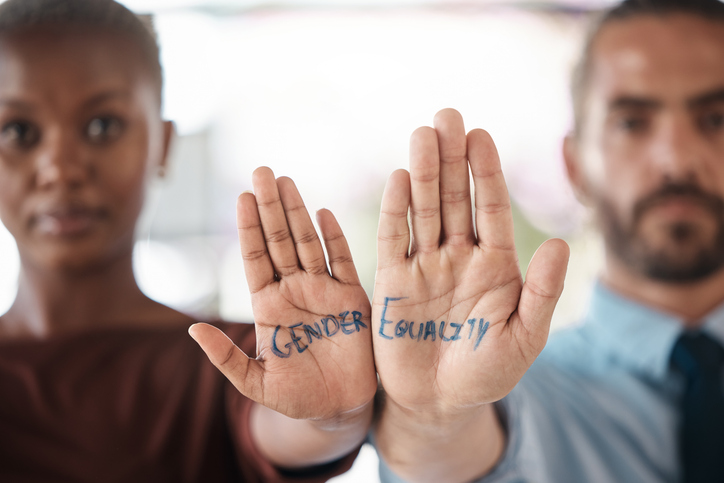
Hands, gender equality and unity with a sign message on the hand of a business man and woman in the office. Image by PeopleImages via iStock.
SHARE

The inaugural international research examining the correlation between gender equality and life expectancy has revealed that an improvement in gender equality correlates with increased life spans for both genders. Nevertheless, when assessing variations across nations grouped by socioeconomic development and geographic closeness, it emerges that advancements in gender equality predominantly augment the health and longevity of women initially. However, as progress continues, men also experience longer life spans, gradually reducing the life expectancy gap between genders.

In collaboration with Imperial College London, Dr Cat Pinho-Gomes, an Honorary Research Fellow at The George Institute for Global Health in the UK, has highlighted the significance of the study’s findings ahead of International Women’s Day. She pointed out that tackling entrenched gender inequalities and empowering women could potentially enhance longevity for both sexes. Dr Pinho-Gomes emphasized the pervasive gender disparities worldwide in aspects crucial to longevity, such as employment and living conditions, exposure to pollution, healthcare access, education, income, and social support.

She further elaborated that as nations advance towards greater gender equality, allowing women more comprehensive participation in political, economic, and social spheres, the entire society benefits. This assertion comes at a time when global challenges, including the rising cost of living, the COVID-19 pandemic, climate crises, and widespread conflict and displacement, are impeding progress towards gender parity. Such hindrances threaten to reverse the strides made in socioeconomic development and improvements in living and working conditions, potentially curtailing the increases in life expectancy observed over recent decades.

To explore the association between gender equality and life expectancy (LE) for both women and men and to gauge the global gender gap in LE, the researchers employed a modified global gender gap index (mGGGI) inspired by the index created by the World Economic Forum (WEF), spanning 156 countries from 2010 to 2021. The WEF’s index assesses the state and progress of gender parity across four primary dimensions, excluding this study’s health dimension to avoid overlapping with the study’s focus on healthy life expectancy.

The findings revealed that among the dimensions analyzed, gender equality in education was most strongly linked to longer LE for both women and men. Dr Pinho-Gomes underscored the critical role of investment in education, especially in low- and middle-income countries where many girls still face barriers to education. She pointed out that even in high-income countries, where significant efforts have been made to reduce gender inequalities, further investments in gender equality could still enhance LE, particularly for men. The study also casts light on the less significant association between political gender equality and the LE gap, raising questions about the effectiveness of gender equality policies implemented by political systems worldwide.

Dr Pinho-Gomes addressed the challenges faced by women in the political arena, including discrimination and the difficulties of balancing personal, family, and political life, alongside securing party support and campaign funding. She noted that in 2021, every ten per cent increase in the AGI was linked to a 4.3-month increase in women’s LE and a 3.5-month increase in men’s LE, albeit with significant regional variations.

In conclusion, Dr Pinho-Gomes stressed the study’s vital implications for policymakers globally, particularly in the aftermath of the COVID-19 pandemic, which had a distinctly gendered impact across various life domains. She advocated for enhancing women’s representation in multiple sectors to foster wealthier and healthier societies for everyone, marking a significant message for International Women’s Day.

More information: Ana-Catarina Pinho-Gomes et al, Gender equality related to gender differences in life expectancy across the globe gender equality and life expectancy, PLOS Global Public Health. DOI: 10.1371/journal.pgph.0001214

Journal information: PLOS Global Public Health Provided by George Institute for Global Health

TAGGED:economic developmentgender biasgender studiesinequalitieslife expectancysocial developmentsocioeconomics
Share This Article
Email Copy Link Print
Previous Article Isolation heightens the likelihood of declining health among older adults
Next Article Can following a Mediterranean diet safeguard against memory decline and dementia?
Leave a Comment

Leave a Reply Cancel reply

Your email address will not be published. Required fields are marked *

Recent Posts

  • Spending Time Outdoors Linked to Higher Life Satisfaction
  • Exercise Could Play a Key Role in Helping People Stop Smoking
  • The Tiny Cellular Framework Behind Brain Development
  • ‘Forever Chemicals’ Found in Nearly Entire US Study Population, Researchers Report
  • Healthy Hearts May Still Face the Risk of Alzheimer’s Disease

Tags

adolescents adverse effects ageing populations aging populations air pollution alzheimer disease amyloids anxiety artificial intelligence atopic dermatitis behavioral psychology biomarkers blood pressure body mass index brain cancer cancer research cardiology cardiovascular disease cardiovascular disorders caregivers children climate change effects clinical research coffee cognition cognitive development cognitive disorders cognitive function cognitive neuroscience cohort studies COVID-19 dementia depression diabetes diets discovery research disease control disease intervention disease prevention diseases and disorders environmental health epidemiology foods food science gender studies geriatrics gerontology gut microbiota health and medicine health care health care costs health care delivery heart disease heart failure home care human brain human health hypertension inflammation insomnia life expectancy life sciences longitudinal studies memory disorders menopause mental health metabolic disorders metabolism mortality rates neurodegenerative diseases neurological disorders neurology neuroscience nursing homes nutrients nutrition obesity older adults parkinsons disease physical exercise population studies preventive medicine psychiatric disorders psychological science psychological stress public health research impact risk assessment risk factors risk reduction skin sleep sleep apnea sleep disorders social interaction social research socioeconomics type 2 diabetes weight loss
May 2026
S M T W T F S
 12
3456789
10111213141516
17181920212223
24252627282930
31  
« Apr    

This website is for information purpose only and is in no way intended to replace the advice, professional medical care, diagnosis or treatment of a doctor, therapist, dietician or nutritionist.

About | Contact | Cookie Policy | Digital Millennium Copyright Act Notice | Disclaimer | Privacy Policy | Terms of Service

You Might Also Like

Living Well

Unmanaged Hypertension: The Classic ‘Silent Killer’ Continues to Threaten

By support
Living Well

Arts participation linked to lower rates of heart disease, diabetes, and other major causes of death, large-scale study reveals

By support
Living Well

Isolation Associated with Increased Risk of Heart Conditions, Stroke, and Infection Vulnerability

By support
Living Well

Utilizing Videoconferencing to Encourage Physical Activity among Older Adults: Transforming Health Education into Practical Application

By support
Living Well Study
Categories
  • Ageing Well
  • Brain Health
  • Healthy Diets
  • Mental Wellness
  • Physical Wellness
  • Wellness
LivingWellStudy
  • About
  • Contact
  • Cookie Policy
  • Digital Millennium Copyright Act Notice
  • Disclaimer
  • Privacy Policy
  • Terms of Service
Welcome Back!

Sign in to your account

Username or Email Address
Password

Lost your password?