Wednesday, 17 Jun 2026
  • My Feed
  • My Saves
  • History
  • Blog
Living Well Study
  • Blog
  • Ageing Well
  • Brain Health
  • Healthy Diets
  • Physical Wellness
  • Wellness
  • 🔥
  • Wellness
  • older adults
  • Living Well
  • Brain Health
  • dementia
  • public health
  • Ageing Well
  • alzheimer disease
  • physical exercise
  • mental health
Font ResizerAa
Living Well StudyLiving Well Study
  • My Saves
  • My Feed
  • History
Search
  • Pages
    • Home
    • Search Page
  • Personalized
    • Blog
    • My Feed
    • My Saves
    • History
  • Categories
    • Ageing Well
    • Brain Health
    • Healthy Diets
    • Mental Wellness
    • Physical Wellness
    • Wellness
Have an existing account? Sign In
Follow US
© 2022 Foxiz News Network. Ruby Design Company. All Rights Reserved.
Living Well Study > Blog > Health and Medicine > Older Adults Using Hearing Aids Effectively May Face Lower Dementia Risk, HKUMed Study Finds
Health and Medicine

Older Adults Using Hearing Aids Effectively May Face Lower Dementia Risk, HKUMed Study Finds

support
Share
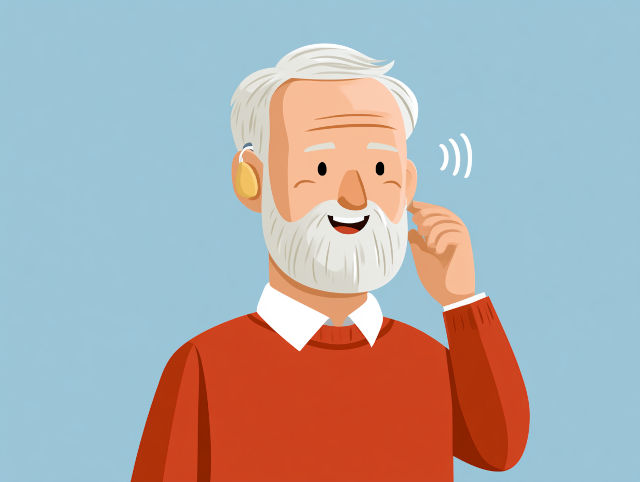
older adult, wearing hearing aid
SHARE

Researchers from the School of Public Health at the Li Ka Shing Faculty of Medicine of the University of Hong Kong (HKUMed), in collaboration with an international research team, have found that effective hearing aid use may be associated with a lower risk of probable dementia among older adults with hearing loss. Published in Cell Reports Medicine, the study highlights the importance of high-quality hearing rehabilitation as part of healthy ageing strategies worldwide.

Dementia is expected to affect nearly 150 million people globally by 2050, creating growing challenges for healthcare systems and communities. Hearing loss, which affects around 30% of adults over 65 and as many as 90% of those aged 85 and older, has increasingly been recognised as one of the leading potentially modifiable risk factors for dementia. According to the 2024 Lancet Commission, hearing loss may account for approximately 7% of dementia cases worldwide.

The study analysed data from 61,089 adults aged 55 and above with hearing impairment across seven ageing cohorts spanning 33 countries, including China, Korea, Europe, the United Kingdom, the United States, Ireland and Mexico. Over an average follow-up period of 6.5 years, 8,911 participants developed probable dementia. Researchers found that hearing aid users had a 9% lower risk of probable dementia compared with hearing-impaired non-users.

Importantly, the protective association appeared to depend on how effectively the hearing aids improved daily hearing. Participants who reported good hearing improvement with their devices had a 14% lower risk of probable dementia, while those who reported poor improvement showed no significant reduction in risk. The findings suggest that simply wearing a hearing aid may not be enough, and that the quality and effectiveness of hearing rehabilitation play a critical role.

The association between hearing aid use and lower dementia risk appeared stronger in middle-income countries, where hearing aid adoption was substantially lower. Only 2.6% of hearing-impaired participants in these countries reported using hearing aids, compared with 20% in high-income countries. The benefits were also more pronounced among women, unmarried individuals and people with lower educational attainment, suggesting that hearing rehabilitation may be particularly valuable for socially vulnerable groups who may face greater risks of isolation and reduced access to healthcare resources.

Professor Chen Shanquan, Assistant Professor in the School of Public Health at HKUMed and joint last author of the study, said that hearing loss is increasingly recognised as one of the most important potentially addressable risk factors for dementia. He noted that the findings underscore the need not only to improve access to hearing aids but also to ensure that devices provide meaningful hearing improvement in everyday life. While the observational study cannot prove that hearing aids directly prevent dementia, the researchers believe the results provide strong international evidence supporting the integration of hearing care into dementia prevention, primary care and healthy-ageing policies.

More information: Fan Jiang et al, Hearing aid effectiveness and probable dementia risk across 33 countries: A pooled analysis of seven cohorts, Cell Reports Medicine. DOI: 10.1016/j.xcrm.2026.102802

Journal information: Cell Reports Medicine Provided by The University of Hong Kong

TAGGED:diseases and disordershealth care
Share This Article
Email Copy Link Print
Previous Article Replacing Red Meat with Salmon May Improve Health and Cut Carbon Emissions
Leave a Comment

Leave a Reply Cancel reply

Your email address will not be published. Required fields are marked *

Recent Posts

  • Older Adults Using Hearing Aids Effectively May Face Lower Dementia Risk, HKUMed Study Finds
  • Replacing Red Meat with Salmon May Improve Health and Cut Carbon Emissions
  • Immigrants Experiencing Partial Acceptance in America Report Worse Health Outcomes
  • Early-Life Socioeconomic Factors May Leave a Lasting Imprint on Young Brains
  • Spatial Path Integration in Virtual Reality for Neurodegenerative Disease Prediction

Tags

adolescents adverse effects ageing populations aging populations air pollution alzheimer disease amyloids anxiety artificial intelligence atopic dermatitis behavioral psychology biomarkers blood pressure body mass index brain cancer cancer research cardiology cardiovascular disease cardiovascular disorders caregivers children climate change effects clinical research cognition cognitive development cognitive disorders cognitive function cognitive neuroscience cohort studies COVID-19 dementia depression diabetes diets discovery research disease control disease intervention disease prevention diseases and disorders environmental health epidemiology foods food science gender studies geriatrics gerontology gut microbiota health and medicine health care health care costs health care delivery heart disease heart failure home care human brain human health hypertension inflammation insomnia life expectancy life sciences longitudinal studies memory disorders menopause mental health metabolic disorders metabolism mortality rates neurodegenerative diseases neurological disorders neurology neuroscience nursing homes nutrients nutrition obesity older adults parkinsons disease physical exercise population studies preventive medicine psychiatric disorders psychological science psychological stress public health research impact risk assessment risk factors risk reduction skin sleep sleep apnea sleep disorders social interaction social research socioeconomics tobacco type 2 diabetes weight loss
June 2026
S M T W T F S
 123456
78910111213
14151617181920
21222324252627
282930  
« May    

This website is for information purpose only and is in no way intended to replace the advice, professional medical care, diagnosis or treatment of a doctor, therapist, dietician or nutritionist.

About | Contact | Cookie Policy | Digital Millennium Copyright Act Notice | Disclaimer | Privacy Policy | Terms of Service

You Might Also Like

Health and Medicine

The Tiny Cellular Framework Behind Brain Development

By support
Health and Medicine

Newly developed tool assists Parkinson’s patients in making decisions about deep brain stimulation

By support
Health and Medicine

Ageing and the Breakdown of Proper Cellular Responses

By support
Living Well

Utilizing Videoconferencing to Encourage Physical Activity among Older Adults: Transforming Health Education into Practical Application

By support
Living Well Study
Categories
  • Ageing Well
  • Brain Health
  • Healthy Diets
  • Mental Wellness
  • Physical Wellness
  • Wellness
LivingWellStudy
  • About
  • Contact
  • Cookie Policy
  • Digital Millennium Copyright Act Notice
  • Disclaimer
  • Privacy Policy
  • Terms of Service
Welcome Back!

Sign in to your account

Username or Email Address
Password

Lost your password?